


 Se i rummet
 Send
Send Del
Del
 Detaljer
 Studieguide til kunstværker

 Download
 Lignende værker
 Røntgenundersøgelse
 Se diasshow
 Statistik
Seascape with poplars


Max Beckmann’s ‘Seascape with poplars,’ a poignant Expressionist landscape from 1924, captures a contemplative mood through muted colors and simplified forms. Explore this evocative artwork and discover its rich symbolism – a timeless piece to own.
 Læs mere
Max Beckmann var en markant tysk ekspressionist maler kendt for sine forvrængede figurer og dystre landskaber fra krigstiden. Oplev hans symboliske værker – herunder "Skuespillerne" – og hans unikke stil, der afspejler en kompleks menneskeskæbne.
Giclée / Kunsttryk
Giclée- eller lærredstryk i museumskvalitet med hurtig produktion og fleksible muligheder for finish. ( Bestil håndmalet reproduktion Skift til digitalt billede)




P118B Dkr10

P118H Dkr10

P118W Dkr10

P438Z Dkr10

P508JH Dkr12

P508YH Dkr12

P805H Dkr10

P805Z Dkr10

P919BZ Dkr10

P919G Dkr10

P919XJ Dkr10

P959ZH Dkr10

P968JZ Dkr12

W106C Dkr8

W218G Dkr10

W218JH Dkr8

W218Y Dkr10

W307PJ Dkr10

W316G Dkr10

W316PJ Dkr8

W316Y Dkr10

W398PJ Dkr8

W4111J Dkr10

W500HY Dkr15

W500JH Dkr15

W692G Dkr12

W849H Dkr8

W940BG Dkr15

W953PJ Dkr8




Standardstørrelse
speciallavet
CM
INCH
Vælg mellem vores forudindstillede størrelser, der matcher kunstværkets originale proportioner.
Loading sizes...

bredde
højde
Indtast den bredde og højde, du har brug for, så det passer til din ramme eller din væg. Et print kan kun beskæres, aldrig gøres større end billedet, så en størrelse med en anden form vil miste en del af motivet. Vi sender dig en digital mockup til godkendelse, før vi printer noget. Billedet vist på denne side viser ikke den faktiske beskæring — det er kun mockuppen, der gør.
Verdensomspændende levering () på 2 uger i stedet for de sædvanlige 4/5 uger. (22 oktober)

Gratis ekspresforsendelse til hele verden

Lærred af linned i høj kvalitet

Komplet transportforsikring

Garanti for refusion af told og importafgifter

Garanti for autentisk farvegengivelse

100 dages returret ved fabrikationsfejl

100% fuld returret

Mængderabat ved flere køb
 Glasmulighed er kun tilgængelig i størrelser under 110 cm

Seascape with poplars
Giclée / Kunsttryk
Reproduktionsstørrelse
-


Samlet pris
Dkr 459
Max Beckmann's 'Seascape with Poplars': A Meditation on Melancholy
Max Beckmann’s ‘Seascape with Poplars,’ painted in 1924, is more than just a depiction of a coastal scene; it’s a profound exploration of human emotion rendered through the lens of Expressionism. This work, characterized by its muted palette and deliberately flattened perspective, invites viewers into a contemplative space where quiet melancholy reigns supreme. The painting immediately draws the eye to the stark contrast between the vertical thrust of the poplars lining the shore and the horizontal expanse of the sea, creating a visual tension that mirrors the underlying emotional complexity.
The scene unfolds with a restrained elegance – figures engaged in leisure activities near the water’s edge, boats gently bobbing on the waves, all bathed in diffused light. Beckmann's technique is meticulously crafted; layers of oil paint are applied in relatively flat planes, avoiding the blending and subtle gradations favored by some contemporary artists. This deliberate approach contributes to the painting’s almost sculptural quality, emphasizing form over photographic realism. The thick lines and simplified shapes – a hallmark of Expressionism – further amplify this effect, creating a sense of solidity and permanence.
A Window into the Artist's Soul
Born in Leipzig in 1884, Max Beckmann’s artistic trajectory was profoundly shaped by his experiences during World War I. His early work demonstrated academic precision, but the horrors he witnessed as a medical orderly ignited a radical shift in his vision. This transformation is powerfully evident in ‘Seascape with Poplars,’ where distorted figures and spaces reflect a deeply troubled psyche. Beckmann’s artistic vocabulary was remarkably diverse, drawing inspiration from a wide range of sources – medieval stained glass, Cézanne's geometric forms, Van Gogh’s emotive brushwork, and the symbolic narratives of Blake and Rembrandt.
The influence of Northern European artists, particularly Bosch and Grünewald, is palpable in the painting’s unsettling atmosphere. These masters were known for their ability to imbue religious scenes with a sense of foreboding and psychological depth, qualities that Beckmann skillfully translates into his seascape. The composition subtly evokes a feeling of isolation and vulnerability, mirroring the artist's own struggles with disillusionment and uncertainty.
Symbolism and Emotional Resonance
Beyond its formal elements, ‘Seascape with Poplars’ is rich in symbolic meaning. The poplars themselves – often associated with stability and resilience – stand as silent witnesses to the scene’s underlying melancholy. The boats, representing journeys and transitions, suggest a yearning for escape or perhaps a confrontation with one's own mortality. Beckmann masterfully uses color—greens, browns, and grays—to evoke a sense of quietude and somber reflection. The ambiguous perspective further enhances this effect, blurring the boundaries between reality and imagination.
The painting’s emotional impact is undeniable. It's not a joyous celebration of nature; rather, it’s a poignant meditation on human existence – a reminder of our vulnerability, our isolation, and the inevitability of change. ‘Seascape with Poplars’ remains a powerful testament to Beckmann’s artistic genius and his ability to translate complex emotions into a visually arresting work of art.
Spørgsmål & svar
Hvordan forbinder "Seascape with poplars" af Max Beckmann Expressionist Landscape med kunstnerens hjemland?
Det Expressionist Landscape værk "Seascape with poplars" blev skabt af en kunstner født i Tyskland.
Hvilke andre navne er Max Beckmann kendt under?
Andre navne registreret for Max Beckmann, skaberen af "Seascape with poplars", inkluderer Max Carl Friedrich Beckmann.
Hvilken teknik og stil kendetegner "Seascape with poplars" af Max Beckmann?
"Seascape with poplars" af Max Beckmann kombinerer Oil On Canvas-teknikken med Expressionist Landscape-stilen. Teknik og stilart beskriver værkets fremstilling og æstetiske udtryk.


Om kunstneren
Early Life and Artistic Development
Max Carl Friedrich Beckmann (født 12. februar 1884 i Leipzig i Sachsen i Tyskland, død december 27, 1950 i New York i USA) var en dansk maler og kunstner, hvis kunst prægede den ekspressionistiske bevægelse i første halvdel af det 20. århundrede. Hans kunstneriske rejse begyndte med akademisk korrekte fremstillinger, hvilket senere udviklede sig til deformerede figurer og rum, der afspejlede hans ændrede verdensbillede efter tjenesten som medicinsk hjælper under første verdenskrig. Denne konflikt mellem idealisme og realitet ville komme til udtryk i hans senere værker og forme hans kunstneriske stil. Beckmanns tidlige arbejde var præget af inspiration fra klassiske kunstnere som Cézanne og Rembrandt, hvilket manifesterede sig i en nøjagtig gengivelse af anatomi og perspektiv – et kontrastfuldt billede til den ekspressionistiske æra, han senere skulle repræsentere. Han studerede på Kunstakademiet i Dresden og blev senere professor ved Städelschule i Frankfurt am Main, hvor han underviste blandt andre Josef Albers og Fritz Nagel.Artistic Style and Influences
Beckmanns kunstneriske stil udviklede sig gennem flere forskellige perioder, hvor han eksperimenterede med forskellige teknikker og udtryksformer. Hans tidlige værker var præget af en klassisk elegance og teknisk dygtighed, men efter første verdenskrig begyndte han at udforske nye territorier inden for kunstens verden. Han blev dybt påvirket af ekspressionismen, hvor han fandt inspiration i kunstnere som Edvard Munch og Vincent van Gogh, hvilket førte til brug af kraftfulde farver og dramatiske komposotioner. Beckmann var særligt fascineret af middelalderen og dets religiøse kunst – især de tyske glasmalerier – hvor han fandt både æstetik og symbolik. Denne interesse manifesterede sig i hans brug af geometriske former og klare linjer, hvilket skabte en følelse af struktur og orden inden for hans ofte dystre billeder. Han var også inspireret af kunstnere som Rembrandt og Rubens, hvor han studerede deres teknikker til lys og farve og forsøgte at efterligne deres præcision og følsomhed.Notable Works and Exhibitions
Beckmanns kunstneriske produktion omfattede et imponerende antal værker, der spændte fra oliemaleri og tegning til litografi og skulptur. Hans mest kendte værker inkluderer blandt andet "The Bark" (1925), hvor han udforskede temaet af menneskelig isolation og eksistensielle spørgsmål gennem en surrealistisk brug af geometri og perspektiv. Dette billede blev præget af en følelse af angst og fremmedgørelse, hvilket var karakteristisk for hans ekspressionistiske stil. Han skabte også flere selvportrætter, hvor han udforskede temaet identitet og subjektiv erfaring gennem psykologisk indsigt og detaljeret anatomi. Disse værker blev ofte præget af en følelse af smerte og konflikt, hvilket afspejlede hans egen personlige kamp med livet og døden. Beckmann udstillede sine værker regelmæssigt på kunstudstillinger i både Tyskland og internationale udstillinger, hvor han fik stor anerkendelse for sin kunstneriske innovation og følsomhed. Hans værker blev vist på blandt andet Frankfurter Kunstausstellung og Internationale Ausstellung für Neue Kunst i Düsseldorf.Later Life and Exile
Efter første verdenskrig oplevede Beckmann en periode af psykologisk ustabilitet og depression, hvilket førte til flere hospitalsindlæggelser og behandlinger. Han kæmpede mod alkoholmisbrug og søgte efter nye kreative udfordringer for at finde tilbage til sig selv. På grund af nazisternes stigende magt i Tyskland blev Beckmann tvunget til at forlade Frankfurt am Main og træde ud af Städelschule, hvor han havde undervist siden 1928. Hans kunstværker blev erklæret "entartete Kunst" (degenereret kunst) og blev konfiskeret af staten, hvilket førte til en betydelig økonomisk ruin. Han flyttede til Amsterdam i 1933 og søgte efter nye muligheder for at arbejde som kunstner og undervise. På grund af nazisternes politik blev hans visa nægtet og han blev tvunget til at emigrere til USA i 1947, hvor han fik en akademisk stilling ved Columbia University i New York. Han døde december 27, 1950 i New York efter et langt og produktivt kunstnerisk liv.Legacy
Max Beckmann efterlod sig en betydelig kunstnerlig arv, der fortsat inspirerer kunstnere og forskere verden over. Hans værker blev præget af en unik kombination af ekspressionisme og surrealisme, hvilket gjorde ham til en af de mest originale kunstnere i sin tid. Han udforskede komplekse temaer som menneskelig eksistens, psykologi og samfundskritik gennem et sprog fyldt med symbolik og følelsesmæssig intensitet. Hans kunst blev rost for sin tekniske dygtighed og følsomhed samt for dets evne til at udtrykke menneskelige følelser og erfaringer på en autentisk måde. Beckmanns værker er blandt andet repræsenteret i museer som Museum of Modern Art i New York og Kunsthalle Düsseldorf, hvor de fortsat fascinerer publikum og bidrager til kunsthistorien. Hans kunstneriske stil blev efterfølgende videreført af flere unge kunstnere og har haft stor indflydelse på udviklingen af ekspressionismen og surrealismen i det 20. århundrede.
Max Beckmann
1884 - 1950 , Tyskland
Hurtige fakta
- Artistic Movement Or Style: Expressionisme
- Artists Or Movements Influenced By This Artist:
- Rembrandt
- Bosch
- Artists Who Influenced This Artist:
- Georges Seurat
- Vincent van Gogh
- Date Of Birth: Februar 12, 1884
- Date Of Death: December 27, 1950
- Full Name: Max Carl Friedrich Beckmann
- Nationality: Tysk
- Notable Artworks:
- The Bark
- Selvportræt i Tuxedo
- Place Of Birth: Leipzig, Tyskland
Relaterede artikler

Katsushika Hokusai: Top 25 Kunstværker – Japansk Mesterkunst til Dit Hjem
Oplev Katsushika Hokusais 25 mest ikoniske kunstværker – fra 'The Great Wave' til smukke Fuji-landskaber. Udforsk japansk ukiyo-e, træsnit og historisk kunst på TopImpressionists.com. Find din perfekte vægkunst i dag!

Evocations of Place: A Historical Journey Through Landscape Art
Explore the rich history of landscape art with TopImpressionists. Discover renowned artists, movements like Impressionism & Romanticism, and expert guidance for collecting timeless pieces. Find your perfect serene escape today!

Romantikkens Landskaber: Top 10 Malerier der Definerede En Æra | TopImpressionists
Oplev romantikkens storhedstid! Dyk ned i top 10 landskabsmalerier af Caspar David Friedrich, Turner & Constable. Historiske fortællinger og museumskvalitets reproduktioner på TopImpressionists.com – find din inspiration til væggen her!

Giclée Prints: Archival Quality & Aesthetic Nuances for the Discerning Collector
Explore the world of giclée prints with TopImpressionists. Learn about archival quality, aesthetic nuances & investment potential. Expert guidance for discerning art collectors seeking museum-quality reproductions and lasting value.
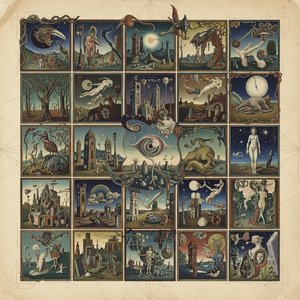
Max Ernsts 25 Mesterværker: Surrealismens Drømme & Psykologiske Dybder | TopImpressionists
Oplev Max Ernsts 25 mest ikoniske værker! Dyk ned i surrealismens drømme, dadaismens oprør og psykologisk kunst. Find inspiration til din boligindretning & køb museumskvalitets reproduktioner på TopImpressionists.com.
Udforsk kunstværker organiseret efter temaer, stilarter og karakteristika.


