


 Se i rummet
 Send
Send Del
Del
 Detaljer
 Studieguide til kunstværker

 Download
 Lignende værker
 Røntgenundersøgelse
 Se diasshow
 Statistik
the entire city


Discover Max Ernst’s ‘The Entire City,’ a surreal 1936 oil painting of an arid landscape. Explore its dreamlike style, bold colors & historical feel – a captivating masterpiece.
 Læs mere
Max Ernst (1891-1976): En surrealist pioner med frottage, collage og drømmende malerier! Udforsk hans unikke kunstneriske verden. #MaxErnst #Surrealisme #Dada
Giclée / Kunsttryk
Giclée- eller lærredstryk i museumskvalitet med hurtig produktion og fleksible muligheder for finish. ( Bestil håndmalet reproduktion Skift til digitalt billede)




P118B $10

P118H $10

P118W $10

P438Z $10

P508JH $12

P508YH $12

P805H $10

P805Z $10

P919BZ $10

P919G $10

P919XJ $10

P959ZH $10

P968JZ $12

W106C $8

W218G $10

W218JH $8

W218Y $10

W307PJ $10

W316G $10

W316PJ $8

W316Y $10

W398PJ $8

W4111J $10

W500HY $15

W500JH $15

W692G $12

W849H $8

W940BG $15

W953PJ $8




Standardstørrelse
speciallavet
CM
INCH
Vælg mellem vores forudindstillede størrelser, der matcher kunstværkets originale proportioner.
Loading sizes...

bredde
højde
Du kan indtaste dine egne mål for at passe til en specifik ramme eller et bestemt område. Hvis den valgte størrelse ikke stemmer overens med det originale billedes proportioner, vil vi enten beskære kunstværket eller udvide billedet med en spejlet eller ensfarvet kant. En digital mockup vil blive sendt til din godkendelse, før produktionen påbegyndes.
Bemærk venligst, at forhåndsvisningen på skærmen ikke afspejler den faktiske beskæring eller udvidelse. Kun mockuppen vil nøjagtigt vise den endelige komposition.
Selvom specialmål er tilgængelige, anbefaler vi at vælge et mål fra den foruddefinerede liste for at bevare de originale proportioner.
Verdensomspændende levering () på 2 uger i stedet for de sædvanlige 4/5 uger. (25 september)

Gratis ekspresforsendelse til hele verden

Lærred af linned i høj kvalitet

Komplet transportforsikring

Garanti for refusion af told og importafgifter

Garanti for autentisk farvegengivelse

100 dages returret ved fabrikationsfejl

100% fuld returret

Mængderabat ved flere køb
 Glasmulighed er kun tilgængelig i størrelser under 110 cm

the entire city
Giclée / Kunsttryk
Reproduktionsstørrelse
-


Samlet pris
$ 70
A Dreamscape Unveiled: Exploring Max Ernst’s ‘The Entire City’
Max Ernst's 1936 painting, *The Entire City*, is a captivating journey into the realm of Surrealism, offering viewers a glimpse into a meticulously constructed dreamscape. This oil on canvas (60 x 81 cm), currently residing at the Kunsthaus in Zurich, Switzerland, exemplifies Ernst’s mastery of blending reality and fantasy to evoke profound emotional responses.Composition & Visual Language
The painting presents a striking composition dominated by a monumental, mesa-like hill densely populated with architectural structures reminiscent of ancient or medieval settlements. These buildings, constructed from stone or brick, suggest a sense of history and enduring presence. Scattered figures populate the scene – some prominent in the foreground, others receding into the distance – adding a human element to this otherwise otherworldly landscape. Lush grassy areas provide a vibrant contrast to the solidity of the architecture, while a distant mountain range anchors the composition and establishes depth. The overall effect is one of expansive scale and intriguing spatial relationships.Surrealist Technique & Artistic Innovation
Ernst’s signature Surrealistic style is powerfully evident in *The Entire City*. He doesn't simply depict a city; he constructs an illogical, yet compelling, vision of one. The artist employed techniques like frottage and grattage earlier in his career – methods that allowed for the emergence of unexpected textures and forms – though not directly visible here, they inform his approach to creating uncanny juxtapositions. The use of color is deliberate; earthy tones dominate, punctuated by the greens of vegetation, contributing to a sense of both familiarity and alienation. The painting’s dreamlike quality isn't achieved through hyperrealism but rather through a distortion of perspective and scale, inviting viewers to question their perceptions.Historical Context & Symbolism
Created in 1936, *The Entire City* reflects the anxieties and uncertainties of pre-World War II Europe. Ernst, having experienced the trauma of World War I and facing increasing political instability, often explored themes of displacement, alienation, and the subconscious mind in his work. The city itself can be interpreted as a symbol of civilization – both its grandeur and its fragility. The seemingly abandoned or sparsely populated nature of the scene might suggest a sense of loss or impending doom. Some scholars also see echoes of ancient mythology and archetypes within the architectural forms, hinting at deeper psychological resonances.Emotional Resonance & Interpretation
*The Entire City* evokes a complex range of emotions – serenity and wonder are immediately apparent, but these are tempered by an underlying sense of mystery and perhaps even melancholy. The painting invites contemplation; it’s not merely something to be *looked at*, but rather something to be *experienced*. The figures within the landscape seem detached, lost in their own worlds, contributing to a feeling of isolation. This ambiguity allows for multiple interpretations, making the artwork endlessly fascinating. It's a piece that speaks to the power of the imagination and the enduring human fascination with the unknown.- For further exploration: Discover more about Max Ernst’s life and work at TopImpressionists: /art/list/?Filter=max+ernst,ernst&]
- Delve deeper into art history: Understand the context of Surrealism by exploring the history of painting: [https://en.wikipedia.org/wiki/History_of_painting]
- Explore related artists: Discover other captivating Surrealist works, such as those by Kay Sage: [https://TopImpressionists.com/@/Kay-Sage]
Om kunstneren
A Life Immersed in the Surreal
Max Ernst, født Maximilian Maria Ernst den 1. april 1891 i Brühl, Tyskland, var en rastløs ånd dømt til at blive en af de mest betydningsfulde figurer inden for det 20. århundredes kunst – ikke blot som maler, men også som skulptør, grafiker og digter. Hans rejse var ikke én af konventionel kunstnerisk uddannelse; snarere var det en selvbestemt udforskning drevet af filosofisk søgen efter sandhed, psykologisk fascination og en dyb skepsis over for etablerede normer. Hans far, en lærer af døve og en amatørmaler, gav ham både følsomhed for verden og en rebelsk ånd mod autoritetens krav. Denne tidlige dualitet ville blive en definerende karakteristik af hans kunstneriske vision.
Ernsts akademiske studier ved Bonn Universitetet – omfattende filosofi, kunsthistorie, litteratur, psykologi og psykiatri – var ikke blot distraktioner, men fundamentale elementer der dybt formede hans senere arbejde. Han var ikke bare interesseret i *hvordan* man malede; han kæmpede med *hvorfor*. Denne intellektuelle nysgerrighed førte ham til mødet med Pablo Picassos ikoniske værker, Vincent van Goghs kraftfulde farvepaletter og Paul Gauguins eksotiske landskaber ved Sonderbund udstillingen i Köln i 1912 – et øjeblik der irrevocabelt ændrede hans kunstneriske vej. Moderne kunstens frø var blevet sået.
Dada’s Disruption og Fødslen af Surrealist Visioner
Første Verdenskrig viste sig at være en vandrende sten for Ernst. Hans erfaring som soldats på Østfronten og Vestfronten efterlod ham dybt rystet, hvilket fremmede en dyb skepsis over for ordenens krav og længsel efter nye udtryksformer. Denne disillusionering fandt frugtbar grund i Dada bevægelsen, som han omfavnede entusiastisk efter hjemkomst til Köln i 1918. Sammen med Hans Arp – en livslang ven og samarbejdspartner – blev Ernst en central figur i Köln Dada gruppen, hvilket afviste konventionelle kunstneriske normer og omfavnede absurditet, chance og anti-rationalitet.
Men Dada var blot et skridt på vejen. I begyndelsen af 1920’erne emigrerede Ernst til Paris og blev medlem af Surrealist bevægelsen, ledet af André Breton. Dette markerede en forskydning mod udforskningen af drømmeverdenen, det ubevidste sind og den irrationelle kraft – hvilket førte ham direkte ind i kunstens mest revolutionerende årti. Påvirket af Sigmund Freuds psykoanalytiske teorier søgte Ernst at låse op menneskelig erfaringens skjulte dybder gennem sin kunst. Han var ikke interesseret i at gengive virkeligheden som den præsenterede sig; snarere ønskede han at afsløre de underliggende psykologiske kræfter, der formåde den.
Pionering Teknikker: Frottage, Grattage og Collage
Ernsts kunstneriske innovation udvidede sig ud over emnevalg; han var en hensynsløs eksperimentator med teknik. Han tog ikke blot eksisterende metoder – han opfandt nye. Hans mest kendte bidrag er frottage, hvor bly eller grafittegning rubses over teksturerede overflader for at skabe ovrekspektakulære og atmosfæriske billeder. Denne teknik, født af en øjeblikkelig beslutning om at observere træets årer, tillod Ernst at nå ud til det ubevidste og generere former der modsatte sig bevidst kontrol. Dette var ikke blot stilistiske valg; det var integreret i hans søgen efter det psykologiske og hans ønske om at udfordre konventionelle kunstneriske grænser.
Han udnyttede også collage mesterligt – ved at sammensætte forskellige elementer – billeder fra magasiner, videnskabelige illustrationer, fotografier – til surrealistiske kompositioner der udfordrede konventionelle repræsentationens ideer. Disse teknikker var ikke blot stilistiske valg; de var centrale for hans udforskning af det ubevidste og hans ønske om at udfordre kunstens konventionelle grænser.
- Bemærkelsesværdige værker: Afrendefuneralen, Kvinden i lyset, Skoven og Duved
- Påvirkninger: Pablo Picasso, Vincent van Gogh, Paul Gauguin, Sigmund Freud
- Bevægelse: Dada, Surrealisme
Udbruddet af Anden Verdenskrig tvang Ernst til at flygte Europa og fandt tilflugt i USA hvor han fortsatte med at male og eksperimentere med nye teknikker gennem hele eksilen før hans død den 1. april 1976 i Paris.

Max Ernst
1891 - 1976 , Tyskland
Hurtige fakta
- Artistic Movement Or Style: Dada og Surrealisme
- Artists Or Movements Influenced By This Artist:
- Surrealisme
- Dada
- Artists Who Influenced This Artist:
- Pablo Picasso
- Vincent van Gogh
- Paul Gauguin
- Date Of Birth: 1. april 1891
- Date Of Death: 1. april 1976
- Full Name: Max Ernst
- Nationality: Tysk-Amerikansk, Fransk
- Notable Artworks:
- Afrende funeraria
- The Equivocal Woman
- L'Ange du foyer
- Place Of Birth: Brühl, Tyskland
Relaterede artikler
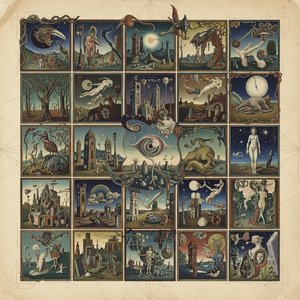
Max Ernsts 25 Mesterværker: Surrealismens Drømme & Psykologiske Dybder | TopImpressionists
Oplev Max Ernsts 25 mest ikoniske værker! Dyk ned i surrealismens drømme, dadaismens oprør og psykologisk kunst. Find inspiration til din boligindretning & køb museumskvalitets reproduktioner på TopImpressionists.com.

Oliemaleriets Arv: Teknik, Historie og Nutidig Praksis
Dyk ned i oliemaleriets fascinerende verden! Lær om teknikker, historie og nutidige kunstnere. Få ekspertviden og inspiration til dit eget maleprojekt.

Oil on Canvas: A Historical & Technical Exploration of a Timeless Artistic Medium
Explore the rich history & enduring techniques of oil painting on canvas. Discover the science behind its longevity, conservation practices, and contemporary relevance. Expert insights for art enthusiasts.

The Enduring Power of Painting: A Historical & Contemporary Exploration of Form and Emotion
Explore the rich history & enduring techniques of oil painting with TopImpressionists. Discover masterpieces, learn about art collecting, and find authentic handmade reproductions crafted by skilled artists.

The Enduring Legacy of Oil on Canvas: Technique, History & Aesthetic Impact
Explore the rich history & techniques of oil painting – from Renaissance masters to Impressionism. Discover pigments, layering methods, and why this timeless medium endures. Expert insights for artists & art enthusiasts.
Udforsk kunstværker organiseret efter temaer, stilarter og karakteristika.


