

Vist: · Inklusive ramme:
 Se i rummet

 Del som kort
 Del
 Detaljer
 Faktablad


 Download
 Lignende værker
 Røntgenundersøgelse
 Diasshow
 Spørgsmål og svar

 Statistikker
Found (Max Klinger)


Håndmalet i olie fra Dkr1671 ved 36 x 28 cm
Også tilgængelig som Fine Art Print fra Dkr334
- Gratis ekspresforsendelse til hele verden
- Leveres inden for 4-5 uger
- 100 dages returret og pengene tilbage
- Bedømt 4.9/5 af 241 kunder på ArtShopReviews.com
Dkr 2340
Håndlavet oliereproduktion
Håndmalet olie på lærred i din valgte størrelse og ramme, udført efter bestilling af vores kunstnere. ( Køb impressionistisk tryk Impressionistisk oliemaling Køb digital kopi
)
Størrelse
·Vælg mellem vores forudindstillede størrelser, der matcher kunstværkets originale proportioner.
Indlæser størrelser...

bredde
højde
Indtast den bredde og højde, du har brug for, så det passer til din ramme eller din væg. Da dette er håndmalet, kan kunstneren ved en anden form på størrelsen male lidt mere rundt om billedet eller skære lidt væk — det er op til dig. Vi sender dig et digitalt mockup til godkendelse, før maleriet påbegyndes. Billedet, der vises på denne side, viser ikke det endelige resultat — det er kun mockuppet, der gør.
 Læs mere
Standardstørrelse
speciallavet
CM
TOMMER
Afslut
·
Hvid kant Dkr1

Udvasket kant Dkr1

Fortsat motiv Dkr1

P118B Dkr10

P118H Dkr10

P118W Dkr10

P438Z Dkr10

P508JH Dkr12

P508YH Dkr12

P805H Dkr10

P805Z Dkr10

P919BZ Dkr10

P919G Dkr10

P919XJ Dkr10

P959ZH Dkr10

P968JZ Dkr12

W106C Dkr8

W218G Dkr10

W218JH Dkr8

W218Y Dkr10

W307PJ Dkr10

W316G Dkr10

W316PJ Dkr8

W316Y Dkr10

W398PJ Dkr8

W4111J Dkr10

W500HY Dkr15

W500JH Dkr15

W692G Dkr12

W849H Dkr8

W940BG Dkr15

W953PJ Dkr8
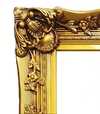
H24-GOLD Dkr30
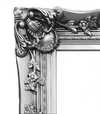
H24-SILVER Dkr30
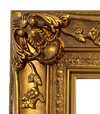
H36-GOLD Dkr70
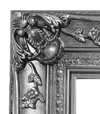
H36-SILVER Dkr70
Sendes i et beskyttende rør, klar til at blive indrammet hos din egen indrammer.
Over 105 cm sendes rammen som et sæt til en professionel indrammer — læs detaljerne.
Tillægsydelser
valgfritHvad indeholder de ekstra tilvalg?
Eksempler på hvad kan ændres: Udskift ansigt med kundens eget foto; Tilføj kæledyr (f.eks. udskift kat med hund); Inkluder skjult besked i baggrunden; Skift baggrundslandskab eller elementer.
Efter bestilling vil TopImpressionists.com-teamet sende en e-mail til kunden for at få instruktioner og levere et udkast til forhåndsvisning
Verdensomspændende levering () på 3/4 uger i stedet for standard 4/5 uger. (23 december). Ingen kompromiser med kvaliteten.
Beskyttende fernis
Navneskilt
Detaljer om indgraveret bronzeskilt
Denne elegante plade viser kunstnerens navn og værkets titel, fint indgraveret for en tidløs præsentation.
Den er fremstillet i bronze med en raffineret og elegant finish. Teksten er præcisionslasergraveret for et skarpt og permanent resultat. Pladen måler 9x2 cm og er kompakt, men letlæselig. Den er skabt til at være holdbar og ridsefast, hvilket giver et professionelt udseende i museumskvalitet. Montering er enkel takket være den medfølgende selvklæbende bagside.
Detaljer om gennemsigtig akrylplade
Pladen indeholder de væsentlige graverede detaljer såsom kunstnerens navn, værkets titel, årstallet for værkets tilblivelse, mediets type – f.eks. olie på lærred eller akvarel – en kort beskrivelse af værket samt en QR-kode, der linker til de fulde informationer om kunstværket.
Den er fremstillet af klar akryl, hvilket giver et strømlinet og moderne udseende. Teksten er UV-graveret i sort for at sikre en stærk visuel kontrast. Med en størrelse på 10x15 cm sikres optimal læsbarhed. Den leveres med to metalophæng til sikker montering på væggen. Pladen er designet til at være vejrbestandig, hvilket gør den velegnet til forskellige miljøer, og den inkluderer interaktive funktioner, der fungerer problemfrit ved scanning med en smartphone.
Detaljer om sort akrylplade
Denne elegante plade indeholder graveret information såsom kunstnerens navn, værkets titel, årstal for værkets tilblivelse, mediets type (f.eks. olie på lærred eller akvarel), en kort beskrivelse af værket samt en QR-kode for hurtig adgang til yderligere information.
Selve pladen er fremstillet af forfinet sort akryl med en premium finish. Teksten er laserindgraveret i hvid for høj kontrast og læsbarhed. Størrelsen er 10x15 cm, designet til at være letlæselig. Den leveres med to metalophæng til professionel montering. Designet er strømlinet og passer til enhver indretningsstil. Den er desuden vejrbestandig og holdbar og har indbygget digital integration til mobilkompatibilitet.
Glasmulighed er kun tilgængelig i størrelser under 110 cm
 Glasmulighed er kun tilgængelig i størrelser under 110 cm
- Gratis ekspresforsendelse til hele verden
- Lærred af linned i høj kvalitet
- Fuld transportforsikring
- Garanti for refusion af told og importafgifter
- Garanti for præcis farvegengivelse
- 100 dages returret og pengene tilbage
- 100% fuld returret
- Mængderabat ved flere køb


Found: Max Klinger og Symbolism-øjeblikket
Two figures kneel in despair beneath a suspended form in this dramatic monochromatic etching filled with dense, swirling cross-hatching.
Max Klinger: biografi
Hans Parodi over Fundet af en Handske var inspireret af en drøm: undersøg hvordan handsken optræder på hvert tryk.
Om maleriet
The Artwork Found by Max Klinger
In the quiet tension of Found, the viewer encounters a scene of profound emotional distress. Max Klinger, born in 1857 in Leipzig, Germany, presents a vision that feels caught in a moment of sudden, sharp anguish. The composition draws the eye upward through a pyramidal arrangement, where two figures kneel in supplication at the base. Above them, a third figure remains suspended on a rigid rectangular plane, creating a sense of unsettling verticality. The atmosphere is heavy with a feeling of helplessness, as if the figures are trapped within a swirling chaos of lines that refuse to settle.
The imagery suggests a narrative of torment or judgment, though the exact nature of the suffering remains a mystery. Shadows and highlights dance across the forms, emphasizing the intensity of the facial expressions and the physical strain of the subjects. There is a palpable sense of unease in the way the figures interact with the space around them. The scene does not offer the comfort of a clear light source, leaving the viewer to navigate the deep shadows and the turbulent, textured background that seems to pulse with internal turmoil.
Composition and Visual Elements
A heavy, pyramidal structure dictates the movement of the scene, pulling the eye upward through a tense arrangement of forms. At the base, two figures kneel in a state of supplication, their bodies anchoring the bottom of the triangle. Above them, a third figure remains suspended on a rigid, rectangular plane, creating a jarring contrast between the organic curves of the human forms and the unyielding geometry of the platform. This vertical tension holds the viewer in a state of suspended animation, caught between the grounded suffering below and the hovering presence above.
The background refuses to remain still. Dense, swirling lines churn through the space, suggesting a world in a state of constant, chaotic turmoil. These lines wrap around the figures, blurring the distinction between the subjects and the atmosphere surrounding them. Light and shadow dance unevenly across the scene, with deep, heavy blacks clashing against pale highlights to emphasize the emotional weight of the figures. The perspective feels strangely flattened, yet the layering of these dark, textured shapes creates a sense of depth that pulls the viewer into the center of the struggle.
Technique and Artistic Materials
The scene emerges from a monochromatic world, where every shadow and highlight relies on a careful dance of gray tones. This is the result of a meticulous printmaking process, likely an etching or an engraving. One can almost feel the physical resistance of the metal plate as the artist uses sharp etching needles to incise deep, deliberate lines into the surface. These marks do not merely outline forms; they build a dense, textured landscape through heavy cross-hatching that catches the light and holds the darkness in place.
The materials used in this creation speak to a tactile, hands-on labor. A metal plate, perhaps zinc or copper, receives the initial wounding of the needle, creating the channels that will eventually hold the ink. Once the incised lines are ready, ink is pressed into these grooves, transferring the soul of the plate onto paper. This method allows for a staggering level of detail, where the swirling, chaotic lines of the background and the sharp, angular contours of the figures emerge from the interplay of ink and fiber.
Style and Artistic Movement
The work breathes with the heavy, restless energy of late 19th-century Expressionism. Every line seems to vibrate with an internal tension, pushing beyond mere representation to capture a raw, psychological state. This approach finds a striking kinship with the visual language of Edvard Munch, where the external world bends and twists to mirror the turbulence of the human spirit. The figures do not simply exist in space; they appear caught in a moment of profound emotional upheaval, their forms shaped by the weight of what they feel rather than the strict rules of anatomy.
At its core, the piece is deeply rooted in the Symbolist movement. It moves away from the literalism of the natural world to explore the shadowy, subjective realms of the subconscious. Rather than depicting a clear, objective reality, the imagery functions through a language of signs and metaphors that point toward deeper, unseen truths. The atmosphere is thick with the sense of a dream or a nightmare, where the boundaries between the physical self and the internal psyche begin to dissolve into a swirl of dark, textured lines.
Emotional and Symbolic Themes
Anguish and fear pulse through the scene, casting a heavy shadow over the figures. A profound sense of desperation grips the viewer as the subject matter unfolds, depicting a moment of intense emotional distress and torment. The two kneeling figures at the base of the composition seem trapped in a state of supplication, their bodies conveying a deep-seated helplessness. Above them, a third figure remains suspended on a rigid rectangular plane, watching the suffering below. This triangular arrangement creates a palpable tension, suggesting a heavy power dynamic or the weight of an inevitable judgment.
Chaos swirls in the background, where dense, agitated lines churn like a storm. These movements suggest a state of inner turmoil or perhaps the presence of overwhelming external forces acting upon the souls depicted. The darkness and light do not merely define form; they heighten the psychological weight of the moment. Every line contributes to an atmosphere of unease, as if the very air around the figures is thick with their collective despair. The struggle feels immediate, caught in a perpetual state of spiritual or emotional crisis.
Related Works by Max Klinger
The shadows of the artist's imagination stretch into other graphic cycles, where the boundaries between reality and the subconscious continue to blur. In the series Paraphrase on the Finding of a Glove, a single lost object transforms into a potent fetish, triggering a sequence of dreamlike visions and unsettling encounters. This narrative exploration of desire and loss finds a musical counterpart in the Brahms Fantasies from 1894, where the artist translates the spirit of composition into visual form. These works reveal a mind preoccupied with the hidden currents of human longing and the irrational forces that govern our inner lives.
Other explorations move through the realms of myth and movement. The artist's hand traces the tension found in The Rape of Prometheus and the rhythmic energy of Preparation for the dance. Each piece acts as a window into a world where the physical and the psychological are inseparable. Whether through the meticulous lines of an etching or the heavy presence of a sculpture, the artist's vision remains fixed on the tension between the seen world and the unseen impulses that drive it.
Spørgsmål og svar
Er denne reproduktion af Found malet i hånden eller trykt?
Håndmalet: en uddannet maler kopierer Found i olie på lærred.
Hvilken størrelse skal jeg vælge til Found?
Størrelserne går fra 36.3 x 27.5 cm (Dkr1671) til 241.8 x 183.4 cm (Dkr11153); tabellen på denne side viser de mest almindelige størrelser og deres priser.
Hvor lang leveringstid er der?
Levering tager 4 til 5 uger med gratis ekspresforsendelse over hele verden; en mulighed for hasteproduktion tilbydes på denne side. Du kan returnere varen inden for 100 dage med fuld refusion, uden betingelser.
Hvilket medie brugte Max Klinger til Found?
Etching
Hurtige fakta og kunstquiz
Om Max Klinger

Max Klinger
1857 - 1920, Tyskland
Om Max Klinger: liv, værker og biografi
Hurtige fakta om Max Klinger
- Artistic Movement Or Style: Symbolisme
- Artists Or Movements Influenced By This Artist: ['Expressionisme']
- Artists Who Influenced This Artist:
- Menzel
- Goya
- Date Of Birth: 1857
- Date Of Death: 1920
- Full Name: Max Klinger
- Nationality: Tysk
- Notable Artworks:
- Paraphrase...
- Beethoven
- Den Store
- Place Of Birth: Leipzig, Tyskland
Udforsk kunstværker organiseret efter temaer, stilarter og karakteristika.


Max Klinger
Found
() ·
Inklusive ramme: · Håndmalet med olie på lærred
Totalbeløb