

 Se i rummet
 Del som kort
 Del
Del
 Detaljer
 Guide
Guide

 Download
 Lignende værker
 Røntgenundersøgelse
 Diasshow
 Spørgsmål og svar
 Statistikker
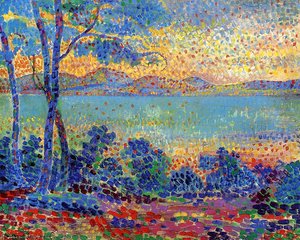
The Seine at Herblay


Discover "The Seine at Herblay" by Maximilien Luce (1890), a stunning Pointillist landscape painting housed in the Musée d'Orsay. Explore vibrant colors & Parisian charm.
 Vis mere
Maximilien Luce (1858-1941): En fransk Neo-Impressionist maler kendt for dynamiske pariske landskaber & industriens skønhed. Udforsk hans farverige teknikker og politiske engagement på museer som Musée d'Orsay.
Giclée / Kunsttryk
Giclée- eller lærredstryk i museumskvalitet med hurtig produktion og fleksible muligheder for finish. ( Køb håndmalet maleri Skift til digitalt billede)




P118B Dkr10

P118H Dkr10

P118W Dkr10

P438Z Dkr10

P508JH Dkr12

P508YH Dkr12

P805H Dkr10

P805Z Dkr10

P919BZ Dkr10

P919G Dkr10

P919XJ Dkr10

P959ZH Dkr10

P968JZ Dkr12

W106C Dkr8

W218G Dkr10

W218JH Dkr8

W218Y Dkr10

W307PJ Dkr10

W316G Dkr10

W316PJ Dkr8

W316Y Dkr10

W398PJ Dkr8

W4111J Dkr10

W500HY Dkr15

W500JH Dkr15

W692G Dkr12

W849H Dkr8

W940BG Dkr15

W953PJ Dkr8




Standardstørrelse
speciallavet
CM
INCH
Vælg mellem vores forudindstillede størrelser, der matcher kunstværkets originale proportioner.
Loading sizes...

bredde
højde
Indtast den bredde og højde, du har brug for, så det passer til din ramme eller din væg. Et print kan kun beskæres, aldrig gøres større end selve billedet, så en størrelse med et andet format vil medføre, at dele af motivet går tabt. Vi sender dig en digital mockup til godkendelse, før vi printer noget. Billedet vist på denne side viser ikke den faktiske beskæring — det er kun mockuppen, der gør.
Verdensomspændende levering () på 2 uger i stedet for de sædvanlige 4/5 uger. (4 november)

Gratis ekspresforsendelse til hele verden

Lærred af linned i høj kvalitet

Fuld transportforsikring

Garanti for refusion af told og importafgifter

Garanti for præcis farvegengivelse

100 dages returret ved fabrikationsfejl

100% fuld returret

Mængderabat ved flere køb
 Glasmulighed er kun tilgængelig i størrelser under 110 cm

The Seine at Herblay
Giclée / Kunsttryk
Størrelse på reproduktion
-


Samlet pris
Dkr 465
A Symphony of Light and Color: Exploring Maximilien Luce’s “The Seine at Herblay”
Maximilien Luce’s “The Seine at Herblay,” completed in 1890, stands as a cornerstone of Neo-Impressionism—a movement that sought to elevate landscape painting beyond mere representation into an exploration of sensory experience. Currently residing within the prestigious Musée d'Orsay in Paris, this canvas isn’t merely a depiction of a riverside scene; it’s a deliberate orchestration of color and texture designed to evoke tranquility and capture the fleeting beauty of twilight.
- Subject Matter: Luce meticulously portrays Herblay, a suburb of Paris nestled along the Seine River. The composition centers around a gently sloping hillside descending towards the tranquil waters of the river, punctuated by distant mountains bathed in the warm hues of sunset. This deliberate choice reflects the Impressionists’ fascination with capturing natural light and atmosphere—a tradition Luce embraced with unwavering conviction.
- Style & Technique: Luce’s signature technique is Pointillism – a revolutionary approach championed by Georges Seurat and Paul Signac. Rather than blending colors directly onto the canvas, artists like Luce applied tiny dots of pure pigment, allowing the viewer's eye to optically merge them into harmonious shades. This painstaking process resulted in an astonishingly luminous surface, shimmering with reflected light—a testament to Luce’s mastery of optical illusion.
Decoding the Visual Language: Color and Texture
The brilliance of “The Seine at Herblay” derives significantly from Luce's masterful manipulation of color. He employs a palette dominated by warm reds, oranges, and yellows—representing the fading sunlight—contrasted against cooler blues and greens to depict the river and surrounding foliage. These colors aren’t blended; they exist as discrete dots, creating an unparalleled textural richness that invites contemplation. The artist's deliberate use of thick brushstrokes – though subtly implied through dot placement – adds depth and dynamism to the scene.
- Color Harmony: Luce skillfully utilizes complementary color pairings—such as orange and blue—to heighten visual impact and create a sense of vibrancy.
- Texture Illusion: The resulting surface resembles polished stone, achieved through meticulous dot placement that mimics the appearance of brushstrokes without actually applying paint thickly.
Historical Context & Artistic Influence
"The Seine at Herblay" emerged during a period of profound artistic experimentation—the waning years of Impressionism and the burgeoning influence of Neo-Impressionism. Luce’s work aligns with Seurat's pursuit of scientific rigor in art, reflecting a broader intellectual interest in optics and color theory. It stands as an enduring symbol of the movement’s commitment to capturing subjective experience through objective observation—a bold departure from traditional artistic conventions.
- Neo-Impressionism: Luce's approach embodies the core tenets of Neo-Impressionism, prioritizing scientific principles over spontaneous emotion.
- Parisian Landscape Tradition: The painting contributes to a rich Parisian landscape tradition that celebrates the beauty of urban surroundings and the transformative power of natural light.
Emotional Resonance & Artistic Legacy
Ultimately, “The Seine at Herblay” transcends mere visual representation; it communicates a profound sense of serenity and wonder. Luce’s masterful use of color and texture invites viewers to immerse themselves in the tranquil atmosphere of twilight—a moment captured with exquisite precision and imbued with an enduring emotional resonance. Like “The Pile Drivers,” another notable work by Luce, this painting exemplifies his ability to distill complex ideas into accessible visual forms. Its influence continues to inspire artists today, cementing Luce’s place as a pivotal figure in the history of modern art.
Spørgsmål og svar
Hvor mættet er farvepaletten i "The Seine at Herblay"?
Farvepaletten i "The Seine at Herblay" har en mætning på Balanced Soft.
Hvordan forenes kunstretning og epoke i "The Seine at Herblay" af Maximilien Luce?
"The Seine at Herblay" tilhører Pointillism-retningen, og dets skaber arbejdede i det 19. århundrede-æraen.
Hvor anbefales det at udstille "The Seine at Herblay" i Landscape-formatet?
Format (Landscape) og anbefalet rum (Living Room) er de to placeringsoplysninger, der er registreret for "The Seine at Herblay" af Maximilien Luce.
Lignende kunstværker




Kunstnerbiografi
Maximilien Luce: En Parisisk Sjæl i Farvernes Dans
Maximilien Luce, født i Paris i 1858, var en maler dybt forankret i den sociale og kunstneriske ånd af sin tid. Hans tidlige liv, tilbragt midt i de arbejderklasseres kvarterer i Montparnasse, indgav hos ham en følsomhed over for byens virkelighed – et tema, der ville resonere gennem hele hans produktive karriere. I første omgang ansat som træsnøvser i 1872, finpudsede Luce en præcis detalje og en værdsættelse af linje og form, færdigheder, der senere skulle informere hans udforskninger med farve og lys. Denne fundamentale uddannelse var ikke blot teknisk; den forbundt ham med en tradition af grafiske kunstarter, der var dybt engageret i social kommentar – etablerende grundlaget for hans egen politisk ladede kunstneriske rejse. Han fortsatte sin uddannelse gennem aftenkurser, absorberede principperne for tegning og lagde grundlaget for sin efterfølgende overgang til maleri. Paris Kommune af 1871, oplevet i hans ungdom, efterlod et varigt præg på Luces bevidsthed, fremmer en livslang forpligtelse til anarkistiske idealer og social retfærdighed – overbevisninger, der konsekvent ville manifestere sig i hans kunstneriske valg.Fra Impressionisme til Neo-Impressionisme og Udover
Luces kunstneriske udvikling var karakteriseret af en rastløs eksperimentering og en villighed til at omfavne nye tilgange. Han begyndte som impressionist, fascineret af lysets flygtige virkninger og atmosfære, men bevægede sig hurtigt mod den mere videnskabelige rigor af Neo-Impressionismen. Georges Seurats og Paul Signacs indflydelse var afgørende; han adopterede deres pointillistiske teknik – den omhyggelige påføring af små dots af ren farve – i værker som *På Banken over Seine ved Poissy* (1895). Denne periode så ham systematisk nedbryde lys og farve, stræbe efter en harmonisk visuel oplevelse gennem optisk blanding. Men Luce var ikke blot en følger; han indførte Neo-Impressionismen med sin egen distinkte sanselighed, ofte fokuserende på arbejdernes verden og hans ofte natlige landskaber. Han var ikke bange for at male de grusomme virkeligheder af moderne eksistens, i skarp kontrast til de idylliske landskaber, som nogle af sine samtidige foretrak. Senere i sin karriere bevægede han sig væk fra streng pointillisme og omfavnede en mere fri, udtryksfuld stil, der bevarede farvernes livlighed, men tillod større følelsesmæssig intensitet. Denne konstante evolution demonstrerer Luces engagement i kunstnerisk udforskning og hans afvisning af at blive begrænset af nogen enkelt æstetisk doktrin.En Vidne til Moderniteten: Temaer og Teknikker
Luces oeuvre er en overbevisende kronik af det sene 19. og tidlige 20. århundrede Frankrig. Han var fascineret af industrialiseringens transformative kraft, malede fabrikker, byggepladser og travle bylandskaber med et ubekymret blik. Hans malerier er ikke blot repræsentationer af disse scener; de er gennemsyret af en følelse af dynamik og energi, fanger rytmen i moderne liv. Seinen flod, der snor sig gennem Paris og dets omgivelser, blev et tilbagevendende motiv i hans arbejde – et symbol på både naturlig skønhed og menneskelig aktivitet. Han mestrer at fange lyset på vandet, bruger pointillistiske teknikker til at skabe skimrende overflader og atmosfæriske effekter. Udover landskaber og byscener udforskede Luce også sociale temaer, malede ofte arbejdere og bønder med værdighed og respekt. Hans forpligtelse til anarkistiske idealer er tydelig i hans sympatiske portrætter af dem, der er marginaliseret af samfundet. *Landskab ved Marchiennes* (1896) giver f.eks. et kraftfuldt billede af det nordfranske industrilandskab, fremhæver både dets skønhed og dets barske realiteter. Han var også kendt for sine malerier af parisisk liv, herunder scener fra caféer, cirkus og offentlige samlinger.Arv og Anerkendelse
Maximilien Luces bidrag til kunstverdenen strækker sig ud over hans individuelle malerier. Som en dedikeret medlem af Société des Artistes Indépendants – tjente som vicepræsident i 1909 og præsident i 1935 – fremmede han kunstnerisk frihed og gav en platform for nye kunstnere. Hans engagement i progressive idealer gjorde ham til en respekteret figur i avantgardegruppen. Selvom han oplevede perioder af relativt usynlighed, er hans arbejde i de seneste årtier blevet anerkendt for sin unikke blanding af æstetisk innovation og social bevidsthed. I dag bevares Luces malerier i prestigefyldte museam-samlinger verden over, herunder Musée d'Orsay i Paris, der tjener som vidnesbyrd om hans vedvarende kunstneriske vision. Hans evne til at fange åndene i en hurtigt foranderlig æra, kombineret med hans tekniske mesterskab og hans urokkelige engagement i sine overbevisninger, konsoliderer hans plads som en betydelig figur i kunsthistorien. Han er en kunstner hvis arbejde fortsat resonerer med nutidige publikum, tilbyder indsigter i kompleksiteten af modernitet og kunstens vedvarende kraft.Yderligere Udforskning
- Museums Samlinger: Udforsk Luces værker på Musée d'Orsay og andre førende institutioner.
- Online Ressourcer: Opdag mere om hans liv og kunst gennem ressourcer som Wikipedia og dedikerede kunstnerdatabaser.
- Nøgle Temaer: Overvej hans tilbagevendende temaer af industrialisering, byliv og social retfærdighed, når du ser hans malerier.
- Teknisk Innovation: Vær opmærksom på hans brug af pointillisme og hans senere eksperimentering med mere udtryksfuld penselstrøg.

Maximilien Luce
1858 - 1941 , Frankrig
Kort om kunstneren
- Artistic Movement Or Style: Neo-Impressionisme
- Artists Or Movements Influenced By This Artist: ['Impressionisme']
- Artists Who Influenced This Artist:
- Pissarro
- Seurat
- Signac
- Date Of Birth: 13. marts 1858
- Date Of Death: 6. feb. 1941
- Full Name: Maximilien Luce
- Nationality: Fransk
- Notable Artworks:
- Seine ved Poissy
- Tuileries i Paris
- Seine ved Andelys
- Place Of Birth: Paris, Frankrig
Relaterede artikler

John Constables 25 Mesterværker: En Hyldest til Englands Landskabskunst | TopImpressionists.com
Oplev John Constables 25 mest ikoniske værker! Fordyb dig i engelsk romantik, betagende landskaber og tidløs skønhed. Køb museumskvalitets reproduktioner af 'The Hay Wain' & mere på TopImpressionists.com – inspiration til dit hjem.

Romantikkens Landskaber: Top 10 Malerier der Definerede En Æra | TopImpressionists
Oplev romantikkens storhedstid! Dyk ned i top 10 landskabsmalerier af Caspar David Friedrich, Turner & Constable. Historiske fortællinger og museumskvalitets reproduktioner på TopImpressionists.com – find din inspiration til væggen her!

Evocations of Place: A Historical Journey Through Landscape Art
Explore the rich history of landscape art with TopImpressionists. Discover renowned artists, movements like Impressionism & Romanticism, and expert guidance for collecting timeless pieces. Find your perfect serene escape today!

Evocations of Place: A Historical Journey Through Landscape Art
Explore the rich history of landscape art with TopImpressionists. Discover renowned artists, movements like Impressionism & tonalism, and expert guidance for collecting timeless pieces. Find your perfect serene escape today!

Flowing Narratives: Rivers in Painting – A Historical Exploration
Explore the rich history of rivers in painting! Discover masterpieces from ancient times to Impressionism & beyond. Learn about symbolism, artists like Monet & Daubigny, and find your perfect serene artwork at TopImpressionists.