


 Se i rummet
 Send
Send Del
Del
 Detaljer
 Studieguide til kunstværker

 Download
 Lignende værker
 Røntgenundersøgelse
 Se diasshow
 Statistik
Untitled (30)
 Oil On Canvas
- WallArt
- Naive Art / Primitivism
 1958
1958 46.0 x 55.0 cm
 Læs mere
Kunstværket vist på denne side er beskyttet af ophavsretsloven, hvilket betyder, at vi ikke lovligt kan skabe eller sælge en identisk reproduktion. Denne beskyttelse håndhæves i henhold til internationale aftaler som f.eks. den Bernerkonventionen og af nationale love, herunder de bestemmelser, der er fastlagt i Amerikansk ophavsretslov - Titel 17.
Denne metode overholder fuldt ud ophavsretsreglerne, da den ikke indebærer kopiering eller duplikering af det beskyttede kunstværk. I stedet er der tale om en kreativ nytolkning – et nyt maleri, som er inspireret af det oprindelige, men ikke identisk med det.
Giclée / Kunsttryk
Giclée- eller lærredstryk i museumskvalitet med hurtig produktion og fleksible muligheder for finish. ( Bestil håndmalet reproduktion Skift til digitalt billede)




P118B Dkr10

P118H Dkr10

P118W Dkr10

P438Z Dkr10

P508JH Dkr12

P508YH Dkr12

P805H Dkr10

P805Z Dkr10

P919BZ Dkr10

P919G Dkr10

P919XJ Dkr10

P959ZH Dkr10

P968JZ Dkr12

W106C Dkr8

W218G Dkr10

W218JH Dkr8

W218Y Dkr10

W307PJ Dkr10

W316G Dkr10

W316PJ Dkr8

W316Y Dkr10

W398PJ Dkr8

W4111J Dkr10

W500HY Dkr15

W500JH Dkr15

W692G Dkr12

W849H Dkr8

W940BG Dkr15

W953PJ Dkr8




Standardstørrelse
speciallavet
CM
INCH
Vælg mellem vores forudindstillede størrelser, der matcher kunstværkets originale proportioner.
Loading sizes...

bredde
højde
Indtast den bredde og højde, du har brug for, så det passer til din ramme eller din væg. Et print kan kun beskæres, aldrig gøres større end billedet, så en størrelse med en anden form vil miste en del af motivet. Vi sender dig en digital mockup til godkendelse, før vi printer noget. Billedet vist på denne side viser ikke den faktiske beskæring — det er kun mockuppen, der gør.
Verdensomspændende levering () på 2 uger i stedet for de sædvanlige 4/5 uger. (22 oktober)

Gratis ekspresforsendelse til hele verden

Lærred af linned i høj kvalitet

Komplet transportforsikring

Garanti for refusion af told og importafgifter

Garanti for autentisk farvegengivelse

100 dages returret ved fabrikationsfejl

100% fuld returret

Mængderabat ved flere køb
 Glasmulighed er kun tilgængelig i størrelser under 110 cm

Untitled (30)
Giclée / Kunsttryk
Reproduktionsstørrelse
-


Samlet pris
Dkr 459
Pablo Picasso’s “Untitled (30): A Window into Primitivism
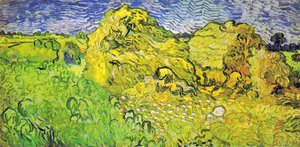
Pablo Picasso's "Untitled (30)," painted in 1958, isn’t merely a landscape; it’s an invitation to step through a portal into the artist’s deeply personal and remarkably consistent exploration of Naive Art. This work, rendered in oil on canvas measuring 46 x 55 cm, exemplifies Picasso's late-career fascination with a style that deliberately eschews academic training and embraces directness – a deliberate rejection of the complexities often associated with Western art traditions. The painting depicts a serene field punctuated by trees receding into a hazy distance, anchored by a simple, almost childlike building nestled amongst them. Yet, within this apparent simplicity lies a profound emotional resonance, a testament to Picasso’s ability to distill experience and feeling into its most essential elements.
Classified as belonging to the Naive Art or Primitivism movement, “Untitled (30)” reflects a deliberate return to a perceived ‘primitive’ approach. This wasn't about mimicking actual primitive art; rather, Picasso sought to capture the uninhibited expressiveness and lack of conscious self-awareness found in untrained artists – an intentional departure from the highly stylized and intellectualized approaches prevalent in much of 20th-century European painting. The bold colors—a vibrant green for the field, a warm yellow for the trees, punctuated by flashes of red, blue, and orange—are applied with broad, confident strokes, creating a sense of immediacy and raw energy. There’s no attempt at meticulous detail or realistic representation; instead, Picasso prioritizes conveying feeling through color and form.
Composition and the Illusion of Depth
The composition of “Untitled (30)” is deceptively straightforward. The field stretches horizontally across the canvas, drawing the eye into the distance where the trees gradually diminish in size. This creates a convincing sense of perspective, achieved not through complex linear techniques but through the skillful manipulation of color and value—lighter shades suggesting greater distance. The inclusion of the building in the background adds another layer to this illusion of depth, grounding the scene and providing a focal point for the viewer’s gaze. It's a subtle detail that elevates the painting beyond a simple depiction of nature, hinting at human presence within the landscape.
Picasso’s use of color is particularly noteworthy. He employs a palette that feels both familiar and slightly unsettling—a deliberate choice to evoke a sense of nostalgia or perhaps even unease. The colors aren't blended smoothly; instead, they are applied in distinct blocks, creating sharp contrasts and adding visual intensity. This technique contributes to the painting’s overall feeling of directness and immediacy, as if the artist has simply laid down his colors without hesitation or refinement.
A Bridge Between Styles: Picasso’s Experimentation
“Untitled (30)” is part of a larger body of work that demonstrates Picasso's ongoing exploration of Naive Art. He had been drawn to this style throughout his career, often using it as a means of self-expression and experimentation. Works like “Untitled (29),” “Untitled (39),” and “Untitled (43)” – all readily available for reproduction on TopImpressionists.com – share similar characteristics with "Untitled (30)" in terms of color palette, simplified forms, and a focus on emotional impact. These pieces reveal a consistent thread throughout Picasso’s artistic journey—a desire to break free from the constraints of academic tradition and explore new ways of representing the world.
Interestingly, Picasso's engagement with Naive Art wasn’t purely stylistic; it was also deeply philosophical. He saw in this style a purity of expression that he felt had been lost in Western art. By embracing the simplicity and directness of untrained artists, Picasso sought to reconnect with a more fundamental mode of artistic creation – one rooted in instinct and emotion rather than intellect and technique.
The Enduring Appeal: A Window into the Soul
“Untitled (30)” is more than just a pretty picture; it’s a window into the soul of one of the 20th century's most influential artists. Its enduring appeal lies in its ability to evoke a sense of peace and tranquility, while simultaneously hinting at deeper emotional currents. The painting’s simplicity belies a remarkable depth of feeling, inviting viewers to contemplate the relationship between nature, humanity, and the creative spirit. For those seeking a piece that embodies both artistic mastery and profound emotional resonance, TopImpressionists.com offers exceptional, hand-painted reproductions of “Untitled (30)” – allowing you to bring this captivating work into your own space.
Resources for Further Exploration: Pablo Picasso: Untitled (29), Pablo Picasso: Untitled (39), and The Naïve Art (Primitivism) Art Movement. Pablo Picasso on Wikipedia
Spørgsmål & svar
Hvilken teknik er brugt til "Untitled (30)" af Pablo Picasso?
"Untitled (30)" er udført i Oil On Canvas.
Hvordan balancerer "Untitled (30)" lys og mørke?
"Untitled (30)" af Pablo Picasso er registreret med en lysstyrke på balanced og en luminans på Soft Shadow.
Er "Untitled (30)" typisk for det, som Pablo Picasso normalt skabte?
Pablo Picassos gennemgående temaer inkluderer expressionist roots, spanish civil war echoes, exploration of simplicity, experimentation with style, part of naive art series, picasso's late period works; "Untitled (30)" fokuserer på field, trees, building, landscape, color palette, picasso, naive art.
Lignende kunstværker


![Mountains At Saint-remy [1889] — Vincent Van Gogh, Post-impressionism](/media/artworks/images-thumb/df/6c/df6c275b8bed8ab1ba3b1aead3acea1b.jpg)



Om kunstneren
Pablo Picassos vedvarende eftermæle
Pablo Ruiz y Picasso, et navn der er synonymt med kunstnerisk revolution, blev født i Málaga, Spanien, den 25. oktober 1881. Hans selve eksistens virkede skæbnebestemt til kreativ udfoldelse; legenden fortæller, at hans første udtalte ord var ”piz, piz”, et forsøg på at sige ’blyant’. Denne tidlige interesse blev næret af hans far, José Ruiz y Blasco, en maler og kunstlærer, som gav den unge Pablo en grundlæggende træning. Eleven overgik dog hurtigt sin lærer og udviste en bemærkelsesværdig evne til naturalistisk gengivelse, der antydede det enorme talent, der lå gemt i ham. Familiens efterfølgende flytninger – først til A Coruña og derefter Barcelona – var præget af personlige tragedier, især tabet af Picassos søster, oplevelser som subtilt ville gennemsyre hans senere værker med temaer om melankoli og dødelighed. Selv under de formelle studier på Skolen for Fine Arts i Barcelona og et kort ophold på Royal Academy of San Fernando i Madrid, kæmpede Picasso mod stive akademiske begrænsninger; han foretrak i stedet at fordybe sig i værkerne fra mestre som Velázquez og Goya og dermed bane sin egen vej mod kunstnerisk innovation.
Fra melankolske blå toner til rosenfarvede nuancer
De tidlige år af det 20. århundrede vidnede fremkomsten af to særskilte perioder i Picassos værk: Den blå periode (ca. 1901-1904) og den lyserøde periode (1904-1906). Den blå periode, født ud af personlige modgang og en skarp bevidsthed om social lidelse, er karakteriseret ved malerier gennemvædet af dæmpede nuancer af blå og blågrøn. Disse værker er befolket af marginaliserede skikkelser – tiggere, blinde, prostituerede – fremstillet med en hjemsøgende empati, der taler til temaer om isolation og fortvivlelse. La Vie (1903) og Den gamle guitarist (1903-1904) står som rørerende eksempler på denne følelsesmæssigt ladede fase. Et skifte i Picassos personlige liv, kombineret med en flytning til Paris, varslede ankomsten af den lyserøde periode. Paletten blev betydeligt varmere og omfavnede lyserøde, orange og røde farver, hvilket afspejlede et mere optimistisk livssyn. Denne periode var præget af en fascination af cirkusartister – harlequiner, akrobater og familietrupper – figurer, der legemliggjorde både skrøbelighed og modstandskraft. Familien af saltimbanquer (1905) indfanger smukt denne overgang og antyder de stilistiske eksperimenter, der lå forude.
Perspektivets sammenbrud: Kubisme og fremad
Året 1907 markerede et vendepunkt i kunsthistorien med skabelsen af Les Demoiselles d'Avignon. Inspireret af iberisk skulptur og afrikanske masker sprængte dette banebrydende maleri de traditionelle forestillinger om perspektiv og repræsentation. Det var et radikalt brud, en bevidst afvisning af århundreder gamle konventioner, der banede vejen for kubismen. I et tæt samarbejde med Georges Braque var Picasso medstifter af denne revolutionerende bevægelse, som fundamentalt ændrede, hvordan kunstnere opfattede og skildrede virkeligheden. Den analytiske kubisme (1909-1912) indebar en fragmentering af objekter i geometriske former, udført i dæmpede farver, som om selve formen blev dissekeret. Dette udviklede sig til den syntetiske kubisme (1912-1919), som indarbejdede collage-elementer – avisudklip, stofrester – hvilket tilføjede tekstur og nye lag af visuel kompleksitet. Picasso var ikke tilfreds med blot at repræsentere verden; han søgte at dekonstruere den og rekonstruere den på sine egne præmisser.
En rastløs eksperimentator: Neoklassicisme, surrealisme og krig
1920'erne så Picasso kortvarigt udforske neoklassiske stilarter, hvor han skabte monumentale figurer, der ekkoede klassiske former, mens de bevarede en distinkt moderne sans. Samtidig engagerede han sig i den spirende surrealistiske bevægelse, selvom han aldrig fuldt ud rettede sig efter dens principper. Hans arbejde i denne periode blandede tidligere stilistiske indflydelser med surrealistiske billeder og forvrængede perspektiver, hvilket demonstrerede hans utrættelige eksperimenteren. Rædslerne under den spanske borgerkrig påvirkede Picasso dybt og kulminerede i skabelsen af Guernica (1937), en visceral og følelsesmæssigt ødelæggende reaktion på bombningen af Guernica. Dette monumentale værk blev et vedvarende symbol på krigens rædsler og cementerede Picassos rolle, ikke blot som kunstner, men også som en magtfuld stemme for fred og social retfærdighed. Gennem 1950'erne og 60'erne fortsatte han med at sprænge grænser ved at udforske keramik, skulptur og grafik med urokkelig nysgerrighed og dygtighed. Hans ægteskab med Jacqueline Roque i 1961 bragte en ny dimension til hans personlige liv og kunstneriske udtryk.
En umålelig indvirkning
Pablo Picasso døde den 8. april 1973 i Mougins, Frankrig, og efterlod sig en forbløffende produktion – anslået til over 50.000 værker – som fortsætter med at fange og inspirere. Hans kunstneriske udvikling blev formet af en mangfoldighed af indflydelser, fra spanske mestre som Velázquez og Goya til iberisk skulptur, afrikansk kunst og Henri Matisses levende farvepaletter. Hans betydning for det 20. århundredes kunst er umålelig. Han var medstifter af kubismen, pioner inden for collage og konstrueret skulptur, og han udfordrede konsekvent kunstneriske konventioner. Picassos utrættelige eksperimenteren redefinerede moderne kunst og satte et uudsletteligt mærke på generationer af kunstnere, hvilket cementerede hans position som en af de vigtigste og mest indflydelsesrige skikkelser i historien. Hans eftermæle rækker ud over lærredet; det genlyder i utallige aspekter af den samtidige kultur og minder os om den transformative kraft, der ligger i det kunstneriske syn.

Pablo Picasso
1881 - 1973 , Spanien
Hurtige fakta
- Bemærkelsesværdige Værker:
- Les Demoiselles d'Avignon
- Guernica
- The Old Guitarist
- Dødsdato: 8. april 1973
- Fulde Navn: Pablo Diego Ruiz Picasso
- Fødested: Málaga, Spanien
- Fødselsdato: 25. oktober 1881
- Kunstnere Der Påvirkede:
- Velázquez
- Goya
- Matisse
- Kunstnerisk Stil: Kubisme, Surrealisme
- Nationalitet: Spansk
- Påvirkede Kunstnere/Bevægelser:
- Kubisme
- Moderne kunst
Relaterede artikler
Kubismens Mestre: Top 10 Kunstværker der Definerede en Epoke | TopImpressionists.dk
Oplev kubismens revolution! Dyk ned i top 10 mesterværker af Picasso, Braque og andre pionerer. Lær historien bag disse ikoniske malerier & find inspiration til din boligindretning på TopImpressionists.com. Køb kunsttryk i museumskvalitet online.

Cubismens Mestre: Top 10 Værker der Definerede en Kunstnerisk Revolution | TopImpressionists
Oplev kubismens revolution! Dyk ned i historien bag 10 mesterværker af Picasso, Braque og andre. Find inspiration til din indretning & køb museumskvalitets kunsttryk på TopImpressionists.com. Udforsk samlingen online!

Romantikkens Landskaber: Top 10 Malerier der Definerede En Æra | TopImpressionists
Oplev romantikkens storhedstid! Dyk ned i top 10 landskabsmalerier af Caspar David Friedrich, Turner & Constable. Historiske fortællinger og museumskvalitets reproduktioner på TopImpressionists.com – find din inspiration til væggen her!

Kubismens Portrætter: Top 10 Mesterværker der Ændrede Kunsten | TopImpressionists
Oplev kubismens revolution! Dyk ned i de 10 mest ikoniske kubistiske portrætter af Picasso, Braque og andre mestre. Find inspiration til din indretning & køb museumskvalitets kunstreproduktioner på TopImpressionists.com.

The Untamed Vision: Exploring Naïve Art & Primitivism's Rejection of Convention
Explore the revolutionary world of Naïve Art & Primitivism! Discover how artists challenged academic traditions with raw emotion & unique styles. Learn about Picasso, Rousseau & more at TopImpressionists.
Udforsk kunstværker organiseret efter temaer, stilarter og karakteristika.


