


 Se i rummet
 Del som kort
 Del
Del
 Detaljer
 Guide
Guide

 Download
 Lignende værker
 Røntgenundersøgelse
 Diasshow
 Q&A
Q&A Statistikker
Sea at L'Estaque


Paul Cézanne’s "Sea at L'Estaque" captures the dramatic beauty of the French coast in a masterful Impressionist style, showcasing vast ocean views and mountain reflections – discover this iconic artwork and bring its timeless charm into your space.
 Vis mere
Key Works and Recurring Motifs</h2>
Cézanne’s oeuvre is remarkably diverse
Giclée / Kunsttryk
Giclée- eller lærredstryk i museumskvalitet med hurtig produktion og fleksible muligheder for finish. ( Køb håndmalet maleri Skift til digitalt billede)




P118B Dkr10

P118H Dkr10

P118W Dkr10

P438Z Dkr10

P508JH Dkr12

P508YH Dkr12

P805H Dkr10

P805Z Dkr10

P919BZ Dkr10

P919G Dkr10

P919XJ Dkr10

P959ZH Dkr10

P968JZ Dkr12

W106C Dkr8

W218G Dkr10

W218JH Dkr8

W218Y Dkr10

W307PJ Dkr10

W316G Dkr10

W316PJ Dkr8

W316Y Dkr10

W398PJ Dkr8

W4111J Dkr10

W500HY Dkr15

W500JH Dkr15

W692G Dkr12

W849H Dkr8

W940BG Dkr15

W953PJ Dkr8




Standardstørrelse
speciallavet
CM
INCH
Vælg mellem vores forudindstillede størrelser, der matcher kunstværkets originale proportioner.
Loading sizes...

bredde
højde
Indtast den bredde og højde, du har brug for, så det passer til din ramme eller din væg. Et print kan kun beskæres, aldrig gøres større end selve billedet, så en størrelse med et andet format vil medføre, at dele af motivet går tabt. Vi sender dig en digital mockup til godkendelse, før vi printer noget. Billedet vist på denne side viser ikke den faktiske beskæring — det er kun mockuppen, der gør.
Verdensomspændende levering () på 2 uger i stedet for de sædvanlige 4/5 uger. (29 oktober)

Gratis ekspresforsendelse til hele verden

Lærred af linned i høj kvalitet

Fuld transportforsikring

Garanti for refusion af told og importafgifter

Garanti for præcis farvegengivelse

100 dages returret ved fabrikationsfejl

100% fuld returret

Mængderabat ved flere køb
 Glasmulighed er kun tilgængelig i størrelser under 110 cm

Sea at L'Estaque
Giclée / Kunsttryk
Størrelse på reproduktion
-


Samlet pris
Dkr 461
A Symphony of Light and Stone: Cézanne’s *Sea at L'Estaque*
Paul Cézanne’s 1885 painting, *Sea at L'Estaque*, is more than a picturesque depiction of the Mediterranean coast; it’s a pivotal moment in art history, a testament to Cézanne’s revolutionary approach to representation. This work, brimming with quiet intensity and profound observation, captures the essence of the landscape not through idealized beauty but through a rigorous examination of form and light – a characteristic that would profoundly influence generations of artists to come. The scene unfolds before us with an almost unsettling stillness, inviting contemplation on the relationship between nature’s grandeur and the human presence within it.
Subject Matter and Composition
- The painting centers around a dramatic expanse of water, dominated by rolling waves that seem to both advance and recede with an internal rhythm.
- In the background, imposing mountains rise, their jagged peaks rendered with a deliberate lack of detail, suggesting more a conceptual understanding than a photographic imitation.
- Scattered across the scene are several boats – fishing vessels primarily – adding a subtle layer of human activity and scale to the vastness of the seascape. These aren’t merely incidental elements; they serve as anchors for our eye, guiding us through the composition and reinforcing the sense of depth.
Cézanne's Revolutionary Technique: Breaking with Impressionism
Painted during a period when Impressionism was still holding sway, *Sea at L'Estaque* demonstrates Cézanne’s decisive move away from the fleeting effects of light and color favored by his contemporaries. He employs a technique characterized by flattened planes, simplified forms, and an emphasis on structure rather than optical accuracy. Notice how he builds up the impression of volume through subtle shifts in tone and texture – particularly evident in the rendering of the water’s surface. This approach anticipates Cubism's fragmentation of form, yet it remains firmly rooted in Cézanne’s desire to capture the underlying essence of a subject rather than its superficial appearance.
Symbolic Resonance and Emotional Impact
The painting resonates with a sense of solitude and contemplation. The cloudy sky contributes to an atmosphere of subdued drama, while the mountains evoke feelings of both awe and vulnerability in the face of nature’s power. Cézanne's deliberate ambiguity invites viewers to project their own emotions and interpretations onto the scene. It is not simply a representation of a coastal landscape; it’s a meditation on perception, memory, and the enduring connection between humanity and the natural world. The boats, symbols of labor and livelihood, subtly underscore the human element within this monumental setting.
Historical Context and Legacy
*Sea at L'Estaque* was created during a crucial period in Cézanne’s artistic development. Following years of experimentation and critical rejection, he began to solidify his unique vision – one that would ultimately revolutionize modern art. This painting exemplifies the shift from Impressionism towards a more conceptual approach to representation, paving the way for movements like Cubism and influencing artists such as Picasso and Braque. Its enduring appeal lies in its ability to capture not just a visual scene but also a profound emotional truth.
Spørgsmål og svar
Er "Sea at L'Estaque" af Paul Cézanne i det offentlige domæne, og hvorfor?
Ophavsretsstatus for "Sea at L'Estaque" – i det offentlige domæne – ophavsretten er udløbet – følger af kunstnerens død i 1906.
Kan "Sea at L'Estaque" forhåndsvises i augmented reality?
Se "Sea at L'Estaque" af Paul Cézanne på din egen væg via kunstværkets Se i AR-side ved hjælp af augmented reality på en kompatibel enhed.
Hvilken stemning og hvilke følelser forenes i "Sea at L'Estaque"?
Stemningen i "Sea at L'Estaque" af Paul Cézanne er Serene, og dens følelsesmæssige tone er Reflective.
Lignende kunstværker


Kunstnerbiografi
En Revolutionerende Vision: Livet og Kunsten hos Paul Cézanne
Paul Cézanne, født i Aix-en-Provence i 1839, står som en monumental skikkelse der forbinder de flygtige indtryk fra Impressionismen med Kubismens fragmenterede former. Hans rejse var ikke præget af øjeblikkelig anerkendelse; snarere var det en langsom udvikling af kunstnerisk udforskning, markeret af perioder med selvtvivl og kritisk afvisning, der til sidst kulminerede i en arv, som uigenkaldeligt ændrede moderne kunsts forløb. Cézanne blev født ind i en velstående familie – hans far var oprindeligt hattemager, men senere bankmand – og nød en økonomisk sikkerhed, der var usædvanlig for spirende kunstnere, hvilket gav ham friheden til at dedikere sig til sin passion uden det umiddelbare pres fra kommerciel succes. Selvom han i første omgang blev styret mod en juridisk karriere af sin fars ambitioner, viste trangen til kunstnerisk udtryk sig for stærk, og han opgav til sidst loven for at forfølge malerkunsten, en beslutning der skulle definere hans liv. Tidlige påvirkninger omfattede den Romantik, der var fremherskende i hans ungdom, og Barbizonskolens dedikation til landskabet, men det var gennem møder med kunstnere som Paul Gauguin og Georges Seurat, og deres innovative tilgange til farve og form, at Cézanne begyndte at bane sin egen særprægede vej.Fra Mørke til Struktur: Udviklingen af en Stil
Cézannes tidlige værker afspejlede ofte de dramatiske, følelsesladede temaer, der er karakteristiske for Romantisk maleri – mørke paletter og ekspressive penselstrøg dominerede hans lærreder. Denne indledende fase var dog blot et springbræt til en langt mere analytisk og banebrydende tilgang. Utilfreds med blot at fange flygtige lysindtryk, som impressionisterne foretrak, begav Cézanne sig ud på en søgen efter at forstå og repræsentere objekternes underliggende struktur. Han søgte ikke kun *hvad* han så, men *hvordan* han opfattede de fundamentale former, der udgjorde virkeligheden. Dette førte ham til at nedbryde naturlige former i deres geometriske ækvivalenter – kegler, cylindre, kugler – og forudså Kubismens revolution årtier før den materialiserede sig. Hans teknik blev karakteriseret af små, gentagne penselstrøg, omhyggeligt lagt oven på hinanden for at opbygge komplekse farve- og teksturfelter, der skabte en følelse af soliditet og dybde, som tidligere var uset i malerkunsten. Han var ikke interesseret i illusionistisk rum; i stedet præsenterede han ofte objekter fra flere synsvinkler samtidigt, hvilket udfordrede traditionelle forestillinger om perspektiv og tvang beskueren til aktivt at engagere sig i hans kompositioners konstruerede natur. Denne bevidste forvrængning var ikke vilkårlig, men snarere et forsøg på at formidle en mere fuldstændig forståelse af formen, der repræsenterer ikke kun et enkelt øjeblik i tiden, men en syntese af perception.Landskaber, Stilleben og Den Menneskelige Form: Nøglearbejder og Gengående Motiver
Cézannes oeuvre er bemærkelsesværdigt mangfoldig og omfatter landskaber, stilleben, portrætter og fremstillinger af badende kvinder, men alle er forenet af hans unikke tilgang til form og farve. Dammen ved Jas de Bouffan, malet i 1880, eksemplificerer hans landskabsarbejde og viser hans evne til at fange essensen af naturen gennem en omhyggelig arrangement af former og toner. Portræt af Émile Zola, skabt i 1866, afslører hans udviklende stil og giver et overbevisende indblik i den intellektuelle intensitet hos sin nære ven og medforfatter. Hans stilleben, som dem der viser æbler og anden frugt, er ikke blot repræsentationer af objekter, men snarere udforskninger af volumen, lys og rumlige forhold. Mont Sainte-Victoire serien blev en besættelse for Cézanne, et tilbagevendende motiv, der gav ham mulighed for ubønhørligt at undersøge form og perspektiv over årtier. Disse malerier er ikke blot fremstillinger af et bjerg; de er studier i, hvordan vi opfatter dybde, volumen og samspillet mellem lys og skygge. Endelig repræsenterer hans serie af Badende kvinder, der viser nøgne figurer i idylliske landskaber, en dybtgående udforskning af den menneskelige form og dens forbindelse til naturen, ofte gennemsyret af en følelse af tidløshed og stille kontemplation.En Arv Smiddet i Innovation: Cézannes Indflydelse på Moderne Kunst
Paul Cézannes indvirkning på efterfølgende generationer af kunstnere er umålelig. Han betragtes bredt som "den moderne kunsts fader" for sine banebrydende bidrag til billedsproget, der banede vejen for mange af det 20. århundredes store kunstbevægelser. Pablo Picasso og Georges Braque var dybt taknemmelige over Cézannes vægt på geometriske former og flere perspektiver, som blev centrale principper i Kubismen. Hans dristige brug af farve inspirerede også Fauvismens bevægelse, ledet af kunstnere som Henri Matisse, der omfavnede levende, ikke-naturalistiske nuancer. Selv surrealistiske kunstnere fandt genklang i Cézannes udforskning af subjektiv perception og psykologisk dybde. Ud over specifikke bevægelser frigjorde Cézannes insisteren på kunstnerens personlige vision og hans afvisning af traditionelle akademiske begrænsninger generationer af malere til at udforske nye former for udtryk. Han udfordrede selve definitionen af repræsentation, idet han skiftede fokus fra at efterligne virkeligheden til at konstruere en visuel oplevelse baseret på underliggende struktur og subjektiv perception. Hans død i 1906 markerede ikke en slutning, men en begyndelse – daggryet af en ny æra i kunsthistorien, der var dybt præget af hans revolutionerende vision.
Paul Cézanne
1839 - 1906 , Frankrig
Kort om kunstneren
- Bemærkelsesværdige Værker:
- The Pond at Jas de Bouffan
- Portrait of Émile Zola
- Mont Sainte-Victoire
- Dødsdato: 22. oktober 1906
- Fulde Navn: Paul Cézanne
- Fødested: Aix-en-Provence, Frankrig
- Fødselsdato: 19. januar 1839
- Kunstnere Der Påvirkede:
- Romanticism
- Barbizon school
- Paul Gauguin
- Georges Seurat
- Kunstnerisk Bevægelse: Postimpressionisme
- Nationalitet: Fransk
- Påvirkede Kunstnere/Bevægelser:
- Cubisme
- Fauvisme
- Surrealisme
Relaterede artikler
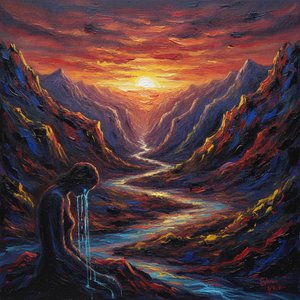
Capturing Emotion: A Journey Through the Soul of Expressionist Landscapes
Explore the profound emotional depth of Expressionist landscapes. Discover how Post-Impressionist masters moved beyond light to capture the soul through vibrant color and form. A curated journey for true art lovers seeking the beauty of expressive mastery.
Udforsk kunstværker organiseret efter temaer, stilarter og karakteristika.


