

 Se i rummet
 Del som kort
 Del
Del
 Detaljer
 Guide
Guide

 Download
 Lignende værker
 Røntgenundersøgelse
 Diasshow
 Spørgsmål og svar
 Statistikker
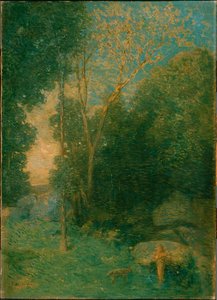
INTERIEUR DE FORET (COMPIEGNE)


Discover 'Interieur de Foret (Compiegne)' by Paul Huet – a captivating Romantic landscape painting. Explore its atmospheric brushstrokes, forest scene & human element. #art #landscapepainting #frenchart
 Vis mere
Paul Huet (1803-1869) var en fransk landskabsmaler kendt for sin romantiske stil og indflydelse på Barbizon & Impressionist kunstnere. Udforsk hans stemningsfulde akvareller og oliemalerier.
Giclée / Kunsttryk
Giclée- eller lærredstryk i museumskvalitet med hurtig produktion og fleksible muligheder for finish. ( Køb håndmalet maleri Skift til digitalt billede)




P118B Dkr10

P118H Dkr10

P118W Dkr10

P438Z Dkr10

P508JH Dkr12

P508YH Dkr12

P805H Dkr10

P805Z Dkr10

P919BZ Dkr10

P919G Dkr10

P919XJ Dkr10

P959ZH Dkr10

P968JZ Dkr12

W106C Dkr8

W218G Dkr10

W218JH Dkr8

W218Y Dkr10

W307PJ Dkr10

W316G Dkr10

W316PJ Dkr8

W316Y Dkr10

W398PJ Dkr8

W4111J Dkr10

W500HY Dkr15

W500JH Dkr15

W692G Dkr12

W849H Dkr8

W940BG Dkr15

W953PJ Dkr8




Standardstørrelse
speciallavet
CM
INCH
Vælg mellem vores forudindstillede størrelser, der matcher kunstværkets originale proportioner.
Loading sizes...

bredde
højde
Indtast den bredde og højde, du har brug for, så det passer til din ramme eller din væg. Et print kan kun beskæres, aldrig gøres større end selve billedet, så en størrelse med et andet format vil medføre, at dele af motivet går tabt. Vi sender dig en digital mockup til godkendelse, før vi printer noget. Billedet vist på denne side viser ikke den faktiske beskæring — det er kun mockuppen, der gør.
Verdensomspændende levering () på 2 uger i stedet for de sædvanlige 4/5 uger. (3 november)

Gratis ekspresforsendelse til hele verden

Lærred af linned i høj kvalitet

Fuld transportforsikring

Garanti for refusion af told og importafgifter

Garanti for præcis farvegengivelse

100 dages returret ved fabrikationsfejl

100% fuld returret

Mængderabat ved flere køb
 Glasmulighed er kun tilgængelig i størrelser under 110 cm

INTERIEUR DE FORET (COMPIEGNE)
Giclée / Kunsttryk
Størrelse på reproduktion
-


Samlet pris
Dkr 467
The Enveloping Mystery of the Woodland
To stand before Paul Huet’s depiction of an interior forest—Intérieur de Forêt (Compiègne)—is not merely to observe a landscape; it is to step through a veil into a moment suspended between light and shadow. The painting immerses the viewer in the profound, almost palpable atmosphere of a dense woodland. Huet masterfully captures the overwhelming presence of nature, where the vertical thrust of countless tree trunks creates an architectural rhythm, guiding the eye deep into the cool embrace of the woods. This is a scene steeped in the Romantic sensibility, suggesting that the forest itself is a character, whispering secrets only to those who listen closely.
A Study in Light and Atmosphere
Technically, Huet’s handling of oil paint is breathtakingly evocative. One can almost feel the texture beneath the surface; the visible brushstrokes speak to an artist deeply engaged with his medium, prioritizing feeling over flawless polish. The light here is not direct but diffused—a celestial curtain filtering through a thick canopy overhead. This dappled illumination creates pockets of ethereal brightness on the forest floor and catches the edges of foliage, giving the scene a luminous quality despite its deep shadows. The palette relies heavily on earthy greens and rich browns, punctuated by those brilliant, almost accidental touches of yellow and white that suggest hope or revelation within the gloom.
Romantic Echoes and Human Presence
Historically, this work situates itself perfectly within the currents of 19th-century Romanticism. Huet, a pioneer whose vision bridged the gap between academic training and the burgeoning spirit of Impressionism, understood that nature was a mirror for the human soul. The inclusion of a small figure, subtly placed near the lower right corner, is crucial. This solitary presence acts as an anchor, providing scale and narrative focus against the immensity of the woods. It suggests contemplation—a moment where humanity pauses before the sublime power of the natural world, finding both solitude and companionship within its embrace.
Symbolism for the Modern Sanctuary
For the contemporary collector or designer, this piece transcends mere decoration; it functions as an emotional conduit. The forest setting symbolizes retreat, introspection, and the enduring connection to something wild and untamed. It speaks to a modern yearning for sanctuary—a place away from the clamor of urban life. Reproducing Intérieur de Forêt allows one to bring that sense of hushed tranquility into a formal interior space, transforming a room into a contemplative haven. The artwork doesn't shout its beauty; it whispers it, inviting quiet reflection upon its textured, deeply atmospheric surface.
Spørgsmål og svar
Hvilken teknik er "INTERIEUR DE FORET (COMPIEGNE)" udført med?
"INTERIEUR DE FORET (COMPIEGNE)" er udført i Oil On Canvas.
Hvor kan jeg se det originale værk "INTERIEUR DE FORET (COMPIEGNE)" af Paul Huet?
"INTERIEUR DE FORET (COMPIEGNE)" af Paul Huet er udstillet på Louvren, Paris, France. Museets fortegnelse henviser til det originale værk og ikke til reproduktioner.
Er "INTERIEUR DE FORET (COMPIEGNE)" typisk for det, som Paul Huet normalt skabte?
"INTERIEUR DE FORET (COMPIEGNE)" skildrer forest landscape, romantic art, natural scene, atmospheric view, tree silhouettes, human figure, tranquil nature, dark woods, mens Paul Huets registrerede temaer er key work in huet's career, demonstrates romantic vision, influential on impressionists, romantic landscape tradition, french barbizon school style, emphasis on atmospheric mood, connection to nature's power, solitude and reflection. En sammenligning af de to viser, hvordan værket relaterer sig til kunstnerens sædvanlige motiver.
Lignende kunstværker



Kunstnerbiografi
Paul Huet: En Pioner inden for Romantisk Landskabsmaleri
Paul Huet (1803-1869) står som en central, dog ofte overset, skikkelse i det 19. århundredes franske kunst – en landskabsmaler, der dybt påvirkede både Barbizon-skolen og de spirende impressionister. Født i Paris midt i et blomstrende kunstnerisk klima, var Huets rejse præget af ubarmhjertig observation, en dyb forbindelse til naturen og et bevidst brud med de herskende neoklassiske tendenser. Hans værker var ikke blot skildringer af landskaber; det var et forsøg på at indfange selve essensen af lyset, atmosfæren og den flygtige skønhed i den naturlige verden – en stræben, der cementerede hans plads som en nøgleinnovatør inden for fransk maleri.Tidlige Indflydelser og Kunstnerisk Træning
Huets kunstneriske udvikling begyndte med et fundament i traditionelle teknikker. Han modtog tidlig undervisning fra Jaques-Louis Davids tidligere elev, Jean-Julien Deltil, efterfulgt af studier ved École des Beaux-Arts under Pierre Guérin og Antoine-Jean Gros. Vigtigst var dog hans skæbner, der krydsede vejen med Richard Parkes Bonington, en medstuderende hos Gros. Dette møde viste sig at være transformerende. Boningtons tilgang til plein-air maleri – arbejde direkte fra naturen – betagte Huet og førte ham til at opgive Neoklassicismens stive formalitet til fordel for en mere spontan og observerende stil. De britiske landskabsmalerier udstillet på Salonen i 1824 fungerede som en åbenbaring; John Constables evne til at gengive friskhed og frodig skønhed uden at ty til mørke skygger eller kunstighed resonerede dybt hos Huet og formede hans egen kunstneriske filosofi. Han beskrev berømt Constables arbejde som “måske første gang, man følte friskheden, man så en luksuriøs, frodig natur, uden sorthed, grovhed eller manierisme.”Barbizon-stilen og de Hollandske Mestre
Huets stil udviklede sig gennem en fascinerende syntese af indflydelser. Han efterlignede i begyndelsen Boningtons akvarelteknik, men hans kunstneriske sans strakte sig langt ud over ren imitation. Han trak inspiration fra de atmosfæriske landskaber hos hollandske mestre som Jacob van Ruysdael og Meindert Hobbema, især deres mesterlige brug af lys og farve til at formidle stemning og atmosfære. Denne beundring for de gamle mestre informerede hans egen tilgang, hvilket resulterede i malerier, der besad en stille værdighed og en bemærkelsesværdig følelse af realisme – ikke fotografisk, men dybt følt. Hans arbejde i denne periode var kendetegnet ved et bevidst brud med akademiske konventioner, hvor han foretrak løs penselføring, livlige farver og en vægt på at indfange naturens umiddelbare indtryk.Salon Anerkendelse og Politisk Indblanding
Huets kunstneriske karriere fik momentum ved sin debut på Salonen i 1827, hvor et af hans otte indsendte malerier blev accepteret. Han fortsatte med at udstille regelmæssigt på Salonen gennem 1830'erne og 40'erne, og byggede gradvist et ry blandt kritikere og samlere. Eugène Delacroix, en kollega og nær ven, støttede Huets arbejde og anerkendte dets unikke kvaliteter. Étienne-Jean Delécluze fremlagde dog et mere kritisk perspektiv, idet han mente, at Huet var for hengiven over for Constable og Turner, og undertiden negligerede grundlæggende kompositionsprincipper. Udover sine kunstneriske bestræbelser var Huet en aktiv deltager i juli-revolutionen i 1830 og blev senere involveret i republikansk politik, hvilket afspejlede Frankrigs turbulente sociale og politiske klima på det tidspunkt. Hans engagement i disse idealer sikrede ham anerkendelse fra Kong Louis-Philippe, der tildelte ham et par Sèvres porcelænvaser i 1844, og en guldmedalje ved Salonen i 1848.Arv og Kunstnerisk Betydning
Paul Huets indflydelse på fransk landskabsmaleri er betydelig. Hans innovative brug af akvarel – ikke kun til skitser, men som et primært medie for færdige værker – demonstrerede dets potentiale til at opnå bemærkelsesværdig dybde og rigdom, ofte lignende oliemalerier. Han var en tidlig fortaler for plein-air maleri, der prioriterede direkte observation af naturen frem for atelierarbejde. Endnu vigtigere var Huets vægt på at indfange lysets og atmosfærens flygtige effekter, hvilket dybt påvirkede Barbizon-skolen og senere impressionisterne. Kunstnere som Théodore Rousseau og Jean-François Millet, der søgte at male direkte fra naturen med fokus på landliv og landskaber, skylder en gæld til Huets pionerarbejde. Hans værk vidner om observationens kraft, enkelhedens skønhed og den vedvarende appel ved at indfange essensen af den naturlige verden. Han døde i Paris i 1869, og efterlod sig et betydeligt oeuvre, der fortsat fanger beskuerens sind med sin stemningsfulde atmosfære og dybe forbindelse til naturen.
Paul Huet
1803 - 1869 , Frankrig
Kort om kunstneren
- Artistic Movement Or Style: Romantisk landskab
- Artists Or Movements Influenced By This Artist:
- Barbizon-skolen
- Impressionisterne
- Artists Who Influenced This Artist:
- Rembrandt
- John Constable
- Eugène Delacroix
- Date Of Birth: 1803-10-03
- Date Of Death: 1869-01-08
- Full Name: Paul Huet
- Nationality: Fransk
- Notable Artworks:
- En villa nær Rom
- Effet du Soir
- Under skov med en dam
- Place Of Birth: Paris, Frankrig
Relaterede artikler

Capturing the Soul: The Emotional Magic and Sublime Grandeur of Romantic Landscape Painting
Explore the profound emotional depth of Romantic landscape painting. Discover how masters like Friedrich and Turner captured the sublime through light, shadow, and nature's power in this expert art history retrospective for discerning collectors.
Capturing the Soul: The Emotional Majesty and Sublime Power of Romantic Landscape Painting
Explore the profound emotional depth of Romantic landscape painting. Discover how masters like Turner and Friedrich captured the sublime power of nature through intuition and imagination in this expert art history retrospective.