Atelier — Gratis fragt til hele verden — Leveringstid 2–6 uger
Sell Your Art Ønskeliste Kurv
PreviewPreview Bestil tryk Bestil trykBestil maleri Bestil maleri DelDel
DetaljerDetaljer Tilføj til favoritter Tilføj til favoritter DownloadDownload Lignende værkerLignende værker RøntgenundersøgelseRøntgenundersøgelse DiasshowDiasshow

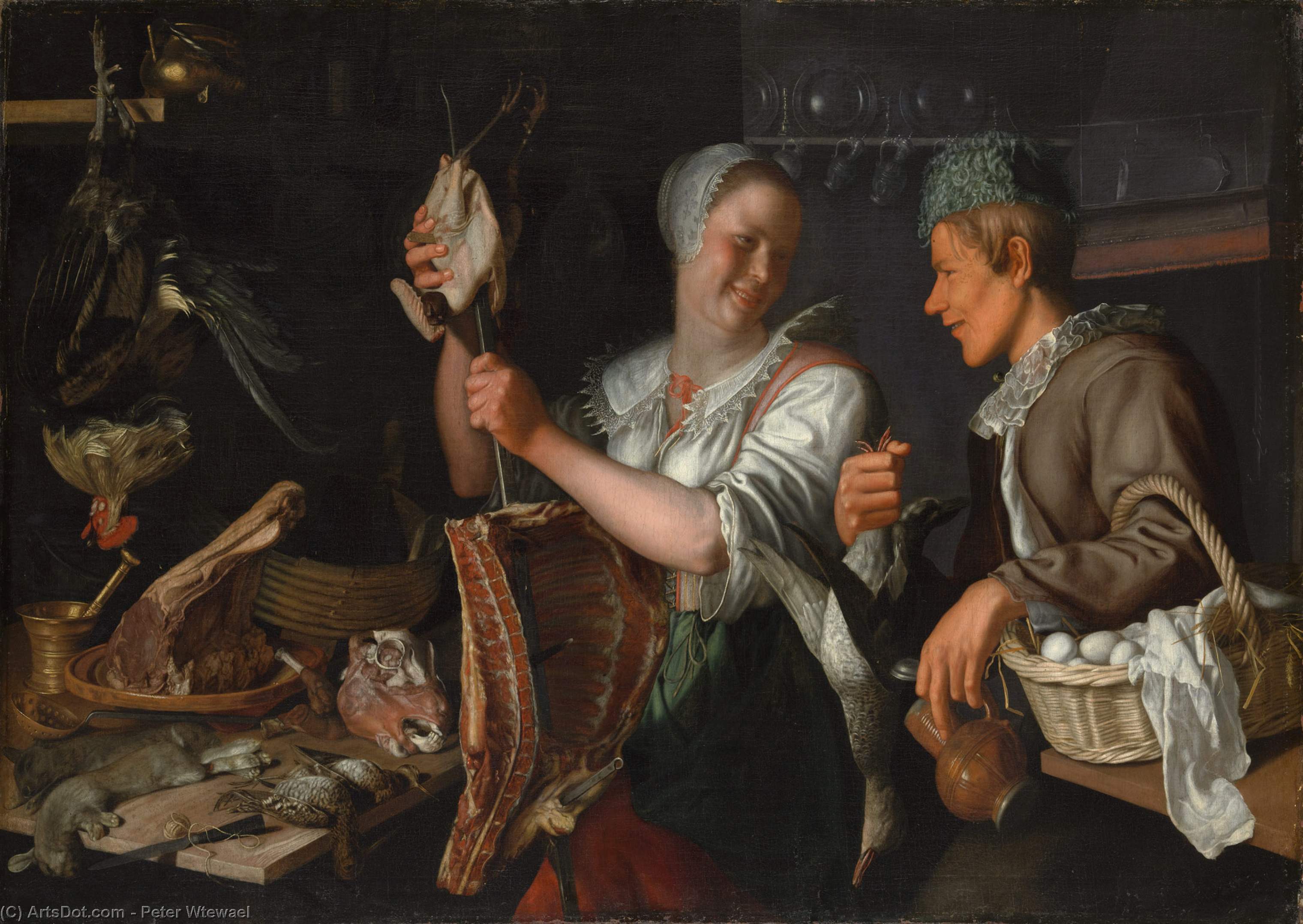
Kitchen Scene

This piece stands out due to its meticulous detail, vibrant color palette, and incorporation of mythological elements. It's a testament to Wtewael's artistic vision and his ability to convey complex emotions through visual storytelling.

Peter Wtewael (1596-1660) was a Dutch Golden Age painter, son of Joachim Wtewael. Known for Caravaggesque kitchen scenes & mythological paintings. Explore his works!

Køb et højopløst, forbedret digitalt billede, der er langt bedre end online-forhåndsvisningen.

Hver fil er omhyggeligt forberedt af vores interne specialister ved hjælp af avancerede værktøjer og ekspertmæssig manuel retuschering. Vi sikrer, at hvert billede har enestående klarhed, præcis farvegengivelse og fine detaljer.

Den endelige fil leveres via e-mail inden for 72 timer og er optimeret til øjeblikkelig brug i professionelle, redaktionelle og trykte miljøer. Det er den samme kvalitet, som førende designstudier, forlag og gallerier har tillid til.

Digitalt billede

Download en højopløselig fil til personlig fremvisning, print og kreative projekter.

Samlet pris

$9.99

Inkluderet i alle ordrer på digitale billeder

Ekspert digital levering, garanteret

Når du vælger TopImpressionists.com, får du ikke blot et billede – du modtager et professionelt optimeret digitalt kunstværk, skabt med præcision og sikret med en tilfredshedsgaranti. Her er alt, hvad din ordre automatisk indeholder:

shipping_icon
Hurtig levering via e-mail

Din højkvalitets digitale billedfil vil blive sendt til din e-mail inden for 72 timer efter bestilling – klar til øjeblikkelig brug.

canvas_icon
AI-optimeret digital fil

Dit kunstværk optimeres professionelt ved hjælp af avancerede AI-værktøjer og manuel redigering, hvilket sikrer maksimal detaljegrad, klarhed og farvenøjagtighed.

insurance_icon
Gratis livslang genlevering

Har du ved en fejl slettet eller mistet din fil? Ingen bekymring – vi sender den igen til enhver tid, helt gratis.

tax_icon
Ingen importgebyrer – nogensinde

Nyd dit kunstværk med det samme uden told, afgifter eller leveringsgebyrer – digitale downloads er altid skattefrie.

color_icon
Garanteret farvenøjagtighed

Vi sikrer, at dit digitale billede gengiver de originale farver så præcist som muligt ved hjælp af professionelle værktøjer og farvestyring.

return_icon
60 dages tilfredshedsgaranti

Hvis du ikke er tilfreds med dit digitale billede, vil vi revidere det eller refundere 100% inden for 60 dage – uden spørgsmål.

guarantee_icon
100% Pengene tilbage-garanti

Ik tilfreds? Få fuld refusion inden for 60 dage efter modtagelse af din digitale fil – uden spørgsmål.

discount_icon
Mængderabat

Køb 3 billeder, spar 10% - Køb 5, spar 15% - Køb 10+, spar 20%. Ideelt til kreative projekter, gallerier og bureauer.

Hurtige fakta

  • Medium: Oil on canvas
  • Artist: Peter Wtewael
  • Influences: Caravaggio
  • Year: 1620s
  • Title: Kitchen Scene
  • Artistic style: Domestic interior realism
  • Dimensions: 44 3/4 x 63 in.

Kunstquiz

Der er kun ét korrekt svar på hvert spørgsmål.

Spørgsmål 1:
What artistic movement heavily influenced Peter Wtewael’s style?
Spørgsmål 2:
Where is the painting ‘Kitchen Scene’ currently housed?
Spørgsmål 3:
What technique did Peter Wtewael employ to create dramatic contrasts between light and dark?
Spørgsmål 4:
According to the description, what is one notable feature of the painting’s depiction of daily life?
Spørgsmål 5:
Who is Peter Wtewael considered a follower of?

Beskrivelse af samlerobjektet

A Glimpse into Domestic Life: The World of Peter Wtewael's Kitchen Scene

To stand before Peter Wtewael’s Kitchen Scene is not merely to observe a painting; it is to step through a painted portal directly into the vibrant, aromatic heart of an early seventeenth-century Dutch household. Painted in 1620, this oil on canvas masterpiece captures daily life with an almost startling immediacy. The air seems thick with the scent of woodsmoke, simmering pots, and fresh ingredients. At the core of the composition are two women, their gestures intimate and conversational, suggesting a moment suspended just before or after a shared task. One woman cradles a plump chicken, while her companion displays a basket brimming with the bounty of the sea and earth—eggs and fish. These figures, perhaps servants or skilled cooks, anchor the viewer in a world defined by tangible labor and communal interaction.

Mastery of Light and Shadow: Technical Brilliance

Wtewael’s technical prowess is immediately apparent, particularly his masterful handling of light. His style bears the unmistakable influence of Caravaggio's dramatic chiaroscuro, lending the entire scene a profound sense of theatricality. The light does not simply illuminate; it sculpts. It falls across the rough textures of the wooden surfaces, catches the sheen on the fish scales, and highlights the folds in the women’s practical garments. This sophisticated use of contrast—the deep, enveloping shadows juxtaposed against brilliant pools of illumination—lends an unparalleled depth to the canvas, transforming a simple domestic setting into a richly textured, almost three-dimensional environment.

The Symbolism of Sustenance and Community

Beyond the mere depiction of chores, this painting resonates with deeper symbolic currents characteristic of Dutch Golden Age genre scenes. The abundance displayed—the fowl, the basket's contents, the scattered utensils—is a quiet testament to prosperity and self-sufficiency. Food, in art history, is rarely just sustenance; it speaks to hospitality, social standing, and the cyclical nature of life itself. Furthermore, the inclusion of the curious cat wandering through the foreground adds an element of untamed domesticity, grounding the human drama within the natural rhythm of the home. It invites contemplation on the interconnectedness of all elements within this bustling microcosm.

Creating a Modern Connection: For the Collector and Designer

For the contemporary admirer, Kitchen Scene offers more than just historical curiosity; it provides an aesthetic blueprint for warmth and lived-in elegance. The meticulous detail—from the weave of the linens to the arrangement of the foodstuffs—speaks to a commitment to quality that transcends time. Owning or reproducing this work allows one to infuse a space with the sophisticated narrative power of Dutch Baroque art. It is a piece that whispers stories of human connection, making it an ideal focal point for those who appreciate history, realism, and the enduring beauty found within the everyday.


Kunstnerens biografi

A Master of Light and Domestic Drama

In the vibrant tapestry of the Dutch Golden Age, few names evoke the intimate tension of a flickering candlelit room quite like Peter Wtewael. Born in Utrecht in 1596, Wtewael was an artist shaped by a profound lineage of creativity; he was the son of the esteemed painter and engraver Joachim Wtewael and the brother of Johan Wtewael. This familial immersion in the arts provided him with more than just technical training—it offered a window into the very soul of Netherlandish visual storytelling. Though his active period as a painter was relatively brief, spanning roughly between 1624 and 1630, the impact of his brushwork remains etched in the history of the Baroque era.

Wtewael’s artistic identity was deeply forged by the revolutionary influence of Caravaggio. He became a dedicated follower of this dramatic style, embracing the technique of tenebrism to transform ordinary subjects into profound psychological studies. By utilizing stark contrasts between deep, swallowing shadows and piercing highlights, he breathed life into his canvases. This mastery of chiaroscroll allowed him to elevate the mundane—a simple kitchen gathering or a piece of fruit—into something monumental and spiritually resonant. His ability to manipulate light created an immersive atmosphere where the viewer feels less like an observer and more like a silent participant in the scene.

The Intimacy of the Kitchen and the Grandeur of Myth

While many of his contemporaries sought the vastness of landscapes, Wtewael found infinite complexity within the confines of domestic interiors. He became a pioneer of the kitchen scene, a genre that allowed him to showcase an extraordinary command of texture and detail. In these works, one can almost feel the cold roughness of stone walls or the glistening, succulent surfaces of meat and pewter. However, beneath this surface-level realism lay a layer of complex symbolism and even risqué humor. His depictions of domestic life often featured subtle visual jokes and erotic undertones, where the abundance of foodstuffs served as an allegory for the pleasures of the flesh, blending the sensual with the everyday.

Beyond the kitchen, Wtewael’s imagination soared into the realm of the mythological and the biblical. He possessed a rare ability to weave complex narratives through gesture and expression, as seen in masterpieces like The Denial of Peter. In these compositions, the dramatic lighting does more than illuminate; it underscores themes of human vulnerability, doubt, and faith. Whether he was painting a jester with a flute or a sacred biblical moment, his work remained anchored in a meticulous observation of the human condition, making him a singular voice in the Utrecht school of painters.

Legacy and Artistic Significance

The true measure of Peter Wtewael’s significance lies in his ability to bridge the gap between the gritty realism of genre painting and the high drama of mythological storytelling. Though his known oeuvre is relatively small—consisting of a handful of signed works and several attributed pieces—each canvas serves as a testament to his technical prowess and emotional depth. His influence can be traced through the evolution of Dutch genre painting, particularly in how he utilized light to imbue domesticity with a sense of the extraordinary.

Today, his contributions are preserved in some of the world's most prestigious institutions, including The Metropolitan Museum of Art, where his kitchen scenes continue to captivate scholars and art lovers alike. Wtewael remains a vital figure for anyone seeking to understand the transformative power of the Baroque period, reminding us that even in the smallest, most shadowed corner of a room, there is a universe of drama waiting to be discovered.

Peter Wtewael

Peter Wtewael

1596 - 1660 , Netherlands

Kort om kunstneren

  • Artistic Movement Or Style: Caravaggesque
  • Artists Or Movements Influenced By This Artist: ['Baroque']
  • Artists Who Influenced This Artist: ['Joachim Wtewael']
  • Date Of Birth: Utrecht, Netherlands (1596)
  • Date Of Death: 1660
  • Full Name: Peter Wtewael
  • Nationality: Dutch
  • Notable Artworks:
    • Denial of Peter
    • The Denial of Peter
  • Place Of Birth: Utrecht
© TopImpressionists.com — Alle rettigheder forbeholdes  ·  100% Håndmalet · Tilfredshed garanteret · Gratis fragt i hele verden
VISA MASTERCARD