


 Se i rummet
 Send
Send Del
Del
 Detaljer
 Studieguide til kunstværker

 Download
 Lignende værker
 Røntgenundersøgelse
 Se diasshow
 Statistik
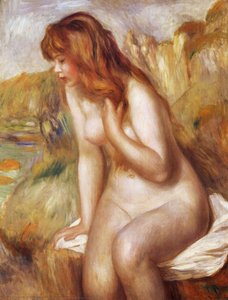
Leaving the Bath


Experience the serene tranquility of Pierre-Auguste Renoir's Impressionist masterpiece Leaving the Bath, a beautiful 1890 depiction of grace and light that invites you to bring timeless elegance into your own collection.
 Læs mere
Pierre-Auguste Renoir: En lysende impressionist maler kendt for sine glade farver, portrætter og skildringer af parisisk liv. Oplev hans ikoniske værker!
Håndlavet oliereproduktion
Håndmalet olie på lærred i din valgte størrelse og ramme, udført efter bestilling af vores kunstnere. ( Skift til printversion Skift til digitalt billede)




P118B Dkr10

P118H Dkr10

P118W Dkr10

P438Z Dkr10

P508JH Dkr12

P508YH Dkr12

P805H Dkr10

P805Z Dkr10

P919BZ Dkr10

P919G Dkr10

P919XJ Dkr10

P959ZH Dkr10

P968JZ Dkr12

W106C Dkr8

W218G Dkr10

W218JH Dkr8

W218Y Dkr10

W307PJ Dkr10

W316G Dkr10

W316PJ Dkr8

W316Y Dkr10

W398PJ Dkr8

W4111J Dkr10

W500HY Dkr15

W500JH Dkr15

W692G Dkr12

W849H Dkr8

W940BG Dkr15

W953PJ Dkr8




Standardstørrelse
speciallavet
CM
INCH
Vælg mellem vores forudindstillede størrelser, der matcher kunstværkets originale proportioner.
Loading sizes...

bredde
højde
Indtast den bredde og højde, du har brug for, så det passer til din ramme eller din væg. Da dette er håndmalet, kan kunstneren ved en anden form på størrelsen male lidt mere rundt om billedet eller skære lidt væk — det er op til dig. Vi sender dig et digitalt mockup til godkendelse, før maleriet påbegyndes. Billedet, der vises på denne side, viser ikke det endelige resultat — det er kun mockuppet, der gør.
Eksempler på tilpasningsmuligheder: Udskift ansigt med kundens eget foto; Tilføj kæledyr (f.eks. udskift kat med hund); Inkluder en skjult besked i baggrunden; Ændr baggrundslandskab eller elementer.
Efter bestilling vil TopImpressionists.com team sende en e-mail til kunden for at indhente instruktioner og fremsende et udkast til gennemgang.
Efter bestilling vil TopImpressionists.com team sende en e-mail til kunden for at indhente instruktioner og fremsende et udkast til gennemgang.
Levering i hele verden () på 3-4 uger i stedet for de standard 5 uger. (23 oktober). Ingen kompromiser med kvaliteten.

Gratis ekspresforsendelse til hele verden

Lærred af linned i høj kvalitet

Komplet transportforsikring

Garanti for refusion af told og importafgifter

Garanti for autentisk farvegengivelse

100 dages returret ved fabrikationsfejl

100% fuld returret

Mængderabat ved flere køb
 Glasmulighed er kun tilgængelig i størrelser under 110 cm

Leaving the Bath
Reproduktionsmateriale
Reproduktionsstørrelse
-


Samlet pris
Dkr 1763
A Serene Encounter with Impressionism
In the soft, dappled light of 1890, Pierre-Auguste Renoir captured a moment that transcends time in his masterpiece, Leaving the Bath. This exquisite work serves as a window into the idyllic Parisian summers, inviting the viewer to step away from the chaos of modern life and into a realm of profound tranquility. The painting centers on a solitary female figure, seated with a grace that feels both intimate and monumental. Draped in a delicate sheet, her posture suggests a quiet moment of reflection following a refreshing dip in the water. Renoir does not merely depict a person; he captures an atmosphere of leisure and peace, where the gentle presence of a potted plant and a subtle floral vase enhance the organic beauty of the scene. The background, a shimmering expanse of water—perhaps a tranquil lake or a slow-moving river—acts as a mirror to the soul, grounding the composition in a sense of eternal stillness.
To gaze upon this work is to experience the very essence of the Impressionist movement. Renoir, a master of light, eschews the rigid, clinical lines of academic tradition in favor of loose, broken brushstrokes that dance across the canvas. This technique allows color to vibrate and light to flicker, mimicking the way the human eye perceives a fleeting moment before it vanishes. There is no heavy-handedness here; instead, there is a luminous quality where thin layers of paint allow the underlying tones to breathe, imbuing the subject's skin with an unparalleled, pearlescent glow. For the collector or interior designer, this technique offers a sensory richness that breathes life into any space, providing a focal point that feels dynamic and alive rather than static.
Historical Resonance and Emotional Depth
The historical significance of Leaving the Bath lies in its quiet rebellion against the formal constraints of the 19th-century Salon. During an era when art was often judged by its adherence to strict realism and historical grandeur, Renoir and his contemporaries sought to redefine beauty through subjective experience and emotional truth. This painting embodies that shift, prioritizing the sensation of warmth, the softness of fabric, and the rhythmic movement of nature over meticulous anatomical precision. It is a celebration of the ephemeral—the way sunlight hits a ripple in the water or the way a shadow falls across a draped limb.
Beyond its technical brilliance, the painting carries a deep emotional resonance that makes it an enduring choice for high-quality reproductions. It evokes feelings of nostalgia, comfort, and a gentle sort of melancholy that is deeply restorative. For those looking to curate an environment of sophistication and calm, this piece offers more than mere decoration; it provides an emotional anchor. Whether placed in a sunlit morning room or a quiet study, the painting’s harmonious palette and soothing subject matter serve as a constant reminder of the beauty found in life's simplest, most quiet intervals.
Spørgsmål & svar
Hvordan finder jeg kunstværker, der minder om "Leaving the Bath" af Pierre-Auguste Renoir?
Værker, der ligner "Leaving the Bath", er listet på kunstværkets Lignende værker-side.
Fra hvilken epoke stammer "Leaving the Bath"?
Den historiske periode for "Leaving the Bath" af Pierre-Auguste Renoir er 19th Century. Denne klassificering placerer værket i kunsthistorien.
Hvilken kunsthistorisk placering har "Leaving the Bath" af Pierre-Auguste Renoir?
Historisk set er "Leaving the Bath" et Impressionism værk fra den bredere 19th Century æra.
Lignende kunstværker




Om kunstneren
Et Liv Badet i Lys: Verden af Pierre-Auguste Renoir
Pierre-Auguste Renoir, født i den provinsielle franske by Limoges i 1841, er et lysende eksempel på en kunstners rejse fra beskedne kår som porcelænsmaler til at blive en fejret mester inden for impressionismen. Hans tidlige liv var præget af et skifte til Paris med sin familie, der søgte økonomiske muligheder – en oplevelse, der dybt formede hans kunstneriske følsomhed. Den pulserende by, med sit levende gadeliv og mangfoldige persongalleri, blev inspirationskilden for meget af hans senere arbejde. I første omgang lærte den unge Renoir at male porcelæn – en praktisk nødvendighed dikteret af økonomiske begrænsninger – men han fandt trøst i hyppige besøg på Louvre, hvor han nøje studerede de gamle mestre og absorberede deres teknikker. Han udviklede en forståelse for skønhed, der skulle blive et kendetegn ved hans stil. Denne tidlige eksponering tændte en passion i ham, der oversteg håndværk; det var et kald til at indfange lysets flygtige kvaliteter og livet på lærredet. Senere blev han optaget på Charles Gleyres atelier, hvor han knyttede livslange venskaber med aspirerende kunstnere som Claude Monet, Alfred Sisley og Frédéric Bazille – et afgørende øjeblik, der lagde grundlaget for impressionistbevægelsen.Fra Realisme til Strålende Impressioner
Renoirs kunstneriske udvikling var en fascinerende proces, påvirket af en række forskellige mestre. Han blev først tiltrukket af Gustave Courbets og Édouard Manets realisme, der beundrede deres engagement i at skildre det samtidige liv med ærlighed og direktehed. Det var dog de lysende paletter og sensuelle former hos Peter Paul Rubens og Jean-Antoine Watteau, der virkelig fangede ham, og som indgav hans arbejde en dyb forståelse for skønhed og en tilbøjelighed til at portrættere scener af glæde og fritid. Disse tidlige påvirkninger kulminerede, da Renoir begyndte at forme sin egen unikke stil, der er karakteriseret ved levende farver, brudte penselstrøg og et fokus på at indfange lysets flygtige effekter. Hans deltagelse i den første impressionistiske udstilling i 1874 var et vendepunkt, selvom det oprindeligt mødte kritik fra traditionelle kunstkredse. Dette dristige træk signalerede en afvisning af akademiske konventioner og en omfavnelse af en ny kunstnerisk vision – en der søgte at indfange ikke kun hvad øjet ser, men hvordan det *føles* at opleve et bestemt øjeblik i tiden. Malerier som Dance at Le Moulin de la Galette (1876) er et eksempel på denne tilgang og fordyber beskueren i den livlige atmosfære i det parisiske natteliv med sit spredte sollys og glade figurer.Indfangning af Livets Flygtige Øjeblikke: Nøgleværker og Temaer
Renoirs oeuvre er en fejring af livets simple fornøjelser – intime sammenkomster, solbeskinnede landskaber og den strålende skønhed i menneskekroppen. Luncheon of the Boating Party (1880-81) står som et af hans mest ikoniske værker, der viser en sammensværgende gruppe, der nyder en afslappet eftermiddag på Seinen. Maleriet er et mesterværk i at indfange lys og bevægelse med figurer badet i varmt sollys og refleksioner, der glimter i vandet. After the Bath (1885-87) viser Renoirs udsøgte evne til at portrættere den kvindelige nøgenhed og fremhæver delikate hudtoner og yndefulde positurer. Hans malerier er ikke blot repræsentationer af virkeligheden; de er gennemsyret af en følelse af varme, intimitet og glæde, der resonerer dybt hos beskueren. Han interesserede sig ikke for store historiske fortællinger eller dramatiske allegorier; i stedet fokuserede han på at indfange den skønhed, der findes i hverdagen, og løfte almindelige øjeblikke til kunstværker. Dance at Bougival, et andet berømt værk, demonstrerer hans evne til at indfange flygtige indtryk og atmosfæriske effekter og skabe en følelse af bevægelse og spontanitet.Et Skift Mod Form og Struktur: Senere År og Arv
I 1890'erne gennemgik Renoirs stil en betydelig forandring. Selvom han aldrig helt opgav sine impressionistiske rødder, begyndte han at bevæge sig mod en mere skulpturel og klassisk tilgang, påvirket af hans rejser til Italien og en fornyet interesse for form og struktur. Dette skift blev også delvist fremprovokeret af fysiske begrænsninger – gigt indskrænkede gradvist hans bevægelsesfrihed og tvang ham til at tilpasse sin teknik. På trods af disse udfordringer fortsatte Renoir med at male med urokkelig dedikation, hvilket resulterede i værker præget af fyldigere figurer og en varmere palet. Hans senere malerier afspejler ofte et mere kontemplativt humør, men de bevarer stadig den samme underliggende fejring af skønhed, der definerede hans tidligere arbejde. Ud over sine kunstneriske præstationer strækker Renoirs arv sig gennem hans familie; hans søn, Jean Renoir, blev en berømt filminstruktør og videreførte en kreativ ånd på tværs af generationer. Pierre-Auguste Renoir døde i 1919 og efterlod et varigt oeuvre, der fortsat inspirerer og glæder publikum over hele verden. Han forbliver en af de mest elskede figurer i kunsthistorien, fejret for sin evne til at indfange livets glæde og den menneskelige oplevelses skønhed med uovertruffen følsomhed og ynde.Varig Indflydelse
- Renoirs indflydelse på efterfølgende generationer af kunstnere er ubestridelig. Hans fokus på lys, farve og indfangning af flygtige øjeblikke banede vejen for mange moderne kunstbevægelser.
- Hans fejring af skønhed og sensualitet resonerer fortsat hos publikum i dag og gør hans arbejde universelt tiltalende.
- Han spillede en afgørende rolle i at etablere impressionismen som en stor kraft inden for kunsthistorien, udfordre traditionelle konventioner og åbne op for nye muligheder for kunstnerisk udtryk.
- Den vedvarende popularitet af hans malerier – gengivet på utallige plakater, kalendere og andre varer – vidner om den tidløse kvalitet i hans arbejde.

Pierre-Auguste Renoir
1841 - 1919 , Frankrig
Hurtige fakta
- Bemærkelsesværdige Værker:
- Dance at Le Moulin de la Galette
- Luncheon of the Boating Party
- After the Bath
- Dødsdato: 3. december 1919
- Fulde Navn: Pierre-Auguste Renoir
- Fødested: Limoges, Frankrig
- Fødselsdato: 25. februar 1841
- Inspireret Af:
- Rubens
- Watteau
- Courbet
- Manet
- Kunstnerisk Stil: Impressionisme
- Nationalitet: Fransk
- Påvirkede Kunstnere: ['Impressionisme']
Relaterede artikler

Dining Room Elegance: Transforming Your Space with Impressionist Masterpieces
Elevate your dining room with the luminous beauty of Impressionist masterpieces. Discover how hand-painted Claude Monet and Renoir reproductions can transform your space into a sanctuary of light, color, and timeless elegance for your home.

The Magic of Lithography: Capturing Light and Texture in Every Impressionist Print
Discover the enchanting world of lithography through an Impressionist lens. Explore how this timeless technique captures the luminous light and delicate textures of masters like Monet and Renoir, offering a profound way to bring art history into your home with elegance and soul.

Soft Light & Velvet Touch: The Ethereal Magic of Pastel Artistry in Impressionist Masterpieces
Discover the ethereal beauty of pastel art through an Impressionist lens. Explore how masters like Monet and Renoir captured light and velvet textures, and learn to curate a collection of luminous, museum-quality masterpieces for your home.
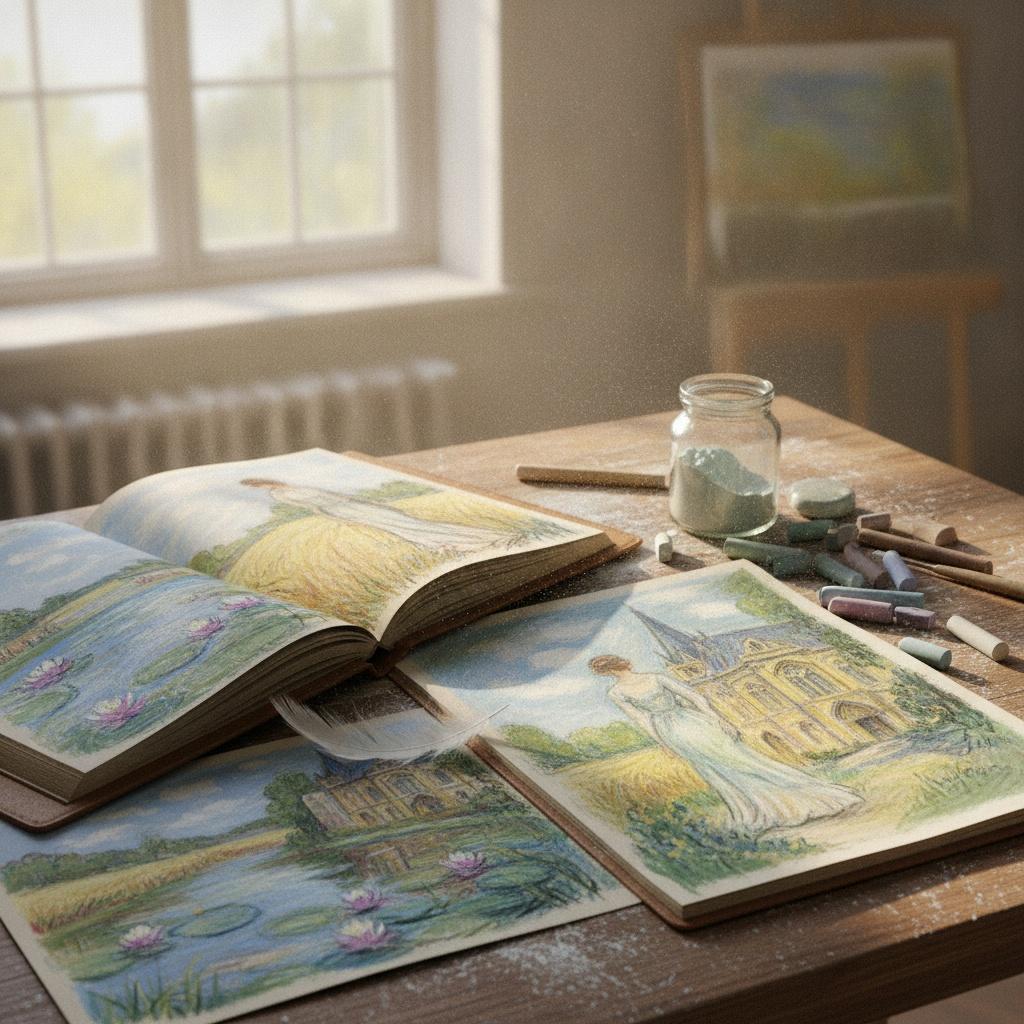
The Soft Magic of Chalk: Capturing Light, Texture, and the Ethereal Soul of Impressionist Masterpieces
Discover the ethereal beauty of pastel and chalk art. Explore how Impressionist masters like Van Gogh and Degas captured light and texture to create timeless, soulful masterpieces for the discerning collector.
Udforsk kunstværker organiseret efter temaer, stilarter og karakteristika.


