

 Se i rummet
 Del som kort
 Del
Del
 Detaljer
 Guide
Guide

 Download
 Lignende værker
 Røntgenundersøgelse
 Diasshow
 Spørgsmål og svar
 Statistikker
Chimneys

- 76.0 x 66.0 cm


A vibrant industrial scene featuring warm yellow and red tones captures life in front of factory smokestacks in this 1950 oil painting by Reinhold Rossig, inviting you to bring a piece of German history into your home.
 Vis mere
German graphite pencil artist Reinhold Rossig creates evocative scenes of GDR life & beyond. Known for works like '10 Years of GDR,' explore his unique perspective.
Kunstværket vist på denne side er beskyttet af ophavsretsloven, hvilket betyder, at vi ikke lovligt kan skabe eller sælge en identisk reproduktion. Denne beskyttelse håndhæves i henhold til internationale aftaler som f.eks. den Bernerkonventionen og af nationale love, herunder de bestemmelser, der er fastlagt i Amerikansk ophavsretslov - Titel 17.
Denne metode overholder fuldt ud ophavsretsreglerne, da den ikke indebærer kopiering eller duplikering af det beskyttede kunstværk. I stedet er der tale om en kreativ nytolkning – et nyt maleri, som er inspireret af det oprindelige, men ikke identisk med det.
Giclée / Kunsttryk
Giclée- eller lærredstryk i museumskvalitet med hurtig produktion og fleksible muligheder for finish. ( Køb håndmalet maleri Skift til digitalt billede)




P118B Dkr10

P118H Dkr10

P118W Dkr10

P438Z Dkr10

P508JH Dkr12

P508YH Dkr12

P805H Dkr10

P805Z Dkr10

P919BZ Dkr10

P919G Dkr10

P919XJ Dkr10

P959ZH Dkr10

P968JZ Dkr12

W106C Dkr8

W218G Dkr10

W218JH Dkr8

W218Y Dkr10

W307PJ Dkr10

W316G Dkr10

W316PJ Dkr8

W316Y Dkr10

W398PJ Dkr8

W4111J Dkr10

W500HY Dkr15

W500JH Dkr15

W692G Dkr12

W849H Dkr8

W940BG Dkr15

W953PJ Dkr8




Standardstørrelse
speciallavet
CM
INCH
Vælg mellem vores forudindstillede størrelser, der matcher kunstværkets originale proportioner.
Loading sizes...

bredde
højde
Indtast den bredde og højde, du har brug for, så det passer til din ramme eller din væg. Et print kan kun beskæres, aldrig gøres større end selve billedet, så en størrelse med et andet format vil medføre, at dele af motivet går tabt. Vi sender dig en digital mockup til godkendelse, før vi printer noget. Billedet vist på denne side viser ikke den faktiske beskæring — det er kun mockuppen, der gør.
Verdensomspændende levering () på 2 uger i stedet for de sædvanlige 4/5 uger. (5 november)

Gratis ekspresforsendelse til hele verden

Lærred af linned i høj kvalitet

Fuld transportforsikring

Garanti for refusion af told og importafgifter

Garanti for præcis farvegengivelse

100 dages returret ved fabrikationsfejl

100% fuld returret

Mængderabat ved flere køb
 Glasmulighed er kun tilgængelig i størrelser under 110 cm

Chimneys
Giclée / Kunsttryk
Størrelse på reproduktion
-


Samlet pris
Dkr 468
An Industrial Symphony in Ochre and Crimson
In the evocative landscape of mid-century German art, few works capture the raw, pulsing energy of the industrial era quite like Reinhold Rossig’s "Chimneys." Created in 1950, this striking piece serves as a window into a transformative period of history, where the smoke of progress and the grit of labor defined the social fabric. The painting presents a compelling scene of three figures positioned before the towering silhouettes of factory smokestacks, their presence grounding the vast, industrial architecture with a sense of human scale. As they gaze toward the looming structures, there is an undeniable tension between the monumental permanence of the industry and the transient nature of the people who inhabit its shadow.
Rossig utilizes a masterful palette dominated by warm, vibrant tones of yellow and red, which breathe a surprising vitality into what could otherwise be a somber subject. This choice of color transforms the industrial landscape from a mere depiction of soot and steel into a glowing, almost rhythmic composition. The warmth of the light suggests a sunset or perhaps the fiery glow of a furnace, casting an amber hue over the entire canvas. Through this technique, the artist elevates the factory from a cold machine of production to a living, breathing entity, inviting the viewer to find beauty within the mechanical heart of the city.
Technique and the Texture of Progress
The technical execution of "Chimneys" showcases Rossig’s profound command over tempera and oil on canvas. By blending these mediums, he achieves a rich, layered texture that allows for both sharp, detailed architectural lines and softer, more atmospheric transitions. The intricate design of the smokestacks is rendered with meticulous care, capturing the structural complexity of the era's engineering. This precision is balanced by a broader, more expressive brushwork in the surrounding environment, creating a sense of depth and movement that draws the eye through the composition.
For the discerning collector or interior designer, this artwork offers a sophisticated interplay of form and color. The piece possesses a unique ability to anchor a room, providing a focal point that is both intellectually stimulating and aesthetically pleasing. Its heavy emphasis on warm tones makes it an ideal selection for spaces designed with a sense of warmth and historical depth, such as a study, a library, or a contemporary living area seeking a touch of mid-century soul. The painting does not merely decorate a wall; it narrates a story of human endeavor and the enduring spirit of the industrial age.
A Poignant Reflection on Social Landscapes
Beyond its visual splendor, "Chimneys" carries a profound emotional weight. As an artist whose work often touched upon the social realities of East Germany, Rossig imbues this scene with a sense of quiet contemplation. The figures in the painting are not merely spectators; they represent the collective identity of a generation shaped by labor and reconstruction. There is a certain dignity in their stance, a silent dialogue between the worker and the work. This layer of symbolism—the intersection of human life and industrial might—makes the piece an enduring masterpiece for those who appreciate art that explores the complex relationship between humanity and its environment.
Spørgsmål og svar
Hvornår blev "Chimneys" skabt, og hvilken stilart tilhører det?
"Chimneys" blev skabt i 1950 som et værk inden for Contemporary Realism-bevægelsen. Datoen og stilen forankrer kunstværket i kunsthistorien.
Er "Chimneys" af Reinhold Rossig et lyst eller et mørkt kunstværk?
Overordnet set er "Chimneys" registreret som bright. Den oplevede lysstyrke beskriver, hvor lyst eller mørkt værket fremstår.
Hvorfor er "Chimneys" af Reinhold Rossig en ideel gave?
"Chimneys" formidler en Nostalgic stemning, og den anbefalede gaveidé er Corporate Gift.
Lignende kunstværker


Kunstnerbiografi
The Visionary Lines of Reinhold Rossig
To encounter the work of Reinhold Rossig is to step into a world where the boundaries between graphic precision and emotional abstraction dissolve. Though his name may not be as widely whispered in mainstream galleries as some of his contemporaries, his artistic legacy offers a profound window into the shifting soul of twentieth-century Germany. Born in 1903, Rossig’s life spanned one of the most turbulent eras in human history, and his art serves as a silent witness to the transition from the experimental fervor of the Weimar Republic to the heavy, ideologically charged atmosphere of the German Democratic Republic (GDR).
Rossig’s early development was marked by an extraordinary versatility that allowed him to navigate multiple artistic languages. His formative years were deeply intertwined with the avant-garde movements of his time; notably, his work reflects the rigorous pedagogical influences of the Bauhaus era. One can see traces of this discipline in his 1929 watercolor, a color wheel exercise derived from the lessons of Wassily Kandinsky. This period of his life was characterized by an exploration of pure form, typography, and the mathematical beauty of color, establishing him as a master of graphic design long before he became a chronicler of social landscapes.
From Graphic Precision to Social Narrative
As the political landscape of Germany shifted, so too did the focus of Rossig’s brush and pencil. While his early career was defined by the sharp, minimalist compositions of modern graphic design—such as his striking posters for The Threepenny Opera—his later works began to pulse with a more visceral, human energy. He moved beyond the purely aesthetic to engage with the weight of existence. In his oil paintings and graphite drawings, there is an unmistakable tension between the structured world of industrial progress and the psychological fragility of the individual.
His ability to capture the essence of German life is perhaps most evident in his depictions of the post-war era. Whether rendering the nostalgic, sun-drenched street scenes of Dresden-Gruna or the imposing, soot-stained industrial landscapes of factory smokestacks, Rossig possessed a unique talent for finding beauty within the mundane and the monumental alike. His work often oscillates between two poles:
- The Observational: Meticulous graphite drawings that document the textures of urban life and the quiet dignity of everyday architecture.
- The Expressive: Surreal, abstract expressionist pieces like Threatening or 10 Years of GDR, where vibrant colors and chaotic interiors reflect the underlying anxieties of a society living under intense political scrutiny.
A Legacy of Complexity and Contrast
The historical significance of Reinhold Rossig lies in his refusal to be confined by a single movement. He was an artist who could master the rigid geometry of a typographical exercise one moment and evoke the haunting, claustrophobic atmosphere of political repression the next. His work Police Terror (1933) stands as a chilling testament to the era's darkness, utilizing oil on canvas to confront the viewer with the visceral reality of state violence.
Ultimately, Rossig’s oeuvre is a tapestry of contradictions: light and shadow, order and chaos, individual and state. He remains a vital figure for collectors and historians alike, offering a nuanced perspective on the German experience through a lens that is both deeply personal and broadly historical. Through his mastery of graphite, watercolor, and oil, he ensured that the fleeting emotions and enduring structures of his era would be preserved in a permanent, evocative artistic record.

Reinhold Rossig
Germany
Kort om kunstneren
- Full Name: Reinhold Rossig
- Nationality: German
- Place Of Birth: Germany
- Notable Artworks:
- Threatening
- The Threepenny Opera in the Komödienhaus
- Original 1931 graphite drawing
- Artistic Movement Or Style: Graphite Pencil
Relaterede artikler

Industriens Sjæl i Kunsten: Top 10 Værker til Dit Hjem
Oplev industriens sjæl i kunsten! Udforsk 10 ikoniske værker fra impressionismen til realismen. Find inspiration til dit hjem og køb museumskvalitets kunsttryk online hos TopImpressionists.com – din kilde til berømte malerier & dekoration.

De 10 mest ikoniske malerier i svampefarver – Kunst til dit hjem | TopImpressionists.dk
Oplev de 10 mest ikoniske malerier i smukke svampefarver! Fra Monet til Van Gogh – lær historierne bag disse tidløse kunstværker og find inspiration til dit hjem. Køb museumskvalitets reproduktioner på TopImpressionists.com.
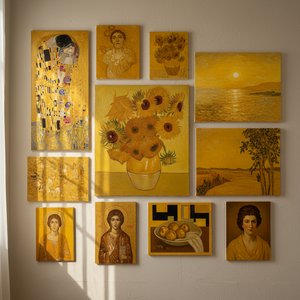
Top 10 Berømte Malerier Domineret af Okkergule Nuancer – Kunst og Indretning
Oplev de 10 mest berømte malerier domineret af okkergule nuancer! Fra Van Gogh til Monet – dyk ned i kunsthistorien og lær om teknikken bag disse tidløse mesterværker. Find din perfekte reproduktion på TopImpressionists.com.

Crimson Threads of Narrative: Exploring Symbolism & Representation in Artworks Featuring the Red Dress
Explore the rich symbolism of the red dress in art history! From ancient power displays to iconic portraits like Cézanne’s 'Madame Cezanne', discover the cultural and artistic significance behind this captivating color. Expert analysis & insights.

Top 10 Berømte Malerier i Sandfarver: Kunst, Historie & Indretning
Oplev top 10 berømte malerier i smukke sandfarver! Fra Monet til Rembrandt – udforsk kunsthistorien, teknikker og inspiration. Find museumskvalitets reproduktioner & dekorer dit hjem med tidløs elegance på TopImpressionists.com.