

 Se i rummet
 Send
Send Del
Del
 Detaljer
 Studieguide til kunstværker

 Download
 Lignende værker
 Røntgenundersøgelse
 Se diasshow
 Statistik
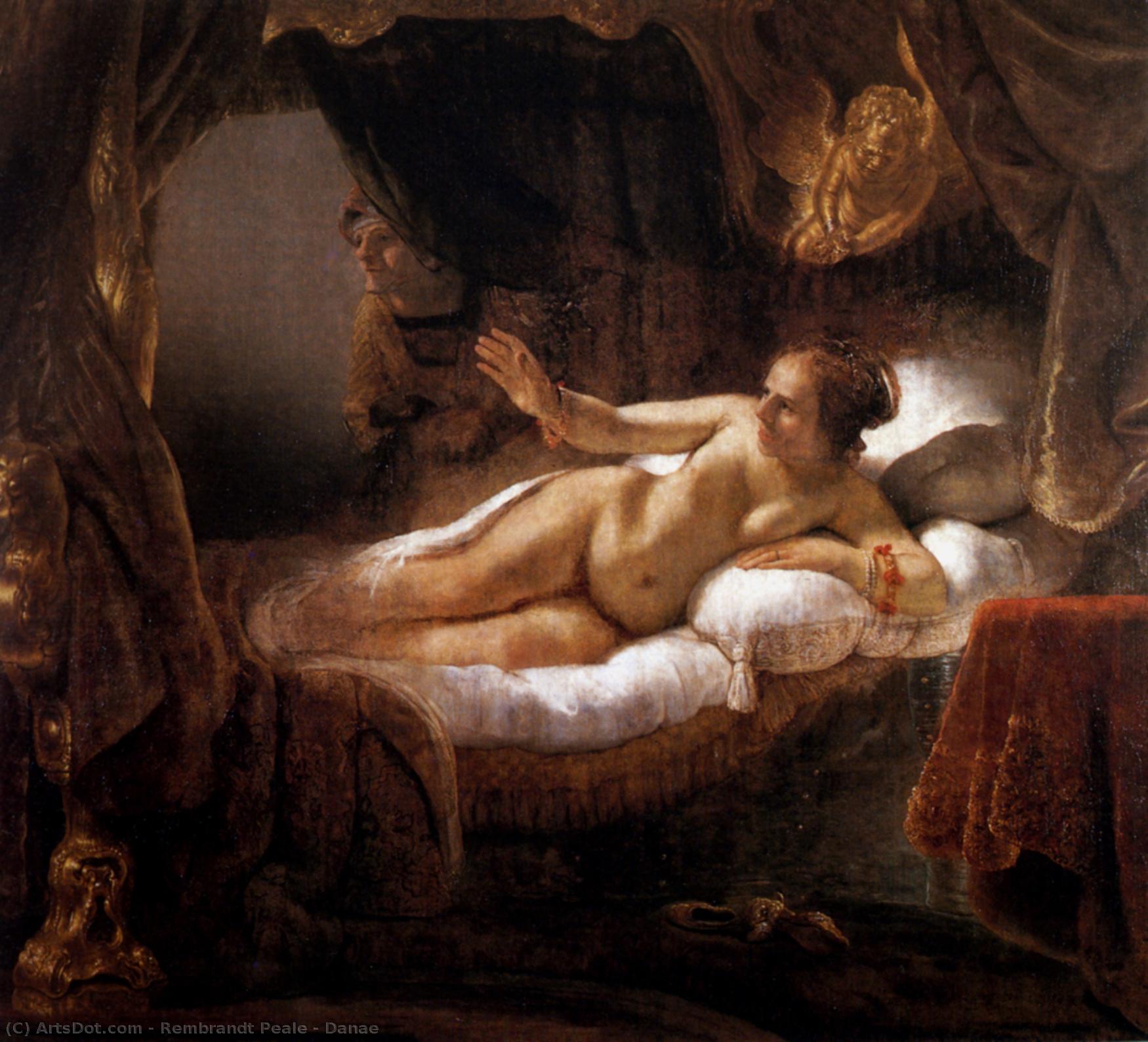
Danae
 Oil On Canvas
- WallArt
- Baroque
 1643
1643 203.0 x 185.0 cm
 Hermitage Museum
Discover Rembrandt Peale’s ‘Danae,’ a dramatic Baroque oil painting of Zeus’s golden rain. Explore its chiaroscuro, opulent details & mythological themes – a stunning masterpiece!
 Læs mere
Rembrandt Peale var en dansk kunstner og museumsstifter kendt for sine præcise portrætter af amerikanske ledere som Washington & Jefferson. Oplev hans neoclassiske stil og arv!
Håndlavet oliereproduktion
Håndmalet olie på lærred i din valgte størrelse og ramme, udført efter bestilling af vores kunstnere. ( Skift til printversion Skift til digitalt billede)




P118B Dkr10

P118H Dkr10

P118W Dkr10

P438Z Dkr10

P508JH Dkr12

P508YH Dkr12

P805H Dkr10

P805Z Dkr10

P919BZ Dkr10

P919G Dkr10

P919XJ Dkr10

P959ZH Dkr10

P968JZ Dkr12

W106C Dkr8

W218G Dkr10

W218JH Dkr8

W218Y Dkr10

W307PJ Dkr10

W316G Dkr10

W316PJ Dkr8

W316Y Dkr10

W398PJ Dkr8

W4111J Dkr10

W500HY Dkr15

W500JH Dkr15

W692G Dkr12

W849H Dkr8

W940BG Dkr15

W953PJ Dkr8




Standardstørrelse
speciallavet
CM
INCH
Vælg mellem vores forudindstillede størrelser, der matcher kunstværkets originale proportioner.
Loading sizes...

bredde
højde
Indtast den bredde og højde, du har brug for, så det passer til din ramme eller din væg. Da dette er håndmalet, kan kunstneren ved en anden form på størrelsen male lidt mere rundt om billedet eller skære lidt væk — det er op til dig. Vi sender dig et digitalt mockup til godkendelse, før maleriet påbegyndes. Billedet, der vises på denne side, viser ikke det endelige resultat — det er kun mockuppet, der gør.
Eksempler på tilpasningsmuligheder: Udskift ansigt med kundens eget foto; Tilføj kæledyr (f.eks. udskift kat med hund); Inkluder en skjult besked i baggrunden; Ændr baggrundslandskab eller elementer.
Efter bestilling vil TopImpressionists.com team sende en e-mail til kunden for at indhente instruktioner og fremsende et udkast til gennemgang.
Efter bestilling vil TopImpressionists.com team sende en e-mail til kunden for at indhente instruktioner og fremsende et udkast til gennemgang.
Levering i hele verden () på 3-4 uger i stedet for de standard 5 uger. (22 oktober). Ingen kompromiser med kvaliteten.

Gratis ekspresforsendelse til hele verden

Lærred af linned i høj kvalitet

Komplet transportforsikring

Garanti for refusion af told og importafgifter

Garanti for autentisk farvegengivelse

100 dages returret ved fabrikationsfejl

100% fuld returret

Mængderabat ved flere køb
 Glasmulighed er kun tilgængelig i størrelser under 110 cm

Danae
Reproduktionsmateriale
Reproduktionsstørrelse
-


Samlet pris
Dkr 1927
Danae: A Baroque Drama of Divine Desire
Rembrandt Peale’s “Danaë,” painted in 1643, is not merely a depiction of Greek mythology; it's a visceral exploration of desire, vulnerability, and the unsettling power of the divine. This arresting oil on canvas immediately commands attention with its dramatic chiaroscuro – a masterful manipulation of light and shadow that plunges the scene into an opulent, almost suffocating darkness, punctuated by the radiant glow of Zeus’s golden rain. The painting's mood is profoundly evocative, hinting at both beauty and impending doom, a hallmark of the Baroque style which Peale expertly employs.
At the heart of the composition lies Danaë, reclining on a luxurious bed draped in rich fabrics and adorned with pillows. Her nudity, while undeniably provocative, isn’t presented as overtly sensual; rather, it emphasizes her vulnerability and passive acceptance of fate. The sheer curtain partially concealing her body subtly reveals the descending golden rain – not a gentle blessing, but a torrent of shimmering light that feels both miraculous and threatening. This visual paradox is crucial to understanding the painting's central theme: the precarious balance between divine gift and potential corruption.
The Anatomy of Baroque Drama
Peale’s technical skill is evident in every brushstroke. The impasto technique – building up thick layers of paint – creates a remarkable sense of texture, particularly in the drapery and the swirling golden rain. These areas practically leap off the canvas, drawing the viewer into the scene with an almost tactile quality. The use of line is equally deliberate; flowing lines define the luxurious fabrics, while sharp, angular lines delineate the architectural elements within the chamber, creating a dynamic interplay between organic curves and geometric precision.
Furthermore, Peale’s understanding of perspective is subtly flattened, prioritizing emotional impact over strict realism. This choice contributes to the painting's dreamlike quality, intensifying the sense of drama and heightening the viewer’s engagement with the narrative. The lighting itself – a strong directional light illuminating Danaë’s face and upper body – serves to heighten her importance within the composition while simultaneously shrouding the background in shadow, creating an atmosphere of mystery and foreboding.
Mythological Symbolism and Historical Context
“Danaë” is rooted firmly in Greek mythology. The story recounts how Zeus, disguised as a shower of golden rain, seduced Danaë, daughter of King Aetius, and fathered Perseus, the hero who would later slay Medusa. The golden rain isn’t simply a symbol of fertility; it represents Zeus's divine intervention – an irresistible force that disrupts the natural order and exposes Danaë to his desires. The painting captures this moment of transgression and the subsequent consequences for both woman and family.
Painted during a period of intense artistic experimentation, “Danaë” reflects the influence of the Dutch Baroque masters, particularly Rembrandt van Rijn (hence Peale’s namesake). However, Peale adapts these influences to create a distinctly American style. The painting also speaks to the broader cultural anxieties of the time – concerns about unchecked power, the role of women in society, and the relationship between humanity and the divine. It's important to note that Peale was part of a burgeoning artistic community in Philadelphia, and his work contributed significantly to the development of American portraiture and landscape painting.
A Legacy of Likeness: The Peale Museum Connection
Rembrandt Peale’s legacy extends beyond this single masterpiece. He was a pivotal figure in establishing America's first museum – The Peale Museum – alongside his father, Charles Willson Peale. This institution, dedicated to showcasing art, natural history, and scientific specimens, played a crucial role in fostering public engagement with the arts and sciences. The museum itself stands as a testament to Peale’s commitment to education and cultural enrichment. Reproductions of works like “Danae” are now available through TopImpressionists.com, allowing enthusiasts worldwide to experience the power and beauty of this iconic painting.
Spørgsmål & svar
Hvad er den dominerende farve i "Danae" af Rembrandt Peale?
Black (#140a09) er den dominerende farve i "Danae" af Rembrandt Peale.
Kan jeg undersøge "Danae" mere detaljeret?
"Danae" kan undersøges lag for lag på værkets Røntgenundersøgelse-side, en viewer inspireret af en konservators lysbænk med elleve optiske gennemlæsninger af billedet.
Hvilken følelse skaber farverne i "Danae" af Rembrandt Peale?
"Danae" af Rembrandt Peale kombinerer en Earthy farvepalet med en Melancholic tone.
Om kunstneren
En Fremkomst i Kunstens Lys – Rembrandt Peales Tidlige Liv
Rembrandt Peale, født i Bucks County, Pennsylvania, i 1778, var en del af en kunstnerisk familie, der satte sit præg på den tidlige amerikanske kunstscene. Hans far, Charles Willson Peale, var mere end blot en maler; han var en kulturel kraft – en maler, museumstifter og en stærk fortaler for kunstens betydning i at forme national identitet. Indenfor dette stimulerende miljø modtog Rembrandt sin grundlæggende uddannelse, side om side med sine søskende, lærende teknikkerne til portrættering og landskabsmaleri fra farens dygtige hånd. Selve navnet “Rembrandt”, der ekkoede den hollandske mester Harmenszoon van Rijn, signalerede Charles Willson Peales ambitioner for sin søn – et håb om, at han ville videreføre en tradition af kunstnerisk excellence. Fra en utrolig ung alder demonstrerede Rembrandt bemærkelsesværdig dygtighed, og fuldførte sit første self-portrait allerede klokken 13 år gammel, et værk der allerede antydede præcisionen og ambitionerne, der ville karakterisere hans modne stil. Dette tidlige stykke var ikke blot en demonstration af teknisk kunnen; det var en erklæring om hensigt – en ung kunstner, der erklærede sin tilstedeværelse på den amerikanske kunstscene.
Neoklassisk Indflydelse og Paris’s Omfang
Rembrandts kunstneriske rejse førte ham til Paris i sine tidlige tredive år, en afgørende oplevelse, der dybtgående formede hans æstetiske sansninger. Fordybende sig i hjertet af europæisk kultur, mødte han de gældende strømme af fransk neoklassicisme – en stil, der understregede orden, klarhed og en tilbagevenden til klassiske idealer. Denne indflydelse er tydeligt afspejlet i Peales efterfølgende arbejde, karakteriseret ved hans raffinerede håndværk, afbalancerede kompositioner og omhyggelige opmærksomhed på detaljer. Mens farens portrætter ofte besad en vis rustik vitalitet, skænkede Rembrandts dem en mere poleret og idealiseret repræsentation af deres emner. Han adopterede encaustic-teknikken i denne periode, en gammel metode, der anvendte voks som medium, demonstrerede dermed en forpligtelse til at udforske innovative tilgange til maleri. Men Peale kopierede ikke blot europæiske stilarter; han tilpassede dem til den amerikanske kontekst og skabte portrætter, der afspejlede nationens udviklende følelse af identitet og dens ambitioner om kulturel uafhængighed. Hans dedikation til at fange nøjagtige ligheder, kombineret med hans neoklassiske uddannelse, gjorde det muligt for ham at skabe billeder, der var både æstetisk tiltalende og historisk betydningsfulde.En Produktiv Portrættist – Fangelse af en Æra
Rembrandt Peales karriere var bemærkelsesværdig produktiv, præget af en utrættelig søgen efter kunstnerisk perfektion og en dedikation til at dokumentere de fremtrædende figurer i sin tid. Han blev især kendt for sine portrætter af George Washington, hvor han skabte over syvogtres replikaer af det ikoniske “Patriae Pater” (Faderen til Nationen). Disse billeder var ikke blot repræsentationer af fysisk udseende; de var omhyggeligt konstruerede symboler på national stolthed og lederskab. Peale forstod portrætturens kraft til at forme offentlig opfattelse og bidrage til skabelsen af en kollektiv hukommelse. Ud over Washington malede han mange andre indflydelsesrige personer, herunder Thomas Jefferson, John Calhoun og forskellige medlemmer af den amerikanske elite. Hans portrætter var ikke begrænset til politiske figurer; han fangede også lighederne hos almindelige borgere, hvilket gav et glimt ind i livet og ambitionerne hos hverdagsmennesker. Man with a Beard, selvom det ikke er dateret, illustrerer hans dygtighed til at fange individets karakter og psykologiske dybde. Hver penselstrøg afslører ikke kun fysiske træk, men antyder også emnets indre liv.Museumstifter og Et Arv af Uddannelse
Rembrandt Peales bidrag udgik ikke kun fra maleriet; han var en visionær museumsfar, drevet af et ønske om at uddanne offentligheden og fremme kunstnerisk værdsættelse. I 1814 etablerede han sit første museum i Baltimore, Maryland – en banebrydende institution, der tjente som en forløber for mange moderne kunstmuseer. Dette var ikke blot en galleri til at udstille kunstværker; det var koncepteret som et center for læring, der tilbød udstillinger af malerier, skulpturer og naturhistoriske prøver. Museet blev senere Baltimore City Hall, før det blev restaureret som Peale Museum, fortsatte dermed hans arv af offentlig tjeneste gennem kunst. Hans dedikation til at gøre kunst tilgængelig for alle afspejler en dybt rodfæstet overbevisning om dens transformative kraft. I dag er Rembrandt Peales værker udstillet i prestigefyldte samlinger rundt om verden, herunder National Portrait Gallery i Washington D.C., og fortsætter med at blive fejret for deres historiske betydning og kunstneriske værd. Hans indflydelse kan ses i arbejdet hos efterfølgende generationer af amerikanske portrættister, hvilket cementerer hans plads som en central figur i nationens kunsthistorie.Et Varigt Indtryk
Rembrandt Peales liv var dedikeret til både kunstnerisk skabelse og kulturel berigelse. Han var ikke blot en maler; han var en historiker, en lærer og en fortaler for kunstens kraft. Hans portrætter giver værdifulde indsigter i personlighederne og værdierne i sin tid, mens hans museum tjente som et fyrtårn af oplysning i et hurtigt skiftende land. Hans arv lever videre ikke kun gennem sine mange værker, men også gennem hans banebrydende ånd og hans urokkelige engagement i kunstens kraft. Han efterlod sig en samling værker, der fortsat inspirerer og fanger publikums opmærksomhed i dag, minder os om vigtigheden af at bevare vores kulturelle arv og fejre resultaterne af dem, der kom før os.
Rembrandt Peale
1778 - 1860 , USA
Hurtige fakta
- Artistic Movement Or Style: Neoklassisk
- Artists Or Movements Influenced By This Artist: ['Fransk Neoklassikisme']
- Artists Who Influenced This Artist: ['Rembrandt van Rijn']
- Date Of Birth: 22 feb 1778
- Date Of Death: 3 okt 1860
- Full Name: Rembrandt Peale
- Nationality: Amerikaner
- Notable Artworks:
- George Washington
- Thomas Jefferson
- Place Of Birth: Bucks County, USA
Relaterede artikler

Rembrandts lys og skygge: En udforskning af chiaroscuro-teknikkens mesterskab
Oplev mesterskabet bag Rembrandts chiaroscuro og lysets dramatik i barokken. Dyk ned i teknikken her.
Udforsk kunstværker organiseret efter temaer, stilarter og karakteristika.


