


 Vorschau anzeigen
 Versenden
 Teilen
 Details anzeigen
 Leitfaden

 Herunterladen
 Ähnliche Objekte
 Röntgenaufnahme
 Diashow
 Statistiken
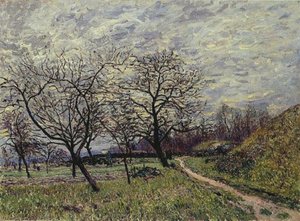
Abandoned Cottage
 Oil On Canvas
- WallArt
- Impressionism
 1894
1894 65.0 x 81.0 cm
Alfred Sisley’s ‘Abandoned Cottage’ captures rural tranquility in Impressionist brushstrokes. Explore this 1894 oil painting's serene beauty & Sisley’s masterful light, color, and technique.
 Weiterlesen
Alfred Sisley (1839-1899): Französischer Impressionist, der mit ruhigen Landschaftsbildern & Lichtspielen begeistert. Entdecken Sie friedliche Szenen aus Frankreich! #Sisley #Impressionismus
Giclée / Kunstdruck
Giclée- oder Leinwanddruck in Museumsqualität mit schneller Produktion und flexiblen Veredelungsoptionen. ( Handgemalte Reproduktion bestellen Zum digitalen Bild wechseln)




P118B €10

P118H €10

P118W €10

P438Z €10

P508JH €12

P508YH €12

P805H €10

P805Z €10

P919BZ €10

P919G €10

P919XJ €10

P959ZH €10

P968JZ €12

W106C €8

W218G €10

W218JH €8

W218Y €10

W307PJ €10

W316G €10

W316PJ €8

W316Y €10

W398PJ €8

W4111J €10

W500HY €15

W500JH €15

W692G €12

W849H €8

W940BG €15

W953PJ €8




Standardformat
individuell anpassbar
CM
INCH
Wählen Sie aus unseren vordefinierten Formaten, die den ursprünglichen Proportionen des Kunstwerks entsprechen.
Loading sizes...

Breite
Höhe
Geben Sie die benötigte Breite und Höhe an, damit der Druck perfekt in Ihren Rahmen oder an Ihre Wand passt. Ein Druck kann nur beschnitten, aber niemals größer als das Originalbild angefertigt werden; daher verliert ein Format mit anderen Proportionen einen Teil des Bildes. Wir senden Ihnen ein digitales Mockup zur Freigabe, bevor wir den Druck ausführen. Das auf dieser Seite gezeigte Bild zeigt nicht den tatsächlichen Beschnitt – dies ist nur im Mockup ersichtlich.
Weltweiter Versand () innerhalb von 2 Wochen statt der üblichen 4/5 Wochen. (26 Oktober)

Kostenloser weltweiter Expressversand

Hochwertige Leinenleinwand

Umfassender Versicherungsschutz beim Versand

Zollgebühren-Rückerstattungsgarantie

Garantie für exakte Farbtreue

100 Tage Rückgaberecht (nur bei Mängeln)

100% Geld-zurück-Garantie

Mengenrabatt verfügbar
 Die Glasoption ist nur für Größen unter 110 cm verfügbar.

Abandoned Cottage
Giclée / Kunstdruck
Format der Reproduktion
-


Endpreis
€ 61
A Moment Frozen in Time: Alfred Sisley's Abandoned Cottage
- Subject Matter: At its heart, "Abandoned Cottage" is a tender meditation on the quiet beauty of rural life. Alfred Sisley masterfully captures a humble thatched cottage nestled within a serene landscape – a scene brimming with wildflowers and rolling hills under an overcast sky. The painting isn't about grand architecture or dramatic events; it’s about the simple dignity of everyday existence, a poignant reminder of connection to nature and tradition.
- Impressionist Style: Sisley was a key figure in the Impressionist movement, and this work exemplifies its core tenets. He eschews meticulous detail in favor of capturing fleeting moments of light and atmosphere. The loose brushstrokes, characteristic of the style, create a sense of movement and immediacy, inviting the viewer to step into the scene and experience it as Sisley did – a sensory immersion rather than a purely observational one.
Technique and Materials: A Dance with Light
- Oil on Canvas: The painting is executed in oil on canvas, a technique favored by Sisley for its ability to blend colors seamlessly and create rich textures. Notice the short, broken brushstrokes that build up layers of color – a deliberate choice designed to capture the effects of light and shadow with remarkable accuracy.
- Color Palette: The artist employs a muted palette dominated by earth tones—greens, browns, and blues—with subtle touches of brighter hues reflecting the wildflowers and sky. This restrained use of color contributes significantly to the painting’s tranquil mood, enhancing its sense of serenity.
- Brushwork: Sisley's brushwork is remarkably delicate, almost feathery in places, particularly when depicting the thatched roof and surrounding foliage. These soft strokes contribute to the overall impression of lightness and airiness, further emphasizing the scene's peaceful atmosphere.
Historical Context and Artistic Significance
- The Impressionist Movement: Created in 1894, "Abandoned Cottage" reflects the broader artistic currents of its time. Sisley was a key member of the Société des Artistes Indépendants, a group that championed independent artistic expression and challenged the conventions of academic art.
- Sisley's Legacy: Alongside Monet, Renoir, and Pissarro, Sisley played a crucial role in shaping the Impressionist movement. His focus on light and color, combined with his sensitive portrayal of rural landscapes, established him as one of the most important artists of the era. The painting’s influence can be seen in subsequent generations of landscape painters.
- Related Works: The painting's themes align closely with other works by Sisley, such as "Church at Moret after the Rain" and “The Church at Moret, Afternoon,” demonstrating his consistent approach to capturing light and atmosphere within a rural setting.
Symbolism and Emotional Impact
- The Cottage as Symbol: The abandoned cottage itself carries symbolic weight, representing not just a physical structure but also a connection to tradition, heritage, and the simple pleasures of life. It evokes a sense of nostalgia and invites contemplation about the passage of time.
- Serenity and Tranquility: Ultimately, "Abandoned Cottage" is a painting that exudes serenity and tranquility. Sisley’s masterful use of light, color, and brushwork creates an atmosphere of profound peace, inviting viewers to escape the stresses of modern life and immerse themselves in the beauty of nature.
Fragen & Antworten
Gehört "Abandoned Cottage" zu den beliebtesten Werken von Alfred Sisley?
"Abandoned Cottage" wird als Recognized eingestuft.
In welcher Ausrichtung liegt "Abandoned Cottage" von Alfred Sisley vor?
"Abandoned Cottage" von Alfred Sisley hat ein Landscape-Format. Das Format beschreibt die Proportionen der Komposition.
Ist Alfred Sisley, der Schöpfer von „Abandoned Cottage“, unter anderen Namen bekannt?
Alfred Sisley ist auch unter den Namen Alfred Arthur Sisley bekannt.
Ähnliche Kunstwerke




Künstlerbiografie
Alfred Sisley: Ein Leben für den Impressionismus
Frühes Leben und Ausbildung
- Alfred Sisley wurde am 30. Oktober 1839 in Paris als Sohn von William Sisley, einem Seidenhändler, und Felicia Sell, einer Musikkennerin, geboren.
- Im Jahr 1857 zog er im Alter von 18 Jahren nach London, um eine Karriere im Geschäftsleben zu verfolgen, gab diesen Beruf aber bald auf.
- Er kehrte 1861 nach Paris zurück und begann 1862 seine künstlerische Ausbildung unter dem Schweizer Künstler Marc-Charles-Gabriel Gleyre an der École des Beaux-Arts.
- Dort befreundete er sich mit den Künstlern Frédéric Bazille, Claude Monet und Pierre-Auguste Renoir, was entscheidende Beziehungen bildete, die seinen künstlerischen Weg prägten.
Künstlerische Entwicklung und Stil
- Sisley widmete sich ganz der Landschaftsmalerei en plein air – im Freien, direkt unter Beobachtung der Natur.
- Seine frühen Werke wurden zunächst von der Jury des Salon abgelehnt, aber er ließ sich nicht entmutigen, getrieben von seiner Leidenschaft, flüchtige Momente von Licht und Atmosphäre einzufangen.
- Er konzentrierte sich während seiner gesamten Karriere konsequent auf die Landschaftsmalerei, im Gegensatz zu einigen Impressionisten, die andere Genres erkundeten.
- Sisleys Stil zeichnet sich durch Ruhe, zarte Farbpaletten – oft blasse Schattierungen von Grün, Rosa, Violett, staubigem Blau und Creme – und eine subtile Wiedergabe von Lichteffekten aus.
Wichtige Themen und bemerkenswerte Werke
- Flusslandschaften waren ein wiederkehrendes Thema in Sisleys Werk. Er schuf eine Reihe von Gemälden der Themse während einer Reise nach England im Jahr 1874 und fertigte in der Nähe von Molesey fast zwanzig Arbeiten an.
- Er stellte häufig Szenen rund um Moret-sur-Loing dar, wo er viele Jahre lebte, und fing seine Kanäle, Brücken und die umliegende Landschaft ein.
- Bemerkenswerte Gemälde sind „Die Wassermühle in der Nähe von Moret“, „Bargen auf dem Loingkanal, Frühling“, „Felder rund um den Wald“ und „Das Dorf Sablons“.
- Seine Ausdruckskraft und Farbintensität stiegen im Laufe der Zeit, was zu immer ausgefeilteren Landschaften führte.
Einflüsse und Vermächtnis
- Sisley wurde von Gleyres akademischer Ausbildung und der Kameradschaft beeinflusst, die er mit Monet, Renoir und Bazille fand.
- Er teilte eine ähnliche künstlerische Vision mit anderen Impressionisten, wobei der Schwerpunkt auf der Erfassung der vergänglichen Qualitäten von Licht und Atmosphäre lag.
- Obwohl er zu Lebzeiten weniger kommerziell erfolgreich war als einige seiner Zeitgenossen, werden Sisleys Werke heute für ihre Schönheit, Sensibilität und sein Engagement für die Darstellung der Natur hoch geschätzt.
- Er beeinflusste spätere Generationen von Landschaftsmalern mit seinem subtilen Ansatz in Bezug auf Farbe und Licht.
Späteres Leben und historische Bedeutung
- Sisley beantragte 1897 die französische Staatsbürgerschaft, wurde aber abgelehnt, was eine persönliche Enttäuschung darstellte.
- Er starb am 29. Januar 1899 im Alter von 59 Jahren in Moret-sur-Loing.
- Obwohl seine Studentenarbeiten verloren sind, werden seine reifen Landschaften weiterhin als Paradebeispiele impressionistischer Landschaftsmalerei gefeiert.
- Sisleys unerschütterliches Engagement für die Erfassung der Schönheit der Natur und seine verfeinerte Technik festigen seinen Platz als bedeutende Figur in der Kunstgeschichte.

Alfred Sisley
1839 - 1899 , Frankreich
Kurzinfos
- Beeinflusste Künstler:
- Marc-Charles-Gabriel Gleyre
- Claude Monet
- Pierre-Auguste Renoir
- Frédéric Bazille
- Bemerkenswerte Werke:
- Mühle in Moret
- Bargen auf dem Loingkanal
- Felder um den Wald
- Das Dorf Sablons
- Geburtsdatum: 30. Oktober 1839
- Geburtsort: Paris, Frankreich
- Künstlerische Bewegung: Impressionismus
- Nationalität: Britisch-Französisch
- Sterbedatum: 29. Januar 1899
- Vollständiger Name: Alfred Sisley
Ähnliche Artikel

Capturing Emotion: A Journey Through the Soul of Expressionist Landscapes
Explore the profound emotional depth of Expressionist landscapes. Discover how Post-Impressionist masters moved beyond light to capture the soul through vibrant color and form. A curated journey for true art lovers seeking the beauty of expressive mastery.
Entdecken Sie Kunstwerke, die nach Themen, Stilen und Merkmalen sortiert sind.


