


 In echtem Maßstab anzeigen
 Versenden als Grußkarte
 Teilen
 Details anzeigen
 Leitfaden öffnen

 Herunterladen
 Ähnliche Objekte
 Röntgenaufnahme
 Diashow
 Besucherstatistiken
Max Jacob (1876-1944)
 Öl auf Leinwand
- Wandkunst
- Cubist Influence
 1917
1917- Hochmittelalter
 92.0 x 60.0 cm
Amedeo Modigliani's melancholic portrait of Max Jacob, a French poet. Influenced by Cubism & African sculpture, this 1917 masterpiece showcases elongated forms and muted tones – a haunting glimpse into an artist’s soul.
 Mehr anzeigen
Erkunden Sie die fesselnde Kunst von Amedeo Modigliani (1884-1920), einem Meister der Porträtmalerei und Skulptur. Entdecken Sie seine charakteristischen verlängerten Formen, seinen Expressionismus und seinen bleibenden Einfluss auf die moderne Kunst. #Modigliani #Expressionismus #Kunstgeschichte
Handgefertigte Ölreproduktion
Handgemaltes Ölgemälde auf Leinwand in Ihrer Wunschgröße und mit Rahmen, auf Bestellung von unseren Künstlern angefertigt. ( Zum Druck wechseln Zum digitalen Bild wechseln)




P118B €10

P118H €10

P118W €10

P438Z €10

P508JH €12

P508YH €12

P805H €10

P805Z €10

P919BZ €10

P919G €10

P919XJ €10

P959ZH €10

P968JZ €12

W106C €8

W218G €10

W218JH €8

W218Y €10

W307PJ €10

W316G €10

W316PJ €8

W316Y €10

W398PJ €8

W4111J €10

W500HY €15

W500JH €15

W692G €12

W849H €8

W940BG €15

W953PJ €8




Standardformat
individuell anpassbar
CM
INCH
Wählen Sie aus unseren vordefinierten Formaten, die den ursprünglichen Proportionen des Kunstwerks entsprechen.
Loading sizes...

Breite
Höhe
Geben Sie die Breite und die Höhe an, die Sie für Ihren Rahmen oder Ihre Wand benötigen. Da dieses Werk handgemalt ist, kann der Künstler bei einer anderen Form etwas mehr um das Bild herum malen oder etwas abschneiden – Sie entscheiden. Wir senden Ihnen ein digitales Mockup zur Freigabe, bevor mit dem Malen begonnen wird. Das auf dieser Seite gezeigte Bild stellt nicht das tatsächliche Ergebnis dar – dies tut nur das Mockup.
Beispiele für Anpassungsmöglichkeiten: Gesicht durch Kundenfoto ersetzen; Haustier hinzufügen (z. B. Katze durch Hund ersetzen); eine versteckte Nachricht im Hintergrund einfügen; Hintergrundlandschaft oder -elemente ändern.
Nach der Bestellung wird das TopImpressionists.com-Team dem Kunden Anweisungen per E-Mail zusenden und eine Mockup-Vorschau bereitstellen.
Nach der Bestellung wird das TopImpressionists.com-Team dem Kunden Anweisungen per E-Mail zusenden und eine Mockup-Vorschau bereitstellen.
Weltweiter Versand () in nur 3 bis 4 Wochen statt der üblichen 5 Wochen. (22 Oktober). Keine Kompromisse bei der Qualität.

Kostenloser weltweiter Expressversand

Hochwertige Leinenleinwand

Vollständiger Versicherungsschutz beim Versand

Zollgebühren-Rückerstattungsgarantie

Garantie für exakte Farbtreue

100-tägiges Rückgaberecht (nur bei Mängeln)

100% Geld-zurück-Garantie

Angebot für Mengenrabatt
 Die Glasoption ist nur für Größen unter 110 cm verfügbar.

Max Jacob (1876-1944)
Reproduktionsmedium
Format der Reproduktion
-


Gesamtpreis
€ 236
Das Gesicht der Sehnsucht: Modiglianis Porträt von Max Jacob
Amedeo Modigliani's 1917 portrait of Max Jacob is more than just a likeness; it’s a distilled essence of the era, a poignant meditation on beauty, intellect, and perhaps, a touch of unspoken longing. Painted during a period of intense artistic experimentation in Paris – a city pulsating with avant-garde energy – this work encapsulates Modigliani's unique approach to portraiture: a deliberate departure from traditional realism that leans heavily into stylized abstraction and the influence of African sculpture. The painting immediately draws the viewer in with its muted palette, dominated by deep blues, earthy browns, and delicate pinks, creating an atmosphere of quiet contemplation. Jacob himself, a prominent French poet known for his lyrical verse, is rendered not as a straightforward representation but as a carefully constructed symbol – a figure imbued with a subtle melancholy that resonates deeply.
Form und Linie: Die Sprache des Kubismus und der Afrikanischen Kunst
Modigliani’s technique is strikingly direct, eschewing meticulous detail in favor of broad, decisive brushstrokes. This approach results in a flattened perspective and a deliberate simplification of form. The face, particularly the nose and eyebrows, are emphasized with sharp, defined lines – a characteristic feature that echoes the angularity found in African masks and sculptures, which profoundly influenced Modigliani’s artistic vision. The elongated neck, a hallmark of his style, contributes to an overall sense of verticality and heightens the subject's presence within the frame. The portrait is undeniably rooted in Cubist principles; the figures are broken down into geometric shapes – blocks of color representing the body and clothing – creating a dynamic interplay between planes and contours. This fragmentation isn’t chaotic, however, but rather serves to heighten the emotional impact, suggesting an underlying tension beneath the surface.
Farben und Stimmungen: Ein Spiegel der Introspektion
The color palette itself is crucial to understanding the painting's mood. The subdued blues and browns evoke a sense of introspection and perhaps even sadness, while the delicate pinks and peaches used for Jacob’s skin tones create a subtle warmth that contrasts with the coolness of the background. Notice how the dark clothing – predominantly blue – creates a strong visual separation between the figure and the space around him, further emphasizing his isolation and contemplative state. The diffused lighting contributes to this atmosphere of quiet melancholy; there are no dramatic highlights or shadows, allowing the viewer’s eye to linger on the details of Jacob's face and expression. The overall effect is one of understated elegance and profound emotional depth.
Ein Fragment der Zeit: Kontext und Bedeutung
Created in 1917, this portrait reflects a pivotal moment in artistic history – the dawn of modernism. Modigliani was navigating a world transformed by the ideas of Cézanne, Picasso, and African art, all of which profoundly shaped his aesthetic. The painting is not merely a depiction of Max Jacob; it’s a visual embodiment of the intellectual and cultural currents swirling around Paris at the time – a city brimming with artists, writers, and philosophers grappling with new ways of seeing and representing the world. The portrait serves as a poignant reminder of a fleeting moment in artistic history, capturing the spirit of an era defined by experimentation, innovation, and a deep sense of longing. A reproduction offers a beautiful window into this fascinating period, allowing us to appreciate Modigliani’s genius and the enduring power of his art.
Fragen & Antworten
Wo kann ich eine Vorschau von „Max Jacob (1876-1944)“ sehen?
Eine Vorschau von "Max Jacob (1876-1944)" von Amedeo Modigliani ist auf der Vorschau-Seite des Kunstwerks verfügbar.
Ist "Max Jacob (1876-1944)" von Amedeo Modigliani ein helles oder ein dunkles Kunstwerk?
"Max Jacob (1876-1944)" von Amedeo Modigliani weist eine Helligkeit von tiefschattig mit einer Luminanz von Dunkelheit auf.
Welche Leuchtkraft weist "Max Jacob (1876-1944)" von Amedeo Modigliani auf?
Die Farben von "Max Jacob (1876-1944)" weisen eine Dunkelheit Luminanz auf.
Biografie des Künstlers
frühes Leben und Hintergrund
Amadeo Clemente Modigliani, ein italienischer jüdischer Maler und Bildhauer, wurde am 12. Juli 1884 in Livorno, Italien, geboren. Seine Familie, von sephardischer jüdischer Abstammung, hatte eine bedeutende Präsenz im Mittelmeerraum. Das frühe Leben von Modigliani war von häufigen Krankheiten geprägt, darunter Pleuritis und Typhus, die seinen späteren künstlerischen Stil beeinflussen sollten.Künstlerische Reise
- Amadeo Clemente Modigliani's künstlerische Reise begann in Italien, wo er die Kunst der Antike und des Renaissance studierte.
- Im Jahr 1906 zog er nach Paris und kam mit namhaften Künstlern wie Pablo Picasso und Constantin Brâncuși in Kontakt.
- Die Œuvre von Modigliani umfasst Gemälde und Zeichnungen, wobei der Schwerpunkt auf Porträts und vollen Figuren von Menschen liegt, sowohl in Bildern als auch in Skulpturen.
Bekannte Werke und Stil
- Nacktbildnis (35 x 26 cm, Expressionismus, Öl auf Leinwand), ein Paradebeispiel für den einzigartigen Stil von Modigliani.
- Liegender Nackt mit losem Haar (Osaka City Museum of Modern Art, Japan, Expressionismus, Öl auf Leinwand), das seine Meisterschaft der menschlichen Form demonstriert.
- Sitzende weibliche Nacktheit (92 x 60 cm, Expressionismus, Öl auf Leinwand), ein Beweis für seine Fähigkeit, die Essenz der Weiblichkeit einzufangen.
Einfluss und Vermächtnis
Trotz geringem Erfolg während seines Lebens wurden Modiglianis Werke nach seinem Tod populärer, wobei seine Kunstwerke zu hohen Preisen verkauft wurden. Sein Einfluss ist in verschiedenen Kunstbewegungen zu sehen, darunter Expressionismus und Modernismus.- Entdecken Sie die Top 5 berühmtesten Expressionisten aller Zeiten, um mehr über die Bewegung zu erfahren.
- Erkunden Sie Amadeo Clementes Modiglianis umfangreiche Sammlung auf TopImpressionists, mit über 240 Kunstwerken.
- Entdecken Sie die Geschichte der Malerei und ihre Bedeutung für den Kunstwelt.
Museen und Kunstsammlungen
Osaka City Museum of Modern Art, Japan, das einige seiner bedeutenden Werke beherbergt, ist eine wichtige Institution für Kunstinteressierte. Die Sammlung des Museums zeigt eine breite Palette künstlerischer Stile, darunter Expressionismus und Modernismus.Schlussfolgerung
Amadeo Clementes Modiglianis rätselhafter Stil, der durch die Verlängerung von Gesichtern und Figuren gekennzeichnet ist, hat einen unauslöschlichen Eindruck in der Kunstwelt hinterlassen. Sein Vermächtnis inspiriert weiterhin Künstler und Kunstinteressierte gleichermaßen und macht ihn zu einer geliebten Figur in der Geschichte der Malerei.
Amedeo Modigliani
1884 - 1920 , Italien
Eckdaten zum Künstler
- Beeinflusste Künstler:
- Pablo Picasso
- Constantin Brâncuși
- Bemerkenswerte Werke:
- Nackte Figur
- Liegende Akt mit losem Haar
- Sitzende weibliche Nacktheit
- Geburtsdatum: 12. Juli 1884
- Geburtsort: Livorno, Italien
- Künstler Beeinflusst Durch:
- Expressionismus
- Modernismus
- Künstlerische Bewegung: Expressionismus
- Nationalität: Italienisch
- Vollständiger Name: Amedeo Clemente Modigliani
Verwandte Artikel

Modiglianis Meisterwerke: Die 25 ikonischsten Gemälde für Ihr Zuhause | TopImpressionists
Entdecken Sie die 25 ikonischsten Gemälde von Amedeo Modigliani! Erfahren Sie mehr über seine einzigartigen Porträts, den Expressionismus & seinen Stil. Hochwertige Kunstdrucke auf TopImpressionists.com – für Kunstliebhaber & stilvolles Wohnen.

Bronze-Meisterwerke: Die 10 Skulpturen, die Kunstgeschichte schrieben | TopImpressionists
Entdecken Sie die 10 legendärsten Bronze Skulpturen der Kunstgeschichte! Von Michelangelo bis Rodin – erfahren Sie die Geschichten hinter den Meisterwerken und lassen Sie sich von Wanddeko-Ideen inspirieren. Hochwertige Kunstdrucke auf TopImpressionists.com.

The Enduring Form: Exploring Themes & Techniques in Sculpture Across Historical Periods
Explore the rich history of sculpture from ancient masterpieces to contemporary innovations. Discover key techniques, influential artists & investment potential for discerning art collectors.

Die 10 legendärsten Bronzestatuen: Meisterwerke, die Kunstgeschichte schrieben | TopImpressionists
Entdecken Sie die 10 legendärsten Bronzestatuen der Kunstgeschichte! Von Rodin bis Michelangelo – erfahren Sie die Geschichten hinter ikonischen Skulpturen und finden Sie hochwertige Reproduktionen für Ihr Zuhause. Jetzt bei TopImpressionists entdecken!
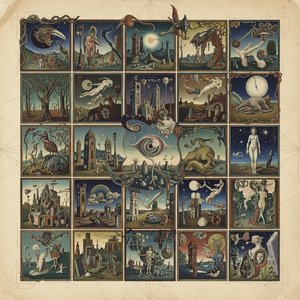
Max Ernsts Meisterwerke: Die Top 25 Kunstwerke für Ihr Zuhause | TopImpressionists
Entdecken Sie die 25 bedeutendsten Kunstwerke von Max Ernst! Tauchen Sie ein in die Welt des Surrealismus, Dada und abstrakter Malerei. Hochwertige Kunstreproduktionen & Inspiration für Ihr Zuhause bei TopImpressionists.com.
Entdecken Sie Kunstwerke, die nach Themen, Stilen und Merkmalen sortiert sind.


