Vorschau anzeigen
 Versenden
 Teilen
 Details anzeigen
 Leitfaden

 Herunterladen
 Ähnliche Objekte
 Röntgenaufnahme
 Diashow
 Fragen & Antworten
 Statistiken
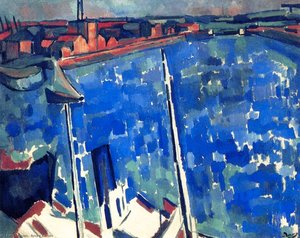
Boats at Collioure


Vibrant blue water scene with boats by André Derain's 1905 work, capturing the colorful spirit of early modern art; discover this masterpiece today.
 Weiterlesen
André Derain (1880-1954): Pionier des Fauvismus! Entdecken Sie seine kräftigen Farben, expressiven Kompositionen & ikonischen London-Bilder. Ein Meisterwerk der Moderne.
Giclée / Kunstdruck
Giclée- oder Leinwanddruck in Museumsqualität mit schneller Produktion und flexiblen Veredelungsoptionen. ( Handgemalte Reproduktion bestellen Zum digitalen Bild wechseln)




P118B €10

P118H €10

P118W €10

P438Z €10

P508JH €12

P508YH €12

P805H €10

P805Z €10

P919BZ €10

P919G €10

P919XJ €10

P959ZH €10

P968JZ €12

W106C €8

W218G €10

W218JH €8

W218Y €10

W307PJ €10

W316G €10

W316PJ €8

W316Y €10

W398PJ €8

W4111J €10

W500HY €15

W500JH €15

W692G €12

W849H €8

W940BG €15

W953PJ €8




Standardformat
individuell anpassbar
CM
INCH
Wählen Sie aus unseren vordefinierten Formaten, die den ursprünglichen Proportionen des Kunstwerks entsprechen.
Loading sizes...

Breite
Höhe
Geben Sie die benötigte Breite und Höhe an, damit der Druck perfekt in Ihren Rahmen oder an Ihre Wand passt. Ein Druck kann nur beschnitten, aber niemals größer als das Originalbild angefertigt werden; daher verliert ein Format mit anderen Proportionen einen Teil des Bildes. Wir senden Ihnen ein digitales Mockup zur Freigabe, bevor wir den Druck ausführen. Das auf dieser Seite gezeigte Bild zeigt nicht den tatsächlichen Beschnitt – dies ist nur im Mockup ersichtlich.
Weltweiter Versand () innerhalb von 2 Wochen statt der üblichen 4/5 Wochen. (4 November)

Kostenloser weltweiter Expressversand

Hochwertige Leinenleinwand

Umfassender Versicherungsschutz beim Versand

Zollgebühren-Rückerstattungsgarantie

Garantie für exakte Farbtreue

100 Tage Rückgaberecht (nur bei Mängeln)

100% Geld-zurück-Garantie

Mengenrabatt verfügbar
 Die Glasoption ist nur für Größen unter 110 cm verfügbar.

Boats at Collioure
Giclée / Kunstdruck
Format der Reproduktion
-


Endpreis
€ 62
A Mediterranean Dream in Blue Tones
Gazing upon André Derain's "Boats at Collioure," one is immediately transported to the sun-drenched shores of the French Riviera. This painting captures more than just a seascape; it encapsulates a moment of profound, languid peace. The composition is dominated by the mesmerizing expanse of blue water, a liquid canvas reflecting both the sky and the gentle activity upon its surface. In the foreground, the presence of several vessels anchors the scene, drawing the eye across the rhythmic placement of sails and hulls. There are two principal boats commanding attention—one small craft with its sail catching an unseen breeze, suggesting imminent departure or leisurely drift, and another larger form situated further back, adding depth to the pictorial space. Scattered among them are smaller tenders, dotted like jewels upon the deep blue tapestry.
The Brushwork of Fauvist Light
Derain’s technique here is a masterful display of post-Impressionist vibrancy filtered through the nascent energy of Fauvism. While the subject matter—a simple coastal scene—might suggest quietude, the application of paint speaks of vibrant, almost joyous abandon. The colors are not merely descriptive; they are emotional. Notice how the blues interact with the warmer tones suggested in the distant shore or the figures themselves. Derain uses color as a structural element, allowing light to fracture and refract across the water's surface. This bold use of pigment gives the scene an immediate, palpable luminosity, making the viewer feel the warmth of the Mediterranean sun even from afar.
Context and the Spirit of Place
Painted in 1905, this work places us at a pivotal moment in art history—a time when established academic traditions were being vigorously challenged by revolutionary colorists. Derain, deeply connected to the vibrant artistic circles of early modern Paris, channeled the raw energy of his surroundings into this piece. Collioure itself, with its intense light and deep blue waters, provided the perfect muse for an artist eager to break free from muted palettes. The inclusion of figures—one on the left, another on the right—are not just incidental details; they are witnesses to the scene, grounding the viewer within a shared, observed moment of coastal life.
Symbolism of Passage and Leisure
The boats themselves carry rich symbolism. They represent journeys, both literal passages across the water and metaphorical voyages through life's experiences. The interplay between the stationary elements—the distant shore or the anchored vessels—and the implied movement of the sails suggests a beautiful tension: the comfort of being present versus the irresistible call of adventure. For the collector or decorator, this painting offers more than just decoration; it offers an emotional anchor—a visual escape to a place where time slows down and the only concern is the gentle rocking rhythm of the tide.
Bringing Riviera Vibrancy Home
To reproduce "Boats at Collioure" in your own space is to invite a breath of Mediterranean air into your home. Whether displayed above a sofa, nestled in an entryway, or used as a focal point in a gallery setting, the painting’s inherent vibrancy will elevate any interior design scheme. Its bold yet harmonious color palette ensures it complements both minimalist modern aesthetics and richly decorated traditional rooms alike. It is a piece that speaks of freedom, light, and the enduring allure of the sea.
Fragen & Antworten
Wie ist die Farbkomposition von "Boats at Collioure" von André Derain aufgebaut?
Die Farbkomposition von "Boats at Collioure" von André Derain vereint einen Bold Kontrast mit einer Balanced Harmony Harmonie.
Wie harmonieren die Farben von "Boats at Collioure" miteinander?
Die Farben von "Boats at Collioure" von André Derain weisen eine Balanced Harmony Harmonie auf. Harmonie beschreibt das Zusammenspiel der Farben untereinander.
Sind die Farben von "Boats at Collioure" von André Derain leuchtend oder eher dezent?
Die Farben von "Boats at Collioure" von André Derain bestechen durch eine Vivid Color Sättigung und eine Vivid Intensität.
Ähnliche Kunstwerke


Künstlerbiografie
Frühe Jahre und Ausbildung
- Geburt und Familie: André Derain wurde am 10. Juni 1880 in Chatou, Yvelines, Île-de-France, unweit von Paris geboren.
- Unabhängiges Studium: Im Gegensatz zu einigen Darstellungen begann Derain bereits 1895 mit dem Malen, bevor er Vlaminck oder Matisse kennenlernte. Er besuchte gelegentlich die Landschaft mit Vater Jacomin und seinen Söhnen.
- Formale Ausbildung: 1898 studierte er Ingenieurwesen an der Académie Camillo, wo er Henri Matisse kennenlernte und später bei Eugène Carrière Malereiunterricht erhielt.
- Aufgabe des Ingenieurwesens: Nach dem Militärdienst (1901-1904) wurde Derain von Matisse davon überzeugt, seine Ingenieurslaufbahn aufzugeben und sich ganz der Malerei zu widmen. Anschließend besuchte er die Académie Julian.
Fauvismus und frühe künstlerische Entwicklung
- Zusammenarbeit mit Matisse: Derain arbeitete eng mit Henri Matisse zusammen, insbesondere im Sommer 1905 in Collioure, was zu Werken wie "Berge von Collioure" führte.
- Salon d'Automne (1905): Ihre Ausstellung im Salon d'Automne war ein entscheidender Moment, der dazu führte, dass der Kritiker Louis Vauxcelles die Künstler als "Les Fauves" ("die Wilden") bezeichnete aufgrund ihrer kühnen und unkonventionellen Farbgebung.
- Londoner Gemälde: Im Jahr 1906 schickte ihn Ambroise Vollard nach London, wo er eine Reihe von Gemälden anfertigte, die die Stadt auf neuartige Weise darstellten, wobei der Schwerpunkt auf der Themse und der Tower Bridge lag. Diese Werke gelten als einige seiner bedeutendsten.
- Einflüsse & Stil: Frühe fauvistische Arbeiten zeichnen sich durch intensive, unnatürliche Farben und ausdrucksstarke Pinselstriche aus. Derain wurde von Künstlern wie Van Gogh und Cézanne beeinflusst.
Entwicklung des Stils und spätere Werke
- Verschiebung hin zum Klassizismus: Nach 1907 begann sich Derains Stil zu wandeln, weg von der rein fauvistischen Farbpalette hin zu gedämpfteren Tönen und einem größeren Fokus auf die Form. Diese Periode (1911-1914) wird manchmal als seine "gotische" Phase bezeichnet.
- Einfluss des Kubismus & alter Meister: Derains Arbeit in dieser Zeit spiegelte sein Studium der alten Meister wider und integrierte Elemente des Kubismus sowie ein erneutes Interesse an klassischen Formen.
- Ballettdesign: Im Jahr 1919 entwarf er die Ballettaufführung "La Boutique Fantasque" für Diaghilev, was seine Vielseitigkeit als Künstler unter Beweis stellte.
- Bemerkenswerte Werke: Zu den wichtigsten Werken dieser Zeit gehören "Harlekin und Pierrot", "Die Rückkehr des Odysseus" (ein großes Wandgemälde) sowie verschiedene Landschaften und Stillleben, die seine sich entwickelnde Stilrichtung zeigen.
Vermächtnis und historische Bedeutung
- Mitbegründer des Fauvismus: Derain gilt als eine Schlüsselfigur bei der Entwicklung des Fauvismus, neben Matisse, und leistete einen bedeutenden Beitrag zur Kunstbewegung des frühen 20. Jahrhunderts.
- Einzigartige Vision von London: Seine Reihe von Gemälden, die London darstellen, bot eine frische und unverwechselbare Perspektive auf die Stadt und unterschied sich von früheren künstlerischen Darstellungen.
- Nachkriegs-Anerkennung: Nach dem Ersten Weltkrieg erlangte Derain neue Anerkennung für seine Beiträge zu einem wiederauflebenden Klassizismus in der Kunst.
- Spätere Jahre & Kontroversen: Trotz des Gewinnens des Carnegie-Preises im Jahr 1928 sah sich Derain während des Zweiten Weltkriegs aufgrund seiner Anwesenheit in Deutschland mit Kontroversen konfrontiert und wurde später von einigen ehemaligen Unterstützern gemieden.
- Tod und Erinnerung: André Derain starb am 8. September 1954. Seine Werke werden weiterhin für ihre kühnen Farben, ausdrucksstarken Kompositionen und seinen bedeutenden Beitrag zur Geschichte der modernen Kunst gefeiert.

André Derain
1880 - 1954 , Frankreich
Kurzinfos
- Beeinflusste Künstler:
- Henri Matisse
- Pablo Picasso
- Bemerkenswerte Werke:
- Harlekin und Pierrot
- Londoner Bilder
- Bacchus-Tanz
- Die Heimkehr des Odysseus
- Geburtsdatum: 10. Juni 1880
- Geburtsort: Chatou, Frankreich
- Künstlerische Bewegung: Fauvismus
- Nationalität: Französisch
- Todestag: 8. September 1954
- Vollständiger Name: André Derain
Ähnliche Artikel

Die Top 10 Gemälde in Schattierungen von 'Slate Blue': Kunst für Ihr Zuhause
Entdecken Sie die Top 10 Gemälde in faszinierenden 'Slate Blue' Tönen! Von Monet bis Manet – erleben Sie Kunstgeschichte und lassen Sie sich von Meisterwerken inspirieren. Hochwertige Kunstdrucke auf

Boote in der Kunst: Die 10 schönsten Meisterwerke & ihre Geschichten | TopImpressionists
Entdecken Sie die 10 schönsten Bootsgemälde der Kunstgeschichte! Von Monet bis Van Gogh – erfahren Sie die Geschichten hinter ikonischen Werken, Techniken & Marinemalerei. Hochwertige Reproduktionen auf TopImpressionists.com.
Fauvismus: Die 10 Meisterwerke, die eine Revolution der Farben entfesselten –
Entdecken Sie die 10 Meisterwerke des Fauvismus! Von Matisse bis Derain – erleben Sie die Revolution der Farben und Emotionen in der modernen Kunst. Hochwertige Reproduktionen & Inspiration für Ihr Zuhause auf

Romantische Landschaften: Die 10 Meisterwerke, die eine Epoche prägten | TopImpressionists
Entdecken Sie die 10 Meisterwerke der Romantischen Landschaftsmalerei! Von Caspar David Friedrich bis Turner – erleben Sie die Kunst, Emotion & Natur. Hochwertige Reproduktionen auf TopImpressionists.com

Die 25 besten Kunstwerke von John Constable: Meisterwerke der englischen Landschaft
Entdecken Sie die 25 besten Werke von John Constable. Erleben Sie englische Romantik auf TopImpressionists.com. Jetzt Meisterwerke online entdecken!
Entdecken Sie Kunstwerke, die nach Themen, Stilen und Merkmalen sortiert sind.