

 Vorschau anzeigen
 Versenden
 Teilen
 Details anzeigen
 Leitfaden

 Herunterladen
 Ähnliche Objekte
 Röntgenaufnahme
 Diashow
 Fragen & Antworten
 Statistiken
Virgin and Child in Glory

- 1690.0 x 2360.0 cm


Experience the serene beauty of Murillo's 'Virgin and Child in Glory,' a masterpiece depicting Mary cradling Jesus amidst angelic figures—a pivotal piece reflecting Baroque artistry and beloved by English collectors.
 Weiterlesen
Bartolomé Esteban Murillo (1618-1682): Spanischer Barockmaler, berühmt für religiöse Werke & genre Szenen. Entdecken Sie den Meister des Lichts – von realistischen Anfängen bis zu polierten Meisterwerken!
Giclée / Kunstdruck
Giclée- oder Leinwanddruck in Museumsqualität mit schneller Produktion und flexiblen Veredelungsoptionen. ( Handgemalte Reproduktion bestellen Zum digitalen Bild wechseln)




P118B €10

P118H €10

P118W €10

P438Z €10

P508JH €12

P508YH €12

P805H €10

P805Z €10

P919BZ €10

P919G €10

P919XJ €10

P959ZH €10

P968JZ €12

W106C €8

W218G €10

W218JH €8

W218Y €10

W307PJ €10

W316G €10

W316PJ €8

W316Y €10

W398PJ €8

W4111J €10

W500HY €15

W500JH €15

W692G €12

W849H €8

W940BG €15

W953PJ €8




Standardformat
individuell anpassbar
CM
INCH
Wählen Sie aus unseren vordefinierten Formaten, die den ursprünglichen Proportionen des Kunstwerks entsprechen.
Loading sizes...

Breite
Höhe
Geben Sie die benötigte Breite und Höhe an, damit der Druck perfekt in Ihren Rahmen oder an Ihre Wand passt. Ein Druck kann nur beschnitten, aber niemals größer als das Originalbild angefertigt werden; daher verliert ein Format mit anderen Proportionen einen Teil des Bildes. Wir senden Ihnen ein digitales Mockup zur Freigabe, bevor wir den Druck ausführen. Das auf dieser Seite gezeigte Bild zeigt nicht den tatsächlichen Beschnitt – dies ist nur im Mockup ersichtlich.
Weltweiter Versand () innerhalb von 2 Wochen statt der üblichen 4/5 Wochen. (4 November)

Kostenloser weltweiter Expressversand

Hochwertige Leinenleinwand

Umfassender Versicherungsschutz beim Versand

Zollgebühren-Rückerstattungsgarantie

Garantie für exakte Farbtreue

100 Tage Rückgaberecht (nur bei Mängeln)

100% Geld-zurück-Garantie

Mengenrabatt verfügbar
 Die Glasoption ist nur für Größen unter 110 cm verfügbar.

Virgin and Child in Glory
Giclée / Kunstdruck
Format der Reproduktion
-


Endpreis
€ 62
A Vision Illuminated: Murillo’s Virgin and Child
Bartolomé Esteban Murillo's “Virgin and Child in Glory,” completed in 1673, stands as a cornerstone of Baroque art—a testament to Seville’s artistic prowess during its zenith. More than merely depicting religious iconography, the painting embodies a profound spiritual contemplation, capturing the essence of Andalusian piety and foreshadowing stylistic developments that would resonate throughout Europe.
- Subject Matter: The artwork portrays Mary cradling Jesus Christ in her arms, an image deeply rooted in Christian tradition representing purity, compassion, and divine grace.
- Style & Technique: Murillo’s signature style is characterized by its serene stillness and luminous palette—a deliberate departure from the dramatic chiaroscuro favored by Caravaggio. He employs a soft, diffused light that bathes the figures in an ethereal glow, creating an atmosphere of tranquility and reverence.
- Material & Medium: Executed primarily in oil paint on canvas, Murillo utilized meticulous layering techniques to achieve remarkable textural detail—particularly evident in the drapery folds and the delicate features of the Virgin Mary and Child Jesus.
Historical Context: Seville’s Artistic Renaissance
The painting emerged during a period of significant cultural transformation in Spain, fueled by papal patronage and burgeoning mercantile activity. Seville, as the wealthiest port city in Europe, served as a crucible for artistic innovation—drawing inspiration from Italian Baroque masters while maintaining its own distinctive Andalusian sensibility. Murillo’s work reflects this dynamic interplay between tradition and experimentation.
- Religious Influence: The Habsburg monarchy actively promoted Catholicism throughout its dominions, commissioning monumental artworks intended to inspire piety and reinforce royal authority.
- Patronage & Commission: “Virgin and Child in Glory” was commissioned for the Archbishop of Seville’s palace chapel—a prestigious honor that underscored Murillo's reputation as one of Spain’s foremost artists.
Symbolism & Emotional Resonance
Beyond its formal beauty, the painting is laden with symbolic significance. The Virgin Mary’s posture exudes maternal tenderness and unwavering devotion—a visual embodiment of Christian virtues. The cherubs flanking the figures convey angelic guardianship and symbolize divine grace. Murillo skillfully captures not only the outward appearance but also the inner emotional state of his subjects, conveying a sense of profound serenity and spiritual contemplation.
- Light & Shadow: Murillo’s masterful use of light—particularly the subtle luminescence emanating from the left-hand corner—creates an illusionistic depth that draws viewers into the scene.
- Color Palette: Predominantly shades of brown, red, and gold contribute to the painting's aged patina—suggesting a timeless quality and evoking associations with royal splendor and spiritual devotion.
Legacy & Influence
"Virgin and Child in Glory" profoundly impacted subsequent artistic movements—anticipating the stylistic refinements of Rococo art and establishing Murillo as an enduring icon of Baroque idealism. Its serene beauty continues to inspire collectors and interior designers alike, offering a glimpse into the spiritual heart of seventeenth-century Spain.
Fragen & Antworten
Wann wurde "Virgin and Child in Glory" geschaffen?
"Virgin and Child in Glory" stammt aus dem Jahr 1673. Dieses Datum ordnet das Werk in die Schaffensperiode von Bartolomé Esteban Murillo sowie in dessen Epoche ein.
Ist "Virgin and Child in Glory" von Bartolomé Esteban Murillo ein Gemälde, eine Zeichnung oder ein Druck?
"Virgin and Child in Glory" ist ein Werk der Gattung Wandkunst.
Wofür wird eine Reproduktion von "Virgin and Child in Glory" von Bartolomé Esteban Murillo empfohlen?
Die empfohlene Verwendung für "Virgin and Child in Glory" von Bartolomé Esteban Murillo ist Akzentuierung. Es kann jedoch auch für andere Zwecke genutzt werden.
Künstlerbiografie
Frühes Leben und Ausbildung
Bartolomé Esteban Murillo, ein bedeutender spanischer Barockmaler, wurde Ende Dezember 1617 in Sevilla, Spanien, geboren und am 1. Januar 1618 getauft. Er war der jüngste von vierzehn Kindern von Gaspar Esteban und María Pérez. Nach dem Tod seiner Eltern im Jahr 1627 bzw. 1628 geriet Murillo unter die Obhut seines Schwagers, Juan Agustín Lagares. Seine künstlerische Ausbildung begann in Sevilla bei Juan del Castillo, einem Verwandten seiner Mutter, der ebenfalls Künstler war. Seine frühen Werke waren von dem stark realistischen Ansatz Zurbaráns, Jusepe de Ribera und Alonzo Canos beeinflusst.Künstlerischer Werdegang und Stil
Murillos künstlerischer Stil entwickelte sich im Laufe der Zeit weiter. Anfangs wurde er vom flämischen Malen und der "Abhandlung über heilige Bilder" Molanus' beeinflusst. Mit zunehmendem Reifegrad entwickelte seine Arbeit einen polierten Stil, der den bürgerlichen und aristokratischen Geschmäckern der Zeit entsprach, insbesondere in seinen religiösen Werken. Ein junger Mann mit einem Obstkorb oder Personifikation des Sommers (ca. 1640-50) zeigt seinen frühen, realistischen Ansatz. Der junge Bettler (ca. 1645, Musée du Louvre, Paris, Frankreich) demonstriert den Einfluss Velázquez's. St. Hieronymus (ca. 1650-52) veranschaulicht seinen reifen, weich leuchtenden Stil.Wichtige Werke und Themen
Murillo widmete sich hauptsächlich religiösen Themen, insbesondere Darstellungen der Jungfrau Maria mit dem Jesuskind. Diese Bilder zeichnen sich durch ihre zarte Schönheit, ihren idealisierten Charakter und eine warme, einladende Atmosphäre aus. Neben religiösen Werken schuf er auch Genreszenen, die das alltägliche Leben in Sevilla widerspiegeln, darunter Darstellungen von Blumenmädchen, Straßenköpfen und Bettlern. Diese Werke bieten einen faszinierenden Einblick in die Gesellschaft seiner Zeit. Seine Fähigkeit, Licht und Schatten einzusetzen, verlieh seinen Gemälden eine besondere Tiefe und Lebendigkeit.Einfluss und Vermächtnis
Murillo hatte zahlreiche Schüler und Anhänger, was seine Reputation in Spanien und seinen Ruhm in ganz Europa sicherstellte. Sein Stil beeinflusste Künstler wie Gainsborough und Greuze. Er gilt als einer der wichtigsten Vertreter des spanischen Barock und trug maßgeblich zur Entwicklung der religiösen Malerei des 17. Jahrhunderts bei. Seine Werke werden bis heute für ihre Schönheit, Anmut und ihren Ausdruck von Glauben und Mitgefühl geschätzt.Museen und Sammlungen
Murillos Gemälde sind in verschiedenen Museen auf der ganzen Welt zu finden, darunter:- Das Museo del Prado (Madrid, Spanien)
- Die Eremitage (Sankt Petersburg, Russland)
- Die Wallace Collection (London)
- Das Timken Museum of Art (San Diego, mit Christus am Kreuz)
- Das Krannert Art Museum (Champaign, Illinois, mit Christus nach der Geißelung)

Bartolomé Esteban Murillo
1618 - 1682 , Spanien
Kurzinfos
- Beeinflusste Künstler:
- Gainsborough
- Greuze
- Bemerkenswerte Werke:
- Junger Mann mit Obstkorb
- Der junge Bettler
- St. Hieronymus
- Anbetung der Hirten
- Geburtsdatum: Spätes Dezember 1617
- Geburtsort: Sevilla, Spanien
- Künstlerische Einflüsse:
- Zurbarán
- Jusepe de Ribera
- Alonzo Cano
- Velázquez
- Künstlerischer Stil: Spanischer Barock
- Nationalität: Spanisch
- Todatum: 3. April 1682
- Vollständiger Name: Bartolomé Esteban Murillo
Ähnliche Artikel

Bartolomé Esteban Murillo: Göttliches Licht und soziale Kommentare im goldenen Zeitalter von Sevilla
Entdecken Sie das Leben und Werk von Bartolomé Esteban Murillo, einem Meister der Barockmalerei! Analysieren Sie seine religiösen Gemälde, sozialen Botschaften und seinen bleibenden Einfluss auf die Kunstgeschichte. Jetzt lesen!

Barocke Pracht: Wie Sie Opulenz und Emotionen in zeitgenössische Innenräume bringen
Entdecken Sie die Pracht des Barock! Expertenratgeber für luxuriöse Innenräume mit barocken Elementen. Inspiration, Tipps & hochwertige Kunst bei .

The Visceral Stage: Exploring Dramatic Narratives & Emotional Intensity in Baroque Art
Explore the dramatic world of Baroque art! Discover iconic masters like Caravaggio & Rembrandt, their techniques, and the movement's lasting impact. Expert insights for collectors & enthusiasts at TopImpressionists.

The Dramatic Flourish: Exploring the Baroque Movement's Enduring Legacy in Art History
Explore the dramatic world of Baroque art! Discover iconic artists like Caravaggio & Rubens, defining techniques, and its lasting impact on art history. Expert insights for collectors & enthusiasts at TopImpressionists.
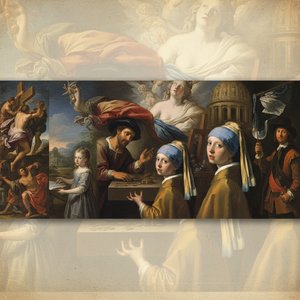
Barock Meisterwerke: Die 10 prägendsten Kunstwerke für Ihr Zuhause |
Entdecken Sie die 10 prägendsten Meisterwerke des Barock! Caravaggio, Rembrandt & Co. – Erfahren Sie die Geschichten hinter ikonischen Gemälde und finden Sie hochwertige Kunst Reproduktionen für Ihr Zuhause auf .
Entdecken Sie Kunstwerke, die nach Themen, Stilen und Merkmalen sortiert sind.


