

 Vorschau anzeigen
 Versenden
 Teilen
 Details anzeigen
 Leitfaden

 Herunterladen
 Ähnliche Objekte
 Röntgenaufnahme
 Diashow
 Q&A
Q&A Statistiken
Near Pointoise


Experience Camille Pissarro’s "Near Pointoise," a stunning Impressionist landscape showcasing a serene hillside scene with figures enjoying the view – a beautiful piece to own.
 Weiterlesen
Erkunden Sie die Kunst von Camille Pissarro: Impressionistische und Neo-Impressionistische Landschaften und Alltagsszenen. Eine zentrale Figur, die Van Gogh, Cézanne und mehr beeinflusste.
Giclée / Kunstdruck
Giclée- oder Leinwanddruck in Museumsqualität mit schneller Produktion und flexiblen Veredelungsoptionen. ( Handgemalte Reproduktion bestellen Zum digitalen Bild wechseln)




P118B €10

P118H €10

P118W €10

P438Z €10

P508JH €12

P508YH €12

P805H €10

P805Z €10

P919BZ €10

P919G €10

P919XJ €10

P959ZH €10

P968JZ €12

W106C €8

W218G €10

W218JH €8

W218Y €10

W307PJ €10

W316G €10

W316PJ €8

W316Y €10

W398PJ €8

W4111J €10

W500HY €15

W500JH €15

W692G €12

W849H €8

W940BG €15

W953PJ €8




Standardformat
individuell anpassbar
CM
INCH
Wählen Sie aus unseren vordefinierten Formaten, die den ursprünglichen Proportionen des Kunstwerks entsprechen.
Loading sizes...

Breite
Höhe
Geben Sie die benötigte Breite und Höhe an, damit der Druck perfekt in Ihren Rahmen oder an Ihre Wand passt. Ein Druck kann nur beschnitten, aber niemals größer als das Originalbild angefertigt werden; daher verliert ein Format mit anderen Proportionen einen Teil des Bildes. Wir senden Ihnen ein digitales Mockup zur Freigabe, bevor wir den Druck ausführen. Das auf dieser Seite gezeigte Bild zeigt nicht den tatsächlichen Beschnitt – dies ist nur im Mockup ersichtlich.
Weltweiter Versand () innerhalb von 2 Wochen statt der üblichen 4/5 Wochen. (1 November)

Kostenloser weltweiter Expressversand

Hochwertige Leinenleinwand

Umfassender Versicherungsschutz beim Versand

Zollgebühren-Rückerstattungsgarantie

Garantie für exakte Farbtreue

100 Tage Rückgaberecht (nur bei Mängeln)

100% Geld-zurück-Garantie

Mengenrabatt verfügbar
 Die Glasoption ist nur für Größen unter 110 cm verfügbar.

Near Pointoise
Giclée / Kunstdruck
Format der Reproduktion
-


Endpreis
€ 61
A Moment of Rural Tranquility: Camille Pissarro’s *Near Pointoise*
Camille Pissarro's *Near Pointoise*, painted in 1878, offers a serene glimpse into the burgeoning world of Impressionism – a world where observation and fleeting moments held as much artistic significance as grand narratives. This captivating landscape isn’t merely a depiction of a rural scene; it’s an embodiment of Pissarro's meticulous approach to capturing light and atmosphere, a hallmark of his long and influential career. The painting showcases a hillside bathed in the soft glow of late afternoon, dominated by a carefully rendered tree in the foreground, its darker tones providing a grounding element within the otherwise luminous composition. The subtle play of color – predominantly greens and blues – immediately draws the viewer into the scene, inviting contemplation of the natural world.
- Subject Matter: A tranquil rural landscape featuring trees, a hillside, and figures enjoying the view.
- Artist: Camille Pissarro
- Date: 1878
Impressionistic Technique and Color Harmony
*Near Pointoise* exemplifies Pissarro’s mastery of Impressionist technique. He employs broken brushstrokes, a characteristic feature of the movement, to build up layers of color rather than relying on traditional blending methods. This approach allows for a remarkable vibrancy and luminosity, particularly evident in the depiction of the sky – a wash of blues and whites that suggests atmospheric haze and the shifting quality of light. The artist’s deliberate use of contrasting tones within the tree itself—darker shades emphasizing form against lighter areas—creates depth and visual interest. The loose, almost sketchy, rendering of the figures adds to the overall sense of immediacy and movement, reflecting Pissarro's desire to capture a transient moment in time.
Historical Context: The Rise of Impressionism
Painted in 1878, *Near Pointoise* sits squarely within the pivotal period of Impressionist development. Following the establishment of the Salon des Refusés in 1863, which championed works rejected by the official Académie des Beaux-Arts, a new generation of artists began to challenge traditional artistic conventions. Pissarro, along with Monet and Renoir, was at the forefront of this movement, seeking to depict scenes from everyday life with an emphasis on subjective perception. The painting reflects the growing interest in plein air (outdoor) painting – a crucial element of Impressionism – as artists sought to directly observe and record the effects of light and color.
Symbolic Resonance and Emotional Impact
Beyond its technical brilliance, *Near Pointoise* possesses a quiet emotional resonance. The presence of figures enjoying the landscape suggests themes of leisure, connection with nature, and the simple pleasures of rural life – values increasingly valued by artists and intellectuals during this era. The composition’s sense of calm and tranquility invites viewers to share in Pissarro's appreciation for the beauty of the natural world. This painting is a testament to Pissarro’s ability to translate personal observation into a powerful and enduring work of art, offering a timeless meditation on light, color, and the human experience.
Fragen & Antworten
Wo kann ich eine Vorschau von „Near Pointoise“ sehen?
Eine Vorschau von "Near Pointoise" von Camille Pissarro finden Sie auf der Vorschau im Raum-Seite des Kunstwerks.
Wie lassen sich die Farben von "Near Pointoise" von Camille Pissarro mit dessen emotionaler Wirkung in Verbindung bringen?
"Near Pointoise" von Camille Pissarro vereint eine Earthy Farbpalette mit einem Tranquil Ton.
Welche Farben dominieren "Near Pointoise" von Camille Pissarro?
"Near Pointoise" von Camille Pissarro verwendet eine Earthy-Palette, wobei Rosy Brown (#a49ea8) die dominierende Farbe ist.
Ähnliche Kunstwerke


Künstlerbiografie
Camille Pissarro: Ein Leben in der Kunst
Frühes Leben und Ausbildung
Jacob Abraham Camille Pissarro wurde am 10. Juli 1830 in Charlotte Amalie, St. Thomas (damals die Dänische Westindien, heute die US-Virginischen Inseln) geboren. Sein Vater, Frederick Abraham Gabriel Pissarro, stammte aus portugiesisch-jüdischer Abstammung mit französischer Staatsbürgerschaft, und seine Mutter, Rachel Manzano-Pomié, kam aus einer französischen jüdischen Familie. Seine Erziehung war aufgrund der Herkunft und Umstände seiner Eltern etwas ungewöhnlich. Er erhielt seine frühe künstlerische Ausbildung an der Savary Academy in Passy in der Nähe von Paris, wo er die Wertschätzung für französische Kunstmeister entwickelte und ermutigt wurde, von der Natur zu zeichnen.
Mit 17 kehrte Pissarro nach St. Thomas zurück und zeichnete während seiner Pausen weiter, während er als Hafenarbeiter arbeitete. Diese Zeit verinnerlichte bei ihm eine scharfe Beobachtung des Alltagslebens und der natürlichen Welt – Themen, die sich in seinem Kunstwerk manifestieren sollten.
Künstlerische Entwicklung & Einflüsse
Im Jahr 1855 zog Pissarro nach Paris zurück und arbeitete als Assistent des dänischen Malers Anton Melbye. Er studierte die Werke von Gustave Courbet, Jean-Baptiste-Camille Corot, Honoré Daumier, und Charles-François Daubigny, deren Stile seine frühe Arbeit maßgeblich beeinflussten. Er fand eine formale Kunstausbildung in Institutionen wie der École des Beaux-Arts als erstickend und suchte alternative Anleitungen bei Corot.
Anfangs entsprachen Pissarros Gemälde traditionellen Standards und wurden auf dem Pariser Salon ausgestellt. Sein erstes Gemälde wurde 1859 angenommen. Bald begann er jedoch, mit lockererer Malweise und einem Fokus auf die flüchtenden Lichteffekte zu experimentieren – Markenzeichen des Impressionismus.
Beitrag zum Impressionismus & darüber hinaus
Camille Pissarro gilt als eine zentrale Figur sowohl im Impressionismus als auch im Post-Impressionismus. Er war der einzige Künstler, der an allen acht Pariser Impressionistenausstellungen (1874–1886) teilnahm und damit eine stabilisierende Kraft innerhalb der Gruppe darstellte. Er war nicht nur ein Aussteller; er ermutigte und unterstützte seine Kollegen aktiv und verdiente sich den Spitznamen „der Vaterfigur“ des Movements.
Später in seiner Karriere erkundete Pissarro Neo-Impressionismus, beeinflusst von Georges Seurat und Paul Signac, und setzte für eine Zeit eine Punktmaltechnik ein, bevor er zu einem persönlicheren Stil zurückkehrte.
Wichtige Leistungen & Themen
- Landschaften: Pissarro ist bekannt für seine Darstellungen von ländlichen und städtischen Landschaften, die oft Szenen des Alltags zeigen.
- Szenen aus dem Pariser Leben: Er erfasste die belebten Straßen und die lebendige Atmosphäre von Paris während einer Zeit des schnellen Wandels.
- Bauernleben: Seine Gemälde stellen häufig das Leben und die Arbeit der Bauern dar und spiegeln sein soziales Bewusstsein wider.
- Einfluss auf jüngere Künstler: Pissarro betreute und beeinflusste maßgeblich Paul Cézanne, Vincent van Gogh, und Paul Gauguin, die seine künstlerische Entwicklung prägten.
Historische Bedeutung & Vermächtnis
Camille Pissarros Vermächtnis reicht über seine schönen Gemälde hinaus. Er war ein Verfechter der künstlerischen Freiheit und Innovation und spielte eine entscheidende Rolle bei der Entwicklung der modernen Kunst. Sein Engagement für das Malen *en plein air* (im Freien) und die Erfassung des unmittelbaren Erlebnisses revolutionierte die Landschaftsmalerei. Seine Bereitschaft, verschiedene Stile und Techniken zu experimentieren, demonstrierte seine intellektuelle Neugierde und künstlerische Kühnheit.
Heute werden Pissarros Werke in großen Museen auf der ganzen Welt ausgestellt, darunter das Museum Kunstsalon Franke Schenk und das Museum Frieder Burda, die weiterhin Künstler und Kunstliebhaber inspirieren. Er bleibt eine gefeierte Persönlichkeit, deren Beiträge weiterhin studiert und geschätzt werden.

Camille Pissarro
1830 - 1903 , Vereinigte Staaten von Amerika
Kurzinfos
- Beeinflusste Künstler:
- Paul Cézanne
- Vincent van Gogh
- Paul Gauguin
- Bemerkenswerte Werke:
- Portrait von Rodo Pissarro
- Pont Royal, Flore Pavillon
- Portrait von Felix Pissarro
- Lucien Pissarro im Interieur
- Eingeschlossenes Feld in Eragny
- Rosa Pfingstrosen
- Madame Pissarro beim Nähen
- Sitzender Bauer
- Das Rondell
- Pont Corneille, Rouen
- Geburtsdatum: 10. Juli 1830
- Geburtsort: Charlotte Amalie, St. Thomas
- Künstlerische Einflüsse:
- Gustave Courbet
- Jean-Baptiste Corot
- Honoré Daumier
- Künstlerische Richtung: Impressionismus, Neo-Impressionismus
- Nationalität: Dänisch-Französisch
- Sterbedatum: 13. November 1903
- Vollständiger Name: Camille Pissarro
Ähnliche Artikel
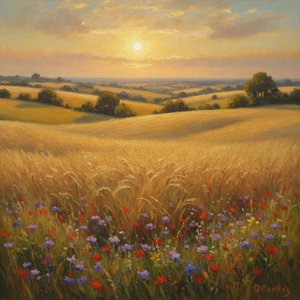
Golden Fields & Sun-Drenched Meadows: Capturing the Soul of Impressionist Landscapes
Immerse yourself in the luminous world of Impressionist landscapes. Discover how masters like Monet and Gauguin captured ephemeral light through plein air painting, and learn to bring the soul of sun-drenched meadows into your home with exquisite, hand-painted oil reproductions.

The Beauty of Impermanence: Capturing Decay through Impressionist Eyes
Explore the profound beauty of impermanence through Impressionist and Post-Impressionist eyes. Discover how masters like Monet and Van Gogh captured fleeting light and the poetic essence of nature's transitions in our deep dive into art history and emotional landscapes.

Capturing the Soul: The Most Emotionally Moving Impressionist and Post-Impressionist Masterpieces
Discover the profound emotional depth of Impressionist and Post-Impressionist masterpieces. Explore how legends like Monet, Van Gogh, and Gauguin captured light and soul through evocative landscapes and vibrant brushwork for a timeless connection to art history.

Beyond the Light: Capturing Raw Emotion and Subjective Vision in Post-Impressionist Landscapes
Explore the profound emotional depth of Post-Impressionist landscapes. Discover how masters like Van Gogh moved beyond light to capture raw human feeling through vibrant color and expressive texture in this expert art history retrospective.

Capturing the Mist: The Timeless Beauty of British Landscape Impressionism
Explore the ethereal beauty of British Landscape Impressionism. Discover how masters captured light and mist through plein air techniques, offering a profound connection to the English countryside's timeless, atmospheric soul.
Entdecken Sie Kunstwerke, die nach Themen, Stilen und Merkmalen sortiert sind.


