


 In echtem Maßstab anzeigen
 Versenden als Grußkarte
 Teilen
 Details anzeigen
 Leitfaden öffnen

 Herunterladen
 Ähnliche Objekte
 Röntgenaufnahme
 Diashow
 Besucherstatistiken
Self-Portrait


Admire Carlo Dolci's iconic Self-Portrait (1674), a masterpiece of Florentine Baroque artistry housed at the Galleria degli Uffizi. Explore its serene beauty and masterful technique – a timeless testament to spiritual devotion.
 Mehr anzeigen
Carlo Dolci (1616-1686): Erforschen Sie die stille Frömmigkeit & akribische Detailtreue dieses florentinischen Barockmeisters. Entdecken Sie religiöse Meisterwerke wie 'St. Sebastian' und sein künstlerisches Vermächtnis.
Giclée / Kunstdruck
Giclée- oder Leinwanddruck in Museumsqualität mit schneller Produktion und flexiblen Veredelungsoptionen. ( Handgemalte Reproduktion kaufen Zum digitalen Bild wechseln)




P118B €10

P118H €10

P118W €10

P438Z €10

P508JH €12

P508YH €12

P805H €10

P805Z €10

P919BZ €10

P919G €10

P919XJ €10

P959ZH €10

P968JZ €12

W106C €8

W218G €10

W218JH €8

W218Y €10

W307PJ €10

W316G €10

W316PJ €8

W316Y €10

W398PJ €8

W4111J €10

W500HY €15

W500JH €15

W692G €12

W849H €8

W940BG €15

W953PJ €8




Standardformat
individuell anpassbar
CM
INCH
Wählen Sie aus unseren vordefinierten Formaten, die den ursprünglichen Proportionen des Kunstwerks entsprechen.
Loading sizes...

Breite
Höhe
Sie können Ihre eigenen Maße eingeben, um ein bestimmtes Format oder einen speziellen Platz einzupassen. Wenn das von Ihnen gewählte Format nicht den Proportionen des Originalbildes entspricht, werden wir das Kunstwerk entweder beschneiden oder das Bild mit einem gespiegelten oder einfarbigen Rand erweitern. Ein digitaler Entwurf wird Ihnen zur Genehmigung zugesandt, bevor die Produktion beginnt.
Bitte beachten Sie, dass die Vorschau auf dem Bildschirm nicht den tatsächlichen Zuschnitt oder die Erweiterung widerspiegelt. Nur der Entwurf zeigt die endgültige Komposition präzise an.
Obwohl Sondermaße verfügbar sind, empfehlen wir die Auswahl eines Maßes aus der vordefinierten Liste, um die ursprünglichen Proportionen zu bewahren.
Weltweiter Versand () innerhalb von 2 Wochen statt der üblichen 4/5 Wochen. (4 Oktober)

Kostenloser weltweiter Expressversand

Hochwertige Leinenleinwand

Vollständiger Versicherungsschutz beim Versand

Zollgebühren-Rückerstattungsgarantie

Garantie für exakte Farbtreue

100-tägiges Rückgaberecht (nur bei Mängeln)

100% Geld-zurück-Garantie

Angebot für Mengenrabatt
 Die Glasoption ist nur für Größen unter 110 cm verfügbar.

Self-Portrait
Giclée / Kunstdruck
Format der Reproduktion
-


Gesamtpreis
€ 59
A Window Into Florentine Baroque Piety
In the quiet corridors of the Galleria degli Uffizi, there exists a painting that does not merely capture a face, but rather invites the viewer into a profound state of meditation. Carlo Dolci’s Self-Portrait, completed in 1674, stands as a luminous testament to the spirit of Florentine Baroque piety. Unlike the grand, theatrical spectacles often associated with the Roman Baroque period, Dolci’s work offers an intimate encounter with the soul. Through a masterful command of light and shadow, he presents himself not as a boastful creator, but as a man of deep introspection and spiritual gravity. The painting serves as a bridge between the physical world of the artist and the internal landscape of his devotion, making it a captivating centerpiece for any collection that values emotional depth and historical resonance.
The technical brilliance of this masterpiece lies in Dolci’s adherence to the Florentine tradition of disegno. Every contour of his profile is rendered with an almost obsessive precision, reflecting a dedication to anatomical accuracy and textural realism. The artist employs a subdued palette—dominated by deep blacks, muted browns, and subtle grays—which directs the eye toward the soft, diffused light playing across his features. This use of chiaroscuro is not used for dramatic shock, but to create a sense of serene atmosphere. For the discerning collector or interior designer, this technique provides a sophisticated aesthetic; the painting’s tonal harmony allows it to integrate seamlessly into refined spaces, offering a sense of timeless dignity and quiet strength.
Symbolism and the Artist's Legacy
Beyond the mere likeness of the artist, the composition is rich with symbolic weight. As Dolci gazes slightly to the left, his posture suggests a mind preoccupied with thoughts beyond the canvas. In his hand, he holds a small card or miniature portrait, a gesture that introduces themes of memory, legacy, and the interconnectedness of art and life. This inclusion transforms the self-portrait from a simple study of identity into a complex narrative about the artist's relationship with his craft and his faith. It is as if Dolci is presenting us with a piece of his own heart, inviting us to contemplate the very essence of what it means to create with purpose.
To possess a reproduction of this work is to bring a fragment of the Medici-era Florentine Renaissance into the modern home. The painting embodies an era where art was an instrument of both civic pride and spiritual renewal. Its emotional impact is immediate yet enduring; it does not demand attention through loudness, but commands respect through its stillness. Whether placed in a study, a library, or a curated gallery wall, Dolci’s Self-Portrait acts as an anchor of sophistication, providing a focal point that inspires contemplation and celebrates the enduring power of the human spirit captured in oil and canvas.
Fragen & Antworten
Inwiefern steht das Sujet von „Self-Portrait“ in Beziehung zu den üblichen Themen von Carlo Dolci?
"Self-Portrait" stellt portraiture, baroque art, religious painting, detail, florentine style, light shadow, introspection dar, während die dokumentierten Themen von Carlo Dolci religious devotion, florentine tradition, baroque style, psychological depth, artist’s legacy sind. Ein Vergleich der beiden zeigt, wie das Werk mit den üblichen Sujets des Künstlers in Verbindung steht.
Welchem Künstler wird "Self-Portrait" zugeschrieben?
"Self-Portrait" wurde von Carlo Dolci geschaffen. Die Informationen auf dieser Seite beschreiben das Originalwerk von Carlo Dolci.
In welchem Alter schuf Carlo Dolci „Self-Portrait"?
Carlo Dolci war 58 Jahre alt, als Self-Portrait im Jahr 1674 geschaffen wurde. Das Alter berechnet sich aus dem Geburtsjahr des Künstlers, 1616.
Welche Verwendung und welcher Raum werden für "Self-Portrait" von Carlo Dolci empfohlen?
"Self-Portrait" wird für Statement empfohlen; der ideale Ort dafür ist ein Living Room.
Welche emotionale Stimmung vermittelt "Self-Portrait" von Carlo Dolci?
„Self-Portrait“ ist mit einem Reflective Gefühl verbunden. Der emotionale Ton beschreibt den Eindruck, den das Werk vermittelt.
Wie verbinden sich Kontrast und Harmonie in "Self-Portrait"?
Die Farbkomposition von "Self-Portrait" von Carlo Dolci vereint einen Bold Kontrast mit einer Discordant Palette Harmonie.
Was ist das Entstehungsdatum von "Self-Portrait" von Carlo Dolci?
"Self-Portrait" von Carlo Dolci entstand im Jahr 1674.
Biografie des Künstlers
Ein Florentiner Meister der Barocken Andacht
Carlo Dolci, geboren in Florenz im Jahr 1616, ist eine faszinierende Gestalt in der italienischen Barocklandschaft – ein Maler, dessen intensiv fromme Werke und akribische Technik ihm einen festen Platz unter den gefragtesten Künstlern seiner Zeit sicherten. Im Gegensatz zu vielen Zeitgenossen, die von der dramatischen Pracht Roms angezogen wurden, blieb Dolci standhaft in der florentinischen Tradition verwurzelt und kultivierte einen Stil, der durch stille Intensität und tiefe spirituelle Tiefe gekennzeichnet ist. Sein Leben entfaltete sich vor dem Hintergrund künstlerischer Begeisterung, doch er schlug eine einzigartige Bahn ein, die nicht von üppiger Produktion, sondern von unerschütterlichem Engagement für Detail und emotionale Resonanz geprägt war. Bereits in seiner frühen Ausbildung unter Jacopo Vignali zeigte Dolci ein außergewöhnliches Talent und etablierte schnell einen Ruf für Präzision, der zum Markenzeichen seines Werkes werden sollte. Er wurde nicht von expansiven Kompositionen oder dynamischen Erzählungen angetrieben; stattdessen konzentrierte er sich auf intime Darstellungen religiöser Themen, oft wiederholte er bevorzugte Motive in mehreren Versionen – ein Beweis für ihren bleibenden Reiz und vielleicht Ausdruck seines methodischen Ansatzes.Frühes Leben und künstlerische Ausbildung
Dolcis künstlerische Reise begann innerhalb einer Familie, die bereits von Kreativität berührt war und ihm einen frühen Nährboden für seine angeborenen Fähigkeiten bot. Als Lehrling bei Jacopo Vignali in sehr jungem Alter absorbierte er die Lektionen eines Meisters, der für dramatischen Flair bekannt war, doch Dolci begann bald, seine eigene unverwechselbare Stimme zu entwickeln. Schon als Junge zeigte sich sein Engagement für die Erfassung kleinster Details und die Vermittlung emotionaler Tiefe. Es gibt zahlreiche Geschichten über seinen akribischen Ansatz – ein Engagement, das so gründlich war, dass es angeblich Wochen dauerte, um allein eine Gliedmaße einer Figur fertigzustellen. Dieses bedächtige Tempo entsprang nicht Langsamkeit, sondern dem intensiven Wunsch nach Perfektion, dem Bestreben, jeden Pinselstrich mit spiritueller Bedeutung zu erfüllen. Er erlangte schnell Anerkennung in florentinischen Kreisen, erhielt Aufträge von prominenten Familien und gründete vor seinem Erwachsenenalter seine eigene Werkstatt. Während andere Künstler die pulsierende Kunstszene Roms suchten, blieb Dolci in Florenz, tief verbunden mit seinen Traditionen und Mäzenen. Diese standhafte Loyalität zu seiner Heimatstadt prägte nicht nur seine Karriere, sondern auch das Wesen seiner Kunst.Stil und bemerkenswerte Werke
Dolcis Stil ist sofort erkennbar – eine harmonische Mischung aus reicher Farbe, akribischem Detail und tiefer emotionaler Ausdruckskraft. Seine Gemälde sind keine Darstellungen von großem Spektakel; sie sind intime Begegnungen mit dem Glauben, die mit einer Zärtlichkeit gerendert werden, die zur Kontemplation einlädt. Er stellte häufig Szenen aus dem Leben der Heiligen und biblischen Erzählungen dar und konzentrierte sich auf Momente stiller Andacht oder ergreifenden Leidens. St Sebastian wird beispielsweise nicht als heroischer Märtyrer dargestellt, sondern als eine Figur, die von spiritueller Qual verzehrt wird, sein Körper exquisit gerendert, um Verletzlichkeit statt Stärke zu betonen. Ebenso offenbaren seine Darstellungen der vier Evangelisten ein tiefes Verständnis menschlicher Psychologie und erfassen ihre individuellen Persönlichkeiten mit bemerkenswerter Sensibilität. Christus bricht das Brot, ein weiteres gefeiertes Werk, ist ein Beispiel für seine Fähigkeit, heilige Momente mit zurückhaltender Anmut und emotionaler Kraft zu vermitteln. Seine Tochter, Agnese Dolci, spielte eine wichtige Rolle bei der Verbreitung seiner künstlerischen Vision und schuf geschickt Kopien der Gemälde ihres Vaters, die seine Reichweite und seinen Einfluss weiter ausdehnten. Diese Reproduktionen, obwohl keine Originalkreationen, zeugen von der Nachfrage nach Dolcis Werk und dem bleibenden Reiz seines Stils.Vermächtnis und historische Bedeutung
Carlo Dolcis Einfluss auf die florentinische Kunst ist unbestreitbar. Er steht als Schlüsselfigur in der Entwicklung des Barockstils innerhalb der Stadt und trug wesentlich zu ihrem reichen künstlerischen Erbe bei. Beeinflusst von früheren Meistern wie Giovanni Bellini und Bramantino, schlug er seinen eigenen einzigartigen Weg ein, der durch eine stille Intensität und fromme Konzentration gekennzeichnet ist, die ihn von vielen seiner Zeitgenossen unterscheidet. Seine Gemälde schmücken weiterhin prestigeträchtige Institutionen wie die Uffizien in Florenz, wo die Contini Bonacossi-Sammlung eine besonders reiche Darstellung seines Werkes bietet. Der bleibende Reiz von Dolcis Werk liegt nicht nur in seiner technischen Brillanz, sondern auch in seiner Fähigkeit, tiefe spirituelle Emotionen hervorzurufen. Er malte nicht nur religiöse Szenen; er schuf visuelle Meditationen über den Glauben und lud die Betrachter ein, sich auf einer tief persönlichen Ebene mit dem Göttlichen zu verbinden. Sein Vermächtnis reicht über seine Gemälde hinaus – er steht für künstlerische Exzellenz und den Glauben an die Kraft der Kunst, Frömmigkeit und Kontemplation zu inspirieren. Selbst heute bietet das Erkunden von Dolcis Meisterwerken einen Einblick in das Herz des Florenz des 17. Jahrhunderts und die bleibende Kraft barocker Kunst.
Carlo Dolci
1616 - 1686 , Italien
Eckdaten zum Künstler
- Artistic Movement Or Style: Barock
- Artists Or Movements Influenced By This Artist: ['Agnese Dolci']
- Artists Who Influenced This Artist: ['Jacopo Vignali']
- Date Of Birth: 25. Mai 1616
- Date Of Death: 17. Januar 1686
- Full Name: Carlo Dolci
- Nationality: Italienisch
- Notable Artworks:
- St Sebastian
- Christ Breaking Bread
- Place Of Birth: Florenz, Italien
Verwandte Artikel

Reproduktionsmedien im Vergleich: Handgemalte Ölgemälde, Leinwanddrucke und gerahmte Papierdrucke
Expertenrat für Innenarchitekten: Vergleichen Sie handgemalte Ölgemälde, Leinwanddrucke & Papierdrucke. Finden Sie die perfekte Kunstreproduktion für Ihr Projekt!

From Initial Sketch to Enduring Legacy: A Comprehensive Exploration of the Oil Painting Reproduction Process
Discover the art of museum-quality oil painting reproduction. Explore our expert process, skilled artists & authentic replicas. Elevate your home with timeless beauty – handcrafted and customized to your vision.

Die bleibende Ästhetik des Pinsels: Handgemalte Ölmalerei als Ausdruck von Zeitlosigkeit und emotionaler Tiefe im Vergleich zum digitalen Druck
Entdecken Sie die bleibende Schönheit handgemalter Ölmalerei! Expertenrat zur Authentizität, Wertsteigerung & individuellen Kunstauswahl. Vertrauen Sie auf Qualität und Tradition.
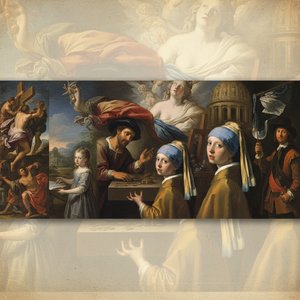
Barock Meisterwerke: Die 10 prägendsten Kunstwerke für Ihr Zuhause |
Entdecken Sie die 10 prägendsten Meisterwerke des Barock! Caravaggio, Rembrandt & Co. – Erfahren Sie die Geschichten hinter ikonischen Gemälde und finden Sie hochwertige Kunst Reproduktionen für Ihr Zuhause auf .

Barocke Meisterwerke: Dramatik und zeitlose Eleganz für Ihr Interieur – Eine kuratierte Auswahl für anspruchsvolle Sammler
Entdecken Sie die dramatische Pracht barocker Meisterwerke. TopImpressionists bietet exklusive, handgemalte Ölreproduktionen von Klassikern wie Rembrandt und Velázquez. Erleben Sie höchste Handwerkskunst, museale Qualität und individuelle Beratung für Ihr anspruchsvolles Interieur.
Entdecken Sie Kunstwerke, die nach Themen, Stilen und Merkmalen sortiert sind.


