
 Vorschau anzeigen
 Versenden
 Teilen
 Details anzeigen
 Leitfaden

 Herunterladen
 Ähnliche Objekte
 Röntgenaufnahme
 Diashow
 Fragen & Antworten
 Statistiken
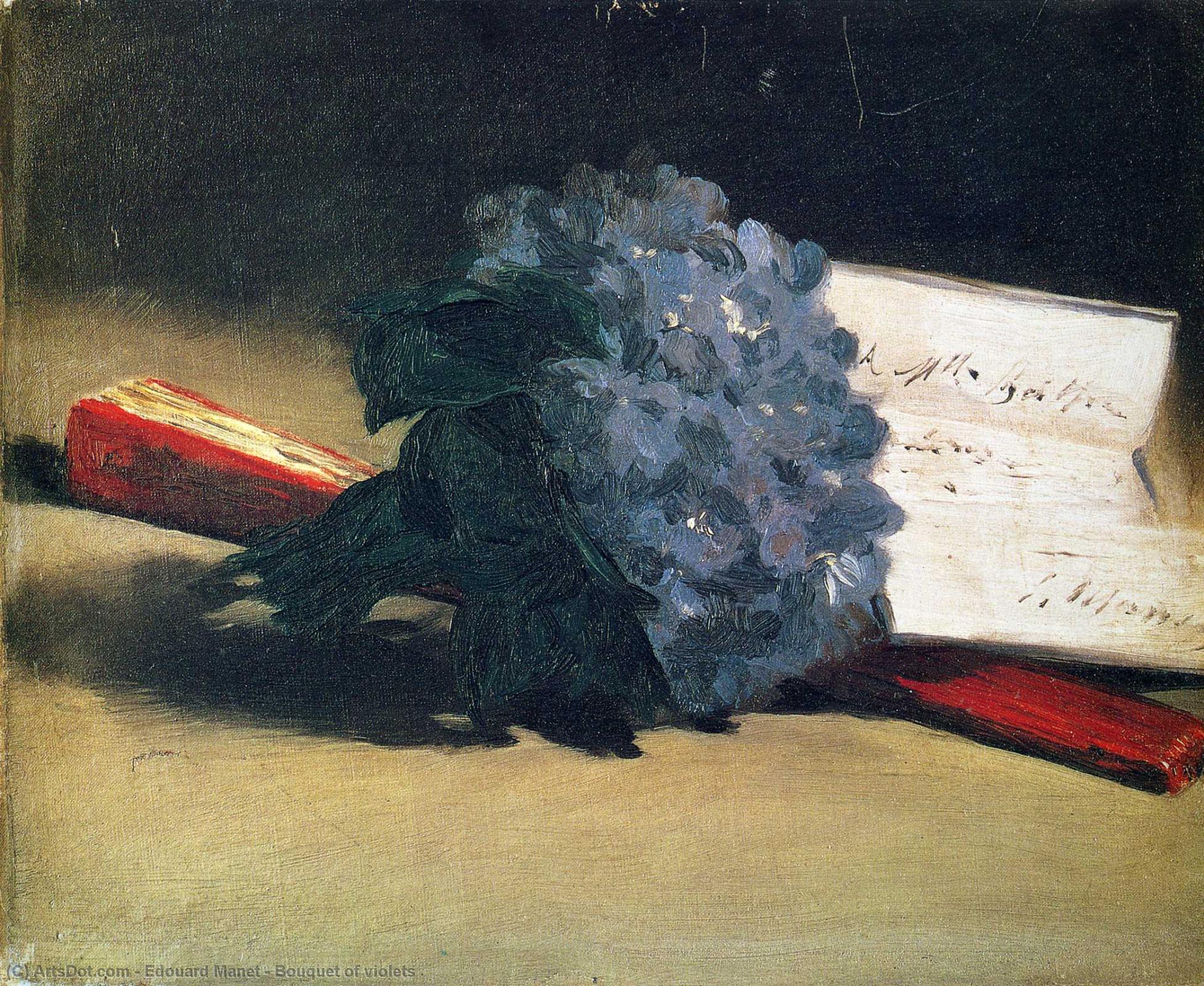
Bouquet von Veilchen

- 27.0 x 22.0 cm


Ein Meisterwerk des französischen Impressionismus! Édouard Manets 'Bouquet von Veilchen' beeindruckt durch seine außergewöhnliche Detailtreue und einfühlsame Darstellung der Natur.
 Weiterlesen
Erkunden Sie die revolutionäre Kunst von Édouard Manet (1832-1883), einer Schlüsselgestalt im Übergang von Realismus zu Impressionismus. Entdecken Sie seine umstrittenen Meisterwerke wie 'Le Déjeuner sur l'herbe' & 'Olympia' und seinen bleibenden Einfluss auf die moderne Kunst.
Giclée / Kunstdruck
Giclée- oder Leinwanddruck in Museumsqualität mit schneller Produktion und flexiblen Veredelungsoptionen. ( Handgemalte Reproduktion bestellen Zum digitalen Bild wechseln)




P118B €10

P118H €10

P118W €10

P438Z €10

P508JH €12

P508YH €12

P805H €10

P805Z €10

P919BZ €10

P919G €10

P919XJ €10

P959ZH €10

P968JZ €12

W106C €8

W218G €10

W218JH €8

W218Y €10

W307PJ €10

W316G €10

W316PJ €8

W316Y €10

W398PJ €8

W4111J €10

W500HY €15

W500JH €15

W692G €12

W849H €8

W940BG €15

W953PJ €8




Standardformat
individuell anpassbar
CM
INCH
Wählen Sie aus unseren vordefinierten Formaten, die den ursprünglichen Proportionen des Kunstwerks entsprechen.
Loading sizes...

Breite
Höhe
Geben Sie die benötigte Breite und Höhe an, damit der Druck perfekt in Ihren Rahmen oder an Ihre Wand passt. Ein Druck kann nur beschnitten, aber niemals größer als das Originalbild angefertigt werden; daher verliert ein Format mit anderen Proportionen einen Teil des Bildes. Wir senden Ihnen ein digitales Mockup zur Freigabe, bevor wir den Druck ausführen. Das auf dieser Seite gezeigte Bild zeigt nicht den tatsächlichen Beschnitt – dies ist nur im Mockup ersichtlich.
Weltweiter Versand () innerhalb von 2 Wochen statt der üblichen 4/5 Wochen. (7 November)

Kostenloser weltweiter Expressversand

Hochwertige Leinenleinwand

Umfassender Versicherungsschutz beim Versand

Zollgebühren-Rückerstattungsgarantie

Garantie für exakte Farbtreue

100 Tage Rückgaberecht (nur bei Mängeln)

100% Geld-zurück-Garantie

Mengenrabatt verfügbar
 Die Glasoption ist nur für Größen unter 110 cm verfügbar.

Bouquet von Veilchen
Giclée / Kunstdruck
Format der Reproduktion
-


Endpreis
€ 62
Bouquet of violets
Édouard Manet’s “Bouquet of violets,” painted in 1872, stands as an emblem of Impressionism's nascent embrace of everyday life and its subtle exploration of artistic innovation. More than just a depiction of flowers—though undeniably beautiful—the painting embodies Manet’s groundbreaking approach to portraying the world around him with unprecedented realism and psychological depth. Measuring 27 x 22 cm, this oil on canvas resides in a private collection, offering a rare glimpse into one of Manet's most contemplative works.Composition and Symbolism
The artwork’s central focus is undeniably the bouquet itself—a vibrant assemblage of purple violets arranged with meticulous care. However, it’s not merely visual splendor that defines “Bouquet of violets.” The inclusion of two books adds a layer of intellectual curiosity to the scene. These volumes subtly suggest a moment of quiet reflection, inviting viewers to contemplate themes of beauty, contemplation and perhaps even mortality—a poignant juxtaposition against the transient vibrancy of the flowers. Violet blossoms have long held symbolic significance, representing humility, faithfulness, and mourning – elements skillfully interwoven into Manet’s artistic vision.Artistic Style: Realism Revisited
Manet's stylistic choices represent a decisive break from academic conventions prevalent at the time. Rejecting idealized representations favored by the École des Beaux-Arts, he championed realism—a movement that sought to capture observable reality without embellishment. This commitment is evident in his masterful handling of light and color, achieved through rapid brushstrokes characteristic of Impressionism. Unlike traditional painters who painstakingly blended pigments to create smooth surfaces, Manet employed loose, visible strokes that captured the fleeting effects of natural illumination. The resulting texture contributes significantly to the painting’s emotive power, conveying a sense of immediacy and spontaneity.Context and Influence
“Bouquet of violets” emerged during a pivotal period in artistic history—the transition from Realism to Impressionism. Manet's work directly challenged established norms, paving the way for artists like Jean Baptiste Armand Guillaumin and Berthe Morisot to explore similar themes with newfound freedom. Guillaumin’s “Place Valhubert,” created concurrently, similarly prioritized capturing atmospheric conditions and natural beauty—a testament to Manet’s influence on subsequent generations of painters. The painting's understated elegance and psychological sensitivity solidified Manet’s reputation as a visionary artist who redefined the boundaries of artistic expression.Availability at TopImpressionists.com
For those captivated by Manet’s oeuvre or seeking a stunning reproduction of “Bouquet of violets,” TopImpressionists.com offers exceptional quality prints and canvases. Explore additional masterpieces by Manet, including "Berthe Morisot with a bouquet of violets," and discover how to bring the spirit of Impressionism into your home. Don't miss the opportunity to own a piece of art history—visit TopImpressionists.com today!Fragen & Antworten
Welcher künstlerischen Strömung ist "Bouquet von Veilchen" von Édouard Manet zuzuordnen?
„Bouquet von Veilchen“ ist ein Werk der Impressionist Painting. Die Stilrichtung gibt die künstlerische Tradition an, der das Werk angehört.
Ist "Bouquet von Veilchen" ein berühmtes Werk der Impressionist Painting-Epoche?
"Bouquet von Veilchen" wird im Katalog als Ikonisch unter den Werken der Impressionist Painting geführt.
Wo finde ich einen Leitfaden zu „Bouquet von Veilchen“?
Für "Bouquet von Veilchen" von Édouard Manet ist eine Leitfaden-Seite verfügbar: ein druckbares Infoblatt zum Kunstwerk, konzipiert für Schüler und den Einsatz im Unterricht.
Ähnliche Kunstwerke


Künstlerbiografie
frühes Leben und Karriere
Édouard Manet, ein französischer modernistischer Maler, wurde am 23. Januar 1832 in Paris geboren. Er widersetzte sich seinen bürgerlichen Wurzeln und einem vorgezeichneten Seekriegspfad und etablierte sich als mutiger französischer Modernist, dessen Leinwände die Lebendigkeit des 19. Jahrhunderts einfingen. Er wird weithin für seine Rolle bei der Pionierarbeit des Impressionismus gelobt, der die Kunst von der Malerei in unbekannte Gebiete lenkte.Bekannte Werke
Manets frühe Meisterwerke, Das Picknick auf der Wiese (Le déjeuner sur l'herbe) (1863) und Olympia (1865), waren radikal, stellten künstlerische Normen in Frage und lösten Empörung bei Traditionalisten aus. Diese provokanten Werke wurden von fortschrittlichen Kollegen anerkannt und säten die Saat des Impressionismus. * Das Picknick auf der Wiese (Le déjeuner sur l'herbe) (1863) - ein Gemälde, das sowohl bei Kritikern als auch bei der Kunstakademie für Kontroversen sorgte. * Olympia (1865) – ein Werk, das aufgrund seiner Darstellung einer nackten weißen Frau in Begleitung einer schwarzen Dienstmädchen große Aufregung auslöste.Museen und Sammlungen
Manets Werke befinden sich in verschiedenen Museen auf der ganzen Welt, darunter: * Musée d'Orsay (Paris, Frankreich) – beherbergt eine umfangreiche Sammlung von Manets Gemälden, darunter Olympia. * Museum of Fine Arts (Boston, USA) – zeigt Manets Porträt von Victorine Meurent, ein bemerkenswertes Werk seines Oeuvres.Vermächtnis und Einfluss
Manets innovativer Stil, der durch breite, schnelle Pinselstriche, Studiobeleuchtung und geringe Tiefenwirkung gekennzeichnet ist, hat zukünftige Maler maßgeblich beeinflusst. Sein Vermächtnis kann in den Werken zahlreicher Künstler gesehen werden, die auf seinen Füßen folgen.- Impressionismus: Seine Pionierarbeit in diesem Stil hat ihn zu einer bekannten Figur unter Kunstliebhabern gemacht.
- Realismus: Seine Ablehnung traditioneller realistischer Ansätze ebnete den Weg für eine neue Generation von Künstlern.
- Moderne Kunst: Manets Beiträge zur Entwicklung der modernen Kunst sind unbestreitbar und festigen seinen Platz in den Annalen der Kunstgeschichte.
Weitere Literatur und Erkundung
* Entdecken Sie mehr über das Leben und Werk von Édouard Manet auf TopImpressionists. * Erkunden Sie die Musée d'Orsay Sammlung, die eine umfangreiche Auswahl von Manets Gemälden, darunter Olympia, auf TopImpressionists’s Museum Seite bietet.
Édouard Manet
1832 - 1883 , Frankreich
Kurzinfos
- Beeinflusste Künstler:
- Claude Monet
- Pierre-Auguste Renoir
- Edgar Degas
- Bemerkenswerte Werke:
- Le Déjeuner sur l'herbe
- Olympia
- A Bar at the Folies-Bergère
- Einflussreiche Künstler:
- Caravaggio
- Diego Velázquez
- Gustave Courbet
- Geburtsdatum: 23. Januar 1832
- Geburtsort: Paris, Frankreich
- Künstlerische Richtung: Impressionismus, Realismus
- Nationalität: Französisch
- Todatum: 1883
- Vollständiger Name: Édouard Manet
Ähnliche Artikel

10 Meisterwerke des Romantischen Realismus: Wenn Emotion auf Wahrheit trifft
Entdecken Sie 10 Meisterwerke des Romantischen Realismus. Erleben Sie die emotionale Tiefe von Künstlern wie Constable und Friedrich – perfekt als Inspiration für Ihre Kunstsammlung oder Wandgestaltung. Finden Sie museale Reproduktionen auf TopImpressionists.com.

Édouard Manet: Wegbereiter der Moderne und die Herausforderung künstlerischer Konventionen
Entdecken Sie Édouard Manets revolutionären Einfluss auf die Moderne! Analysieren Sie seine Skandale, seinen Stil und sein Vermächtnis – fundiert & verständlich. Jetzt lesen!

Realismus in der Kunst: Die 10 bedeutendsten Meisterwerke für Ihr Zuhause
Entdecken Sie die 10 bedeutendsten Meisterwerke des Realismus! Von Courbet bis Millet – erfahren Sie die Geschichten hinter ikonischen Gemälden und lassen Sie sich von der Detailtreue & emotionalen Tiefe inspirieren. Hochwertige Art Reproduktionen auf TopImpressionists.com

25 Meisterwerke von Édouard Manet: Der Revolutionär der Moderne
Entdecken Sie 25 Meisterwerke von Édouard Manet und den Impressionismus. Erleben Sie Musealität auf TopImpressionists.com.

Impressionistic Realism's Finest: 10 Masterpieces for Your Home | TopImpressionists
Journey through Impressionistic Realism with 10 iconic masterpieces by Monet, Renoir & Van Gogh. Explore art history, techniques & find museum-quality reproductions for your home at TopImpressionists.com. Discover all masterpieces online!
Entdecken Sie Kunstwerke, die nach Themen, Stilen und Merkmalen sortiert sind.


