


 Vorschau anzeigen
 Versenden
 Teilen
 Details anzeigen
 Leitfaden

 Herunterladen
 Ähnliche Objekte
 Röntgenaufnahme
 Diashow
 Q&A
Q&A Statistiken
Maskenball im Opernhaus
 Acryl auf Leinwand
- Wandkunst
- Impressionism
 1873
1873 382.0 x 467.0 cm
 Artizon Museum
Ein Meisterwerk von Édouard Manet: 'Maskenball im Opernhaus' zeigt eine lebhafte Szene gesellschaftlicher Maskerade und Kritik des französischen Lebens im Jahr 1873. Entdecken Sie die Kunstgeschichte!
 Weiterlesen
Erkunden Sie die revolutionäre Kunst von Édouard Manet (1832-1883), einer Schlüsselgestalt im Übergang von Realismus zu Impressionismus. Entdecken Sie seine umstrittenen Meisterwerke wie 'Le Déjeuner sur l'herbe' & 'Olympia' und seinen bleibenden Einfluss auf die moderne Kunst.
Giclée / Kunstdruck
Giclée- oder Leinwanddruck in Museumsqualität mit schneller Produktion und flexiblen Veredelungsoptionen. ( Handgemalte Reproduktion bestellen Zum digitalen Bild wechseln)




































Standardformat
individuell anpassbar
CM
INCH
Wählen Sie aus unseren vordefinierten Formaten, die den ursprünglichen Proportionen des Kunstwerks entsprechen.
Loading sizes...

Breite
Höhe
Geben Sie die benötigte Breite und Höhe an, damit der Druck perfekt in Ihren Rahmen oder an Ihre Wand passt. Ein Druck kann nur beschnitten, aber niemals größer als das Originalbild angefertigt werden; daher verliert ein Format mit anderen Proportionen einen Teil des Bildes. Wir senden Ihnen ein digitales Mockup zur Freigabe, bevor wir den Druck ausführen. Das auf dieser Seite gezeigte Bild zeigt nicht den tatsächlichen Beschnitt – dies ist nur im Mockup ersichtlich.
Weltweiter Versand () innerhalb von 2 Wochen statt der üblichen 4/5 Wochen. (29 Oktober)

Kostenloser weltweiter Expressversand

Hochwertige Leinenleinwand

Umfassender Versicherungsschutz beim Versand

Zollgebühren-Rückerstattungsgarantie

Garantie für exakte Farbtreue

100 Tage Rückgaberecht (nur bei Mängeln)

100% Geld-zurück-Garantie

Mengenrabatt verfügbar
 Die Glasoption ist nur für Größen unter 110 cm verfügbar.

Maskenball im Opernhaus
Giclée / Kunstdruck
Format der Reproduktion
-


Endpreis
€ 61
Masked Ball at the Opera
Édouard Manet’s “Masked Ball at the Opera” stands as an emblem of Impressionism's daring challenge to academic conventions and its fascination with capturing fleeting moments of Parisian society. Produced in spring 1873, this painting immediately provoked controversy within the Salon, cementing Manet’s reputation as a provocateur and innovator. Its rejection wasn’t merely due to perceived indecency; it reflected a deeper critique of artistic tradition and an insistence on portraying life as it truly existed—warts and all.Contextualizing the Painting
“CITE>Edouard Manet” produced several paintings of masked balls, as well as studies for them. The most polished and complete of these, in the National Gallery in Washington, D.C., was one that Manet submitted to the Salon. It was rejected, possibly because of its risqué content. In this version, a group of black-clad men in silk hats and tailcoats surrounds masked women wearing colorful costumes. The women are dancers and courtesans who are being seduced by those upper-class men. Manet liked painting such scenes of the manners and customs of his times. This rejection underscored the Salon’s rigid adherence to idealized representations—a stark contrast to Manet's commitment to portraying reality with unflinching honesty.Artistic Technique and Composition
The eddy of people in between the two large pillars in the painting is depicted with a bold, swift touch that communicates the bustling motion of the crowd and its excitement. The use of chiaroscuro adds depth to the scene, highlighting the contrast between light and dark areas. This technique was characteristic of Manet’s style, blending elements of Realism with the emerging Impressionist movement. Notice how Manet skillfully utilizes brushstrokes—loose, energetic marks that convey a sense of immediacy—to capture the dynamism of the ballroom atmosphere. The placement of figures is deliberate, guiding the viewer's eye across the canvas and emphasizing key relationships within the composition.Symbolism and Social Commentary
The masked ball setting serves as a metaphor for the social masquerade of Parisian high society. The masks worn by the women symbolize the hidden identities and desires of the participants, while the men’s formal attire represents their public personas. This dichotomy reflects Manet’s interest in capturing the essence of contemporary life, often with a hint of irony and critique. He wasn't simply documenting an event; he was dissecting its underlying tensions—the allure of wealth and status alongside anxieties about reputation and morality. The inclusion of a clown adds another layer of complexity, hinting at the absurdity inherent in social conventions.Relevance and Legacy
“CITE>Edouard Manet"'s “Masked Ball at the Opera” is not only a testament to Manet’s artistic genius but also a window into the social fabric of late 19th-century Paris. The painting's themes of identity, class, and the blurring of public and private lives continue to resonate with audiences today. It remains a pivotal work in art history—a precursor to Impressionism’s embrace of subjective experience and its rejection of academic dogma. For those interested in exploring more of Manet’s works or other Impressionist masterpieces, Painting by 'Edouard Manet' | Edouard Manet:Masked Ball at the Opera and Painting by 'Edouard Manet' | Edouard Manet:The Execution of Emperor Maximilian (four fragments) are available on TopImpressionists.com.Fragen & Antworten
In welchem Jahr wurde "Maskenball im Opernhaus" von Édouard Manet geschaffen?
"Maskenball im Opernhaus" von Édouard Manet entstand im Jahr 1873.
Wer ist der Künstler hinter "Maskenball im Opernhaus"?
"Maskenball im Opernhaus" wird Édouard Manet zugeschrieben.
Wo lässt sich eine Reproduktion von "Maskenball im Opernhaus" von Édouard Manet am besten präsentieren?
Das Format Hochformat von "Maskenball im Opernhaus" von Édouard Manet wird für ein Wohnbereich empfohlen. Format und Raumgestaltung leiten gemeinsam die Platzierung einer Reproduktion.
Ähnliche Kunstwerke


Künstlerbiografie
frühes Leben und Karriere
Édouard Manet, ein französischer modernistischer Maler, wurde am 23. Januar 1832 in Paris geboren. Er widersetzte sich seinen bürgerlichen Wurzeln und einem vorgezeichneten Seekriegspfad und etablierte sich als mutiger französischer Modernist, dessen Leinwände die Lebendigkeit des 19. Jahrhunderts einfingen. Er wird weithin für seine Rolle bei der Pionierarbeit des Impressionismus gelobt, der die Kunst von der Malerei in unbekannte Gebiete lenkte.Bekannte Werke
Manets frühe Meisterwerke, Das Picknick auf der Wiese (Le déjeuner sur l'herbe) (1863) und Olympia (1865), waren radikal, stellten künstlerische Normen in Frage und lösten Empörung bei Traditionalisten aus. Diese provokanten Werke wurden von fortschrittlichen Kollegen anerkannt und säten die Saat des Impressionismus. * Das Picknick auf der Wiese (Le déjeuner sur l'herbe) (1863) - ein Gemälde, das sowohl bei Kritikern als auch bei der Kunstakademie für Kontroversen sorgte. * Olympia (1865) – ein Werk, das aufgrund seiner Darstellung einer nackten weißen Frau in Begleitung einer schwarzen Dienstmädchen große Aufregung auslöste.Museen und Sammlungen
Manets Werke befinden sich in verschiedenen Museen auf der ganzen Welt, darunter: * Musée d'Orsay (Paris, Frankreich) – beherbergt eine umfangreiche Sammlung von Manets Gemälden, darunter Olympia. * Museum of Fine Arts (Boston, USA) – zeigt Manets Porträt von Victorine Meurent, ein bemerkenswertes Werk seines Oeuvres.Vermächtnis und Einfluss
Manets innovativer Stil, der durch breite, schnelle Pinselstriche, Studiobeleuchtung und geringe Tiefenwirkung gekennzeichnet ist, hat zukünftige Maler maßgeblich beeinflusst. Sein Vermächtnis kann in den Werken zahlreicher Künstler gesehen werden, die auf seinen Füßen folgen.- Impressionismus: Seine Pionierarbeit in diesem Stil hat ihn zu einer bekannten Figur unter Kunstliebhabern gemacht.
- Realismus: Seine Ablehnung traditioneller realistischer Ansätze ebnete den Weg für eine neue Generation von Künstlern.
- Moderne Kunst: Manets Beiträge zur Entwicklung der modernen Kunst sind unbestreitbar und festigen seinen Platz in den Annalen der Kunstgeschichte.
Weitere Literatur und Erkundung
* Entdecken Sie mehr über das Leben und Werk von Édouard Manet auf TopImpressionists. * Erkunden Sie die Musée d'Orsay Sammlung, die eine umfangreiche Auswahl von Manets Gemälden, darunter Olympia, auf TopImpressionists’s Museum Seite bietet.
Édouard Manet
1832 - 1883 , Frankreich
Kurzinfos
- Beeinflusste Künstler:
- Claude Monet
- Pierre-Auguste Renoir
- Edgar Degas
- Bemerkenswerte Werke:
- Le Déjeuner sur l'herbe
- Olympia
- A Bar at the Folies-Bergère
- Einflussreiche Künstler:
- Caravaggio
- Diego Velázquez
- Gustave Courbet
- Geburtsdatum: 23. Januar 1832
- Geburtsort: Paris, Frankreich
- Künstlerische Richtung: Impressionismus, Realismus
- Nationalität: Französisch
- Todatum: 1883
- Vollständiger Name: Édouard Manet
Ähnliche Artikel

Édouard Manet: Wegbereiter der Moderne und die Herausforderung künstlerischer Konventionen
Entdecken Sie Édouard Manets revolutionären Einfluss auf die Moderne! Analysieren Sie seine Skandale, seinen Stil und sein Vermächtnis – fundiert & verständlich. Jetzt lesen!

Impressionismus: Die 10 Meisterwerke, die eine Kunstbewegung prägten |
Entdecken Sie die 10 Meisterwerke des Impressionismus! Von Monet bis Renoir – erfahren Sie die Geschichten hinter berühmten Gemälden & ihre einzigartigen Techniken. Kunstdrucke in Museumsqualiät auf .

Édouard Manet: Die 25 Meisterwerke des Impressionismus für Ihr Zuhause | TopImpressionists
Entdecken Sie die 25 Meisterwerke von Édouard Manet! Tauchen Sie ein in Impressionismus, Pariser Leben & revolutionäre Kunst. Hochwertige Reproduktionen für Ihr Zuhause – jetzt auf TopImpressionists.com!

Impressionismus Meisterwerke: Die Top 10 Kunstwerke für Ihr Zuhause | TopImpressionists
Entdecken Sie die Top 10 Meisterwerke des Impressionismus! Von Monet bis Renoir – erfahren Sie die Geschichten hinter berühmten Gemälden, Techniken & Farben. Hochwertige Kunstdrucke auf TopImpressionists.com.
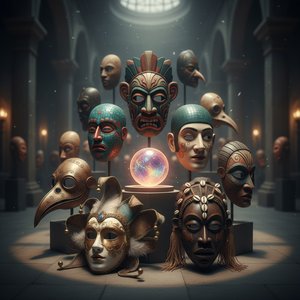
Unveiling the Mystery: A Journey Through the World's Most Iconic Mask Artworks
Embark on a profound journey through the world's most iconic mask artworks. Explore the spiritual depth, intricate craftsmanship, and rich cultural heritage of global traditions, from Chhau to Gomira, in this expert-led exploration of ancestral artistry and symbolic beauty.
Entdecken Sie Kunstwerke, die nach Themen, Stilen und Merkmalen sortiert sind.


