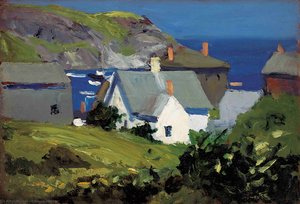
In echtem Maßstab anzeigen
 Versenden als Grußkarte
 Teilen
 Details anzeigen
 Leitfaden öffnen

 Herunterladen
 Ähnliche Objekte
 Röntgenaufnahme
 Diashow
 Besucherstatistiken
Manhattan Bridge Loop


Edward Hopper’s haunting Manhattan Bridge Loop captures urban solitude in muted tones—a masterful depiction of the Jazz Age's anxieties—inviting viewers to contemplate the quiet drama unfolding against a monumental cityscape.
 Mehr anzeigen
Erkunden Sie die ikonischen amerikanischen Realistmalereien von Edward Hopper (1882-1967). Bekannt für seine eindringlichen städtische und ländliche Szenen, seine meisterhafte Verwendung von Licht und seine Themen der Einsamkeit und des modernen Lebens. Entdecken Sie 'House by the Railroad' & mehr bei TopImpressionists.
Giclée / Kunstdruck
Giclée- oder Leinwanddruck in Museumsqualität mit schneller Produktion und flexiblen Veredelungsoptionen. ( Handgemalte Reproduktion kaufen Zum digitalen Bild wechseln)




P118B $10

P118H $10

P118W $10

P438Z $10

P508JH $12

P508YH $12

P805H $10

P805Z $10

P919BZ $10

P919G $10

P919XJ $10

P959ZH $10

P968JZ $12

W106C $8

W218G $10

W218JH $8

W218Y $10

W307PJ $10

W316G $10

W316PJ $8

W316Y $10

W398PJ $8

W4111J $10

W500HY $15

W500JH $15

W692G $12

W849H $8

W940BG $15

W953PJ $8




Standardformat
individuell anpassbar
CM
INCH
Wählen Sie aus unseren vordefinierten Formaten, die den ursprünglichen Proportionen des Kunstwerks entsprechen.
Loading sizes...

Breite
Höhe
Sie können Ihre eigenen Maße eingeben, um ein bestimmtes Format oder einen speziellen Platz einzupassen. Wenn das von Ihnen gewählte Format nicht den Proportionen des Originalbildes entspricht, werden wir das Kunstwerk entweder beschneiden oder das Bild mit einem gespiegelten oder einfarbigen Rand erweitern. Ein digitaler Entwurf wird Ihnen zur Genehmigung zugesandt, bevor die Produktion beginnt.
Bitte beachten Sie, dass die Vorschau auf dem Bildschirm nicht den tatsächlichen Zuschnitt oder die Erweiterung widerspiegelt. Nur der Entwurf zeigt die endgültige Komposition präzise an.
Obwohl Sondermaße verfügbar sind, empfehlen wir die Auswahl eines Maßes aus der vordefinierten Liste, um die ursprünglichen Proportionen zu bewahren.
Weltweiter Versand () innerhalb von 2 Wochen statt der üblichen 4/5 Wochen. (26 September)

Kostenloser weltweiter Expressversand

Hochwertige Leinenleinwand

Vollständiger Versicherungsschutz beim Versand

Zollgebühren-Rückerstattungsgarantie

Garantie für exakte Farbtreue

100-tägiges Rückgaberecht (nur bei Mängeln)

100% Geld-zurück-Garantie

Angebot für Mengenrabatt
 Die Glasoption ist nur für Größen unter 110 cm verfügbar.

Manhattan Bridge Loop
Giclée / Kunstdruck
Format der Reproduktion
-


Gesamtpreis
$ 69
A Symphony of Solitude: The Urban Poetics of Manhattan Bridge Loop
In the quiet, pre-dawn stillness of 1928, Edward Hopper captured more than just a New York City streetscape; he distilled the very essence of modern existence. Manhattan Bridge Loop serves as a profound meditation on the paradox of urban life—the experience of being surrounded by millions yet remaining profoundly alone. As the early morning light filters through the hazy atmosphere of the metropolis, it illuminates a scene that feels both monumental and deeply intimate. The composition, anchored by the sweeping architectural presence of the bridge, invites the viewer to step into a moment frozen in time, where the rhythmic pulse of the city has momentarily slowed to a contemplative heartbeat.
The technical mastery of this piece lies in Hopper’s ability to use chiaroscuro to sculpt emotion. Through the dramatic interplay of light and shadow, the artist breathes life into the cold textures of brick, steel, and pavement. His palette is a sophisticated study in restraint, utilizing muted browns, somber grays, and weathered, rusty hues that evoke the grit and grandeur of the Jazz Age. These colors do not merely represent the physical environment; they set a psychological tone of quiet melancholy. The deliberate, controlled brushstrokes create a sense of stillness so palpable that one can almost hear the distant echo of footsteps against the concrete, making it an ideal centerpiece for those seeking to bring a sense of thoughtful depth and historical gravity to a curated interior.
The Architecture of Isolation and Memory
Beyond its visual allure, the painting functions as a symbolic landscape of the human condition. The two figures positioned within the frame—one walking away into the shadows, the other gazing toward the horizon—act as avatars for the viewer’s own reflections on connection and detachment. They are not protagonists in a grand drama, but rather quiet observers of an indifferent cityscape. This sense of urban isolation is heightened by the towering skyscrapers that loom over the street, creating a scale that emphasizes the vulnerability of the individual against the immensity of the modern machine. For the collector, this work offers a window into the post-World War I era, reflecting the widespread disillusionment and the shifting social landscapes of an America grappling with rapid industrialization.
For interior designers and art enthusiasts alike, Manhattan Bridge Loop offers a timeless aesthetic that transcends fleeting trends. Its monochromatic undertones and structural composition provide a sophisticated anchor for contemporary spaces, blending seamlessly with minimalist or classic decor. To possess a reproduction of this masterpiece is to hold a piece of American history—a fragment of a time when the world was changing irrevocably, captured through the eyes of a master who found beauty in the shadows and poetry in the lonely corners of the city.
Biografie des Künstlers
**frühes Leben und Einflüsse**
Edward Hopper, ein bedeutender amerikanischer Realist-Maler und Grafiker, wurde am 22. Juli 1882 in Upper Nyack, New York, geboren. Seine Familie, von hauptsächlich niederländischer Abstammung, bot eine komfortable Erziehung, die es Hopper ermöglichte, seine künstlerischen Neigungen schon im frühen Alter zu verfolgen. - **Inspirationen:** Hoppers Werk wurde von den Schriften von Ralph Waldo Emerson und den französischen Impressionisten-Meistern Édouard Manet und Edgar Degas beeinflusst. - **Frühzeitige Ausbildung:** Er begann mit Kunststudien durch einen Korrespondenzkurs im Jahr 1899, wechselte später an die New York School of Art and Design.**Künstlerischer Stil und Themen**
Edward Hopper's sparsame und präzise Darstellungen spiegelten seine persönliche Vision des modernen amerikanischen Lebens wider. Sein Werk lässt sich durch folgende Merkmale charakterisieren: - **Städtische und ländliche Szenen:** Beide Umgebungen wurden mit einer einzigartigen Mischung aus Realismus und emotionaler Tiefe dargestellt. - **Beleuchtung:** Eine Meisterschaft der Beleuchtung, oft eingesetzt, um Gefühle von Isolation oder Kontemplation hervorzurufen. - **Figuren:** Oft ohne Gesicht oder im Hintergrund platziert, wodurch die Umgebung gegenüber den Figuren betont wird.**Bekannte Werke und ihre Bedeutung**
- House by the Railroad (Museum of Modern Art, New York, United States), ein Beispiel für Hoppers Fähigkeit, durch eine einfache, aber wirkungsvolle Komposition einen Hauch von Melancholie hervorzurufen. - Reclining Nude (50 x 35 cm, New Realism, Watercolour), das seine Vielseitigkeit bei der Darstellung des menschlichen Körpers demonstriert.**Vermächtnis und Einfluss**
- **Einfluss auf zukünftige Künstler:** Hoppers einzigartiger Stil hat zahlreiche Künstler beeinflusst, darunter Pierre Sanford Ross, der für seine städtischen und ländlichen Szenen bekannt ist. - **dauernde Beliebtheit:** Seine Werke fesseln weiterhin das Publikum mit ihren zeitlosen Themen von Einsamkeit und dem menschlichen Dasein.**Erfahren Sie mehr bei TopImpressionists**
- [https://TopImpressionists.com/@/edward-hopper](Edward Hoppers Werke) - /de/art/show/art-8xyffg-de/Kaufen Sie Kunst inspiriert von den Meistern)- Erkunden Sie die Welt der Kunst mit der umfangreichen Kollektion von TopImpressionists.
- Entdecken Sie, wie Hoppers Vermächtnis weiterhin Künstler und Kunstliebhaber inspiriert.
**Referenzen**
- [https://TopImpressionists.com/@/edward-hopper](Wikipedia: Edward Hopper) - [https://en.wikipedia.org/wiki/edward_hopper](Wikipedia: Edward Hoppers Biografie)
Edward Hopper
1931 - 1967 , Vereinigte Staaten von Amerika
Eckdaten zum Künstler
- Beeinflusste Künstler: ['Pierre Sanford Ross']
- Bemerkenswerte Werke:
- House by the Railroad
- Nighthawks
- Gas
- Chop Suey
- Sommertime
- Einflüsse:
- Ralph Waldo Emerson
- Édouard Manet
- Edgar Degas
- Geburtsdatum: 22. Juli 1882
- Geburtsort: Upper Nyack, USA
- Künstlerischer Stil: Amerikanischer Realismus
- Nationalität: Amerikanisch
- Sterbedatum: 1967
- Vollständiger Name: Edward Hopper
Verwandte Artikel

Mastering Light & Shadow: A Journey Through the Dutch Golden Age's Luminous Legacy
Embark on a cultural journey through the Dutch Golden Age. Explore the masterful interplay of light and shadow in 17th-century masterpieces, from Rembrandt to Vermeer, and discover how this era of profound realism continues to inspire fine art collectors today.
Entdecken Sie Kunstwerke, die nach Themen, Stilen und Merkmalen sortiert sind.