Vorschau anzeigen
 Versenden
 Teilen
 Details anzeigen
 Leitfaden

 Herunterladen
 Ähnliche Objekte
 Röntgenaufnahme
 Diashow
 Q&A
Q&A Statistiken
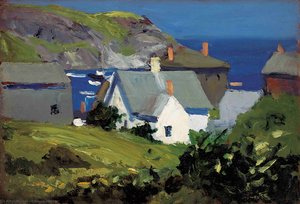
The Camel's Hump
 Acryl auf Leinwand
- Wandkunst
- American Realism
 1931
1931 127.0 x 81.0 cm
Edward Hopper's 'The Camel’s Hump' captures a serene American landscape with a solitary car amidst towering mountains, reflecting themes of isolation and modern life. Explore the iconic realism of this 1931 masterpiece.
 Weiterlesen
Erkunden Sie die ikonischen amerikanischen Realistmalereien von Edward Hopper (1882-1967). Bekannt für seine eindringlichen städtische und ländliche Szenen, seine meisterhafte Verwendung von Licht und seine Themen der Einsamkeit und des modernen Lebens. Entdecken Sie 'House by the Railroad' & mehr bei TopImpressionists.
Die auf dieser Seite dargestellten Kunstwerke sind urheberrechtlich geschützt, was bedeutet, dass wir keine identische Reproduktion rechtmäßig erstellen oder verkaufen dürfen. Dieser Schutz wird durch internationale Abkommen wie die Berner Übereinkunft und durch nationale Gesetze, einschließlich derer, die von den US-Urheberrecht – Titel 17.
Diese Methode entspricht vollumfänglich den Urheberrechtsbestimmungen, da sie keine Kopie oder Vervielfältigung des geschützten Kunstwerks darstellt. Stattdessen handelt es sich um eine kreative Neuinterpretation – ein neues Gemälde, das vom Original inspiriert, aber nicht identisch mit ihm ist.
Giclée / Kunstdruck
Giclée- oder Leinwanddruck in Museumsqualität mit schneller Produktion und flexiblen Veredelungsoptionen. ( Handgemalte Reproduktion bestellen Zum digitalen Bild wechseln)




P118B €10

P118H €10

P118W €10

P438Z €10

P508JH €12

P508YH €12

P805H €10

P805Z €10

P919BZ €10

P919G €10

P919XJ €10

P959ZH €10

P968JZ €12

W106C €8

W218G €10

W218JH €8

W218Y €10

W307PJ €10

W316G €10

W316PJ €8

W316Y €10

W398PJ €8

W4111J €10

W500HY €15

W500JH €15

W692G €12

W849H €8

W940BG €15

W953PJ €8




Standardformat
individuell anpassbar
CM
INCH
Wählen Sie aus unseren vordefinierten Formaten, die den ursprünglichen Proportionen des Kunstwerks entsprechen.
Loading sizes...

Breite
Höhe
Geben Sie die benötigte Breite und Höhe an, damit der Druck perfekt in Ihren Rahmen oder an Ihre Wand passt. Ein Druck kann nur beschnitten, aber niemals größer als das Originalbild angefertigt werden; daher verliert ein Format mit anderen Proportionen einen Teil des Bildes. Wir senden Ihnen ein digitales Mockup zur Freigabe, bevor wir den Druck ausführen. Das auf dieser Seite gezeigte Bild zeigt nicht den tatsächlichen Beschnitt – dies ist nur im Mockup ersichtlich.
Weltweiter Versand () innerhalb von 2 Wochen statt der üblichen 4/5 Wochen. (30 Oktober)

Kostenloser weltweiter Expressversand

Hochwertige Leinenleinwand

Umfassender Versicherungsschutz beim Versand

Zollgebühren-Rückerstattungsgarantie

Garantie für exakte Farbtreue

100 Tage Rückgaberecht (nur bei Mängeln)

100% Geld-zurück-Garantie

Mengenrabatt verfügbar
 Die Glasoption ist nur für Größen unter 110 cm verfügbar.

The Camel's Hump
Giclée / Kunstdruck
Format der Reproduktion
-


Endpreis
€ 61
The Camel’s Hump: A Silent Landscape of Modern Isolation
Edward Hopper's "The Camel’s Hump," painted in 1931, isn’t merely a depiction of a mountain range; it’s a distilled essence of American loneliness and the quiet drama unfolding within the vastness of the modern world. This oil on canvas transports us to a remote corner of Vermont, yet the scene resonates with a profound sense of solitude that speaks volumes about Hopper's masterful ability to capture the unspoken anxieties of his time. The painting’s enduring appeal lies in its deceptively simple composition – a winding road cutting through a rugged landscape dominated by towering, yellowish-hued mountains – and the subtle narrative it suggests, hinting at journeys both literal and metaphorical.
Hopper's New Realism style is powerfully evident here. He eschews romanticized landscapes in favor of an objective portrayal of reality, prioritizing light, shadow, and form over emotional embellishment. The meticulous attention to detail—the texture of the road surface, the subtle variations in color across the mountainsides, the slight curve of the distant trees—creates a remarkably convincing illusion of depth and space. The use of muted tones, punctuated by the warm glow of the sunlight, contributes significantly to the painting’s melancholic atmosphere. It's a world rendered with precision but imbued with an underlying sense of detachment.
A Road Less Traveled: Symbolism and Context
The presence of a solitary car on the road is arguably the most significant element within "The Camel’s Hump." It immediately establishes a theme of travel, not necessarily towards a destination, but rather as an act of seeking—or perhaps fleeing. The car's diminutive size in relation to the immense mountains reinforces this feeling of isolation and vulnerability. It suggests a human presence dwarfed by the power and indifference of nature. This motif aligns perfectly with Hopper’s broader exploration of themes of alienation and urban loneliness, prevalent concerns during the interwar period.
The painting's setting—the Green Mountains of Vermont—adds another layer of meaning. These rugged peaks have a long history as symbols of wilderness and escape, yet here they are presented with a certain stoicism, reflecting the challenges faced by those who venture into them. The choice of this specific location speaks to Hopper’s fascination with the American landscape and his desire to capture its inherent beauty alongside its underlying sense of melancholy. Interestingly, the painting's title itself—borrowed from a prominent Vermont mountain—further anchors it within the regional context, grounding the abstract themes in a tangible place.
The Poetics of Light and Shadow
Hopper’s masterful manipulation of light is central to the painting’s emotional impact. The strong directional lighting casts deep shadows across the mountainsides, creating a dramatic interplay between illumination and darkness. This technique not only enhances the sense of depth but also subtly emphasizes the isolation of the figures within the landscape. The warm glow emanating from the sun suggests a fleeting moment of beauty amidst an otherwise bleak scene, hinting at a transient joy that is quickly overshadowed by the pervasive feeling of solitude.
Furthermore, Hopper’s use of color—primarily earthy tones punctuated by hints of yellow and blue—contributes to the painting's overall mood. The muted palette evokes a sense of quiet contemplation, while the subtle variations in hue create a visually engaging experience for the viewer. The careful orchestration of these elements transforms "The Camel’s Hump" into more than just a landscape; it becomes a poignant meditation on the human condition.
A Timeless Masterpiece: Reproduction and Beyond
"The Camel's Hump" remains one of Edward Hopper’s most iconic works, captivating audiences with its evocative portrayal of American life. TopImpressionists offers meticulously crafted hand-painted reproductions that faithfully capture the painting’s original beauty and emotional depth. These reproductions are not merely copies; they are artistic interpretations created by skilled artisans who understand Hopper's techniques and vision.
Whether you’re an art enthusiast, a collector seeking to expand your collection, or simply someone drawn to Hopper’s timeless aesthetic, a TopImpressionists reproduction of "The Camel’s Hump" provides a stunning way to experience this masterpiece in your own home. It's a piece that invites contemplation, sparking conversations about loneliness, isolation, and the enduring beauty of the American landscape.
Fragen & Antworten
Wie stark ist der Kontrast in "The Camel's Hump" von Edward Hopper?
Der Hell-Dunkel-Kontrast von „The Camel's Hump“ wird mit Aussagekraft angegeben. Der Kontrast beschreibt, wie stark sich helle und dunkle Bereiche voneinander unterscheiden.
Was für ein Kunstwerk ist "The Camel's Hump"?
Im Katalog ist "The Camel's Hump" von Edward Hopper als Wandkunst geführt. Die Kategorie hilft dabei, ähnliche Werke zu finden.
Welche Druckgröße wird für "The Camel's Hump" von Edward Hopper empfohlen?
Für "The Camel's Hump" wird ein Druckformat von Großformatig empfohlen. Weitere Größen sind im gleichen Seitenverhältnis verfügbar.
Ähnliche Kunstwerke


Künstlerbiografie
**frühes Leben und Einflüsse**
Edward Hopper, ein bedeutender amerikanischer Realist-Maler und Grafiker, wurde am 22. Juli 1882 in Upper Nyack, New York, geboren. Seine Familie, von hauptsächlich niederländischer Abstammung, bot eine komfortable Erziehung, die es Hopper ermöglichte, seine künstlerischen Neigungen schon im frühen Alter zu verfolgen. - **Inspirationen:** Hoppers Werk wurde von den Schriften von Ralph Waldo Emerson und den französischen Impressionisten-Meistern Édouard Manet und Edgar Degas beeinflusst. - **Frühzeitige Ausbildung:** Er begann mit Kunststudien durch einen Korrespondenzkurs im Jahr 1899, wechselte später an die New York School of Art and Design.**Künstlerischer Stil und Themen**
Edward Hopper's sparsame und präzise Darstellungen spiegelten seine persönliche Vision des modernen amerikanischen Lebens wider. Sein Werk lässt sich durch folgende Merkmale charakterisieren: - **Städtische und ländliche Szenen:** Beide Umgebungen wurden mit einer einzigartigen Mischung aus Realismus und emotionaler Tiefe dargestellt. - **Beleuchtung:** Eine Meisterschaft der Beleuchtung, oft eingesetzt, um Gefühle von Isolation oder Kontemplation hervorzurufen. - **Figuren:** Oft ohne Gesicht oder im Hintergrund platziert, wodurch die Umgebung gegenüber den Figuren betont wird.**Bekannte Werke und ihre Bedeutung**
- House by the Railroad (Museum of Modern Art, New York, United States), ein Beispiel für Hoppers Fähigkeit, durch eine einfache, aber wirkungsvolle Komposition einen Hauch von Melancholie hervorzurufen. - Reclining Nude (50 x 35 cm, New Realism, Watercolour), das seine Vielseitigkeit bei der Darstellung des menschlichen Körpers demonstriert.**Vermächtnis und Einfluss**
- **Einfluss auf zukünftige Künstler:** Hoppers einzigartiger Stil hat zahlreiche Künstler beeinflusst, darunter Pierre Sanford Ross, der für seine städtischen und ländlichen Szenen bekannt ist. - **dauernde Beliebtheit:** Seine Werke fesseln weiterhin das Publikum mit ihren zeitlosen Themen von Einsamkeit und dem menschlichen Dasein.**Erfahren Sie mehr bei TopImpressionists**
- [https://TopImpressionists.com/@/edward-hopper](Edward Hoppers Werke) - /de/art/show/art-8xyffg-de/Kaufen Sie Kunst inspiriert von den Meistern)- Erkunden Sie die Welt der Kunst mit der umfangreichen Kollektion von TopImpressionists.
- Entdecken Sie, wie Hoppers Vermächtnis weiterhin Künstler und Kunstliebhaber inspiriert.
**Referenzen**
- [https://TopImpressionists.com/@/edward-hopper](Wikipedia: Edward Hopper) - [https://en.wikipedia.org/wiki/edward_hopper](Wikipedia: Edward Hoppers Biografie)
Edward Hopper
1931 - 1967 , Vereinigte Staaten von Amerika
Kurzinfos
- Beeinflusste Künstler: ['Pierre Sanford Ross']
- Bemerkenswerte Werke:
- House by the Railroad
- Nighthawks
- Gas
- Chop Suey
- Sommertime
- Einflüsse:
- Ralph Waldo Emerson
- Édouard Manet
- Edgar Degas
- Geburtsdatum: 22. Juli 1882
- Geburtsort: Upper Nyack, USA
- Künstlerischer Stil: Amerikanischer Realismus
- Nationalität: Amerikanisch
- Sterbedatum: 1967
- Vollständiger Name: Edward Hopper
Ähnliche Artikel

Capturing the Soul of Nature: A Journey Through the Sublime Majesty of American Romanticism
Explore the breathtaking beauty of American Romanticism. Discover how Hudson River School masters captured the sublime spirit of the wilderness through luminous oil landscapes and emotional depth. A journey into the soul of nature for the true art enthusiast.

The Unvarnished Truth: A Cultural Journey Through the Soul of American Realism
Explore the profound beauty of American Realism. From the Ashcan School's urban grit to intimate portraits, discover how artists captured the authentic soul of a nation through unvarnished truth and masterful observation.
Entdecken Sie Kunstwerke, die nach Themen, Stilen und Merkmalen sortiert sind.