


 Vorschau anzeigen
 Versenden
 Teilen
 Details anzeigen
 Leitfaden

 Herunterladen
 Ähnliche Objekte
 Röntgenaufnahme
 Diashow
 Statistiken
The Lotus Screen, S.S.S
 Painting
- Pictorialism
 1909
1909- Modern
 61.0 x 61.0 cm
A poignant portrait of a contemplative woman in black captures deep introspection in Edward Steichen's 1909 painting The Lotus Screen, S.S.S, an evocative masterpiece ready to grace your private collection.
 Weiterlesen
Edward Steichen: Pionier der Fotografie & Mode! Entdecken Sie seine ikonischen Bilder, die 'Family of Man'-Ausstellung und bahnbrechenden Kunstwerke.
Die auf dieser Seite dargestellten Kunstwerke sind urheberrechtlich geschützt, was bedeutet, dass wir keine identische Reproduktion rechtmäßig erstellen oder verkaufen dürfen. Dieser Schutz wird durch internationale Abkommen wie die Berner Übereinkunft und durch nationale Gesetze, einschließlich derer, die von den US-Urheberrecht – Titel 17.
Diese Methode entspricht vollumfänglich den Urheberrechtsbestimmungen, da sie keine Kopie oder Vervielfältigung des geschützten Kunstwerks darstellt. Stattdessen handelt es sich um eine kreative Neuinterpretation – ein neues Gemälde, das vom Original inspiriert, aber nicht identisch mit ihm ist.
Giclée / Kunstdruck
Giclée- oder Leinwanddruck in Museumsqualität mit schneller Produktion und flexiblen Veredelungsoptionen. ( Handgemalte Reproduktion bestellen Zum digitalen Bild wechseln)




P118B €10

P118H €10

P118W €10

P438Z €10

P508JH €12

P508YH €12

P805H €10

P805Z €10

P919BZ €10

P919G €10

P919XJ €10

P959ZH €10

P968JZ €12

W106C €8

W218G €10

W218JH €8

W218Y €10

W307PJ €10

W316G €10

W316PJ €8

W316Y €10

W398PJ €8

W4111J €10

W500HY €15

W500JH €15

W692G €12

W849H €8

W940BG €15

W953PJ €8




Standardformat
individuell anpassbar
CM
INCH
Wählen Sie aus unseren vordefinierten Formaten, die den ursprünglichen Proportionen des Kunstwerks entsprechen.
Loading sizes...

Breite
Höhe
Geben Sie die benötigte Breite und Höhe an, damit der Druck perfekt in Ihren Rahmen oder an Ihre Wand passt. Ein Druck kann nur beschnitten, aber niemals größer als das Originalbild angefertigt werden; daher verliert ein Format mit anderen Proportionen einen Teil des Bildes. Wir senden Ihnen ein digitales Mockup zur Freigabe, bevor wir den Druck ausführen. Das auf dieser Seite gezeigte Bild zeigt nicht den tatsächlichen Beschnitt – dies ist nur im Mockup ersichtlich.
Weltweiter Versand () innerhalb von 2 Wochen statt der üblichen 4/5 Wochen. (26 Oktober)

Kostenloser weltweiter Expressversand

Hochwertige Leinenleinwand

Umfassender Versicherungsschutz beim Versand

Zollgebühren-Rückerstattungsgarantie

Garantie für exakte Farbtreue

100 Tage Rückgaberecht (nur bei Mängeln)

100% Geld-zurück-Garantie

Mengenrabatt verfügbar
 Die Glasoption ist nur für Größen unter 110 cm verfügbar.

The Lotus Screen, S.S.S
Giclée / Kunstdruck
Format der Reproduktion
-


Endpreis
€ 61
A Study in Introspection: The Soul of The Lotus Screen
In the quiet, amber-hued depths of Edward Steichen’s The Lotus Screen, S.S.S, we encounter a moment frozen in time, where the boundaries between painting and photography begin to blur into a singular, evocative vision. Created in 1909, this masterpiece captures a woman lost in a profound state of contemplation. Seated with her hands delicately pressed against her face, she creates a veil of privacy, shielding her inner world from the viewer's gaze. The composition is anchored by a striking contrast: the somber weight of her black attire set against a luminous, golden-yellow background that seems to radiate a soft, melancholic warmth. This interplay of light and shadow does more than just define form; it establishes an atmosphere of heavy, beautiful stillness.
The technique employed in this work reflects Steichen’s unique position at the dawn of the twentieth century, a period where the Pictorialist movement sought to elevate photography to the status of fine art through painterly effects. Every brushstroke—or in the case of his photographic inspirations, every tonal gradation—serves to soften the edges of reality. The presence of a single pink flower tucked into her hair acts as a delicate symbol of fleeting beauty and vulnerability, a poignant counterpoint to the heavy, introspective mood of the subject. This subtle splash of color draws the eye, acting as a focal point that bridges the gap between the woman's physical presence and her emotional interiority.
Timeless Elegance for the Modern Collector
For the discerning collector or interior designer, The Lotus Screen, S.S.S offers much more than mere decoration; it provides a window into an era of profound emotional depth. The painting’s palette—dominated by ochre, gold, and deep blacks—makes it an incredibly versatile piece for sophisticated interior curation. It possesses the rare ability to anchor a room with its gravity while simultaneously adding a layer of warmth and historical prestige. Whether placed in a minimalist contemporary gallery or a richly textured classical study, the artwork commands attention through its quiet strength rather than through loud, jarring colors.
Owning a high-quality reproduction of this work allows one to invite Steichen’s mastery of light into their personal sanctuary. The piece serves as a conversation starter, inviting guests to contemplate the themes of solitude and the human condition. It is an ideal selection for those who appreciate art that speaks in whispers rather than shouts, providing a sense of calm, intellectual stimulation, and a timeless connection to the legendary artistic odyssey of one of the most influential figures of the modern age.
Fragen & Antworten
Welche allgemeine Stimmung vermittelt "The Lotus Screen, S.S.S" von Edward Steichen?
Die allgemeine Stimmung von "The Lotus Screen, S.S.S" von Edward Steichen ist Dramatic. Diese Stimmung beschreibt die Atmosphäre des Werkes.
Welche Art von Kunstwerk ist "The Lotus Screen, S.S.S" von Edward Steichen?
"The Lotus Screen, S.S.S" ist ein Werk der Gattung wall art.
Sind die Farben von "The Lotus Screen, S.S.S" von Edward Steichen leuchtend oder eher dezent?
Die Farben von "The Lotus Screen, S.S.S" von Edward Steichen bestechen durch eine Balanced Soft Sättigung und eine Balanced Intensität.
Künstlerbiografie
Frühe Jahre und künstlerische Anfänge
- Geboren: 27. März 1879 in Bivange, Luxemburg
- Einwanderung in die Vereinigten Staaten: Steichens Familie wanderte 1881 nach Hancock, Michigan, aus.
- Frühes künstlerisches Interesse: Zeigte schon in jungen Jahren ein ausgeprägtes Interesse an Kunst, insbesondere am Zeichnen.
- Erste Kamera und Selbststudium: Erhielt mit sechzehn Jahren seine erste Kamera und lehrte sich größtenteils durch Experimente selbst die Fotografie bei.
- Umzug nach Milwaukee: Die Familie zog nach Milwaukee um, wo er eine Lithographie-Ausbildung absolvierte und gleichzeitig seine künstlerischen Tätigkeiten fortsetzte.
Berufliche Entwicklung und wichtige künstlerische Strömungen
- Früher Piktorialismus: Steichen wurde zu einer bedeutenden Figur der Piktorialistenbewegung, die versuchte, die Fotografie durch weiche Schärfen und malerische Effekte in den Rang einer Kunstform zu erheben.
- Photo-Secession und Camera Work: Er gründete zusammen mit Alfred Stieglitz die Photo-Secession-Gruppe und spielte eine entscheidende Rolle bei der Veröffentlichung von *Camera Work*, einer einflussreichen fotografischen Zeitschrift.
- 291 Galerie: Steichen war maßgeblich an der Gründung der 291 Galerie in New York beteiligt, die avantgardistische europäische Kunst zusammen mit Fotografie ausstellte.
- Übergang zur Straight Photography: Nach dem Ersten Weltkrieg gab er den Piktorialismus auf und wandte sich der Straight Photography zu, die scharfe Schärfen und direkte Darstellung betonte.
- Pionier der Modefotografie: Steichen revolutionierte die Modefotografie während seiner Tätigkeit für *Vogue* und *Vanity Fair* und schuf ikonische Bilder, die den Stil der Ära definierten.
Wichtige Leistungen und bemerkenswerte Werke
- The Pond–Moonlight (1904): Ein bahnbrechendes Werk des Piktorialismus, das für seine atmosphärische Qualität und seinen tonalen Reichtum bekannt ist; erzielte rekordverdächtige Auktionspreise.
- The Flatiron (1904): Eine weitere bedeutende frühe Arbeit, die seine Beherrschung der fotografischen Technik und Komposition demonstriert und ebenfalls einen Rekordpreis bei einer Auktion erzielte.
- Porträts von Prominenten: Er schuf zahlreiche Porträts von bekannten Persönlichkeiten aus Kunst, Literatur und Unterhaltung und fing ihr Wesen mit bemerkenswerter Einsicht ein.
- The Fighting Lady (1944): Regie führte diesen gefeierten Dokumentarfilm über den Zweiten Weltkrieg für die US-Marine, der Aufnahmen von Luftkämpfen zeigt.
- The Family of Man (1955): Kuratierte diese bahnbrechende Ausstellung im Museum of Modern Art, die Fotografien aus aller Welt präsentierte und universelle menschliche Erfahrungen erkundete; wurde in das Memory of the World Register der UNESCO aufgenommen.
Einfluss und historische Bedeutung
- Erhebung der Fotografie zu einer Kunstform: Steichen spielte eine entscheidende Rolle bei der Etablierung der Fotografie als angesehene Kunstform durch seine Beteiligung am Piktorialismus, der Photo-Secession und *Camera Work*.
- Pionier der Modefotografie: Sein innovativer Ansatz in der Modefotografie transformierte die Branche und beeinflusste Generationen von Fotografen.
- Förderung des internationalen künstlerischen Austauschs: Die 291 Galerie diente als wichtige Plattform für die Einführung moderner europäischer Kunst bei amerikanischem Publikum.
- Dokumentation menschlicher Erfahrungen: *The Family of Man* ist ein eindrucksvolles Zeugnis der gemeinsamen Menschlichkeit über Kulturen und Kontinente hinweg.
- Vermächtnis: Steichens Vielseitigkeit, künstlerische Vision und sein kommerzieller Erfolg festigten seinen Platz als einer der einflussreichsten Fotografen des 20. Jahrhunderts.
Spätere Jahre und Tod
- Direktor der Fotografie bei MoMA: Von 1947 bis 1961 war Steichen Direktor der Abteilung für Fotografie am Museum of Modern Art (MoMA) in New York.
- Fortsetzung des Experimentierens: Er experimentierte weiterhin mit der Fotografie bis zu seinem Tod.
- Tod: Edward Jean Steichen starb am 25. März 1973 in Redding, CT.

Edward Steichen
1900 - 1973 , Luxemburg
Kurzinfos
- Beeinflusste Künstler: ['Alfred Stieglitz']
- Bemerkenswerte Werke:
- The Pond–Moonlight
- The Flatiron
- Le tournesol (Sonnenblume)
- Geburtsdatum: 27. März 1879
- Geburtsort: Bivange, Luxemburg
- Künstlerische Bewegung:
- Pictorialismus
- Straight Photography
- Nationalität: Luxemburger Amerikaner
- Todatum: 25. März 1973
- Vollständiger Name: Edward Jean Steichen
Ähnliche Artikel

Die Top 10 Gemälde der Kunstgeschichte – Dominiert von tiefem Schwarz
Entdecken Sie die Top 10 Gemälde, die von tiefem Schwarz und dramatischer Atmosphäre geprägt sind. Von Caravaggio bis Manet – Kunstgeschichte erleben & hochwertige Reproduktionen auf finden! Jetzt entdecken.
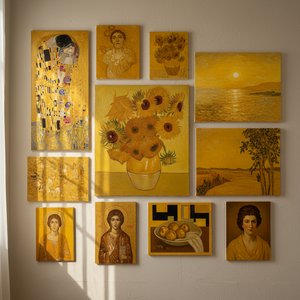
Die Top 10 berühmter Gemälde im Gelbocherton – Kunst für Ihr Zuhause |
Entdecken Sie die Top 10 berühmter Gemälde, dominiert von warmen Gelbochtönen! Von Van Gogh bis Monet – erfahren Sie die Geschichten hinter den Meisterwerken und lassen Sie sich für Ihre Wohnraumgestaltung inspirieren. Hochwertige Kunstdrucke auf
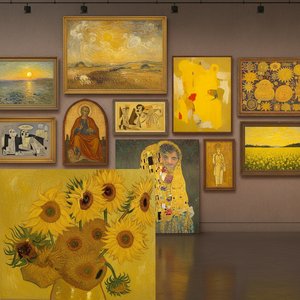
Chromgelb in der Kunstgeschichte: Die 10 berühmtesten Gemälde & ihre Meister
Entdecken Sie die 10 berühmtesten Gemälde, dominiert von der leuchtenden Farbe Chromgelb! Von Van Gogh bis Monet – erfahren Sie Geschichten hinter Meisterwerken & finden Sie Ihre perfekte Kunst-Reproduktion auf TopImpressionists.com.

Die zartesten Meisterwerke: Top 10 Gemälde in Lichtrosa & ihre Geschichte |
Entdecken Sie die Top 10 berühmter Gemälde in zarten Rosatönen! Von impressionistischen Meisterwerken bis hin zu romantischen Ikonen – erfahren Sie mehr über Künstler, Techniken & Geschichte. Hochwertige Kunstdrucke auf .

Die Top 10 berühmter Gemälde im Reich der dunklen Töne |
Entdecken Sie die Top 10 berühmter Gemälde, beherrscht von dunklen Tönen! Von Caravaggio bis Manet – erfahren Sie die Geschichten hinter Meisterwerken der Kunstgeschichte. Finden Sie Ihre perfekte Reproduktion auf .
Entdecken Sie Kunstwerke, die nach Themen, Stilen und Merkmalen sortiert sind.


