Vorschau anzeigen
 Versenden
 Teilen
 Details anzeigen
 Leitfaden

 Herunterladen
 Ähnliche Objekte
 Röntgenaufnahme
 Diashow
 Q&A
Q&A Statistiken
The Rising Tide


Experience the serene waves of Felix Vallotton's 1913 masterpiece, The Rising Tide; capture this beautiful blend of nature and quiet life for your collection.
 Weiterlesen
Entdecken Sie Félix Vallotton (1865-1925), Schweizer/Französischer Maler & Grafiker! Post-Impressionismus, Symbolik, eindrucksvolle Holzschnitte & die 'Intimitäten'-Serie. Beeinflusste Munch u.a.
Giclée / Kunstdruck
Giclée- oder Leinwanddruck in Museumsqualität mit schneller Produktion und flexiblen Veredelungsoptionen. ( Handgemalte Reproduktion bestellen Zum digitalen Bild wechseln)




P118B €10

P118H €10

P118W €10

P438Z €10

P508JH €12

P508YH €12

P805H €10

P805Z €10

P919BZ €10

P919G €10

P919XJ €10

P959ZH €10

P968JZ €12

W106C €8

W218G €10

W218JH €8

W218Y €10

W307PJ €10

W316G €10

W316PJ €8

W316Y €10

W398PJ €8

W4111J €10

W500HY €15

W500JH €15

W692G €12

W849H €8

W940BG €15

W953PJ €8




Standardformat
individuell anpassbar
CM
INCH
Wählen Sie aus unseren vordefinierten Formaten, die den ursprünglichen Proportionen des Kunstwerks entsprechen.
Loading sizes...

Breite
Höhe
Geben Sie die benötigte Breite und Höhe an, damit der Druck perfekt in Ihren Rahmen oder an Ihre Wand passt. Ein Druck kann nur beschnitten, aber niemals größer als das Originalbild angefertigt werden; daher verliert ein Format mit anderen Proportionen einen Teil des Bildes. Wir senden Ihnen ein digitales Mockup zur Freigabe, bevor wir den Druck ausführen. Das auf dieser Seite gezeigte Bild zeigt nicht den tatsächlichen Beschnitt – dies ist nur im Mockup ersichtlich.
Weltweiter Versand () innerhalb von 2 Wochen statt der üblichen 4/5 Wochen. (1 November)

Kostenloser weltweiter Expressversand

Hochwertige Leinenleinwand

Umfassender Versicherungsschutz beim Versand

Zollgebühren-Rückerstattungsgarantie

Garantie für exakte Farbtreue

100 Tage Rückgaberecht (nur bei Mängeln)

100% Geld-zurück-Garantie

Mengenrabatt verfügbar
 Die Glasoption ist nur für Größen unter 110 cm verfügbar.

The Rising Tide
Giclée / Kunstdruck
Format der Reproduktion
-


Endpreis
€ 61
The Serene Power of Nature in Vallotton's Brushwork
To stand before The Rising Tide is to be enveloped by a moment suspended between the vastness of the ocean and the quiet intimacy of human experience. Felix Vallotton, with his signature blend of meticulous observation and evocative atmosphere, has gifted us this stunning oil on canvas from 1913. It is more than just a depiction of waves crashing upon a shore; it is a meditation on nature's relentless rhythm set against the backdrop of fleeting human presence. The composition immediately draws the eye across the expanse of water, where the ocean’s energy seems palpable, captured in layers of soft yet powerful pigment.
A Study in Soft Color and Serene Atmosphere
Vallotton’s technique here is masterful, showcasing his ability to render both the monumental force of nature and the delicate quality of life. The palette itself speaks volumes—soft colors dominate, lending the entire scene a profoundly serene atmosphere that seems to wash over the viewer like the incoming tide. While the waves crash with visible energy, there is no sense of chaos; rather, it is an organized, beautiful surrender to natural law. Notice how the water spreads across the canvas, some crests reaching higher than others, creating a dynamic yet harmonious visual flow. This careful handling of light and color is characteristic of Vallotton’s later work, inviting contemplation.
Echoes of Life on the Shoreline
Amidst this grand natural spectacle, life persists in quiet vignettes. The painting thoughtfully includes several figures—one standing near the center, another positioned toward the right edge—whose presence grounds the scene in human reality. Further adding to the narrative depth is the inclusion of a dog, nestled towards the bottom left corner. These elements are not mere decorative additions; they are anchors that allow us, the viewers, to project our own sense of companionship and momentary pause onto the canvas. They suggest a shared, peaceful communion with the environment.
Historical Context and Enduring Appeal
Created in 1913, this work sits at a fascinating juncture in art history, reflecting Vallotton’s journey through various modern movements while maintaining a distinct personal voice. While some sources touch upon Magic Realism in his later pieces, the core of The Rising Tide remains rooted in an almost Post-Impressionist appreciation for light and mood. For collectors and designers alike, this piece offers a window into early 20th-century sensibilities—a yearning for beauty found not in grand pronouncements, but in the quiet unfolding of daily life by the sea. Owning a reproduction allows one to bring this sophisticated blend of natural grandeur and gentle humanism into a contemporary space.
Fragen & Antworten
Welche Farbe dominiert in "The Rising Tide" von Félix Vallotton?
Die dominante Farbe von "The Rising Tide" von Félix Vallotton ist Golden Yellow Range. Dieser Farbton bildet die Grundlage der Palette.
Wie stellt "The Rising Tide" von Félix Vallotton eine Verbindung zwischen Magic Realism und dem Heimatland des Künstlers her?
"The Rising Tide" wurde von Félix Vallotton geschaffen, der in Schweiz geboren wurde, und ist der Magic Realism-Bewegung zuzuordnen. Die Herkunft des Künstlers verbindet das Werk mit der Magic Realism, wie sie von Künstlern aus Schweiz praktiziert wird.
Welches Format hat "The Rising Tide"?
"The Rising Tide" von Félix Vallotton hat ein Portrait-Format. Das Format beschreibt die Proportionen der Komposition.
Ähnliche Kunstwerke


Künstlerbiografie
Frühes Leben und Ausbildung
Félix Édouard Vallotton, ein schweizerisch-französischer Maler und Grafiker, wurde am 28. Dezember 1865 in Lausanne, Schweiz, geboren. Er besuchte das Collège Cantonal und schloss 1882 mit einem Abschluss in klassischen Studien ab. In diesem Jahr zog er nach Paris, um unter Jules Joseph Lefebvre und Gustave Boulanger an der Académie Julian Kunst zu studieren.Künstlerischer Stil und Einflüsse
Vallottons früheste Gemälde, hauptsächlich Porträts, sind fest im akademischen Tradition verwurzelt. Sein Stil entwickelte sich jedoch bald weiter, beeinflusst vom Postimpressionismus, Symbolismus und insbesondere von japanischem Holzschnitt. Er betonte Umrisse und flache Muster und eliminierte allmähliche Übergänge und Modellierungen, die traditionell durch Schraffur erzeugt wurden.Wichtige Werke
- Intimités (Intimacies), eine Reihe von zehn Innenräumen, die 1898 veröffentlicht wurden und sich mit der Spannung zwischen Männern und Frauen befassen.
- Badeende an einem Sommerabend (1892–93), jetzt im Kunsthaus Zürich.
- Mondlicht (1895), im Musée d'Orsay.
Verbindung zu den Nabis und späteres Werk
Ab 1892 war Vallotton mit Les Nabis verbunden, einer Gruppe junger Künstler, darunter Pierre Bonnard, Ker-Xavier Roussel, Maurice Denis und Édouard Vuillard. Seine Gemälde spiegelten den Stil seiner Holzschnitte wider, mit flachen Farbflächen, harten Kanten und Vereinfachung von Details.Vermächtnis
Vallottons grafische Kunst erreichte in den späten 1890er Jahren ihren Höhepunkt und wurde in Europa sowie in den Vereinigten Staaten in Zeitschriften und Büchern weit verbreitetet. Sein Einfluss ist in der Arbeit von Edvard Munch, Aubrey Beardsley und Ernst Ludwig Kirchner zu sehen.Wichtige Links:
Félix Vallotton
1865 - 1925 , Schweiz
Kurzinfos
- Beeinflusste Künstler:
- Edvard Munch
- Aubrey Beardsley
- Ernst Ludwig Kirchner
- Bemerkenswerte Werke:
- Intimitäten (Intimacies)
- Badeende an einem Sommerabend
- Mondlicht
- Einflussreiche Kunstrichtung: Holbein, Ingres
- Geburtsdatum: 28. Dezember 1865
- Geburtsort: Lannes, Schweiz
- Künstlerische Richtung: Post-Impressionismus, Symbolismus
- Nationalität: Schweizer/Französisch
- Sterbedatum: 29. Dezember 1925
- Vollständiger Name: Félix Vallotton
Ähnliche Artikel

Chasing Light: The Soulful Beauty and Eternal Legacy of Impressionist Landscapes
Discover the soulful beauty of Impressionist landscapes. Explore the mastery of Claude Monet and the revolution of light through expert art history insights and premium, hand-painted oil reproductions designed for discerning collectors.

Capturing the Light of Amsterdam: A Journey Through Impressionist Masterpieces of the Dutch Canals
Embark on a visual journey through the luminous Amsterdam canals. Discover how Impressionist masters captured the fleeting light of the Dutch landscape through evocative brushwork and color. Explore the timeless beauty of these masterpieces for your private art collection.
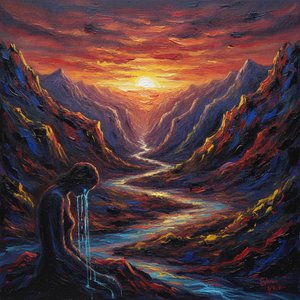
Capturing Emotion: A Journey Through the Soul of Expressionist Landscapes
Explore the profound emotional depth of Expressionist landscapes. Discover how Post-Impressionist masters moved beyond light to capture the soul through vibrant color and form. A curated journey for true art lovers seeking the beauty of expressive mastery.

The Soul of Impressionism: Why Oil on Canvas Captures Eternal Light and Timeless Emotion
Discover the enchanting alchemy of Impressionism. Explore how the mastery of oil on canvas, through glazing and impasto, captures eternal light and emotion. Perfect for lovers of Monet and Van Gogh seeking the profound depth of hand-painted fine art.
Entdecken Sie Kunstwerke, die nach Themen, Stilen und Merkmalen sortiert sind.