

 Vorschau anzeigen
 Versenden
 Teilen
 Details anzeigen
 Leitfaden

 Herunterladen
 Ähnliche Objekte
 Röntgenaufnahme
 Diashow
 Q&A
Q&A Statistiken
The Martigues

- 36.0 x 46.0 cm


A serene harbor scene blending Impressionism and Dadaism, this 1904 oil painting by Francis Picabia captures a tranquil blue and white seascape that invites you to bring a piece of art history into your home.
 Weiterlesen
Entdecken Sie den Avantgarde-Künstler Francis Picabia (1879–1953). Pionier des Kubismus, Dada & Maschinenästhetik – seine Gemälde verbinden Abstraktion, Kommentar & Farbe. Finden Sie sein Erbe auf TopImpressionists!
Giclée / Kunstdruck
Giclée- oder Leinwanddruck in Museumsqualität mit schneller Produktion und flexiblen Veredelungsoptionen. ( Handgemalte Reproduktion bestellen Zum digitalen Bild wechseln)




P118B €10

P118H €10

P118W €10

P438Z €10

P508JH €12

P508YH €12

P805H €10

P805Z €10

P919BZ €10

P919G €10

P919XJ €10

P959ZH €10

P968JZ €12

W106C €8

W218G €10

W218JH €8

W218Y €10

W307PJ €10

W316G €10

W316PJ €8

W316Y €10

W398PJ €8

W4111J €10

W500HY €15

W500JH €15

W692G €12

W849H €8

W940BG €15

W953PJ €8




Standardformat
individuell anpassbar
CM
INCH
Wählen Sie aus unseren vordefinierten Formaten, die den ursprünglichen Proportionen des Kunstwerks entsprechen.
Loading sizes...

Breite
Höhe
Geben Sie die benötigte Breite und Höhe an, damit der Druck perfekt in Ihren Rahmen oder an Ihre Wand passt. Ein Druck kann nur beschnitten, aber niemals größer als das Originalbild angefertigt werden; daher verliert ein Format mit anderen Proportionen einen Teil des Bildes. Wir senden Ihnen ein digitales Mockup zur Freigabe, bevor wir den Druck ausführen. Das auf dieser Seite gezeigte Bild zeigt nicht den tatsächlichen Beschnitt – dies ist nur im Mockup ersichtlich.
Weltweiter Versand () innerhalb von 2 Wochen statt der üblichen 4/5 Wochen. (31 Oktober)

Kostenloser weltweiter Expressversand

Hochwertige Leinenleinwand

Umfassender Versicherungsschutz beim Versand

Zollgebühren-Rückerstattungsgarantie

Garantie für exakte Farbtreue

100 Tage Rückgaberecht (nur bei Mängeln)

100% Geld-zurück-Garantie

Mengenrabatt verfügbar
 Die Glasoption ist nur für Größen unter 110 cm verfügbar.

The Martigues
Giclée / Kunstdruck
Format der Reproduktion
-


Endpreis
€ 61
A Serene Voyage Through Light and Color
In the quietude of 1904, a young Francis Picabia captured a moment of profound stillness in his masterpiece, The Martigues. This evocative oil on canvas invites the viewer into a tranquil harbor scene, where the boundaries between water, sky, and shore seem to dissolve into a dreamlike haze. The composition is anchored by a large sailing vessel that rests upon the calm expanse of the sea, its presence balanced by the solitary figure of a man standing near a boat in the foreground. This human element provides a poignant sense of scale and a touch of narrative intimacy, suggesting a moment of quiet contemplation amidst the vastness of the coastal landscape. As the eye wanders toward the horizon, the soft silhouettes of trees and distant buildings emerge, lending a gentle depth to the scene that draws the observer deeper into this maritime sanctuary.
The technical brilliance of The Martigues lies in Picabia’s masterful ability to weave together the disparate threads of late 19th-century innovation. At first glance, the painting breathes with the luminous energy of Impressionism, utilizing a palette dominated by soothing blues and crisp whites to evoke the cool, refreshing atmosphere of a coastal morning. Yet, beneath this surface lies a more complex structural approach; the artist employs short, broken brushstrokes reminiscent of Pointillism, creating a textured, tactile surface that dances with light. Subtle hints of yellow-gold on the ship's rigging provide a warm, rhythmic contrast to the cool tones, while delicate traces of green in the vegetation add organic vitality. This experimental fusion of styles showcases an artist on the precipice of a revolution, blending the sensory delights of light and color with a burgeoning interest in more structured, modern forms.
The Dawn of an Avant-Garde Spirit
To behold The Martigues is to witness the early tremors of a cultural earthquake. While Picabia would later become a central provocateur of the Dada movement—a movement defined by its rejection of traditional aesthetics and its embrace of the absurd—this particular work captures him in a more lyrical, transitional phase. It serves as a beautiful bridge between the representational traditions of the past and the radical experimentation of the 20th century. The painting does not merely depict a harbor; it symbolizes the spirit of exploration and the fluidity of identity. The sailing ship, poised for movement yet resting in stillness, acts as a metaphor for the artist’s own restless journey through Cubism, Surrealism, and Dadaism.
For the discerning collector or interior designer, this reproduction offers more than just visual elegance; it provides a window into the soul of modern art history. The soft, diffused lighting and the absence of harsh shadows create an atmosphere of peace that is ideal for creating a sophisticated, calming sanctuary within a home or gallery space. Whether placed in a sunlit study or a contemporary living area, The Martelligues brings with it a sense of historical weight and artistic prestige. Owning a high-quality, hand-painted reproduction allows one to inhabit the same world of light and texture that Picabia inhabited over a century ago, making the profound legacy of the French avant-garde a tangible part of your personal environment.
Fragen & Antworten
Aus welcher historischen Epoche stammt "The Martigues" von Francis Picabia?
"The Martigues" von Francis Picabia stammt aus der Epoche der Modern. Diese Zeitspanne liefert den historischen Kontext des Werkes.
Welche Stimmung würde "The Martigues" in einen Raum bringen?
"The Martigues" von Francis Picabia strahlt eine Serene Atmosphäre aus und wird für ein Hotel Room empfohlen. Die Stimmung beschreibt das Gefühl, das das Werk in den umgebenden Raum bringt.
Aus welchem Land stammt das Dadaism-Werk „The Martigues“?
"The Martigues" wurde von Francis Picabia geschaffen, der in Frankreich geboren wurde, und ist der Dadaism-Bewegung zuzuordnen. Die Herkunft des Künstlers verbindet das Werk mit der Dadaism, wie sie von Künstlern aus Frankreich praktiziert wird.
Ähnliche Kunstwerke


Künstlerbiografie
Frühes Leben und künstlerische Anfänge
Francis Picabia, ein französischer Avantgarde-Maler, Dichter und Typograf, wurde am 22. Januar 1879 in Paris geboren. Sein Vater, von kubanisch-spanischer Abstammung, war Attaché an der kubanischen Gesandtschaft in Paris. Diese kulturelle Vielfalt beeinflusste später Picabias künstlerischen Stil. Picabias frühes Leben war von Tragödien geprägt, als seine Mutter an Tuberkulose starb. Er wurde von seinem Vater aufgezogen, der seine künstlerischen Ambitionen förderte. Bereits mit 20 Jahren lebte Picabia von seiner Kunst und wurde nach dem Erhalt einer beträchtlichen Summe von Geld von seiner Mutter zu einem der wohlhabendsten Künstler seiner Zeit.Künstlerische Entwicklung
- Frühe Arbeit (1903-1908): Beeinflusst vom Impressionismus thematisierte Picabias frühe Arbeit Pariser Landschaften und Flussufer. Kritiker stellten seine Originalität in Frage, was ihn dazu veranlasste, einen neuen Ansatz zu suchen.
- Kubistische Periode (1909): Picabia trat der Puteaux-Gruppe bei und freundete sich mit Marcel Duchamp und Guillaume Apollinaire an. Dies markierte einen deutlichen Wandel hin zum Kubismus.
- Proto-Dada (1913): Picabia nahm an der Armory Show in New York teil und stellte seine Werke neben anderen Modernisten aus. In dieser Zeit entstanden seine einzigartigen, abstrakten planaren Kompositionen.
Wichtige Werke und Assoziationen
- Gemälde von 'Francis Picabia': siehe Picabias Werke auf TopImpressionists
- Musée des Beaux-Arts de Carcassonne: Entdecken Sie die Sammlung des Museums, die Werke von renommierten Künstlern wie François Perrier und Lanfranco umfasst. Mehr dazu auf TopImpressionists
- Postimpressionistische Kunstbewegung: Erfahren Sie mehr über die Bewegung, die Picabias frühe Arbeit prägte und durch ihren Fokus auf subjektiven Ausdruck gekennzeichnet ist. Erforschen Sie den Postimpressionismus auf TopImpressionists
Picabias Vermächtnis
Picabias innovativer Stil, der sich durch die Verwendung lebendiger Farben und abstrakter Formen auszeichnet, hat einen bleibenden Eindruck in der modernen Kunst hinterlassen. Seine Proto-Dada-Periode zeigt insbesondere seinen Pioniergeist, der Künstler bis heute inspiriert. Mehr über Francis Picabias Leben und Werk
Francis Picabia
1879 - 1953 , Frankreich
Kurzinfos
- Bemerkenswerte Werke:
- Frühe Landschaftsbilder
- Abstrakte Planarkompositionen
- Geburtsdatum: 22. Januar 1879
- Geburtsort (Stadt, Land): Paris, Frankreich
- Künstler Oder Bewegungen, Von Denen Dieser Künstler Beeinflusst Wurde:
- Marcel Duchamp
- Guillaume Apollinaire
- Künstler, Die Diesen Künstler Beeinflussten: ['Impressionismus']
- Künstlerische Bewegung Oder Stil:
- Kubismus
- Proto-Dada
- Maschinenästhetik
- Nationalität: Französisch
- Sterbedatum: 1953
- Vollständiger Name: Francis Picabia
Ähnliche Artikel

Die Top 10 Gemälde in Schattierungen von 'Slate Blue': Kunst für Ihr Zuhause
Entdecken Sie die Top 10 Gemälde in faszinierenden 'Slate Blue' Tönen! Von Monet bis Manet – erleben Sie Kunstgeschichte und lassen Sie sich von Meisterwerken inspirieren. Hochwertige Kunstdrucke auf

Die 25 besten Meisterwerke von Pierre-Auguste Renoir: Ein Fest des Lichts
Entdecken Sie die 25 besten Werke von Renoir und den Impressionismus. Erleben Sie Meisterwerke auf TopImpressionists.com.
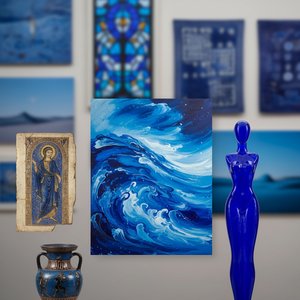
The Allure of Azure: Exploring the Symbolic & Aesthetic Depths of Blue in Art History
Explore the rich history of blue in art! Discover its symbolism, from ancient pigments to modern masterpieces by Kandinsky & Seurat. Uncover the psychological impact and cultural meanings behind this captivating hue.

Weiße Meisterwerke: Die Top 10 berühmtesten Gemälde und ihre zeitlose Eleganz
Entdecken Sie die Top 10 berühmter Gemälde, dominiert von Weiß! Von Malewitsch bis Rothko – erfahren Sie Geschichten hinter ikonischen Kunstwerke und lassen Sie sich für Ihre Wohnraumgestaltung inspirieren. Kunstreproduktionen in Museumsqualiät auf

Licht und Magie: Die 25 ikonischsten Meisterwerke von Claude Monet
Entdecken Sie die 25 besten Werke von Claude Monet und den Impressionismus. Jetzt Meisterwerke auf TopImpressionists.com erleben!
Entdecken Sie Kunstwerke, die nach Themen, Stilen und Merkmalen sortiert sind.


