Atelier — Kostenloser weltweiter Versand — Lieferzeit 2–6 Wochen
Foto zum Gemälde machen Wunschliste Warenkorb
Vorschau anzeigenVorschau anzeigen In AR erlebenIn AR erleben Handgemaltes Gemälde kaufen Handgemaltes Gemälde kaufenBild kaufen Bild kaufen VersendenVersenden
Details anzeigenDetails anzeigen Zu Favoriten hinzufügen Zu Favoriten hinzufügen HerunterladenHerunterladen Ähnliche ObjekteÄhnliche Objekte RöntgenaufnahmeRöntgenaufnahme DiashowDiashow

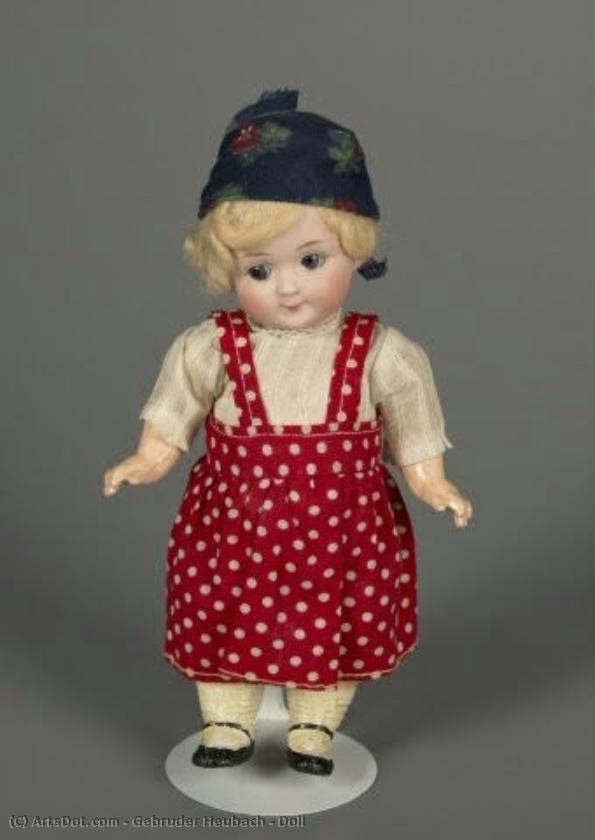
Doll

Ernst Heubach prägte die Herstellung von hochwertigen Bisquedollen und verkörperte deutsche Porzellankunst des 19. Jahrhunderts – eine einzigartige Verbindung zwischen Kunst und Spielzeuggeschichte! Seine außergewöhnliche Detailtreue und der berühmte Horseshoe-Stempel machen diese Puppen zu begehrten Sammlerstücken.

Giclée / Kunstdruck

Giclée- oder Leinwanddruck in Museumsqualität mit schneller Produktion und flexiblen Veredelungsoptionen. (Handgemaltes Gemälde kaufen Handgemaltes Gemälde kaufenBild kaufen Bild kaufen)

Standard
custom
CM
INCH

Wählen Sie aus unseren vordefinierten Formaten, die den ursprünglichen Proportionen des Kunstwerks entsprechen.

Breite
Höhe

Sie können Ihre eigenen Maße eingeben, um ein bestimmtes Format oder einen speziellen Platz einzupassen. Wenn das von Ihnen gewählte Format nicht den Proportionen des Originalbildes entspricht, werden wir das Kunstwerk entweder beschneiden oder das Bild mit einem gespiegelten oder einfarbigen Rand erweitern. Ein digitaler Entwurf wird Ihnen zur Genehmigung zugesandt, bevor die Produktion beginnt.
Bitte beachten Sie, dass die Vorschau auf dem Bildschirm nicht den tatsächlichen Zuschnitt oder die Erweiterung widerspiegelt. Nur der Entwurf zeigt die endgültige Komposition präzise an.
Obwohl Sondermaße verfügbar sind, empfehlen wir die Auswahl eines Maßes aus der vordefinierten Liste, um die ursprünglichen Proportionen zu bewahren.

Weltweiter Versand () innerhalb von 2 Wochen statt der üblichen 4/5 Wochen. (12 August)

why_choose_icon
Kostenloser weltweiter Expressversand
why_choose_icon
Hochwertige Leinenleinwand
why_choose_icon
Umfassender Versicherungsschutz beim Versand
why_choose_icon
Zollgebühren-Rückerstattungsgarantie
why_choose_icon
Garantie für exakte Farbtreue
why_choose_icon
60 Tage Rückgaberecht (nur bei Mängeln)
why_choose_icon
100% Geld-zurück-Garantie
why_choose_icon
Mengenrabatt verfügbar

Gesamtpreis

$ 69

reproduction

Doll

Giclée / Kunstdruck

Format der Reproduktion

-

Gesamtpreis

$ 69

Sammlerstück-Beschreibung

At the beginning of the 20th century, some dolls

Über den Künstler

Gebruder Heubach: Masters of Bisque Porcelain Dolls

Ernst Heubach (1858-1932) stands as a pivotal figure in the history of German toy manufacturing, specifically renowned for his contribution to the exquisite art of bisque porcelain dolls. Based in Köppelsdorf, Thuringia—a region steeped in tradition and nestled near Sonneberg’s famed Toy Museum—the Heubach brothers established their workshop in 1858, initially focusing on crafting delicate porcelain figurines alongside tableware items. However, it was the production of bisque dolls from 1885 onwards that cemented their legacy as innovators and artisans of unparalleled quality.

Early Years & Founding

Georg Christoph Heubach and Philipp Jakob Heubach inherited a modest porcelain factory from Wilhelm Liebmann in Lichte, Thuringia. Recognizing the potential for artistic expression beyond utilitarian ceramics, they embarked on a journey to elevate porcelain artistry, establishing Ernst Heubach Porzellanfabrik in 1876. The brothers’ vision extended far beyond mere functionality; they aspired to create objects of beauty that would inspire wonder and delight. Their initial endeavors encompassed tableware items alongside figurines—a deliberate choice reflecting the broader artistic currents of their time.

Innovation & Expansion

Driven by entrepreneurial spirit and fueled by collaborations with skilled sculptors from Sonneberg’s Art School, the brothers swiftly broadened their horizons. They embraced new technologies—particularly the introduction of bisque firing—allowing for unprecedented detail and realism in doll faces. This pioneering approach attracted partnerships with prominent doll makers like Cuno & Otto Dressel and Adolf Wislizenus. Bisque firing—a transformative technique involving fusing porcelain clay at high temperatures—was instrumental in achieving this remarkable level of realism, elevating Heubach dolls to a new echelon of artistic sophistication. These collaborations fostered stylistic innovation and ensured that their dolls reflected the aesthetic sensibilities of their contemporaries.

The Doll Mark

A distinctive horseshoe mark, symbolizing prosperity and craftsmanship, became synonymous with Heubach dolls. This emblem—often found stamped on the porcelain heads—served as a testament to their meticulous production standards and unwavering commitment to artistic excellence. The mark’s presence instantly identifies these dolls as creations of exceptional quality—a visual declaration of pride in their heritage and mastery of technique. It represents more than just branding; it embodies the values of precision, artistry, and enduring tradition that defined the Heubach brothers' workshop.

Notable Collaborations & Doll Ranges

Gebrüder Heubach didn’t operate in isolation; they actively engaged with fellow artisans, fostering a vibrant ecosystem of doll production. Their dolls graced the workshops of Cuno & Otto Dressel, Johannes Gottilf Dietich, Seyfarth & Reinhardt and Adolf Wislizenus, resulting in diverse collections reflecting stylistic influences from across Europe. These partnerships weren’t merely transactional; they represented a shared dedication to artistic excellence—a collective pursuit of beauty and innovation that enriched the dollmaking landscape. Collaborations with sculptors like Armand Marseille further solidified Heubach's reputation as a champion of artistic vision.

Legacy & Decline

Despite facing challenges during World War I and subsequent political upheaval—including nationalization by East Germany—Gebruder Heubach persevered. The firm’s final incarnation, Vereinigte Köppelsdorf Porzellanfabrik vorm. Armand Marseille und Ernst Heubach, continued to produce dolls until 1932. Though the workshop ceased operations during the Nazi era, its enduring influence on German toy history remains undeniable—a testament to the brothers’ unwavering commitment to artistic excellence and their pioneering role in shaping the history of German toy manufacturing. Their creations continue to captivate audiences with their beauty and artistry, securing their place as icons of a bygone era.
Ernst Heubach

Ernst Heubach

1858 - 1932 , Deutschland

Kurzinfos

  • Artistic Movement Or Style: Porzellin Herstellung
  • Artists Or Movements Influenced By This Artist: ['Cuno & Otto Dressel']
  • Artists Who Influenced This Artist: ['Armand Marseille']
  • Date Of Birth: 1858
  • Full Name: Georg Christoph Heubach & Philipp Jakob Heubach
  • Nationality: Deutsch
  • Notable Artworks:
    • Jutta
    • Igodi
    • Revalo
  • Place Of Birth: Köppelstedt, Deutschland
© TopImpressionists.com — Alle Rechte vorbehalten  ·  100% handgemalt · Zufriedenheitsgarantie · Kostenloser weltweiter Versand
VISA MASTERCARD