Atelier — Kostenloser weltweiter Versand — Lieferzeit 2–6 Wochen
Wunschliste Warenkorb
PreviewPreview Gemälde kaufen Gemälde kaufenBild kaufen Bild kaufen VersendenVersenden
Details anzeigenDetails anzeigen Zu Favoriten hinzufügen Zu Favoriten hinzufügen HerunterladenHerunterladen Ähnliche ObjekteÄhnliche Objekte RöntgenaufnahmeRöntgenaufnahme Diashow anzeigenDiashow anzeigen

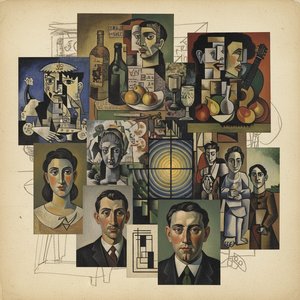
Vanitas

Georges Braque’s haunting ‘Vanitas,’ painted in 1939, confronts mortality through Cubist fragmentation and muted earthy tones—a masterful meditation on decay and remembrance within the heart of modernist art. Explore this iconic piece and bring timeless beauty into your home.

Erkunden Sie das Leben und Werk von Georges Braque (1882-1963), eine Schlüsselgestalt der Malerei des 20. Jahrhunderts. Pionier des Kubismus an der Seite Picassos, bekannt für Fauvismus, Collagen und innovative geometrische Formen. Entdecken Sie sein Erbe bei TopImpressionists!

Giclée / Kunstdruck

Giclée- oder Leinwanddruck in Museumsqualität mit schneller Produktion und flexiblen Veredelungsoptionen.

P118B $10
P118H $10
P118W $10
P438Z $10
P508JH $12
P508YH $12
P805H $10
P805Z $10
P919BZ $10
P919G $10
P919XJ $10
P959ZH $10
P968JZ $12
W106C $8
W218G $10
W218JH $8
W218Y $10
W307PJ $10
W316G $10
W316PJ $8
W316Y $10
W398PJ $8
W4111J $10
W500HY $15
W500JH $15
W692G $12
W849H $8
W940BG $15
W953PJ $8

Standard
custom
CM
INCH

Wählen Sie aus unseren vordefinierten Größen, die den ursprünglichen Proportionen des Kunstwerks entsprechen.

Breite
Höhe

Sie können Ihre eigenen Maße eingeben, um ein bestimmtes Format oder einen speziellen Platz einzupassen. Wenn das von Ihnen gewählte Format nicht den Proportionen des Originalbildes entspricht, werden wir das Kunstwerk entweder beschneiden oder das Bild mit einem gespiegelten oder einfarbigen Rand erweitern. Ein digitaler Entwurf wird Ihnen zur Genehmigung zugesandt, bevor die Produktion beginnt.
Bitte beachten Sie, dass die Vorschau auf dem Bildschirm nicht den tatsächlichen Zuschnitt oder die Erweiterung widerspiegelt. Nur der Entwurf zeigt die endgültige Komposition präzise an.
Obwohl Sondermaße verfügbar sind, empfehlen wir die Auswahl eines Maßes aus der vordefinierten Liste, um die ursprünglichen Proportionen zu bewahren.

Weltweiter Versand () innerhalb von 2 Wochen statt der üblichen 4/5 Wochen. (23 Juli)

why_choose_icon
Kostenloser weltweiter Expressversand
why_choose_icon
Hochwertige Leinenleinwand
why_choose_icon
Umfassender Versicherungsschutz beim Versand
why_choose_icon
Zollsteuer-Rückerstattungsgarantie
why_choose_icon
Garantie für echte Farbtreue
why_choose_icon
60-Tage-Rückgaberecht (nur bei Mängeln)
why_choose_icon
100% Geld-zurück-Garantie
why_choose_icon
Mengenrabatt verfügbar

Gesamtpreis

-

reproduction

Vanitas

Giclée / Kunstdruck

Größe der Reproduktion

-

Endpreis aller Optionen

-

Eckdaten auf einen Blick

  • Movement: Cubism
  • Artist: Georges Braque
  • Artistic style: Still Life
  • Location: Private Collection
  • Medium: Oil on canvas
  • Year: 1939
  • Subject or theme: Memento Mori

Kunst-Quiz

Jede Frage hat nur eine richtige Antwort.

Frage 1:
What artistic movement is Georges Braque’s ‘Vanitas’ primarily associated with?
Frage 2:
The skull in the painting symbolizes what concept commonly found in Vanitas paintings?
Frage 3:
What is a key characteristic of Braque’s depiction of the furniture items (couch, chairs, bench)?
Frage 4:
The inclusion of objects like vases, bottles, bowls, and books contributes to the overall theme of ‘Vanitas’. What does this thematic element represent?
Frage 5:
Georges Braque’s ‘Vanitas’ was created in 1939. Considering the historical context, what significant event influenced artistic production during this period?

Beschreibung des Sammlerstücks

Georges Braque’s “Vanitas”: A Meditation on Mortality and Artistic Transformation

The painting "Vanitas," executed by Georges Braque in 1939, stands as a poignant emblem of the anxieties inherent within the burgeoning modernist movement. More than just a still life—a genre favored by Braque—it's an elaborate visual dialogue exploring themes of decay, remembrance, and the fleeting nature of earthly existence, encapsulated within a deceptively serene composition. This artwork isn’t merely aesthetically pleasing; it’s steeped in symbolism derived from centuries of artistic tradition, specifically referencing the medieval concept of Vanitas Dei – “the vanity of God,” representing the futility of worldly pursuits against the inevitable march toward death.
  • Subject Matter: Braque meticulously renders a skull resting upon a draped couch alongside a crucifix—a stark juxtaposition designed to confront viewers with the inescapable reality of mortality.
  • Style and Technique: Characteristic of Cubism, “Vanitas” employs fragmented perspectives and overlapping planes to dismantle traditional representation. The artist’s masterful use of muted earthy tones – browns, ochres, and creams – contributes to an atmosphere of solemn contemplation rather than dramatic grandeur. Braque skillfully blends oil paint with pastel chalk, creating a textured surface that enhances the visual impact.
The surrounding objects—a chair, a bench, three vases filled with withered flowers, a bottle, a bowl, and two books—further amplify the painting’s symbolic weight. Each item speaks to aspects of human experience: the chair represents comfort and repose, yet it is ultimately immobile; the vase symbolizes beauty and vitality, now consumed by time; the book embodies knowledge and wisdom, but its pages are blank, signifying lost opportunities. These carefully chosen elements underscore the overarching preoccupation with transience—the idea that all earthly achievements will eventually crumble into dust. Historical Context: Created during a period of profound intellectual upheaval following World War I, “Vanitas” reflects the disillusionment felt by many artists grappling with the horrors of conflict and questioning established moral certainties. Braque’s exploration of decay aligns perfectly with the broader artistic impulse to confront existential anxieties—a reaction against the optimism prevalent in earlier eras. Emotional Impact: “Vanitas” transcends mere visual observation; it compels contemplation on fundamental questions about life, death, and purpose. The painting's subdued palette and meticulous detail evoke a sense of melancholy and acceptance, prompting viewers to consider their own mortality and the importance of cherishing fleeting moments of beauty and connection. It serves as a powerful reminder that earthly pleasures are ultimately ephemeral.
  • Reproduction Recommendation: TopImpressionists offers exceptional hand-painted reproductions of “Vanitas,” meticulously crafted by skilled artisans to faithfully capture Braque’s artistic vision. Explore our collection and bring this evocative masterpiece into your home or studio—a timeless testament to the enduring power of art.

Biografie des Künstlers

**frühes Leben und Ausbildung**

Georges Braque, ein prominenter französischer Maler, Kollagist, Bleistrichzeichner, Grafiker und Bildhauer, wurde am 13. Mai 1882 in Argenteuil, Val-d'oise, geboren. Er wuchs in Le Havre auf und erhielt zunächst eine Ausbildung als Hausmaler und Dekorateur wie sein Vater und Großvater. Braques künstlerische Neigungen führten ihn jedoch dazu, von 1897 bis 1899 an der École des Beaux-Arts in Le Havre Malerei zu studieren.

**Künstlerische Entwicklung und Fauvisme**

Im Jahr 1902, nachdem er seine Lehre bei einem Dekorateur in Paris abgeschlossen hatte, besuchte Braque bis 1904 die Académie Humbert. Dieser Zeitraum markierte seine Einführung ins Fauvismus, einen Stil, der durch lebendige Farben und emotionale Reaktionen gekennzeichnet ist. Beeinflusst von den Werken von Henri Matisse und André Derain, übernahm Braque einen fauvistischen Ansatz, wie in seinem Gemälde The Patience (Fauvismus, Öl auf Leinwand).

**Beitrag zum Kubismus**

Braques Zusammenarbeit mit Pablo Picasso von 1908 bis 1912 führte zur Entwicklung des Kubismus. Ihre analytischen kubistischen Werke, wie z.B. Georges Braque: The Patience und Pablo Picasso: Clarinet(analytischer Kubismus, Öl auf Leinwand), gelten heute als Meilensteine der Kunstgeschichte.

**Erbe und bemerkenswerte Werke**

* Houses at L'Estaques: Ein Zeugnis für Braques innovatives Einsatz von Geometrie und simultaner Perspektive. * The Patience(Fauvismus, Öl auf Leinwand): Demonstriert Braques fauvistischen Stil. * Clarinet(analytischer Kubismus, Öl auf Leinwand): Eine kollaborative kubistische Arbeit mit Picasso.

**Museen und Sammlungen**

* Musée d'Orsay: Bietet eine umfangreiche Sammlung impressionistischer und postimpressionistischer Kunst, darunter Werke von Braque. * Musée de l'Orangerie: Zeigt eine breite Palette von Kunstwerken, darunter Werke von Braque und anderen bedeutenden Künstlern.
  • Erfahren Sie mehr über Georges Braques Leben und Werk auf TopImpressionists.com
  • Entdecken Sie die Sammlung des Musée d'Orsay, die Werke von Braque und anderen Künstlern umfasst, unter Musée d'Orsay - Wikipedia
  • Erfahren Sie mehr über den Fauvismus und seinen Einfluss auf die Entwicklung des Kubismus mit Fauvismus Kunstbewegung auf TopImpressionists.com
**Georges Braques innovative Stil und seine Zusammenarbeit mit Pablo Picasso inspirieren weiterhin Künstler und Kunstliebhaber.**
Georges Braque

Georges Braque

1882 - 1963 , Frankreich

Kurzinfos

  • Beeinflusste Künstler: ['Pablo Picasso']
  • Bemerkenswerte Werke:
    • Häuser in L'Estaque
    • Die Geduld (Fauvismus)
    • Stillleben mit Pfeife
    • Mandola
  • Einflussreiche Künstler:
    • Henri Matisse
    • André Derain
    • Paul Cézanne
  • Geburtsdatum: 13. Mai 1882
  • Geburtsort: Argenteuil, Frankreich
  • Künstlerischer Stil: Kubismus, Fauvismus
  • Nationalität: Französisch
  • Sterbedatum: 1963
  • Vollständiger Name: Georges Braque
Entdecken Sie Kunstwerke, die nach Themen, Stilen und Merkmalen sortiert sind.
© TopImpressionists.com — Alle Rechte vorbehalten  ·  100% handgemalt · Zufriedenheitsgarantie · Kostenloser weltweiter Versand
VISA MASTERCARD