


 In echtem Maßstab anzeigen
 Versenden als Grußkarte
 Teilen
 Details anzeigen
 Leitfaden öffnen

 Herunterladen
 Ähnliche Objekte
 Röntgenaufnahme
 Diashow
 Besucherstatistiken
untitled (2612)


Experience the tranquility of Georges Seurat’s Pointillist masterpiece—a luminous beach scene brimming with detail and capturing the serene beauty of Impressionism's final flourish. Explore this iconic artwork and bring its captivating vision home.
 Mehr anzeigen
Erkunden Sie Georges Seurat (1859-1891), Pionier des Pointillismus und Neo-Impressionismus. Entdecken Sie 'A Sunday on La Grande Jatte' und seine revolutionäre Farbbtheorie, die das moderne Leben einfängt. Kaufen Sie handbemalte Reproduktionen!
Giclée / Kunstdruck
Giclée- oder Leinwanddruck in Museumsqualität mit schneller Produktion und flexiblen Veredelungsoptionen. ( Handgemalte Reproduktion kaufen Zum digitalen Bild wechseln)




P118B $10

P118H $10

P118W $10

P438Z $10

P508JH $12

P508YH $12

P805H $10

P805Z $10

P919BZ $10

P919G $10

P919XJ $10

P959ZH $10

P968JZ $12

W106C $8

W218G $10

W218JH $8

W218Y $10

W307PJ $10

W316G $10

W316PJ $8

W316Y $10

W398PJ $8

W4111J $10

W500HY $15

W500JH $15

W692G $12

W849H $8

W940BG $15

W953PJ $8




Standardformat
individuell anpassbar
CM
INCH
Wählen Sie aus unseren vordefinierten Formaten, die den ursprünglichen Proportionen des Kunstwerks entsprechen.
Loading sizes...

Breite
Höhe
Sie können Ihre eigenen Maße eingeben, um ein bestimmtes Format oder einen speziellen Platz einzupassen. Wenn das von Ihnen gewählte Format nicht den Proportionen des Originalbildes entspricht, werden wir das Kunstwerk entweder beschneiden oder das Bild mit einem gespiegelten oder einfarbigen Rand erweitern. Ein digitaler Entwurf wird Ihnen zur Genehmigung zugesandt, bevor die Produktion beginnt.
Bitte beachten Sie, dass die Vorschau auf dem Bildschirm nicht den tatsächlichen Zuschnitt oder die Erweiterung widerspiegelt. Nur der Entwurf zeigt die endgültige Komposition präzise an.
Obwohl Sondermaße verfügbar sind, empfehlen wir die Auswahl eines Maßes aus der vordefinierten Liste, um die ursprünglichen Proportionen zu bewahren.
Weltweiter Versand () innerhalb von 2 Wochen statt der üblichen 4/5 Wochen. (27 September)

Kostenloser weltweiter Expressversand

Hochwertige Leinenleinwand

Vollständiger Versicherungsschutz beim Versand

Zollgebühren-Rückerstattungsgarantie

Garantie für exakte Farbtreue

100-tägiges Rückgaberecht (nur bei Mängeln)

100% Geld-zurück-Garantie

Angebot für Mengenrabatt
 Die Glasoption ist nur für Größen unter 110 cm verfügbar.

untitled (2612)
Giclée / Kunstdruck
Format der Reproduktion
-


Gesamtpreis
$ 69
A Symphony of Light and Color: The Luminous World of Georges Seurat
In the quiet transition between the fleeting impressions of the late 19th century and the structured dawn of modernism, there exists a moment of pure, scientific magic. This is captured profoundly in Georges Seurat’s untitled masterpiece from 1887. At first glance, the viewer is greeted by a serene seascape, a tranquil slice of the coast where the ocean meets the shore under a heavy, contemplative sky. Yet, to look closer is to enter a different realm entirely—one where the very air seems to vibrate with a rhythmic, optical energy. This painting is not merely a depiction of a beach; it is an exploration of how the human eye perceives the world through the delicate interplay of light and pigment.
The scene unfolds with a masterful sense of depth and atmosphere. In the foreground, the sandy shore serves as a stage for life in its most peaceful forms: birds scattered across the sand, a solitary dog enjoying the coastal breeze, and figures that anchor the composition within a shared moment of leisure. Out on the water, boats drift with a quiet grace, some anchored near the shoreline while others vanish into the hazy distance of the sea. The sky, draped in soft, heavy clouds, adds a layer of atmospheric weight, suggesting a mood that is both tranquil and slightly melanchative, mirroring the subtle anxieties of the Belle Époque.
The Science of the Dot: Mastering Pointillist Precision
What distinguishes this work from the broader strokes of his Impressionist contemporaries is Seurat’s revolutionary commitment to Pointillism, or what he preferred to call "chromo-luminosity." Eschewing the traditional method of blending pigments on a palette, Seurat applied thousands of tiny, distinct dots of pure color directly onto the canvas. This technique was deeply rooted in the scientific theories of his time, particularly the study of optical mixing. By placing complementary colors side-by-side, he allowed the viewer's retina to perform the work of blending, creating a luminosity and brilliance that traditional brushwork could never achieve.
Every dot acts as a miniature prism, refracting light to create a shimmering effect that makes the water glisten and the clouds glow with an internal radiance. This meticulous, almost mathematical approach to painting transformed the canvas into a living mosaic. For the collector or the admirer of fine art, this technique offers a tactile richness; even in a high-quality reproduction, the structural integrity and the "vibration" of the color remain palpable, providing a sense of movement that is both static and alive.
An Eternal Moment for the Modern Interior
Beyond its technical brilliance, this painting possesses an emotional resonance that makes it a timeless addition to any curated space. It captures the essence of serenity—a momentary pause in the rush of existence. The balance between the structured, scientific application of paint and the organic, flowing subject matter creates a sophisticated tension that is perfect for contemporary interior design. Whether placed in a sun-drenched living room or a quiet study, the piece invites contemplation and serves as a focal point of calm.
For those seeking to bring the prestige of the Musée d'Orsay into their own homes, this reproduction offers more than just decoration; it offers an invitation to experience the evolution of modern art. It is a piece that speaks to the intellect through its history and to the soul through its beauty, making it an indispensable treasure for anyone who appreciates the profound intersection of science, nature, and human emotion.
Ähnliche Kunstwerke


Biografie des Künstlers
Georges Seurat: Ein Pionier des Neoimpressionismus
Frühes Leben und Ausbildung
- Geboren: 2. Dezember 1859 in Paris, Frankreich.
- Seurats Familie zog kurz nach seiner Geburt auf den Boulevard de Magenta um.
- Sein Vater, Antoine Chrysostome Seurat, war ein ehemaliger Jurist, der durch Immobilienhandel reich wurde.
- Er begann seine künstlerische Ausbildung an der École Municipale de Sculpture et Dessin, in der Nähe seines Zuhauses, unter dem Bildhauer Justin Lequien.
- Im Jahr 1878 meldete er sich an der renommierten École des Beaux-Arts an und studierte bei Henri Lehmann.
Künstlerische Entwicklung und Einflüsse
- Seurats künstlerliche Persönlichkeit war eine einzigartige Mischung aus Sensibilität und logischer Abstraktion. Er verband zarte Empfindsamkeit mit mathematischer Präzision.
- Einflüsse: Obwohl spezifische Einflüsse diskutiert werden, studierte er die Farbbtheorien von Wissenschaftlern wie Michel Eugène Chevreul und Ogden Rood.
- Er experimentierte zunächst mit traditionellen Zeichentechniken, bevor er seinen charakteristischen Stil entwickelte.
- Seine frühen Werke zeigen ein Interesse an akademischer Malerei, ging aber allmählich zu einem innovativeren Ansatz über.
Chromoluminarismus und Pointillismus
- Seurat entwickelte die Techniken des Chromoluminarismus (die Wissenschaft der Farbe) und des Pointillismus, indem er kleine, deutliche Punkte reiner Farbe auf eine Leinwand auftrug.
- Er verwendete Conté-Kreide für detaillierte Zeichnungen auf rauer Papiersubstanz als Teil seines Prozesses.
- Ziel des Pointillismus: Die Idee war, dass das Auge des Betrachters diese Farben optisch miteinander mischen und so einen lebendigen und leuchtenden Effekt erzeugt.
Wichtige Leistungen und bemerkenswerte Werke
- Ein Sonntagnachmittag auf der Île de la Grande Jatte (1884-1886): Sein berühmtestes Werk, das den Beginn des Neoimpressionismus markiert. Es veranschaulicht seine Pointillist-Technik und seinen methodischen Ansatz.
- Alfalfa, Saint-Denis (1886-1887): Demonstriert seine Anwendung der Farbbtheorie auf eine ländliche Landschaft.
- Landschaft bei Saint-Ouen (1882-1883): Ein frühes Beispiel, das seinen sich entwickelnden Stil und sein Interesse an Licht und Atmosphäre zeigt.
- Der Eiffelturm (1889): Eine Darstellung des ikonischen Pariser Wahrzeichens, dargestellt mit Pointillist-Techniken.
- Bäderer in Asnières (1884): Ein weiteres bedeutendes Werk, das Freizeit und modernen Lebensstil mit seinem unverwechselbaren Stil erforscht.
Historische Bedeutung und Vermächtnis
- Seureats Werk beeinflusste die Entwicklung der modernen Kunst nachhaltig, insbesondere durch seinen Schwerpunkt auf subjektivem Ausdruck und die Erforschung neuer Techniken.
- Legte den Grundstein: Er legte den Grundstein für Bewegungen wie Fauvismus, Kubismus und Expressionismus.
- Sein wissenschaftlicher Ansatz in der Malerei stellte traditionelle künstlerische Konventionen in Frage.
- Trotz seines kurzen Lebens (er starb im Alter von 31 Jahren) hinterließ Seurat einen unauslöschlichen Eindruck in der Kunstgeschichte und inspirierte Generationen von Künstlern mit seiner innovativen Vision.

Georges Pierre Seurat
1859 - 1891 , Frankreich
Eckdaten zum Künstler
- Beeinflusste Künstler:
- Fauvismus
- Kubismus
- Bemerkenswerte Werke:
- Ein Sonntagnachmittag...
- Bäufer in Asnières
- Der Eiffelturm
- Einflüsse:
- Michel Eugène Chevreul
- Ogden Rood
- Geburtsdatum: 2. Dezember 1859
- Geburtsort: Paris, Frankreich
- Künstlerische Bewegung: Neo-Impressionismus
- Nationalität: Französisch
- Sterbedatum: 1891
- Vollständiger Name: Georges Pierre Seurat
Verwandte Artikel

The Beauty of Impermanence: Capturing Decay through Impressionist Eyes
Explore the profound beauty of impermanence through Impressionist and Post-Impressionist eyes. Discover how masters like Monet and Van Gogh captured fleeting light and the poetic essence of nature's transitions in our deep dive into art history and emotional landscapes.

Beyond the Light: Capturing Raw Emotion and Subjective Vision in Post-Impressionist Landscapes
Explore the profound emotional depth of Post-Impressionist landscapes. Discover how masters like Van Gogh moved beyond light to capture raw human feeling through vibrant color and expressive texture in this expert art history retrospective.

Soft Light & Velvet Touch: The Ethereal Magic of Pastel Artistry in Impressionist Masterpieces
Discover the ethereal beauty of pastel art through an Impressionist lens. Explore how masters like Monet and Renoir captured light and velvet textures, and learn to curate a collection of luminous, museum-quality masterpieces for your home.

Capturing the Soul: The Most Emotionally Moving Impressionist and Post-Impressionist Masterpieces
Discover the profound emotional depth of Impressionist and Post-Impressionist masterpieces. Explore how legends like Monet, Van Gogh, and Gauguin captured light and soul through evocative landscapes and vibrant brushwork for a timeless connection to art history.
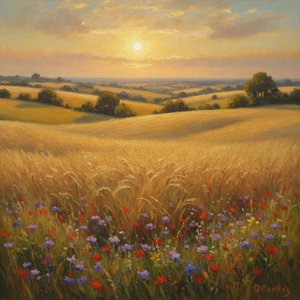
Golden Fields & Sun-Drenched Meadows: Capturing the Soul of Impressionist Landscapes
Immerse yourself in the luminous world of Impressionist landscapes. Discover how masters like Monet and Gauguin captured ephemeral light through plein air painting, and learn to bring the soul of sun-drenched meadows into your home with exquisite, hand-painted oil reproductions.
Entdecken Sie Kunstwerke, die nach Themen, Stilen und Merkmalen sortiert sind.


