


 In echtem Maßstab anzeigen
 Versenden als Grußkarte
 Teilen
 Details anzeigen
 Leitfaden öffnen

 Herunterladen
 Ähnliche Objekte
 Röntgenaufnahme
 Diashow
 Besucherstatistiken
Self-Portrait
 Oil On Canvas
- WallArt
- Impressionism
 1878
1878- 19th Century
 64.0 x 48.0 cm
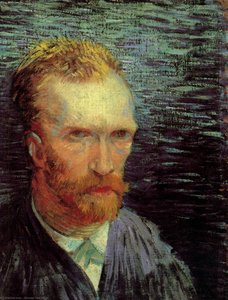
Experience the soft light and modern realism of Gustave Caillebotte's 1878 Self-Portrait; capture this Impressionist masterpiece for your collection.
 Mehr anzeigen
Gustave Caillebotte (1848-1894): Entdecken Sie den französischen Realisten & Impressionisten! Seine Werke zeigen modernes Pariser Leben & einzigartige Perspektiven. Meisterwerke wie 'Les Raboteurs de Parquet' entdecken!
Giclée / Kunstdruck
Giclée- oder Leinwanddruck in Museumsqualität mit schneller Produktion und flexiblen Veredelungsoptionen. ( Handgemalte Reproduktion kaufen Zum digitalen Bild wechseln)




P118B $10

P118H $10

P118W $10

P438Z $10

P508JH $12

P508YH $12

P805H $10

P805Z $10

P919BZ $10

P919G $10

P919XJ $10

P959ZH $10

P968JZ $12

W106C $8

W218G $10

W218JH $8

W218Y $10

W307PJ $10

W316G $10

W316PJ $8

W316Y $10

W398PJ $8

W4111J $10

W500HY $15

W500JH $15

W692G $12

W849H $8

W940BG $15

W953PJ $8




Standardformat
individuell anpassbar
CM
INCH
Wählen Sie aus unseren vordefinierten Formaten, die den ursprünglichen Proportionen des Kunstwerks entsprechen.
Loading sizes...

Breite
Höhe
Sie können Ihre eigenen Maße eingeben, um ein bestimmtes Format oder einen speziellen Platz einzupassen. Wenn das von Ihnen gewählte Format nicht den Proportionen des Originalbildes entspricht, werden wir das Kunstwerk entweder beschneiden oder das Bild mit einem gespiegelten oder einfarbigen Rand erweitern. Ein digitaler Entwurf wird Ihnen zur Genehmigung zugesandt, bevor die Produktion beginnt.
Bitte beachten Sie, dass die Vorschau auf dem Bildschirm nicht den tatsächlichen Zuschnitt oder die Erweiterung widerspiegelt. Nur der Entwurf zeigt die endgültige Komposition präzise an.
Obwohl Sondermaße verfügbar sind, empfehlen wir die Auswahl eines Maßes aus der vordefinierten Liste, um die ursprünglichen Proportionen zu bewahren.
Weltweiter Versand () innerhalb von 2 Wochen statt der üblichen 4/5 Wochen. (26 September)

Kostenloser weltweiter Expressversand

Hochwertige Leinenleinwand

Vollständiger Versicherungsschutz beim Versand

Zollgebühren-Rückerstattungsgarantie

Garantie für exakte Farbtreue

100-tägiges Rückgaberecht (nur bei Mängeln)

100% Geld-zurück-Garantie

Angebot für Mengenrabatt
 Die Glasoption ist nur für Größen unter 110 cm verfügbar.

Self-Portrait
Giclée / Kunstdruck
Format der Reproduktion
-


Gesamtpreis
$ 69
A Gaze Into Modernity: Exploring Caillebotte's Self-Portrait
To stand before Gustave Caillebotte’s Self-Portrait is to encounter not merely an image of a man, but a carefully constructed meditation on the modern self. Painted in 1878, this oil on canvas captures the artist at a pivotal moment—a Parisian navigating the exhilarating, sometimes disorienting currents of the late nineteenth century. The subject gazes out from the frame with an unnerving directness; his beard and spectacles lend him an air of intellectual contemplation, yet it is the intensity of his gaze that truly arrests the viewer. It feels less like a formal sitting and more like a moment stolen in time, inviting us into the quiet, self-aware space of the artist himself.
The Impressionist Lens on the Everyday Life
While Caillebotte is often grouped with the broader circle of Impressionism, his approach possessed a distinct, almost journalistic rigor. He was fascinated by the mechanics of modern life—the boulevards, the crowds, and the quiet moments between them. In this self-portrait, that fascination translates into both subject matter and technique. The background, though hinting at an outdoor setting with visible trees and a striking red field, is handled with the characteristic softness of Impressionism. This blurred depth contrasts beautifully with the sharp focus on the sitter’s face, suggesting that while the world rushes by in vibrant suggestion, the inner life—the self—remains the clearest point of observation.
Mastery of Light and Composition
The technical brilliance evident in this work cannot be overstated. Caillebotte utilizes light not just to illuminate, but to sculpt emotion. The illumination is soft, natural, seeming to emanate from an unseen source that gently models the planes of his face. This masterful handling of chiaroscuro, softened by Impressionist brushwork, creates an immediate sense of intimacy. Compositionally, the central placement anchors the viewer’s attention squarely on the man's expression. The contrast between the subject’s dark attire and the vibrant, almost startling red backdrop adds a dynamic tension, giving the piece a visual energy that belies its quietude.
Symbolism and Enduring Resonance
What does this self-portrait symbolize? It speaks to the burgeoning sense of individual identity in an age of rapid urbanization. The man is presented as both observer and observed; he embodies the modern Parisian intellectual grappling with his own place in a rapidly changing world. For the collector or decorator, owning this piece means acquiring more than just art; it is acquiring a conversation starter—a sophisticated nod to the era's preoccupation with self-definition. It suggests depth, thoughtfulness, and an appreciation for life lived keenly.
Bringing the Masterpiece Home
For those wishing to incorporate the spirit of this 1878 masterpiece into your own space, selecting a high-quality reproduction allows you to connect directly with Caillebotte’s vision. The rich texture of oil on canvas, faithfully reproduced, ensures that the interplay between light and shadow remains palpable. Whether placed in a study corner or a gallery wall, this Self-Portrait offers an enduring focal point—a moment of profound, self-possessed contemplation amidst the bustle of contemporary life.
Ähnliche Kunstwerke


Biografie des Künstlers
Frühes Leben und Ausbildung
Gustave Caillebotte, ein französischer Maler, wurde am 19. August 1848 in Paris aus einer wohlhabenden Familie geboren. Sein Vater, Martial Caillebotte, war Erbe der Familienfirma für Militärtuchstoffe und diente auch als Richter am Tribunal de Commerce des Départements Seine. Gustave’s frühes Interesse an Fotografie als Kunstform beeinflusste später seinen Malstil.Künstlerische Karriere
Gustave erwarb 1868 einen Jurabachelor und 1870 eine Zulassung zur Rechtsausübung, doch seine wahre Leidenschaft galt der Kunst. Er begann, das Atelier des Malers Léon Bonnat zu besuchen, wo er ernsthaft Malerei studierte. Caillebotte’s Stil, der durch seinen Realismus gekennzeichnet ist, wurde von seinen impressionistischen Kollegen beeinflusst, darunter Edgar Degas und Giuseppe de Nittis.Bemerkenswerte Werke und Stil
- Les Raboteurs de Parquet (Die Bodenabroller) (1875): Dieses frühe Meisterwerk, das sich heute im Musée d'Orsay befindet, zeigt Caillebotte’s einzigartige Mischung aus Realismus und impressionistischen Einflüssen.
- Vue de toits (Effet de neige) (Aussicht auf Dächer (Schneeeffekt)) (1878): Demonstriert seine Verwendung von erhöhten Perspektiven, eine Technik, die möglicherweise durch japanische Drucke und Fotografie beeinflusst wurde.
Vermächtnis und Einfluss
Caillebotte’s Stil, obwohl Teil der Schule des Realismus, wurde stark von seinen impressionistischen Kollegen beeinflusst. Seine Werke zeichnen sich durch eine präzise Beobachtungsgabe und eine detailgetreue Wiedergabe der Wirklichkeit aus. Er trug dazu bei, die Wahrnehmung des Alltagslebens in der Kunst zu verändern und neue Wege der Darstellung urbaner Szenen aufzuzeigen. Obwohl er zu Lebzeiten nicht immer Anerkennung fand, wird Caillebotte heute als ein bedeutender Vertreter des Impressionismus und Realismus gewürdigt.Weitere Werke
- Mann am Fenster (1875)
- Pink Villas at Trouville (1884)
- Pariser Straße, Regentag

Gustave Caillebotte
1848 - 1894 , Frankreich
Eckdaten zum Künstler
- Beeinflusste Künstler:
- Edgar Degas
- Giuseppe De Nittis
- Bemerkenswerte Werke:
- Les Raboteurs de Parquet
- Vue de toits (Effet de neige)
- Boulevard vu d'en haut
- Geburtsdatum: 19. August 1848
- Geburtsort: Paris, Frankreich
- Künstlerische Richtung: Realismus, Impressionismus
- Nationalität: Französisch
- Sterbedatum: 1894
- Vollständiger Name: Gustave Caillebotte
Verwandte Artikel

The Timeless Beauty of Oil on Panel: Capturing Light and Texture through the Impressionist Lens
Discover the exquisite depth of oil on panel. Explore how Impressionist masters captured light and texture through tactile brushwork, and learn how to bring these museum-quality, hand-painted masterpieces into your home with expert curation.

Capturing the Soul: The Ethereal Magic and Timeless Technique of Impressionist Portraiture
Discover the ethereal beauty of Impressionist portraiture. Explore how masters like Monet and Renoir captured light and soul through brushwork, and learn how to bring this timeless magic into your home with exquisite, hand-painted oil reproductions from TopImpressionists.com.

The Soul of Impressionism: Why Oil on Canvas Captures Eternal Light and Timeless Emotion
Discover the enchanting alchemy of Impressionism. Explore how the mastery of oil on canvas, through glazing and impasto, captures eternal light and emotion. Perfect for lovers of Monet and Van Gogh seeking the profound depth of hand-painted fine art.

Von Momenten zu Meisterwerken: Verwandeln Sie Ihre kostbarsten Fotos in exklusive impressionistische Ölgemälde
Verwandeln Sie Ihre Fotos in zeitlose impressionistische Meisterwerke. Unsere Experten erschaffen handgemalte Ölgemälde auf Leinwand im Stil von Monet & Renoir. Erleben Sie höchste Qualität, echte Pinselstriche und ein persönliches Erlebnis für Ihr bleibendes Vermächtnis.
Entdecken Sie Kunstwerke, die nach Themen, Stilen und Merkmalen sortiert sind.


