


 In echtem Maßstab anzeigen
 Versenden als Grußkarte
 Teilen
 Details anzeigen
 Leitfaden öffnen

 Herunterladen
 Ähnliche Objekte
 Röntgenaufnahme
 Diashow
 Besucherstatistiken
Still Life

Henri Matisse's 'Still Life': Ein Meisterwerk der Farbexpressivität und Komposition. Hochwertige Reproduktion eines klassischen Gemäldes – Jetzt kaufen!
 Mehr anzeigen
Entdecken Sie Henri Matisse (1869-1954), einen Fauvismus-Meister! Erforschen Sie seine lebendige Farbgebung, innovative Zeichenkunst und ikonische Gemälde wie 'Die Kürbisse'. Eine führende Figur der modernen Kunst.
Giclée / Kunstdruck
Giclée- oder Leinwanddruck in Museumsqualität mit schneller Produktion und flexiblen Veredelungsoptionen. ( Handgemalte Reproduktion kaufen Zum digitalen Bild wechseln)




P118B $10

P118H $10

P118W $10

P438Z $10

P508JH $12

P508YH $12

P805H $10

P805Z $10

P919BZ $10

P919G $10

P919XJ $10

P959ZH $10

P968JZ $12

W106C $8

W218G $10

W218JH $8

W218Y $10

W307PJ $10

W316G $10

W316PJ $8

W316Y $10

W398PJ $8

W4111J $10

W500HY $15

W500JH $15

W692G $12

W849H $8

W940BG $15

W953PJ $8




Standardformat
individuell anpassbar
CM
INCH
Wählen Sie aus unseren vordefinierten Formaten, die den ursprünglichen Proportionen des Kunstwerks entsprechen.
Loading sizes...

Breite
Höhe
Sie können Ihre eigenen Maße eingeben, um ein bestimmtes Format oder einen speziellen Platz einzupassen. Wenn das von Ihnen gewählte Format nicht den Proportionen des Originalbildes entspricht, werden wir das Kunstwerk entweder beschneiden oder das Bild mit einem gespiegelten oder einfarbigen Rand erweitern. Ein digitaler Entwurf wird Ihnen zur Genehmigung zugesandt, bevor die Produktion beginnt.
Bitte beachten Sie, dass die Vorschau auf dem Bildschirm nicht den tatsächlichen Zuschnitt oder die Erweiterung widerspiegelt. Nur der Entwurf zeigt die endgültige Komposition präzise an.
Obwohl Sondermaße verfügbar sind, empfehlen wir die Auswahl eines Maßes aus der vordefinierten Liste, um die ursprünglichen Proportionen zu bewahren.
Weltweiter Versand () innerhalb von 2 Wochen statt der üblichen 4/5 Wochen. (25 September)

Kostenloser weltweiter Expressversand

Hochwertige Leinenleinwand

Vollständiger Versicherungsschutz beim Versand

Zollgebühren-Rückerstattungsgarantie

Garantie für exakte Farbtreue

100-tägiges Rückgaberecht (nur bei Mängeln)

100% Geld-zurück-Garantie

Angebot für Mengenrabatt
 Die Glasoption ist nur für Größen unter 110 cm verfügbar.

Still Life
Giclée / Kunstdruck
Format der Reproduktion
-


Gesamtpreis
$ 69
Das Spiel mit der Farbe: Henri Mattisses "Still Life" – Eine Ode an die Einfachheit
Henri Matisse’s “Still Life” is not merely a depiction of objects arranged on a table; it's a profound exploration of color, form, and the very essence of perception. Painted during a period of intense artistic experimentation, this work embodies the core tenets of Matisse’s mature style – a radical departure from academic realism in favor of an intensely subjective and emotionally charged visual language. The painting, though its exact date remains elusive, speaks volumes about the artist's evolving relationship with his subject matter and his relentless pursuit of capturing the vibrant energy of the world around him.
The composition itself is deceptively simple. A table serves as the stage for a carefully curated collection: a vase – often a central element in Matisse’s still lifes, radiating an almost luminous quality – surrounded by books, a bottle, an orange, and a bowl. Yet, within this apparent tranquility lies a dynamic tension. The objects aren't arranged with rigid precision; instead, they seem to float and breathe, their forms simplified and reduced to their essential hues. Matisse’s genius lies in his ability to imbue these commonplace items with an extraordinary sense of life – a feeling that transcends mere representation.
Die Sprache der Farbe: Matisse's Fauvist Ansatz
“Still Life” is firmly rooted within the Fauvist movement, a revolutionary artistic current that swept through Europe around 1905. Fauvism, derived from the French word “fauves,” meaning "wild beasts," rejected traditional notions of color and perspective in favor of bold, arbitrary hues used purely for their expressive power. Matisse, along with artists like André Derain and Maurice de Vlaminck, sought to liberate color from its descriptive function, employing it instead as a primary means of conveying emotion and atmosphere. Notice how the orange glows with an almost feverish intensity, contrasting sharply with the muted tones of the books and bowl – a deliberate choice designed to draw the viewer’s eye and stimulate their senses.
Matisse's technique is characterized by loose, gestural brushstrokes, applied with a confident and seemingly effortless hand. He rarely blended his colors meticulously; instead, he allowed them to sit side-by-side, creating vibrant juxtapositions that shimmered on the canvas. This technique, combined with his use of simplified forms, contributes significantly to the painting’s sense of immediacy and vitality. The surface itself seems to vibrate with color, inviting the viewer into a world where visual pleasure is paramount.
Symbolik und Emotion: Mehr als nur eine Anordnung von Gegenständen
While superficially a still life, “Still Life” carries layers of symbolic meaning. The books, for instance, can be interpreted as representing knowledge and contemplation – yet they are presented in an almost playful manner, their spines tilted at unexpected angles. The vase, frequently associated with beauty and abundance, radiates a warmth that suggests vitality and joy. Even the humble orange, rendered in such brilliant tones, evokes feelings of sunshine, warmth, and perhaps even a hint of melancholy—a fleeting moment of pleasure before it fades.
More broadly, this painting reflects Matisse’s lifelong fascination with capturing the essence of beauty and finding joy in the everyday. He sought to distill life down to its most fundamental elements – color, form, and emotion – and to express these through a vibrant and intensely personal visual language. “Still Life” is not simply a representation of objects; it's an invitation to experience the world anew, to see beauty where others might find only ordinariness.
Ein Meisterwerk für Zuhause: Reproduktionen von höchster Qualität
TopImpressionists offers meticulously crafted reproductions of Henri Matisse’s “Still Life,” allowing you to bring this iconic artwork into your own space. Our hand-painted reproductions utilize archival quality materials and techniques, ensuring that the vibrant colors and dynamic brushstrokes of the original are faithfully reproduced for generations to come. Whether adorning a gallery wall or adding a touch of artistic flair to your living room, a TopImpressionists reproduction of “Still Life” is a testament to Matisse’s enduring legacy – a celebration of color, form, and the transformative power of art.
Ähnliche Kunstwerke


Biografie des Künstlers
Frühes Leben und Ausbildung
Henri Émile Benoît Matisse wurde am 31. Dezember 1869 in Le Cateau-Cambrésis, Nord Frankreich, in eine Familie von Getreidemesstern geboren. Seine prägenden Jahre verbrachte er in Bohain-en-Vermandois, Picardie. Nach dem Gymnasium begann er zunächst ein Jurastudium in Paris, doch sein Leben nahm 1889 einen unerwarteten Wendepunkt, nachdem er an einer Blinddarmentzündung erkrankt war. Während seiner Genesung begann er, mit Kunstatzlern unter der Anleitung seiner Mutter zu experimentieren und entdeckte eine tiefe Leidenschaft, die den Rest seines Lebens prägen sollte.
Frühe künstlerische Entwicklung & Einflüsse
Matisses frühe künstlerische Bemühungen waren in traditionellen Techniken verwurzelt. Er studierte an der Académie Julian unter William-Adolphe Bouguereau und später an der École Nationale des Beaux-Arts mit Gustave Moreau. Seine frühen Werke spiegelten einen klassischen Stil wider, beeinflusst von Meistern wie Jean-Baptiste-Siméon Chardin, Nicolas Poussin und Antoine Watteau. Diese frühen Einflüsse verliehen ihm eine solide Grundlage in Bezug auf Zeichnung und Komposition.
Ein entscheidender Moment ereignete sich 1896 während eines Besuchs auf Belle Île mit dem australischen Maler John Russell. Russell führte Matisse mit Impressionismus und den Werken von Vincent van Gogh bekannt, was seinen künstlerischen Laufbahn grundlegend veränderte. Dieser Kontakt führte zu einer dramatischen Verschiebung von Erdtönen hin zu einer lebendigen, ausdrucksstarken Verwendung von Farbe – ein Kennzeichen seines späteren Stils.
Die Fauvist-Periode & Mutige Farben
Matisse wurde eine führende Figur der Fauvismusbewegung (französisch für "Wildtiere"), die um 1905 entstand. Diese Periode war durch ihre radikale Abweichung von traditioneller Darstellung gekennzeichnet, wobei intensive Farbe und vereinfachte Formen gegenüber realistischer Wiedergabe priorisiert wurden. Gemälde wie Die Kürbisse veranschaulichen diesen Stil – kräftige, nicht-natürliche Farben werden verwendet, um Emotionen auszudrücken und ein dynamisches visuelles Erlebnis zu schaffen.
- Wichtige Merkmale des Fauvismus in Matisses Werk: Intensive Farbpaletten, vereinfachte Formen, ausdrucksstarke Pinselstriche, Ablehnung traditioneller Perspektive.
Reife Stil & Dekoratives Erkunden
Nach dem anfänglichen Enthusiasmus des Fauvismus entwickelte sich Matisses Stil hin zu einer raffinierten und dekorativen Ästhetik. Während er seine typische Verwendung von Farbe beibehielt, betonte er zunehmend flache Formen und komplizierte Muster. Diese Periode sah ihn in der Erforschung von Themen wie Freizeit, Häuslichkeit und der menschlichen Figur in ruhigen Umgebungen.
Seine Umsiedlung nach Nizza an der Côte d'Azur im Jahr 1917 markierte einen weiteren Wandel. Die entspannte Atmosphäre beeinflusste einen sereneneren und klassischen Stil, der ihm für die Bewahrung traditioneller Werte in der modernen Kunst Anerkennung einbrachte.
Späte Jahre & Papiercollagen
In seinen späten Jahren schränkte das nachlassende Gesundheitszustand seine Fähigkeit ein, konventionell zu malen. Diese Herausforderung führte jedoch zu bemerkenswerten Kreativitätsleistungen. Er entwickelte die Technik der Papiercollagen – lebendige Kompositionen durch Schneiden und Anordnen von farbigen Papierschnipseln. Diese Werke demonstrieren eine fortgesetzte Erkundung von Farbe, Form und Komposition und zeigen seine dauerhafte künstlerische Vision.
Wichtige Leistungen & Bemerkenswerte Werke
Matisses Karriere umspannte mehr als fünfzig Jahre und hinterließ ein umfangreiches Werk, das seinen Platz zu einem der wichtigsten Figuren der modernen Kunst festigte. Zu seinen bekanntesten Werken gehören:
- Die Kürbisse (1905) – Ein typisches Beispiel für den Fauvismus
- Laurette in einer weißen Turban (1906) - Zeigt innovative Drahtfertigkeit
- Zahlreiche Papiercollagen, die er in seinen späten Jahren schuf.
Historische Bedeutung & Vermächtnis
Matisses Einfluss auf die Kunstwelt ist unbestreitbar. Er stellte konventionelle Darstellungsweisen in Frage, förderte die ausdrucksstarke Kraft der Farbe und erkundete neue künstlerische Medien. Sein Werk beeinflusste Generationen von Künstlern und inspiriert weiterhin zeitgenössische Schöpfer. Er wird oft zusammen mit Pablo Picasso als eine der einflussreichsten Figuren des 20. Jahrhunderts angesehen, die den Verlauf der Moderne prägten und den Weg für zukünftige künstlerische Innovationen bereiteten.
Matisses Vermächtnis geht über seine Gemälde und Collagen hinaus; es umfasst eine Philosophie der Kunst, die Freude, Schönheit und die transformative Kraft der Farbe feiert. Sein Werk ist ein Beweis für das dauerhafte menschliche Verlangen zu schaffen und sich durch visuelle Mittel auszudrücken.

Henri Matisse
1869 - 1954 , Frankreich
Eckdaten zum Künstler
- Beeinflusste Künstler:
- Vincent van Gogh
- Jean-Baptiste Chardin
- Nicolas Poussin
- Bemerkenswerte Werke:
- Die Kürbisse
- Laurette im weißen Turban
- Madame Matisse: Grüner Streifen
- Geburtsdatum: 31. Dezember 1869
- Geburtsort: Le Cateau-Cambrésis, Frankreich
- Künstlerische Bewegung: Fauvismus
- Nationalität: Französisch
- Todatum: 1954
- Vollständiger Name: Henri Matisse
Verwandte Artikel

The Wild Beast Within: Exploring Fauvism's Revolutionary Use of Color and Form
Explore the revolutionary Fauvism movement & Henri Matisse's bold use of color! Discover key characteristics, iconic artworks, and its lasting impact on modern art history with TopImpressionists.

Fauvismus: Die 10 Meisterwerke, die eine Revolution der Farbe auslösten | TopImpressionists
Entdecken Sie die 10 Meisterwerke des Fauvismus! Von Matisse bis Derain – erleben Sie die Revolution der Farbe und Emotion. Hochwertige Kunstdrucke & Reproduktionen auf TopImpressionists.com. Jetzt Kunst für Ihr Zuhause finden!
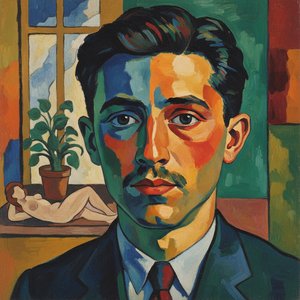
Henri Matisse: Revolution der Farbe und Form in der modernen Kunst
Entdecken Sie die Revolution der Farbe und Form durch Henri Matisse! Erfahren Sie alles über den Fauvismus, seine Einflüsse und Matisses bleibende Bedeutung in der modernen Kunst. Expertenwissen & tiefe Analysen.

Henri Matisse: Die 25 Meisterwerke des Farbgenies – Kunst für Ihr Zuhause | TopImpressionists
Entdecken Sie die 25 Meisterwerke von Henri Matisse! Tauchen Sie ein in die Welt des Fauvismus, der leuchtenden Farben und ikonischen Formen. Kunstreproduktionen & Inspiration für Ihr Zuhause – exklusiv auf TopImpressionists.com.
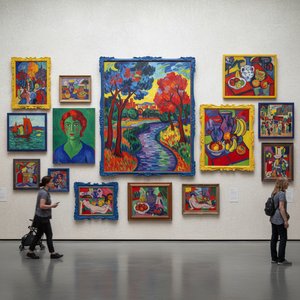
Fauvismus: Die 10 Meisterwerke, die eine Revolution der Farben entfesselten –
Entdecken Sie die 10 Meisterwerke des Fauvismus! Von Matisse bis Derain – erleben Sie die Revolution der Farben und Emotionen in der modernen Kunst. Hochwertige Reproduktionen & Inspiration für Ihr Zuhause auf
Entdecken Sie Kunstwerke, die nach Themen, Stilen und Merkmalen sortiert sind.


