

 Vorschau anzeigen
 Versenden
 Teilen
 Details anzeigen
 Leitfaden

 Herunterladen
 Ähnliche Objekte
 Röntgenaufnahme
 Diashow
 Q&A
Q&A Statistiken
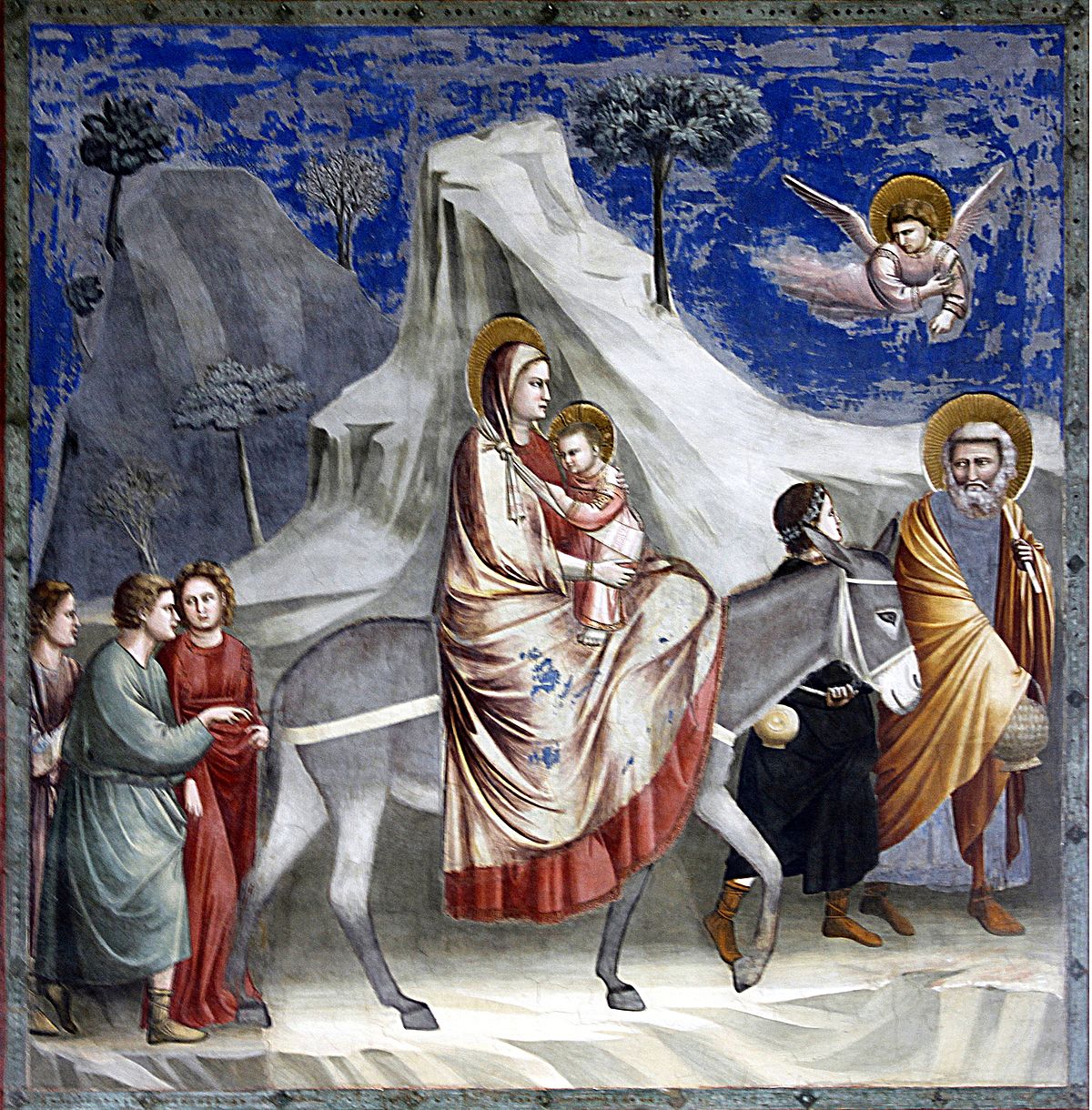
Flight into Egypt


Henry Ossawa Tanner's 'Flight into Egypt' depicts the Holy Family’s escape to safety. This evocative oil painting captures a pivotal biblical scene with masterful light and emotional depth.
 Weiterlesen
Henry Ossawa Tanner (1859-1937): Pionier der afroamerikanischen Kunst! Realistische Landschaften, religiöse Szenen & internationale Anerkennung. Einflussreicher Vertreter des amerikanischen Realismus.
Giclée / Kunstdruck
Giclée- oder Leinwanddruck in Museumsqualität mit schneller Produktion und flexiblen Veredelungsoptionen. ( Handgemalte Reproduktion bestellen Zum digitalen Bild wechseln)




P118B €10

P118H €10

P118W €10

P438Z €10

P508JH €12

P508YH €12

P805H €10

P805Z €10

P919BZ €10

P919G €10

P919XJ €10

P959ZH €10

P968JZ €12

W106C €8

W218G €10

W218JH €8

W218Y €10

W307PJ €10

W316G €10

W316PJ €8

W316Y €10

W398PJ €8

W4111J €10

W500HY €15

W500JH €15

W692G €12

W849H €8

W940BG €15

W953PJ €8




Standardformat
individuell anpassbar
CM
INCH
Wählen Sie aus unseren vordefinierten Formaten, die den ursprünglichen Proportionen des Kunstwerks entsprechen.
Loading sizes...

Breite
Höhe
Geben Sie die benötigte Breite und Höhe an, damit der Druck perfekt in Ihren Rahmen oder an Ihre Wand passt. Ein Druck kann nur beschnitten, aber niemals größer als das Originalbild angefertigt werden; daher verliert ein Format mit anderen Proportionen einen Teil des Bildes. Wir senden Ihnen ein digitales Mockup zur Freigabe, bevor wir den Druck ausführen. Das auf dieser Seite gezeigte Bild zeigt nicht den tatsächlichen Beschnitt – dies ist nur im Mockup ersichtlich.
Weltweiter Versand () innerhalb von 2 Wochen statt der üblichen 4/5 Wochen. (1 November)

Kostenloser weltweiter Expressversand

Hochwertige Leinenleinwand

Umfassender Versicherungsschutz beim Versand

Zollgebühren-Rückerstattungsgarantie

Garantie für exakte Farbtreue

100 Tage Rückgaberecht (nur bei Mängeln)

100% Geld-zurück-Garantie

Mengenrabatt verfügbar
 Die Glasoption ist nur für Größen unter 110 cm verfügbar.

Flight into Egypt
Giclée / Kunstdruck
Format der Reproduktion
-


Endpreis
€ 61
The Narrative of Flight: Unveiling Tanner’s “Flight into Egypt”
Henry Ossawa Tanner's "Flight into Egypt," painted in 1899, isn’t merely a depiction of a biblical scene; it’s a profound meditation on faith, family, and the enduring struggle for safety. This oil-on-canvas masterpiece, now housed within the Detroit Institute of Arts, transports us to a frigid winter landscape—a stark contrast to the warmth and security sought by Mary, Joseph, and the infant Jesus as they flee persecution in Herod’s kingdom. Tanner masterfully captures the urgency of their flight, imbuing the scene with an atmosphere of quiet desperation mingled with unwavering hope. The painting immediately draws the eye to the central figures, rendered not as idealized saints but as ordinary people—a family seeking refuge, relatable and deeply human.
A Symphony of Light and Shadow: Tanner’s Artistic Technique
Tanner's artistic style is immediately recognizable—a bold departure from the prevailing academic traditions of his time. He employs a distinctive technique characterized by loose, expressive brushstrokes and a masterful manipulation of light and shadow, or *chiaroscuro*. The painting is dominated by cool blues and grays, evoking the biting cold of the winter landscape and mirroring the uncertainty faced by the holy family. Yet, within this somber palette, Tanner introduces subtle highlights—a glimmer of warmth emanating from the figures themselves, suggesting their inner resilience and faith. The use of perspective creates a sense of depth, drawing the viewer into the scene and emphasizing the vastness of the journey ahead. The two horses, strategically placed on the right side of the composition, add a dynamic element, symbolizing both the arduousness of their travel and the divine protection they receive.
Roots in Faith and Heritage: Contextualizing Tanner’s Vision
Understanding Henry Ossawa Tanner requires acknowledging his deeply rooted background. Born in Pittsburgh, Pennsylvania, to Reverend Benjamin Tucker Tanner—a prominent figure within the African Methodist Episcopal Church—and Sarah Elizabeth Tanner, who had escaped slavery via the Underground Railroad, Tanner's life was profoundly shaped by faith and a commitment to social justice. His father’s activism instilled in him a strong sense of identity and purpose, which he channeled into his art. Tanner’s early exposure to Philadelphia’s vibrant cultural landscape, coupled with formal training at the Pennsylvania Academy of the Fine Arts, allowed him to develop his unique artistic voice—one that seamlessly blended realism with spiritual depth. The painting reflects this complex heritage, subtly incorporating African and Middle Eastern influences in the clothing and architecture of the background, suggesting a universal message of refuge and hope.
Symbolism and Spiritual Resonance: A Timeless Narrative
Beyond its visual beauty, “Flight into Egypt” is rich in symbolism. The painting’s depiction of a family fleeing persecution resonates with ancient narratives of exile and redemption. The journey itself represents the challenges faced by marginalized communities throughout history—a testament to the enduring human spirit's capacity for resilience. Tanner’s choice to portray the holy family as ordinary people, rather than idealized figures, underscores the universality of their experience. The painting invites viewers to contemplate themes of faith, family, and the search for safety in a world often marked by uncertainty and danger. It is a powerful reminder that even in the darkest of times, hope—and divine protection—can be found.
Fragen & Antworten
Kann ich "Flight into Egypt" als Vollbild-Diashow ansehen?
"Flight into Egypt" von Henry Ossawa Tanner kann als Diashow auf der Diashow-Seite des Kunstwerks betrachtet werden.
Zählt "Flight into Egypt" von Henry Ossawa Tanner zu den begehrten Kunstwerken der Symbolist Painting-Epoche?
Innerhalb der Symbolist Painting-Strömung weist „Flight into Egypt“ ein Ikonisch Bekanntheitsniveau auf.
Welche Platzierung passt zum Format von "Flight into Egypt" von Henry Ossawa Tanner?
Mit seinem Querformat-Format wird eine Reproduktion von „Flight into Egypt“ für ein Wohnbereich empfohlen.
Ähnliche Kunstwerke


Künstlerbiografie
Frühe Jahre und Ausbildung
- Geburt und Familie: Henry Ossawa Tanner wurde am 21. Juni 1859 in Pittsburgh, Pennsylvania, geboren. Sein Vater, Benjamin Tucker Tanner, war ein Bischof der African Methodist Episcopal Church (AME). Seine Mutter, Sarah Elizabeth Tanner, könnte aus Virginia entkommen sein und über die Underground Railroad ihre Freiheit erlangt haben.
- Frühes Interesse an Kunst: Tanner zeigte schon früh ein Interesse an Kunst, was ihn dazu veranlasste, eine formelle Ausbildung zu absolvieren.
- Pennsylvania Academy of the Fine Arts: Er studierte ab 1879 an der Pennsylvania Academy of the Fine Arts, wo er von Professor Thomas Eakins beeinflusst wurde.
- Umzug nach Paris: Ein entscheidender Moment in seiner Karriere ereignete sich, als Tanner 1891 nach Paris zog, um an der Académie Julian zu studieren. Dies brachte ihn in Kontakt mit französischen Kunstkreisen und prägte seine künstlerische Entwicklung maßgeblich.
Künstlerischer Stil, Themen und Einflüsse
- Realismus: Tanners Werk zeichnet sich durch eine starke Hinwendung zum Realismus aus, die seinen Wunsch widerspiegelte, das Wesen seiner Sujets genau wiederzugeben.
- Einflüsse: Sein künstlerischer Stil wurde stark von Thomas Eakins' Lehre an der Pennsylvania Academy und später von europäischen Traditionen, insbesondere der französischen Kunst des Akademismus und Impressionismus, beeinflusst. Er integrierte auch Elemente des Symbolismus in seine Arbeit.
- Wiederkehrende Themen: Tanner stellte häufig Landschaften, religiöse Themen (insbesondere biblische Szenen) und Alltagsszenen dar. Seine Erfahrungen in Frankreich beeinflussten diese Themen erheblich.
- Bemerkenswertes Werk - "Daniel im Löwengehege": Die Aufnahme von „Daniel im Löwengehege“ in den Salon von 1896 markierte einen bedeutenden Meilenstein und demonstrierte seine wachsende internationale Anerkennung.
Wichtige Werke und Künstlerische Entwicklung
- Frühe Werke: Frühe Arbeiten wie *The Banjo Lesson* (1893) zeigten seine Fähigkeit, das Leben afroamerikanischer Menschen mit Würde und Sensibilität darzustellen, abseits der vorherrschenden Karikaturen seiner Zeit.
- Religiöse Gemälde: Tanner erlangte internationale Anerkennung für seine religiösen Gemälde, darunter *Christus wandelt auf dem Wasser* (ca. 1910), *Die Auferstehung des Lazarus* (1896) und *Der gute Hirte*. Diese Werke demonstrierten seine Meisterschaft in Licht, Komposition und Erzählkunst.
- Spätere Werke: Später im Leben beschäftigte er sich mit Themen rund um den Ersten Weltkrieg und schuf Gemälde und Zeichnungen, die Frontlinien darstellten, und porträtierte sogar afroamerikanische Soldaten – ein seltenes Thema für diese Zeit.
- Panoramablicke: Er schuf auch Panoramablicke wie *Die Panoramaansicht des Palastes und der Gärten von Versailles*.
Vermächtnis und Historische Bedeutung
- Erster afroamerikanischer Künstler, der internationale Anerkennung erlangte: Tanner nimmt einen einzigartigen Platz in der Kunstgeschichte ein als erster afroamerikanischer Maler, der weitreichende internationale Anerkennung fand.
- Barrieren durchbrechen: Sein Erfolg half, den Weg für zukünftige Generationen afroamerikanischer Künstler zu ebnen und rassistische Barrieren und Stereotypen innerhalb der Kunstwelt herauszufordern.
- Einfluss auf die amerikanische Kunst: Tanners Einfluss ist in verschiedenen Aspekten der amerikanischen Kunst sichtbar, von seinem Engagement für den Realismus bis hin zur Erforschung spiritueller Themen.
- Anerkennung und Auszeichnungen: Er wurde 1923 zum Chevalier der Legion of Honor durch die französische Regierung ernannt und 1927 zum Vollmitglied der National Academy of Design gewählt.
- Tod und Erinnerung: Henry Ossawa Tanner starb am 25. Mai 1937 in Paris und hinterließ ein Vermächtnis als Pionierkünstler, der rassische Grenzen überschritt und die Welt der Kunst bereicherte.

Henry Ossawa Tanner
1859 - 1937 , Vereinigte Staaten von Amerika
Kurzinfos
- Beeinflusste Kunstrichtungen: ['Afroamerikanische Kunst']
- Beeinflusste Künstler: ['Thomas Eakins']
- Bemerkenswerte Werke:
- Christus wandelt auf dem Wasser
- Daniel im Löwengehege
- Das Banjo-Unterricht
- Geburtsdatum: 21. Juni 1859
- Geburtsort: Pittsburgh, USA
- Künstlerischer Stil: Realismus, Akademismus
- Nationalität: Amerikanisch
- Sterbedatum: 25. Mai 1937
- Vollständiger Name: Henry Ossawa Tanner
Ähnliche Artikel

Farben voller Leben: Die 25 besten Meisterwerke von Henri Matisse
Entdecken Sie die 25 besten Werke von Henri Matisse und den Fauvismus. Erleben Sie Meisterwerke auf TopImpressionists.com.

Robert Henri und der Geist des amerikanischen Realismus: Eine Ära urbaner Lebensbilder
Entdecken Sie den Amerikanischen Realismus und Robert Henri! Erfahren Sie mehr über die 'Ashcan School', urbane Lebensbilder, Einflüsse & das Vermächtnis dieser bedeutenden Kunstbewegung. Jetzt lesen!

Henry Ossawa Tanner: Pionier der afroamerikanischen Darstellung – Spiritualität und künstlerische Unabhängigkeit
Entdecken Sie das faszinierende Werk von Henry Ossawa Tanner, einem Pionier der afroamerikanischen Kunst! Expertenwissen, hochwertige Reproduktionen & individuelle Kunstberatung bei TopImpressionists.

Illuminating Faith: Biblical Narrative & Artistic Expression Through the Ages
Explore the rich history of biblical art from Giotto to the Renaissance masters with TopImpressionists. Discover symbolism, techniques & enduring legacies. Museum-quality reproductions & expert insights.

Fauvismus: Die 10 Meisterwerke, die eine Revolution der Farbe auslösten | TopImpressionists
Entdecken Sie die 10 Meisterwerke des Fauvismus! Von Matisse bis Derain – erleben Sie die Revolution der Farbe und Emotion. Hochwertige Kunstdrucke & Reproduktionen auf TopImpressionists.com. Jetzt Kunst für Ihr Zuhause finden!
Entdecken Sie Kunstwerke, die nach Themen, Stilen und Merkmalen sortiert sind.


