Vorschau anzeigen
 Versenden
 Teilen
 Details anzeigen
 Leitfaden

 Herunterladen
 Ähnliche Objekte
 Röntgenaufnahme
 Diashow
 Q&A
Q&A Statistiken
Aufstieg zum Paradies


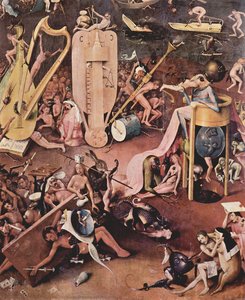
Ein Meisterwerk von Hieronymus Bosch: "Aufstieg zum Paradies" zeigt eine mystische Reise zum Himmel mit Engeln und Dämonen – ein einzigartiges Werk der frühen Renaissance.
 Weiterlesen
Erkunden Sie die surreale und symbolische Welt von Hieronymus Bosch (ca. 1450-1516), eines niederländischen Renaissance-Meisters. Entdecken Sie seine ikonischen Ölgemälde, beunruhigende Visionen der Hölle, religiöse Themen und seinen bleibenden Einfluss auf die Kunstgeschichte.
Giclée / Kunstdruck
Giclée- oder Leinwanddruck in Museumsqualität mit schneller Produktion und flexiblen Veredelungsoptionen. ( Handgemalte Reproduktion bestellen Zum digitalen Bild wechseln)




P118B €10

P118H €10

P118W €10

P438Z €10

P508JH €12

P508YH €12

P805H €10

P805Z €10

P919BZ €10

P919G €10

P919XJ €10

P959ZH €10

P968JZ €12

W106C €8

W218G €10

W218JH €8

W218Y €10

W307PJ €10

W316G €10

W316PJ €8

W316Y €10

W398PJ €8

W4111J €10

W500HY €15

W500JH €15

W692G €12

W849H €8

W940BG €15

W953PJ €8




Standardformat
individuell anpassbar
CM
INCH
Wählen Sie aus unseren vordefinierten Formaten, die den ursprünglichen Proportionen des Kunstwerks entsprechen.
Loading sizes...

Breite
Höhe
Geben Sie die benötigte Breite und Höhe an, damit der Druck perfekt in Ihren Rahmen oder an Ihre Wand passt. Ein Druck kann nur beschnitten, aber niemals größer als das Originalbild angefertigt werden; daher verliert ein Format mit anderen Proportionen einen Teil des Bildes. Wir senden Ihnen ein digitales Mockup zur Freigabe, bevor wir den Druck ausführen. Das auf dieser Seite gezeigte Bild zeigt nicht den tatsächlichen Beschnitt – dies ist nur im Mockup ersichtlich.
Weltweiter Versand () innerhalb von 2 Wochen statt der üblichen 4/5 Wochen. (31 Oktober)

Kostenloser weltweiter Expressversand

Hochwertige Leinenleinwand

Umfassender Versicherungsschutz beim Versand

Zollgebühren-Rückerstattungsgarantie

Garantie für exakte Farbtreue

100 Tage Rückgaberecht (nur bei Mängeln)

100% Geld-zurück-Garantie

Mengenrabatt verfügbar
 Die Glasoption ist nur für Größen unter 110 cm verfügbar.

Aufstieg zum Paradies
Giclée / Kunstdruck
Format der Reproduktion
-


Endpreis
€ 61
Paradise, Ascent of the Blessed
Hieronymus Bosch’s “Paradise, Ascent of the Blessed” stands as an unparalleled achievement in Renaissance art—a haunting meditation on faith, morality, and the eternal struggle between divine grace and demonic temptation. Created after 1490 and housed within the opulent Palazzo Ducale in Venice, Italy, this monumental polyptych transcends mere visual representation; it’s a journey into the depths of human psychology and theological contemplation.The Composition: A Descent Into Eternity
Bosch’s genius lies in his masterful orchestration of figures—a staggering 13 individuals populate the canvas, each positioned within a complex spiral tunnel that ascends towards an ethereal realm of paradise. Angels and demons intertwine seamlessly, embodying opposing forces locked in perpetual conflict. This dynamic arrangement isn't merely decorative; it reflects Bosch’s profound understanding of biblical allegory and his desire to depict the multifaceted path toward salvation—a path fraught with peril yet ultimately illuminated by divine compassion. The tunnel itself serves as a powerful symbol of spiritual ascent, mirroring the arduous climb towards God that characterizes Christian theology.Symbolism: Layers of Meaning
Bosch’s oeuvre is saturated with symbolism, and “Paradise, Ascent of the Blessed” exemplifies this characteristic perfectly. Recurring motifs—such as grotesque animals, decaying flesh, and unsettling human forms—underscore the pervasive influence of sin and corruption upon humanity. Yet, amidst these horrors, radiant angels guide souls upward, representing divine grace and offering solace to those striving for righteousness. The meticulous detail with which Bosch portrays these symbols speaks volumes about his artistic vision: he sought not simply to depict a biblical narrative but to provoke contemplation on fundamental questions concerning human existence and moral responsibility. Furthermore, the presence of demons pulling back individuals symbolizes the resistance to faith and divine will—a confrontation that underscores the necessity of unwavering devotion.Artistic Technique: Renaissance Precision Meets Netherlandish Imagination
Bosch’s technique is firmly rooted in the Renaissance tradition, demonstrating a mastery of oil painting—a medium favored by artists across Europe during this period. However, he distinguishes himself from his contemporaries through an infusion of Netherlandish stylistic elements, notably a heightened sensitivity to texture and detail. Bosch's meticulous rendering of skin surfaces and drapery imbues the figures with palpable realism, while simultaneously conveying their spiritual significance. The luminous quality of the tunnel’s glow—achieved through careful layering of pigments—creates an atmosphere of otherworldly beauty and reinforces the painting’s overarching theme of ascension into divine light. This blend of precision and imagination distinguishes Bosch as a singular artistic voice within his time.Reproductions at TopImpressionists.com: Bringing Bosch's Vision Home
For those captivated by Bosch’s unsettling grandeur, TopImpressionists.com offers exceptional reproductions crafted by skilled artisans who meticulously recreate the original's essence. These hand-painted canvases capture not only Bosch’s stylistic brilliance but also the profound emotional impact of his masterpiece—allowing viewers to experience firsthand the unsettling beauty and timeless contemplation that define this iconic artwork. Explore a stunning collection of high-quality reproductions at TopImpressionists.com and immerse yourself in the legacy of Hieronymus Bosch.- Artist: Hieronymus Bosch
- Painting Title: Paradise, Ascent of the Blessed
- Museum: Palazzo Ducale, Venice, Italy
- Style: Renaissance, Oil on panel
Fragen & Antworten
Kann "Aufstieg zum Paradies" in Augmented Reality vorab betrachtet werden?
„Aufstieg zum Paradies“ verfügt über eine Augmented-Reality-Vorschau: Die AR-Vorschau-Seite des Kunstwerks zeigt es auf einem kompatiblen Gerät in Ihrem eigenen Raum.
Wo kann ich einen Druck von "Aufstieg zum Paradies" von Hieronymus Bosch kaufen?
"Aufstieg zum Paradies" ist als ein Fine Art Print auf Baumwollkanvas oder Archiv-Leinwandpapier erhältlich. Bestellungen können in der gewünschten Größe auf der Kunstdruck in Premiumqualität-Seite aufgegeben werden.
Wer hat "Aufstieg zum Paradies" geschaffen und in welchem Stil ist es gehalten?
Hieronymus Bosch schuf „Aufstieg zum Paradies“ im Rahmen der The painting exemplifies Renaissance artistic prin-Bewegung.
Künstlerbiografie
Leben und Karriere
Hieronymus Bosch, ein bedeutender niederländischer/niederländischer Maler aus Brabant, wurde um 1450 in 's-Hertogenbosch, Niederlande, geboren. Sein Leben bleibt einem Mysterium geweiht, mit nur wenigen Aufzeichnungen über seine Existenz. Trotz des Mangels an biografischen Informationen hat sich Boschs Kunst einen tiefgreifenden Einfluss auf die nordeuropäische Kunst erarbeitet, insbesondere im 16. Jahrhundert.Künstlerischer Stil und Einflüsse
Boschs einzigartiger Stil, der durch **surreale und fantasievolle Darstellungen religiöser Themen** gekennzeichnet ist, hat weitreichende Einflüsse ausgeübt. Seine Ölgemälde auf Eichenholz, oft mit **düsteren und traumhaften Visionen der Hölle** ausgestattet, wurden zahlreichen Interpretationen unterzogen. Das Triptychon des letzten Gerichts (ca. 1480-1490) und das Garten der sinnlichen Freuden (ca. 1490-1510) sind zwei seiner bekanntesten Werke, die seine Meisterschaft in der Technik demonstrieren.Bekannte Werke und Sammlungen
* Aufstieg der Seligen (Nordische Renaissance, Öl auf Holzplatte): Ein seltenes Beispiel von Boschs Werk, das eine traumhafte, andereweltliche Szene zeigt. * Epifanie (ca. 1495, Prado Museum, Madrid): Ein Triptychon, das Boschs innovative Verwendung von Öl auf Holz demonstriert. * Kopf eines Halberdiers (Prado Museum, Madrid): Ein feines Beispiel für Boschs Porträtkunst, das seine Detailgenauigkeit zeigt.Museen und Sammlungen mit Boschs Werken
* Das Prado Museum, Madrid: Beherbergt einige seiner berühmtesten Werke, darunter Epifanie und das Triptychon des letzten Gerichts. * Das Philadelphia Museum of Art, Philadelphia: Präsentiert eine Version der Epifanie und bietet so einen einzigartigen Blick auf Boschs künstlerischen Stil.- Erfahren Sie mehr über die Werke von Hieronymus Bosch unter https://TopImpressionists.com/@/hieronymus-bosch
- Entdecken Sie die frühe niederländische Kunstbewegung und ihre wichtigsten Figuren, darunter Jan van Eyck und Pieter Bruegel der Ältere, unter https://TopImpressionists.com/@@/a@d3cpaf-the-erly-netherlandish-art-movement
- Erfahren Sie mehr über das Leben und Werk von Pieter Bruegel dem Älteren unter https://en.wikipedia.org/wiki/pieter_bruegel_the_elder
Vermächtnis
Hieronymus Boschs rätselhafter Stil hat Kunstliebhaber seit Jahrhunderten in seinen Bann gezogen, und sein Einfluss ist auch heute noch bei zahlreichen Künstlern zu sehen. Seine einzigartige Kombination aus **Surrealismus und tiefgründigen Einsichten in die menschliche Natur** hat seine Position als Meister der niederländischen Malerei gefestigt.
Hieronymus Bosch
1450 - 1516 , Niederlande
Kurzinfos
- Beeinflusste Künstler: ['Pieter Bruegel d.Ä.']
- Bemerkenswerte Werke:
- Garten der Lüste
- Letztes Gericht Triptychon
- Aufstieg der Seligen
- Epiphanias
- Geburtsdatum: ca. 1450
- Geburtsort: 's-Hertogenbosch, Niederlande
- Künstlerische Einflüsse:
- Jan van Eyck
- Pieter Bruegel d.Ä.
- Künstlerischer Stil: Frühflämische Malerei
- Nationalität: Niederländisch
- Sterbedatum: 1516
- Vollständiger Name: Hieronymus Bosch
Ähnliche Artikel

Hieronymus Bosch: Die Entschlüsselung einer visionären Meisterwerk und seiner tiefgründigen Symbolik
Entdecken Sie die faszinierende Welt des Hieronymus Bosch! Unsere Expertenanalyse enthüllt die tiefgründige Symbolik seiner Meisterwerke, von 'Der Garten der Lüste' bis zum Triptychon des Heiligen Antonius. Erfahren Sie mehr über Leben, Werk und bleibenden Einfluss dieses einzigartigen Künstlers.

Meisterwerke des Wahnsinns: Die 25 besten Kunstwerke von Hieronymus Bosch
Entdecken Sie die visionären Meisterwerke von Hieronymus Bosch. Erleben Sie Boschs Legenden auf TopImpressionists.com.

Unveiling Hidden Meanings: Allegory in Western Art History
Explore the rich history of allegory in Western art! Discover hidden meanings in masterpieces from Giotto to Bosch & beyond. Expert insights for collectors and enthusiasts at TopImpressionists.

Meister des Dramas: Die 25 größten Kunstwerke von Jacopo Tintoretto
Entdecke die 25 Meisterwerke von Tintoretto und seine dramatische Lichtführung. Erlebe die Renaissance auf TopImpressionists.com.

Die 25 bedeutendsten Meisterwerke des Museo del Prado in Madrid
Erleben Sie die Legenden von Velázquez und Goya im Prado. Entdecken Sie alle Meisterwerke auf TopImpressionists.com.
Entdecken Sie Kunstwerke, die nach Themen, Stilen und Merkmalen sortiert sind.