Vorschau anzeigen
 Versenden
 Teilen
 Details anzeigen
 Leitfaden

 Herunterladen
 Ähnliche Objekte
 Röntgenaufnahme
 Diashow
 Fragen & Antworten
 Statistiken
Ecce Homo

- 71.0 x 61.0 cm


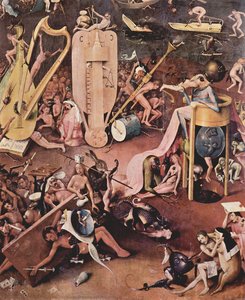
Hieronymus Bosch's 'Ecce Homo' (1475) zeigt das Kreuzigungsszenium mit eindringender Intensität. Entdecken Sie die düstere Symbolik und emotionale Tiefe dieses Meisterwerks – als handgemalte Reproduktion.
 Weiterlesen
Ein Meister surrealer Symbolik, bekannt für Der Garten der sündigen Lust. Entdecken Sie heute seine eindringlichen Visionen.
Giclée / Kunstdruck
Giclée- oder Leinwanddruck in Museumsqualität mit schneller Produktion und flexiblen Veredelungsoptionen. ( Handgemalte Reproduktion bestellen Zum digitalen Bild wechseln)




P118B €10

P118H €10

P118W €10

P438Z €10

P508JH €12

P508YH €12

P805H €10

P805Z €10

P919BZ €10

P919G €10

P919XJ €10

P959ZH €10

P968JZ €12

W106C €8

W218G €10

W218JH €8

W218Y €10

W307PJ €10

W316G €10

W316PJ €8

W316Y €10

W398PJ €8

W4111J €10

W500HY €15

W500JH €15

W692G €12

W849H €8

W940BG €15

W953PJ €8




Standardformat
individuell anpassbar
CM
INCH
Wählen Sie aus unseren vordefinierten Formaten, die den ursprünglichen Proportionen des Kunstwerks entsprechen.
Loading sizes...

Breite
Höhe
Geben Sie die benötigte Breite und Höhe an, damit der Druck perfekt in Ihren Rahmen oder an Ihre Wand passt. Ein Druck kann nur beschnitten, aber niemals größer als das Originalbild angefertigt werden; daher verliert ein Format mit anderen Proportionen einen Teil des Bildes. Wir senden Ihnen ein digitales Mockup zur Freigabe, bevor wir den Druck ausführen. Das auf dieser Seite gezeigte Bild zeigt nicht den tatsächlichen Beschnitt – dies ist nur im Mockup ersichtlich.
Weltweiter Versand () innerhalb von 2 Wochen statt der üblichen 4/5 Wochen. (9 November)

Kostenloser weltweiter Expressversand

Hochwertige Leinenleinwand

Umfassender Versicherungsschutz beim Versand

Zollgebühren-Rückerstattungsgarantie

Garantie für exakte Farbtreue

100 Tage Rückgaberecht (nur bei Mängeln)

100% Geld-zurück-Garantie

Mengenrabatt verfügbar
 Die Glasoption ist nur für Größen unter 110 cm verfügbar.

Ecce Homo
Giclée / Kunstdruck
Format der Reproduktion
-


Endpreis
€ 62
Die düstere Vision von Leiden und Erlösung: Hieronymus Boschs "Ecce Homo"
Hieronymus Bosch’s “Ecce Homo,” painted in 1475, is not merely a depiction of the crucifixion; it's a profoundly unsettling and psychologically complex meditation on suffering, judgment, and the human condition. This work, rendered in a remarkably intimate scale of 71 x 61 cm, offers a glimpse into the intensely private and often disturbing world of one of art history’s most enigmatic figures. Bosch, born around 1450 in ’s-Hertogenbosch, Netherlands, was already pushing against the established conventions of his time, foreshadowing the surreal and symbolic language that would become his hallmark.
The scene unfolds with a stark realism – a Roman soldier, likely Pontius Pilate himself, presents Jesus Christ to a crowd. However, this seemingly straightforward presentation is immediately undermined by Bosch’s masterful deployment of symbolism. The faces surrounding the cross are not those of pious onlookers; instead, they reveal a spectrum of emotions: fear, disbelief, morbid curiosity, and even a disturbing sense of anticipation. The soldier's expression is ambiguous, suggesting a reluctant acknowledgment of Christ’s fate rather than genuine sympathy. Notice particularly the detail in the eyes – some filled with horror, others with a detached fascination.
Ein Kaleidoskop der Symbolik
Bosch’s genius lies not just in his realistic portrayal of figures but in the dense layering of symbolic elements that permeate every corner of the painting. The brick wall behind the scene is not simply a backdrop; it represents the decaying foundations of societal morality and the inevitable consequences of sin. Scattered swords, a recurring motif in Bosch's work, symbolize violence, conflict, and the inherent brutality of human nature. The presence of animals – a donkey, a dog, and a monkey – adds further layers of interpretation. The donkey, often associated with humility and sacrifice, is juxtaposed against the predatory gaze of the dog, hinting at the duality of good and evil within humanity.
Crucially, Bosch’s use of color contributes significantly to the painting's unsettling atmosphere. Earthy browns, ochres, and muted reds dominate the palette, creating a sense of gloom and foreboding. The stark contrast between these somber tones and the pale flesh of Christ emphasizes his vulnerability and isolation. The subtle variations in shading – particularly around the wounds on Christ’s body – are executed with remarkable sensitivity, conveying both physical pain and spiritual anguish.
Technique und historische Bedeutung
“Ecce Homo” exemplifies Bosch's distinctive artistic technique. He employed a meticulous layering of thin glazes, building up color gradually to achieve incredible depth and luminosity. This method, known as *sfumato*, creates an almost dreamlike quality, blurring the boundaries between reality and illusion. Bosch’s work reflects the late medieval preoccupation with religious themes and anxieties surrounding mortality – a period marked by both fervent faith and growing skepticism. The painting can be interpreted as a commentary on the political machinations of Pilate and the moral failings of Roman society, alongside its profound theological implications.
Ein Ausdruck von Mitgefühl und Melancholie
Despite its unsettling imagery, “Ecce Homo” is ultimately a deeply moving work. It’s not a celebration of triumph or salvation but rather an honest confrontation with suffering and the complexities of human existence. Bosch's ability to evoke such powerful emotions through his carefully constructed symbolism and masterful technique ensures that this painting continues to resonate with viewers centuries after its creation. A reproduction of this extraordinary piece offers a unique opportunity to experience the haunting beauty and profound psychological depth of Hieronymus Bosch’s vision – a timeless testament to the enduring power of art to illuminate the darkest corners of the human soul.
Fragen & Antworten
Welche Druckgröße wird für "Ecce Homo" von Hieronymus Bosch empfohlen?
Die empfohlene Druckgröße für "Ecce Homo" von Hieronymus Bosch ist Großformatig.
Welches Gefühl wird mit "Ecce Homo" assoziiert?
Die für "Ecce Homo" von Hieronymus Bosch festgelegte emotionale Stimmung ist Melancholisch. Sie fasst das Gefühl zusammen, das das Werk ausdrückt.
Wie stark ist der Kontrast in "Ecce Homo" von Hieronymus Bosch?
Der Hell-Dunkel-Kontrast von „Ecce Homo“ wird mit Aussagekraft angegeben. Der Kontrast beschreibt, wie stark sich helle und dunkle Bereiche voneinander unterscheiden.
Künstlerbiografie
Das Leben und die Identität von Hieronymus Bosch
Der Name Hieronymus Bosch gehört einem Mann, der als Jheronimus van Aken geboren wurde. Er tritt um 1450 in der Stadt 's-Hertogenbosch aus der Geschichte der Niederlande hervor. Es war eine Zeit intensiver religiöser Inbrunst und gesellschaftlicher Unruhe im Herzogtum Brabant. Er war ein niederländischer Maler, dessen eigentliche Identität bis heute Gegenstand intensiver Untersuchungen bleibt. Die Aufzeichnungen aus jener Zeit sind fragmentarisch; sie bieten nur flüchtige Einblicke in das Leben eines Mannes, der zu einem bedeutenden Repräsentanten der frühniederländischen Malerei werden sollte.
Seine Existenz war in einer Ahnenreihe von Schöpfern verwurzelt. Er wurde in eine Familie mit einer langen Tradition der Malerei hineingeboren, ein Hintergrund, der wahrscheinlich sein frühes Verständnis des Mediums geprägt hat. Während sich seine Zeitgenossen oft auf das Serene und Friedvolle konzentrierten, richtete Bosch seinen Blick auf das Groteske und das Symbolische. Er bewegte sich in einer Welt, in der die Grenzen zwischen dem Göttlichen und dem Dämonischen zu verschwimmen schienen. Sein Werk spiegelt die Ängste des späten Mittelalters wider und fängt das Gefühl menschlicher Torheit durch eine höchst individualistische Linse ein.
Frühes Leben, Familie und Ausbildung
Die Wurzeln der Identität des Künstlers sind tief in der Architektur von 's-Hertogenbosch verankert. Er wird im Haus seines Großvaters geboren, einem Bauwerk, das untrennbar mit einer Ahnenreihe von Schöpfern verbunden ist. Sein Großvater, Jan van Aken, war ein Maler, der im Jahr 1454 verstarb. Diese familiäre Verbindung zum Handwerk ist keineswegs zufällig; sie bildet das Fundament seines Seins. Sein Vater, Anthonius van Aken, führt diese Tradition fort und war sowohl als Maler als auch als künstlerischer Berater tätig. Das Umfeld der Werkstatt dient ihm dabei als erster Lehrmeister – ein Raum, in dem die technischen Konventionen der niederländischen Malerei durch tägliche Praxis und aufmerksame Beobachtung in Fleisch und Blut übergehen.
Die Ausbildung beginnt inmitten dieser familiären Werkstatt. Durch die Hände seiner Verwandten lernt er die Disziplin des Mediums kennen und verinnerlicht die Methoden seiner Vorgänger. Der Übergang vom Schüler in einem Familienatelier zu einer anerkannten Persönlichkeit in den städtischen Registern vollzieht sich im Jahr 1474. Dies ist das erste Mal, dass sein Name in den offiziellen Dokumenten von 's-Hertogenbosch auftaucht. Damit verlässt er die private Sphäre der Familienwerkstatt und tritt in das öffentliche Register der Stadt ein – ein entscheidender Schritt, der seinen Aufstieg als Individuum innerhalb der professionellen Landschaft des Herzogtums Brabant markiert.
Ehe und gesellschaftlicher Status
Die Stabilität von Hieronymus Bosch' Privatleben nahm zwischen 1479 und 1481 Gestalt an. Er heiratete Aleyt Goyaerts van den Meervenne – eine Verbindung, die weit mehr als nur Gefährtenschaft bedeutete. Durch den Besitz ihrer Familie sicherte Aleyt dem Künstler eine finanzielle Grundlage, die ihn fest in der lokalen Wirtschaft verankerte. Das Paar zog schließlich in die nahe gelegene Stadt Oirschot, ein Umzug, der eine Abkehr von der unmittelbaren Geschäftigkeit seines Geburtsortes markierte.
In gesellschaftlicher Hinsicht bewegte sich Hieronymus Bosch in den einflussreichen Kreisen der Region Brabant. Im Jahr 1486 oder 1487 trat er der Illustren Bruderschaft Unserer Lieben Frau bei. Die Mitgliedschaft in dieser hochgeschätzten religiösen Bruderschaft reihte ihn in den Kreis der einflussreichen Bürger von 's-Hertogenbosch ein. Diese Zugehörigkeit schuf eine feste Verbindung zum religiösen und bürgerlichen Leben der Gemeinschaft und festigte seine Position als anerkannte Persönlichkeit innerhalb der lokalen sozialen Hierarchie.
Technik und künstlerischer Stil
Bosch arbeitet vornehmlich auf Eichenholztafeln und nutzt dabei die meisterhaften Öltechniken der niederländischen Tradition. Dabei strebt er nicht nach jener glatten, unsichtbaren Oberfläche, die von vielen seiner Zeitgenossen bevorzugt wurde. Stattdessen hinterlässt sein Farbauftrag oft eine raue Textur – eine haptische Qualität, die seinen bizarren Sujets eine besondere Schwere verleiht. Durch den präzisen Einsatz von Lasuren, bei denen dünne, lichtdurchlässige Farbschichten übereinandergelegt werden, erzielt er eine leuchtende Tiefe und eine filigrane Textur. Diese technische Beherrschung ermöglicht eine verblüffende Klarheit, selbst innerhalb seiner chaotischsten Kompositionen.
Seine visuelle Sprache beruht auf einer Verschmelzung von akribischem Detailreichtum und wild fantastischen Bildwelten. Er bevölkert seine Landschaften mit hybriden Wesen, grotesken Dämonen und seltsamen, anatomischen Verzerrungen, welche die Wahrnehmung der Realität des Betrachters herausfordern. Diese Figuren sind keine bloßen Dekorationen; sie fungieren als Symbole für Laster und spirituelle Korruption. Die Spannung zwischen seiner präzisen, realistischen Darstellung von Texturen und der surrealen Natur seiner Motive erzeugt ein tiefes Gefühl des Unbehagens. Er fängt das menschliche Dasein durch eine Linse intensiver moralischer Prüfung ein, in der jedes Geschöpf ein schweres theologisches Gewicht trägt.
Hauptwerke und Meisterwerke
Der Blick wandert nun hin zu dem Triptychon, das als Der Garten der sündigen Lust bekannt ist. Es bleibt sein berühmtestes Werk, ein komplexes visuelles Labyrinth. Das linke Panel präsentiert den Garten Eden, der vor Leben strotzt. Das zentrale Panel zeigt eine Welt, die von sinnlichem Vergnügen und ungezähmtem Verlangen verzehrt wird. Auf der rechten Seite entfaltet sich eine schreckliche Vision der Hölle. Dieses Werk fungiert als Panoramablick auf den Sündenfall der Menschheit, der sich vom Paradies bis hin zu den Qualen des Jenseits bewegt.
In anderen Kompositionen erforscht Bosch die Mechanismen der Sünde und das Chaos des menschlichen Daseins. Die sieben Todsünden, die im Museo del Prado in Madrid aufbewahrt werden, untersuchen moralisches Versagen durch eine strukturierte Linse. Um das Jahr 1500 schuf er Die Narrenschiff, ein Werk, das die Torheit der Menschheit einfängt. Seine Fähigkeit, das Groteske darzustellen, zeigt sich auch in Der Versuchung des Heiligen Antonius, einem seiner bemerkenswerten Werke. Auch das Heuwagen-Triptychon stellt ein bedeutendes Stück in seinem Werk dar und präsentiert eine Welt, die in einem Kreislauf aus Versuchung und Gericht gefangen ist.
- Der Garten der sündigen Lust
- Die sieben Todsünden
- Die Narrenschiff
- Der Versuchung des Heiligen Antonius
- Das Heuwagen-Triptychon
Vermächtnis und fortwährender Einfluss
Die Wellen von Boschs Visionen breiteten sich im 16. Jahrhundert rasant aus und prägten die Entwicklung der nordeuropäischen Kunst maßgeblich. Pieter Bruegel der Ältere erwies sich dabei als sein bedeutendster Nachfolger, der die komplexen Kompositionsstrukturen und die moralisierenden Themen, die Bosch Pionierarbeit geleistet hatte, aufgriff und weiterentwickelte. Doch diese Bildsprache endete nicht mit der Renaissance. Jahrhunderte später fanden die Surrealisten in seinem Werk einen Vorläufer. Salvador Dalí und Max Ernst blickten auf seine Leinwände, um eine visuelle Sprache für das Unterbewusstsein zu finden, wobei sie sich direkt von seiner Fähigkeit inspirieren ließen, das Unmögliche mit einer verblüffenden Klarheit darzustellen.
Sein Werk bewahrt in seiner Ausführung eine bemerkenswerte Modernität. Er besaß die einzigartige Gabe, das Groteske mit dem Schönen zu verweben und so eine Spannung zu erzeugen, die selbst im digitalen Zeitalter noch zeitgemäß wirkt. Diese Dualität ermöglicht es seinen Gemälden, als Fenster in das religiöse und soziale Klima des 15. und 16. Jahrhunderts zu fungieren. Durch seinen Pinsel erhielten die Ängste einer sich wandelnden Welt eine physische Gestalt. Er hielt eine Ära intensiver moralischer Prüfung und gesellschaftlicher Umbrüche fest und verwandelte theologische Konzepte in viszerale, visuelle Realitäten, die bis heute zur Debatte anregen.
Wo man seine Werke heute sehen kann
Das gewaltige Erbe von Hieronymus Bosch konzentriert sich in hohem Maße in Madrid. Das Museo del Prado beherbergt 55 seiner Werke und bietet somit den umfassendsten Einblick in seine einzigartige visuelle Sprache. In diesen Hallen begegnet man den furchteinflößenden Details seiner Höllenlandschaften und den komplexen moralischen Allegorien, die sein Schaffen definierten. Die Sammlung umfasst unter anderem das Triptychon der Anbetung der Könige (ca. 1510) sowie Die sieben Todsünden (ca. 1480).
In Lissabon bewahrt das Museu Nacional de Arte Antiga 18 Werke auf, darunter die Versuchung des Heiligen Antonius (ca. 1506). Die Präsenz seiner Bildwelt in Portugal unterstreicht die enorme Reichweite seines Einflusses in ganz Europa. Unterdessen hält das Museum Boijmans Van Beuningen in den Niederlanden 10 Werke bereit, darunter Der Landstreicher (Der verlorene Sohn) (ca. 1516). Diese Stücke bieten eine direkte Verbindung zu der niederländischen Tradition, aus der er hervorgegangen ist.
Weitere bedeutende Sammlungen sind über den Kontinent verteilt. Die Akademie der bildenden Künste in Wien besitzt 8 Werke, wie etwa das Christkind mit Gehhilfe (ca. 1480). In Berlin bewahren die Staatlichen Museen 7 Werke auf. Um sein gesamtes Schaffen in seiner vollen Pracht zu erfassen, muss man zwischen diesen spezifischen Zentren der Bewahrung reisen.
- Der Garten der sündigen Wollust (ca. 1504)
- Der Heuwagen-Triptychon (ca. 1504)
- Das Narrenschiff (ca. 1500)
- Paradies und Hölle (ca. 1510)

Hieronymus Bosch
1450 - 1516 , Niederlande
Kurzinfos
- Beeinflusste Künstler: ['Pieter Bruegel d.Ä.']
- Bemerkenswerte Werke:
- Garten der Lüste
- Letztes Gericht Triptychon
- Aufstieg der Seligen
- Epiphanias
- Geburtsdatum: ca. 1450
- Geburtsort: 's-Hertogenbosch, Niederlande
- Künstlerische Einflüsse:
- Jan van Eyck
- Pieter Bruegel d.Ä.
- Künstlerischer Stil: Frühflämische Malerei
- Nationalität: Niederländisch
- Sterbedatum: 1516
- Vollständiger Name: Hieronymus Bosch
Ähnliche Artikel

Whispers of the Soul: Discovering the Sacred Beauty and Intricate Devotion of Early Medieval Art
Embark on a soulful journey through Early Medieval art. Explore the sacred beauty of illuminated manuscripts, Byzantine gold leaf, and the profound spiritual symbolism that shaped history. Discover the timeless devotion captured in every intricate detail.

Divine Light & Golden Splendor: A Journey Through the Sacred Grandeur of High Medieval Art
Embark on a soulful journey through High Medieval art. Explore the divine light of Gothic cathedrals, Byzantine splendor, and sacred masterpieces that shaped Western history with our expert-led cultural reflections.
Entdecken Sie Kunstwerke, die nach Themen, Stilen und Merkmalen sortiert sind.