

 In echtem Maßstab anzeigen
 Versenden als Grußkarte
 Teilen
 Details anzeigen
 Leitfaden öffnen

 Herunterladen
 Ähnliche Objekte
 Röntgenaufnahme
 Diashow
 Besucherstatistiken
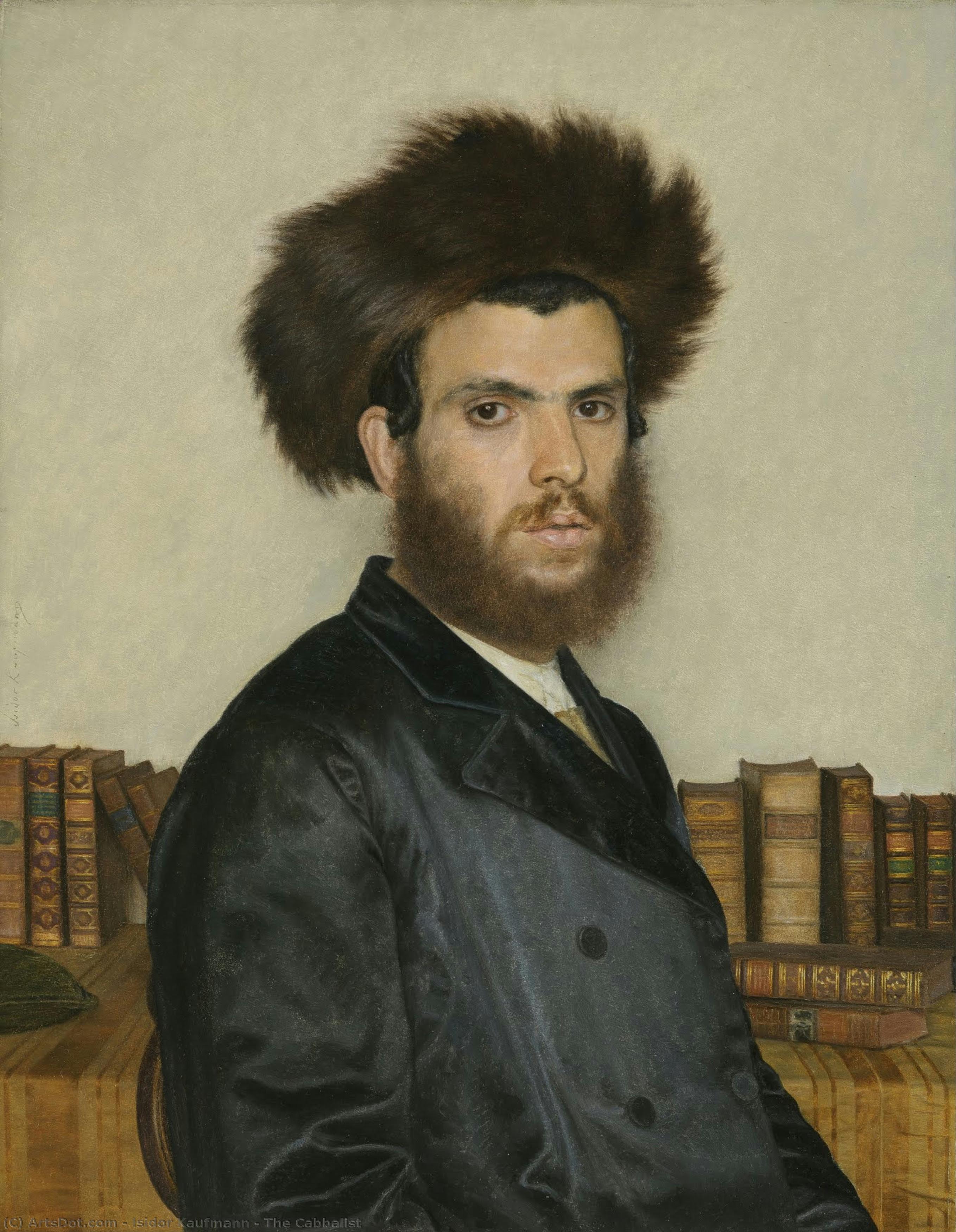
The Cabbalist
 Acrylic On Canvas
- WallArt
- Realism
 1910
1910- 19th Century
 44.0 x 35.0 cm
 Das Jüdische Museum
A poignant 1910 portrait by Isidor Kaufmann captures a Jewish scholar immersed in Cabbalistic studies, showcasing the artist’s masterful depiction of Hasidic life in Eastern Europe. Discover this evocative artwork and bring its rich history into your space.
 Mehr anzeigen
Entdecken Sie Isidor Kaufmanns bewegende Genremalerei des jüdischen Lebens in Osteuropa. Erkunden Sie seine evokativen Werke, die Hasidische Gemeinschaften und historische Momente darstellen.
Handgefertigte Ölreproduktion
Handgemaltes Ölgemälde auf Leinwand in Ihrer Wunschgröße und mit Rahmen, auf Bestellung von unseren Künstlern angefertigt. ( Zum Druck wechseln Zum digitalen Bild wechseln)




P118B $10

P118H $10

P118W $10

P438Z $10

P508JH $12

P508YH $12

P805H $10

P805Z $10

P919BZ $10

P919G $10

P919XJ $10

P959ZH $10

P968JZ $12

W106C $8

W218G $10

W218JH $8

W218Y $10

W307PJ $10

W316G $10

W316PJ $8

W316Y $10

W398PJ $8

W4111J $10

W500HY $15

W500JH $15

W692G $12

W849H $8

W940BG $15

W953PJ $8




Standardformat
individuell anpassbar
CM
INCH
Wählen Sie aus unseren vordefinierten Formaten, die den ursprünglichen Proportionen des Kunstwerks entsprechen.
Loading sizes...

Breite
Höhe
Sie können Ihre eigenen Maße eingeben, um einen bestimmten Rahmen oder Platz auszufüllen. Wenn die gewählte Größe nicht den Proportionen des Originalbildes entspricht, werden wir das Kunstwerk entweder beschneiden oder das Gemälde durch zusätzliche, handgemalte Elemente erweitern. Ein digitales Mockup wird Ihnen zur Genehmigung zugesandt, bevor die Produktion beginnt.
Bitte beachten Sie, dass die Bildschirmvorschau nicht die tatsächliche Beschneidung oder Erweiterung widerspiegelt. Nur das Mockup zeigt die endgültige Komposition exakt an.
Obwohl Sondermaße verfügbar sind, empfehlen wir, eine Größe aus der vordefinierten Liste zu wählen, um die ursprünglichen Proportionen beizubehalten.
Beispiele für Anpassungsmöglichkeiten: Gesicht durch Kundenfoto ersetzen; Haustier hinzufügen (z. B. Katze durch Hund ersetzen); eine versteckte Nachricht im Hintergrund einfügen; Hintergrundlandschaft oder -elemente ändern.
Nach der Bestellung wird das TopImpressionists.com-Team dem Kunden Anweisungen per E-Mail zusenden und eine Mockup-Vorschau bereitstellen.
Nach der Bestellung wird das TopImpressionists.com-Team dem Kunden Anweisungen per E-Mail zusenden und eine Mockup-Vorschau bereitstellen.
Weltweiter Versand () in nur 3 bis 4 Wochen statt der üblichen 5 Wochen. (26 September). Keine Kompromisse bei der Qualität.

Kostenloser weltweiter Expressversand

Hochwertige Leinenleinwand

Vollständiger Versicherungsschutz beim Versand

Zollgebühren-Rückerstattungsgarantie

Garantie für exakte Farbtreue

100-tägiges Rückgaberecht (nur bei Mängeln)

100% Geld-zurück-Garantie

Angebot für Mengenrabatt
 Die Glasoption ist nur für Größen unter 110 cm verfügbar.

The Cabbalist
Reproduktionsmedium
Format der Reproduktion
-


Gesamtpreis
$ 269
Isidor Kaufmann’s ‘The Cabbalist’: A Window into Eastern European Jewish Life
TopImpressionists presents a meticulously crafted hand-painted reproduction of Isidor Kaufmann's “The Cabbalist,” an arresting portrait painted in 1910 that offers a rare and intimate glimpse into the world of Hasidic scholarship. Measuring 44 x 35 cm, this work transcends a simple likeness; it’s a carefully constructed tableau brimming with symbolic weight and reflecting the profound spiritual life of a community largely untouched by the sweeping changes of the early 20th century.
- Subject & Composition: The painting centers on a man – presumably a ‘Cabbalist,’ as the title suggests – seated in what appears to be a study. His weathered face, framed by a neatly trimmed beard and a worn hat, speaks of years spent immersed in contemplation and learning. The arrangement of books surrounding him isn’t merely decorative; it's a deliberate composition that underscores his intellectual pursuits and connection to ancient wisdom.
- Artistic Style & Technique: Kaufmann’s style is firmly rooted in the traditions of Austro-Hungarian genre painting, characterized by its realism and attention to detail. The brushwork is precise yet imbued with a subtle warmth, suggesting a deep understanding of his subject's character and environment. He employs a muted color palette – predominantly browns, grays, and ochres – which contributes to the painting’s solemn and contemplative mood.
A Portrait of Faith: Historical Context & Kaufmann’s Vision
Painted in 1910, “The Cabbalist” captures a pivotal moment in the history of Hasidic Judaism. Isidor Kaufmann (1853-1921), born in Arad, Romania, dedicated his artistic career to documenting the lives and traditions of these communities, primarily in Poland and Romania. His work emerged during a period of significant social and religious change, as traditional Jewish life faced increasing pressure from modernity. Kaufmann’s portraits weren't simply representations; they were acts of preservation, meticulously recording a way of life on the verge of disappearing.
Born to Hungarian Jewish parents, Kaufmann initially pursued commerce before discovering his true calling in painting. His training at the Landes-Zeichenschule in Budapest and subsequent studies at the Vienna Academy of Fine Arts – though initially met with rejection – ultimately shaped his distinctive artistic voice. He was profoundly influenced by Professor Trenkwald, who guided him toward a more focused approach to depicting Jewish life.
Symbolism & Interpretation
The inclusion of numerous books is laden with symbolic meaning within the context of Kabbalah, the mystical branch of Judaism. These volumes represent not just knowledge but also a connection to generations of scholarship and spiritual tradition. The man’s posture – seated, absorbed in his studies – embodies the contemplative nature of this pursuit. The hat, a traditional Jewish head covering, further reinforces his identity and religious devotion. Kaufmann's ability to capture such nuanced details speaks volumes about his deep respect for his subject and his commitment to portraying authentic Jewish life.
Emotional Impact & Collecting
"The Cabbalist" is more than just a beautiful painting; it’s a poignant reminder of a vanishing world. This hand-painted reproduction offers collectors and interior designers alike the opportunity to own a piece of art history, imbued with spiritual significance and artistic merit. Its evocative depiction of scholarly devotion will undoubtedly add depth and character to any space, serving as a constant source of contemplation and appreciation for the rich tapestry of human culture.
Biografie des Künstlers
Der Chronist einer verschwundenen Welt
Isidor Kaufmann nimmt eine singuläre Stellung in der österreichisch-ungarischen Kunstgeschichte ein, berühmt für seine ergreifenden Genremalereien, die das tägliche Leben und die spirituellen Traditionen der Hasidischen Gemeinschaften in Polen und Rumänien einfangen. Geboren 1853 in Arad, Ungarn – heute Teil Rumäniens – als Sohn ungarisch-jüdischer Eltern, war Kaufmanns künstlerischer Weg von glücklichen Fügungen geprägt, die ihn letztlich zu einem der bedeutendsten Chronisten der jüdischen Kultur des späten 19. Jahrhunderts machten. Während er zunächst eine kaufmännische Karriere anstrebte, offenbarte sich seine wahre Berufung durch eine kurze Studienzeit an der Landes-Zeichenschule in Budapest. Dieser frühe Funke entfachte eine lebenslange Leidenschaft, die ihn zur prestigeträchtigen Wiener Akademie der bildenden Künste führen sollte, wo er trotz anfänglicher Rückschläge seine Fähigkeiten unter der strengen Anleitung von Professor Trenkwald perfektionierte.
Nachdem er sich in der pulsierenden Atmosphäre Wiens als versierter Porträtmaler etabliert hatte, sog Kaufmann die stilistischen Einflüsse von Größen wie Joseph Matthäus Aigner auf. Sein Werk begann eine anspruchsvolle Verbindung aus akademischer Tradition und dem aufstrebenden Realismus des Impressionismus widerzuspiegeln. Dieses einzigartige technische Fundament erlaubte es ihm, über die bloße Darstellung hinauszugehen und die tiefe psychologische Ebene sowie das spirituelle Gewicht seiner Motive einzufangen. Seine Meisterschaft im Chiaroscuro – dem dramatischen Zusammenspiel von Licht und Schatten – wurde zum Markenzeichen seines Stils und verlieh seinen Darstellungen religiöser Studien und gemeinschaftlicher Rituale eine fast sakrale Atmosphäre.
Ein Meisterwerk kaiserlicher Anerkennung
Der Wendepunkt in Kaufmanns Karriere kam mit dem monumentalen Auftrag für „Der Besuch des Rabbi“, ein Werk von solcher Bedeutung, dass es von Kaiser Franz Joseph I. für das Kunsthistorische Museum in Auftrag gegeben wurde. Dieses Gemälde dient als definitiver Beweis für seine Fähigkeit, akribische Details mit tiefer emotionaler Resonanz zu verweben. Durch diese Leinwand bewies Kaufmann, dass er nicht nur ein Beobachter der Tradition war, sondern ein Meister, der fähig war, die Essenz menschlicher Erfahrung innerhalb spezifischer kultureller Kontexte einzufangen. Der Erfolg dieses Werkes festigte seinen Ruf in ganz Europa und markierte ihn als einen Künstler, der ethnografische Sujets in die Sphären der hohen Kunst erheben konnte.
Sein Gesamtwerk zeichnet sich durch einen intimen Blick in das Herz des osteuropäischen jüdischen Lebens aus. Ob er die kontemplative Stille eines Gelehrten oder die stille Intensität der Jugend darstellt, Kaufmanns Gemälde fungieren als Fenster in eine Welt, die tiefgreifenden historischen Umbrüchen unterlag. Zu seinen bedeutendsten Werken gehören:
- Schachspieler: Eine fesselnde Darstellung eines nachdenklichen Moments rituellen Spiels, die seine Fähigkeit zeigt, Schönheit in alltäglichen gemeinschaftlichen Interaktionen zu finden.
- Der Kabbalist: Ein Porträt aus dem Jahr 1910, das einen jüdischen Gelehrten zeigt, der tief in mystische Studien versunken ist, und die Kunst des Künstlers bei der Darstellung spiritueller Hingabe illustriert.
- Porträt eines jungen Mannes: Ein intimes Genrebild aus dem Jahr 1901, das durch einen intensiven Blick einen Einblick in die kulturelle Identität jener Ära gewährt.
- Porträt von Isidor Gewitsch: Ein meisterhaftes Beispiel akademischen Realismus, das die Würde und stille Kontemplation eines älteren Mannes mit zeitloser Eleganz einfängt.
Vermächtnis und historische Bedeutung
Die historische Bedeutung Isidor Kaufmanns liegt in seiner Rolle als visueller Historiker. Seine Gemälde dienen als lebensnotwendiges, evokatives Zeugnis des hasidischen Lebens und der jüdischen Traditionen während ihrer letzten, lebendigen Jahre in Osteuropa, bevor die Erschütterungen des 20. Jahrhunderts alles veränderten. Durch seinen Pinsel werden die Texturen schwerer schwarzer Mäntel, das Glühen von Kerzenlicht auf alten Texten und die Feierlichkeit religiöser Rituale mit einer fast greifbaren Klarheit bewahrt. Kaufmann malte nicht bloß Szenen; er fing die Seele einer Kultur ein und stellte sicher, dass die Würde, der Intellekt und der spirituelle Reichtum dieser Gemeinschaften für immer in den Annalen der Kunstgeschichte eingraviert bleiben.

Isidor Kaufmann
1853 - 1921 , Rumänien
Eckdaten zum Künstler
- Artistic Movement Or Style: Genremalerei
- Artists Or Movements Influenced By This Artist: ['Baron Königswarter Künstler-Preis']
- Artists Who Influenced This Artist: ['Joseph Matthäus Aigner']
- Date Of Birth: 1853
- Full Name: Isidor Kaufmann
- Nationality: Österreichisch-Ungarisch
- Notable Artworks:
- Porträt von Isidor Gewitsch
- Porträt eines jungen jüdischen Mannes
- Place Of Birth: Arad, Rumänien
Verwandte Artikel

TopImpressionists.com F.A.Q.: Discover the Vibrant Beauty of Our Premium Art Poster Prints
Explore the technical excellence of TopImpressionists.com's premium art poster prints. Discover how our 12-color pigment system and archival inks capture the luminous beauty of Impressionist masterpieces with unmatched color fidelity and museum-grade durability for the discerning collector.