


 In echtem Maßstab anzeigen
 Versenden als Grußkarte
 Teilen
 Details anzeigen
 Leitfaden öffnen

 Herunterladen
 Ähnliche Objekte
 Röntgenaufnahme
 Diashow
 Besucherstatistiken
Psyche hosted on Olympus
 Oil
Oil- WallArt
- Baroque
 1652
1652- Early Modern
 225.0 x 266.0 cm
A vibrant Baroque masterpiece by Jacob Jordaens featuring a celestial gathering of figures in Psyche hosted on Olympus, offering a grand window into Flemish artistry for your collection.
 Mehr anzeigen
Entdecken Sie Jacob Jordaens (1593-1678), den flämischen Barockmeister! Erleben Sie realistische Darstellungen des Alltags, dynamische Kompositionen & seinen Einfluss auf die Kunstwelt.
Giclée / Kunstdruck
Giclée- oder Leinwanddruck in Museumsqualität mit schneller Produktion und flexiblen Veredelungsoptionen. ( Handgemalte Reproduktion kaufen Zum digitalen Bild wechseln)




P118B €10

P118H €10

P118W €10

P438Z €10

P508JH €12

P508YH €12

P805H €10

P805Z €10

P919BZ €10

P919G €10

P919XJ €10

P959ZH €10

P968JZ €12

W106C €8

W218G €10

W218JH €8

W218Y €10

W307PJ €10

W316G €10

W316PJ €8

W316Y €10

W398PJ €8

W4111J €10

W500HY €15

W500JH €15

W692G €12

W849H €8

W940BG €15

W953PJ €8




Standardformat
individuell anpassbar
CM
INCH
Wählen Sie aus unseren vordefinierten Formaten, die den ursprünglichen Proportionen des Kunstwerks entsprechen.
Loading sizes...

Breite
Höhe
Geben Sie die Breite und die Höhe an, die Sie benötigen, damit der Druck perfekt in Ihren Rahmen oder an Ihre Wand passt. Ein Druck kann nur beschnitten werden und niemals größer als das Originalbild gemacht werden; daher verliert ein Format mit einer anderen Proportion einen Teil des Bildes. Wir senden Ihnen ein digitales Mockup zur Freigabe, bevor wir den Druck ausführen. Das auf dieser Seite gezeigte Bild zeigt nicht den tatsächlichen Beschnitt – dies ist nur im Mockup ersichtlich.
Weltweiter Versand () innerhalb von 2 Wochen statt der üblichen 4/5 Wochen. (23 Oktober)

Kostenloser weltweiter Expressversand

Hochwertige Leinenleinwand

Vollständiger Versicherungsschutz beim Versand

Zollgebühren-Rückerstattungsgarantie

Garantie für exakte Farbtreue

100-tägiges Rückgaberecht (nur bei Mängeln)

100% Geld-zurück-Garantie

Angebot für Mengenrabatt
 Die Glasoption ist nur für Größen unter 110 cm verfügbar.

Psyche hosted on Olympus
Giclée / Kunstdruck
Format der Reproduktion
-


Gesamtpreis
€ 61
A Celestial Banquet: The Grandeur of Jordaens' Olympus
In the heart of the Flemish Baroque, few works capture the sheer exuberance of divine celebration as masterfully as Jacob Jordaens’ "Psyche hosted on Olympus." Painted in 1652, this monumental canvas serves as a breathtaking window into a realm where the mortal and the divine converge. The composition is anchored by a magnificent circular arrangement of figures, a technique that draws the viewer’s eye into a swirling dance of light, shadow, and celestial motion. As Psyche is welcomed into the heights of Olympus, the painting transcends mere mythological storytelling; it becomes an immersive experience of abundance, warmth, and cosmic harmony.
Jordaens, a titan of the Antwerp school, brings his signature robust style to this scene, eschewing the ethereal fragility often found in Italian depictions of myth in favor of something much more tactile and alive. The figures surrounding the central event are a tapestry of existence, ranging from luminous, angelic beings to forms that possess a grounded, human vitality. This interplay between the celestial and the earthly is where Jorbdaens’ genius truly resides. Every brushstroke contributes to a sense of weight and presence, making the divine feast feel as though it could be reached out and touched, a quality that makes this piece an extraordinary focal point for any sophisticated interior.
Mastery of Light and Baroque Complexity
The technical prowess displayed in this work is nothing short of extraordinary. Jordaens utilizes the dramatic chiaroscuro characteristic of the Baroque era to sculpt his subjects, using deep, velvety shadows to push the brightly lit figures forward into the viewer's space. The complexity of the composition—featuring at least thirteen distinct figures—is balanced by a meticulous attention to detail. From the subtle glint of light on a ceremonial bowl to the intricate presence of a clock that anchors the temporal world amidst the eternal, Jordaens weaves a narrative of time and eternity. This level of detail ensures that the painting rewards prolonged contemplation, revealing new textures and subtle gestures with every glance.
For the discerning collector or interior designer, this artwork offers more than just visual beauty; it provides a profound emotional resonance. The painting radiates a sense of triumph and joy, celebrating the union of soul and divinity. Its large-scale presence (225 x 266 cm) allows it to command a room, acting as a conversational centerpiece that evokes the rich history of the 17th-century Flemish masters. Whether placed in a grand library or a contemporary living space, a high-quality reproduction of this masterpiece brings with it an aura of classical elegance and the timeless spirit of Antwerp’s golden age.
Fragen & Antworten
Welche Phase in der Entwicklung von Jakob Jordaens repräsentiert "Psyche hosted on Olympus"?
„Psyche hosted on Olympus“ entstammt der Mature Period von Jakob Jordaens. Diese Einordnung setzt das Werk in Bezug zur künstlerischen Entwicklung des Künstlers.
Welchen kunsthistorischen Stellenwert nimmt "Psyche hosted on Olympus" von Jakob Jordaens ein?
"Psyche hosted on Olympus" von Jakob Jordaens gehört der Baroque-Strömung innerhalb der Early Modern-Epoche an. Zusammen verleihen sie dem Werk seinen Platz in der Kunstgeschichte.
Ist "Psyche hosted on Olympus" von Jakob Jordaens ein helles oder ein dunkles Kunstwerk?
Insgesamt wird „Psyche hosted on Olympus“ mit einer Helligkeit von deep_shadow erfasst. Die wahrgenommene Helligkeit beschreibt, wie hell oder dunkel das Werk erscheint.
Biografie des Künstlers
Frühe Jahre und Ausbildung
Jacob Jordaens, ein bedeutender flämischer Maler, wurde am 19. Mai 1593 in Antwerpen, Belgien, geboren. Er war der erste von elf Kindern von Jacob Jordaens Sr., einem wohlhabenden Leinenhändler, und Barbara van Wolschaten. Über Jordans frühe Bildung ist wenig bekannt, aber es kann davon ausgegangen werden, dass er die Vorteile einer für Kinder seines Standes üblichen Ausbildung genoss.Künstlerische Einflüsse und Stil
Jordaens wurde von norditalienischen Malern wie Jacopo Bassano, Paolo Veronese und Caravaggio beeinflusst. Seine Arbeit ist durch eine Tendenz zu größerem Realismus, das Überfüllen seiner Kompositionen und eine Vorliebe für das Burleske gekennzeichnet. Jordans Stil unterscheidet sich von seinen Zeitgenossen durch seine Verwendung einer warmen Palette, des Naturalismus und der Beherrschung von Chiaroscuro und Tenebrismus.Bedeutende Werke und Aufträge
- Die Anbetung der Hirten (Öl auf Leinwand, 205 x 269 cm), ein Gemälde, das Jordans Fähigkeit zeigt, die Essenz menschlicher Erfahrung einzufangen.
- Argus und Merkur (Barock, Öl), ein Werk, das seine Beherrschung des Barockstils demonstriert.
Entwicklung und Vermächtnis
Jordaens etablierte sich als einer der führenden Maler Flanderns nach dem Tod von Peter Paul Rubens im Jahr 1640. Er war bis zu seinem Tod Antwerpen's angesehenster Figurenmaler. Sein Studio florierte, und er assistierte häufig Rubens. Jordans Bedeutung zeigt sich in der Anzahl seiner Schüler; die Zunft des St. Lukas verzeichnet zwischen 1621 und 1667 fünfzehn offizielle Schüler. Seine Arbeit beeinflusste Jan Steen, und seine klassisch inspirierten Bauernmotive haben einen bleibenden Einfluss auf die Kunstwelt gehabt. Jordans Stil entwickelte sich im Laufe der Jahre weiter, wobei er zunächst von Rubens' dynamischeren Ansatz beeinflusst war, später aber seinen eigenen, realistischeren und detailreicheren Stil entwickelte. Seine späten Werke zeichnen sich durch eine größere Zurückhaltung und kühlere Farben aus.Museen und Sammlungen
- Das Museum Huis ten Bosch (Den Haag, Niederlande) - ein umfassender Leitfaden: https://TopImpressionists.com/@@/a@d3b6sx-the-museum-huis-ten-bosch-(the-hague-netherlands)-a-comprehensive-guide
- Kunstgalerie Südaustralien (Adelaide, Australien) - mit einem Gemälde von Sir Anthony van Dyck: https://TopImpressionists.com/@@/d4cl9h-sir-anthony-van-dyck-a-married-couple

Jakob Jordaens
1593 - 1678 , Belgien
Eckdaten zum Künstler
- Bemerkenswerte Werke:
- Die Vier Evangelisten
- Das Lustspiel des Bacchus
- Weintrauben in einem Korb
- Geburtsdatum: 19. Mai 1593
- Geburtsort (Stadt, Land): Antwerpen, Belgien
- Künstler, Die Diesen Künstler Beeinflussten:
- Jacopo Bassano
- Paolo Veronese
- Caravaggio
- Künstlerische Bewegung/Stil: Barock
- Nationalität: Belgisch
- Sterbedatum: 1678
- Vollständiger Name: Jacob Jordaens
- Von Diesem Künstler Beeinflusste Künstler/Bewegungen: ['Jan Steen']
Verwandte Artikel

Barock Meisterwerke: Die 10 prägendsten Kunstwerke für Ihr Zuhause |
Entdecken Sie die 10 prägendsten Meisterwerke des Barock! Caravaggio, Rembrandt & Co. – Erfahren Sie die Geschichten hinter ikonischen Gemälde und finden Sie hochwertige Kunst Reproduktionen für Ihr Zuhause auf .

Mastering Drama and Light: A Definitive Guide to the Flemish Baroque Art Movement
Explore the dramatic brilliance of the Flemish Baroque movement. Discover how masters like Peter Paul Rubens utilized chiaroscuro and dynamic composition to redefine art history through light, shadow, and unparalleled emotion.
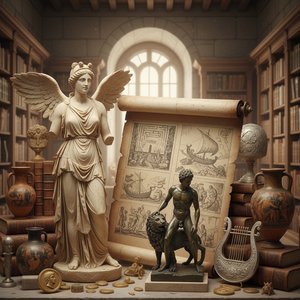
Timeless Legends: A Curated Guide to the Eternal Allure of Mythological Masterpieces
Embark on a sophisticated journey through the eternal allure of mythological art. Discover how master painters breathe life into ancient legends, from Greek deities to Baroque masterpieces, and learn to curate these timeless narratives within your own exquisite art collection.

Barocke Meisterwerke: Die 10 Gemälde, die eine Epoche prägten | TopImpressionists
Entdecken Sie die 10 prägendsten Meisterwerke des Barock! Von Caravaggio bis Rembrandt – erleben Sie die Dramatik, Pracht & Emotionen dieser Epoche. Hochwertige Reproduktionen auf TopImpressionists.com.

Jacob Jordaens: Barocke Dynamik und Genre-Innovation der Antwerpener Schule
Entdecken Sie das faszinierende Werk von Jacob Jordaens, einem Meister der Barockmalerei! Erfahren Sie mehr über seine Genre-Szenen, religiösen Gemälde und seinen Einfluss auf die Antwerpener Schule. Jetzt lesen!
Entdecken Sie Kunstwerke, die nach Themen, Stilen und Merkmalen sortiert sind.


