Vorschau anzeigen
 Versenden
 Teilen
 Details anzeigen
 Leitfaden

 Herunterladen
 Ähnliche Objekte
 Röntgenaufnahme
 Diashow
 Q&A
Q&A Statistiken
Robert Barr


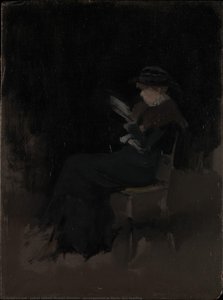
Ein beeindruckendes Porträt von Robert Barr gemalt von James Abbott McNeill Whistler im Jahr 1894. Ein Meisterwerk des Aesthetizismus mit Rednaseffekt und ernster Blick. Jetzt als hochwertige Handreproduktion.
 Weiterlesen
Erkunden Sie James Abbott McNeill Whistler (1834-1903): Amerikanischen Künstler der Tonalismus & Ästhetizismus. Entdecken Sie 'Whistlers Mutter', Nachträge, Porträts und seine 'Kunst für Kunst's Sake'-Philosophie.
Handgefertigte Ölreproduktion
Handgemaltes Ölgemälde auf Leinwand in Ihrer Wunschgröße und mit Rahmen, auf Bestellung von unseren Künstlern angefertigt. ( Zum Druck wechseln Zum digitalen Bild wechseln)




P118B €10

P118H €10

P118W €10

P438Z €10

P508JH €12

P508YH €12

P805H €10

P805Z €10

P919BZ €10

P919G €10

P919XJ €10

P959ZH €10

P968JZ €12

W106C €8

W218G €10

W218JH €8

W218Y €10

W307PJ €10

W316G €10

W316PJ €8

W316Y €10

W398PJ €8

W4111J €10

W500HY €15

W500JH €15

W692G €12

W849H €8

W940BG €15

W953PJ €8




Standardformat
individuell anpassbar
CM
INCH
Wählen Sie aus unseren vordefinierten Formaten, die den ursprünglichen Proportionen des Kunstwerks entsprechen.
Loading sizes...

Breite
Höhe
Geben Sie die Breite und die Höhe an, die Sie für Ihren Rahmen oder Ihre Wand benötigen. Da dieses Werk handgemalt ist, kann der Künstler bei einer anderen Form etwas mehr um das Bild herum malen oder etwas abschneiden – Sie entscheiden. Wir senden Ihnen ein digitales Mockup zur Freigabe, bevor mit dem Malen begonnen wird. Das auf dieser Seite gezeigte Bild stellt nicht das tatsächliche Ergebnis dar – dies tut nur das Mockup.
Beispiele für Anpassungsmöglichkeiten: Gesicht durch Kundenfoto ersetzen; Haustier hinzufügen (z. B. Katze durch Hund ersetzen); eine versteckte Nachricht im Hintergrund einfügen; Hintergrundlandschaft oder -elemente ändern.
Nach der Bestellung wird das TopImpressionists.com-Team dem Kunden Anweisungen per E-Mail zusenden und eine Mockup-Vorschau bereitstellen.
Nach der Bestellung wird das TopImpressionists.com-Team dem Kunden Anweisungen per E-Mail zusenden und eine Mockup-Vorschau bereitstellen.
Weltweiter Versand () in nur 3 bis 4 Wochen statt der üblichen 5 Wochen. (29 Oktober). Keine Kompromisse bei der Qualität.

Kostenloser weltweiter Expressversand

Hochwertige Leinenleinwand

Umfassender Versicherungsschutz beim Versand

Zollgebühren-Rückerstattungsgarantie

Garantie für exakte Farbtreue

100 Tage Rückgaberecht (nur bei Mängeln)

100% Geld-zurück-Garantie

Mengenrabatt verfügbar
 Die Glasoption ist nur für Größen unter 110 cm verfügbar.

Robert Barr
Art der Reproduktion
Format der Reproduktion
-


Endpreis
€ 237
Ein Porträt der Kontemplation: Robert Barr von James Abbott McNeill Whistler
James Abbott McNeill Whistler’s “Robert Barr,” painted in 1894, is more than simply a portrait; it's a carefully constructed meditation on masculinity, observation, and the burgeoning aesthetic movement that defined Whistler’s career. The painting immediately draws the eye to its subject – a man of quiet dignity, rendered with an almost unsettling stillness. His gaze, directed squarely at the viewer, isn’t one of overt greeting or invitation, but rather a profound contemplation, as if absorbing the very essence of the scene before him. The muted palette—primarily deep reds and browns punctuated by the stark white of his shirt—creates a sense of subdued intensity, mirroring the man's internal state.
- Die Komposition: Whistler’s signature compositional approach is evident here. The figure dominates the frame, yet he isn’t aggressively placed; instead, he occupies a space that feels both intimate and expansive. The red wall behind him acts as a grounding element, providing a visual anchor while simultaneously contributing to the painting's overall mood of restrained drama.
- Der Hut und die Kleidung: The man’s hat, positioned deliberately towards the top left corner, subtly directs the eye upwards, suggesting an aspiration or perhaps a connection to higher ideals. His suit and tie, indicative of his social standing, are rendered with meticulous detail – Whistler was a master of capturing texture and light—but they aren't flamboyant; rather, they serve to emphasize the man’s seriousness and composure.
Aestheticism und die Suche nach “Gemälde für Gemälde”
“Robert Barr” is deeply rooted in Whistler’s aesthetic philosophy – a radical departure from the prevailing Victorian obsession with narrative painting. He rejected the idea that art should serve a moral or didactic purpose, arguing instead for "art for art's sake." This meant prioritizing formal elements—color, line, composition—over subject matter and storytelling. Whistler sought to capture not just what he *saw*, but how he *felt* about what he saw, translating these sensations into purely visual terms. The painting embodies this principle perfectly; it’s a study in mood and atmosphere rather than a literal depiction of the sitter.
The year 1894 was pivotal for Whistler. He had already established himself as a leading figure in the aesthetic movement, challenging academic conventions with works like “Arrangement in Grey and Black.” “Robert Barr” reflects this continued experimentation, demonstrating his growing mastery of tonal harmony and his willingness to explore unconventional approaches to portraiture.
Farben und Technik – Ein Meisterwerk der Tonale Harmonie
Whistler’s technique is characterized by a remarkable control over color and tone. He employed a method known as “tonal painting,” where he built up layers of diluted paint—often using turpentine to create thin, transparent washes—to achieve subtle gradations of light and shadow. This approach resulted in a velvety surface quality that seems to shimmer with an inner luminescence. The deep reds are not applied in bold blocks but rather blended into delicate hues, creating a sense of depth and atmosphere. The careful manipulation of light and dark is crucial to the painting’s emotional impact; it evokes a feeling of quiet introspection and perhaps even melancholy.
- Der Pinselstrich: Whistler's brushwork is remarkably subtle, almost invisible in places. He favored loose, expressive strokes that contribute to the painting’s overall sense of fluidity and movement.
- Die Transparenz: The use of transparent glazes allows light to penetrate through the layers of paint, creating a luminous effect that enhances the painting's depth and richness.
Symbolik und Interpretation – Ein Blick in die Seele
While seemingly straightforward, “Robert Barr” is rich in symbolic potential. The man’s serious expression invites speculation about his thoughts and feelings. The red wall could represent passion or perhaps even danger—a subtle suggestion of the complexities hidden beneath a composed exterior. Some art historians have interpreted the painting as an exploration of masculinity and the burden of societal expectations, while others see it as a meditation on the nature of observation itself. Ultimately, Whistler leaves the interpretation open to the viewer, encouraging us to engage with the painting on a deeply personal level.
A high-quality reproduction of “Robert Barr” offers a remarkable opportunity to experience the beauty and sophistication of Whistler’s aesthetic vision. TopImpressionists.com provides meticulously crafted reproductions that faithfully capture the nuances of color, texture, and light, allowing you to bring this captivating portrait into your home or office – a timeless testament to the power of art for art's sake.
Fragen & Antworten
Wo kann man "Robert Barr" von James Abbott McNeill Whistler heute besichtigen?
"Robert Barr" von James Abbott McNeill Whistler wird im Detroit Institute of Arts, Detroit, Vereinigte Staaten von Amerika ausgestellt. Die Museumsangabe bezieht sich auf das Originalwerk, nicht auf Reproduktionen.
Wie verbinden sich Medium und Bewegung in "Robert Barr"?
"Robert Barr" von James Abbott McNeill Whistler verbindet die Technik der Acryl auf Leinwand mit dem Stil der Aestheticism and Symbolism. Technik und Epoche beschreiben die Herstellung sowie die künstlerische Ausrichtung des Werkes.
Wo kann ich einen Druck von "Robert Barr" von James Abbott McNeill Whistler kaufen?
"Robert Barr" ist als ein Fine Art Print auf Baumwollkanvas oder Archiv-Leinwandpapier erhältlich. Bestellungen können in der gewünschten Größe auf der Kunstdruck in Premiumqualität-Seite aufgegeben werden.
Ähnliche Kunstwerke


Künstlerbiografie
James Abbott McNeill Whistler: Ein Leben in der Kunst
Frühes Leben und Einflüsse
- Geboren am 14. Juli 1834 in Lowell, Massachusetts, wurde James Abbotts McNeills frühes Leben von seiner Vaters Karriere als Eisenbahningenieur geprägt.
- Wiederholte Umzüge verliehen ihm Anpassungsfähigkeit und Einblicke in vielfältige Umgebungen.
- Er besuchte kurzzeitig die United States Military Academy in West Point, fand es aber nicht zu seinen künstlerischen Neigungen geeignet.
- Eine anschließende Tätigkeit für die U.S. Coast and Geodetic Survey verzögerte, aber auch nicht, seine Suche nach der Kunst.
- Seine prägenden Jahre waren von einem frühen Interesse am Zeichnen und dem Wunsch geprägt, ein professioneller Künstler zu werden.
Künstlerische Entwicklung & Pariser Anfänge
- Whistler zog 1855 nach Paris, ein Wendepunkt in seiner künstlerischen Reise.
- Er studierte unter der Anleitung von Sébastien Bouré und verfeinerte seine Fähigkeiten in Ölmalerei, Aquarell und Grafik.
- Frühe Werke spiegelten Einflüsse von französischen Realisten und Barbizon-Schule Malern wider.
- Whistler entwickelte schnell einen unverwechselbaren Stil, der durch tonale Harmonie und atmosphärische Effekte gekennzeichnet war.
Wichtige Themen & Künstlerischer Stil
- Whistler setzte sich für das Konzept „Kunst um ihrer selbst willen“ ein und lehnte didaktische oder moralisierende Erzählungen zugunsten ästhetischer Überlegungen ab.
- Seine Werke konzentrierten sich oft auf die Erfassung subtiler Nuancen von Licht, Farbe und Atmosphäre.
- Er setzte häufig begrenzte Farbpaletten und zarte Pinselstriche ein, um suggestive Stimmungen zu erzeugen.
- Nocturnes, atmosphärische Gemälde von Dämmerungslandschaften, wurden zu einem Markenzeichen seines Œuvres.
- Porträts waren ebenfalls zentral für seine Praxis und betonten oft formale Anordnungen und tonale Beziehungen gegenüber strikter Ähnlichkeit.
Bekannte Werke & Wichtige Errungenschaften
- The Forge (1861): Eine fesselnde Darstellung einer Schmiede, die Whistlers Meisterschaft im Licht und Schatten demonstriert.
- Portrait of Charles Lang Freer (1873): Zeigt seine Fähigkeit, die Essenz seiner Sujets durch subtile tonale Variationen einzufangen.
- Brown and Gold: The Gold Girl—Connie Gilchrist (1876-77): Ein typisches Beispiel für Tonalismus, das innovative Farb- und Kompositionsnutzung aufweist.
- Arrangement in Grey and Black No. 1 (Whistler’s Mother) (1871): Vielleicht sein berühmtestes Werk, ein ikonisches Bild der viktorianischen Mutterschaft und ein Beweis für seinen formalistischen Ansatz.
- Nocturne in Black and Gold – The Falling Rocket (1875): Ein umstrittenes Gemälde, das zu einer Verleumdungsklage gegen den Kunstkritiker John Ruskin führte und Whistlers Verteidigung der künstlerischen Autonomie hervorbrachte.
Einflüsse & Vermächtnis
- Whistler wurde von japanischen Holzschnitten (ukiyo-e) beeinflusst, die seine kompositorischen Prinzipien und seinen Schwerpunkt auf dekorative Muster informierten.
- Er bewunderte auch das Werk spanischer Maler wie Velázquez, insbesondere ihre Meisterschaft im Tonwert.
- Seine Forderung nach „Kunst um ihrer selbst willen“ hatte einen tiefgreifenden Einfluss auf die Ästhetikbewegung in England und Amerika.
- Whistlers Einfluss erstreckte sich auf nachfolgende Generationen von Künstlern, die formalistische Ansätze annahmen und das expressive Potenzial von Farbe und Komposition erforschten.
- Er hinterließ einen unauslöschlichen Eindruck in der amerikanischen Kunstgeschichte und stellte konventionelle Vorstellungen über künstlerischen Zweck in Frage und ebnete den Weg für den Modernismus.
Historische Bedeutung
- Whistlers Karrierezeitraum fiel mit einer bedeutenden sozialen und kulturellen Veränderung sowohl in Europa als auch in Amerika zusammen.
- Seine Werke stellten viktorianische Konventionen in Frage und trugen zu einem breiteren Wandel hin zur Ästhetik und Individualität bei.
- Die Verleumdungsklage gegen Ruskin erhöhte Whistlers Profil und löste wichtige Debatten über die Natur der Kunstkritik und künstlerischer Freiheit aus.
- Er bleibt eine zentrale Figur in der Geschichte der amerikanischen Kunst, gefeiert für seinen innovativen Stil, seine intellektuelle Strenge und sein unerschütterliches Engagement für künstlerische Prinzipien.

James Abbott McNeill Whistler
1834 - 1903 , Vereinigte Staaten von Amerika
Kurzinfos
- Beeinflusste Künstler: ['Sébastien Bouré']
- Bemerkenswerte Werke:
- Die Schmiede
- Whistlers Mutter
- Nacht in Schwarz und Gold
- Anordnung in Gelb und Grau
- Geburtsdatum: 14. Juli 1834
- Geburtsort: Lowell, Vereinigte Staaten
- Künstlerische Richtung: Tonalismus, Ästhetizismus
- Nationalität: Amerikanisch
- Todatum: 1903
- Vollständiger Name: James Abbott McNeill Whistler
- Von Ihm Beeinflusste Künstler: ['Ästhetische Bewegung']
Ähnliche Artikel

James Abbott McNeill Whistler: Die 25 Meisterwerke für Ihr Zuhause | TopImpressionists
Entdecken Sie die 25 Meisterwerke von James Abbott McNeill Whistler! Von den berühmten Nocturnes bis zu ikonischen Porträts – erleben Sie Ästhetizismus, Impressionismus & Tonalismus. Hochwertige Reproduktionen auf TopImpressionists.com.

Frederick Morgan: A Study in Aestheticism & Victorian Beauty
Explore the captivating world of Frederick Morgan, a key figure in Victorian Aestheticism. Discover his beautiful paintings, recurring themes, and lasting legacy with our expert analysis. Learn more today!

Frederic Leighton: Ästhetizismus, viktorianische Meisterschaft und die Kunst eines Lebensstils
Entdecken Sie das faszinierende Leben und Werk von Frederic Leighton, einem Meister des Ästhetizismus! Erfahren Sie mehr über seine Kunst, den viktorianischen Kontext und sein bleibendes Vermächtnis. Expertenwissen auf TopImpressionists.

Sir Edward Poynter: Ästhetizismus, Archäologie und die viktorianische Identität
Entdecken Sie das faszinierende Werk von Sir Edward Poynter! Erfahren Sie mehr über den Ästhetizismus, seine archäologischen Einflüsse und seinen Beitrag zur viktorianischen Kunst. Expertenanalyse & Hintergrundinformationen.

Walter Greaves: A Study in Victorian Realism & the Social Landscape of British Art
Explore the life & work of Walter Greaves, a key Victorian realist painter influenced by Whistler. Discover his London streetscapes, portraits, and enduring legacy. Learn about art appraisal & reproduction options at TopImpressionists.
Entdecken Sie Kunstwerke, die nach Themen, Stilen und Merkmalen sortiert sind.