In echtem Maßstab anzeigen
 Versenden als Grußkarte
 Teilen
 Details anzeigen
 Leitfaden

 Herunterladen
 Ähnliche Objekte
 Röntgenaufnahme
 Diashow
 Besucherstatistiken
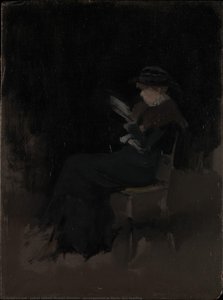
Wapping

James Abbott McNeill Whistler's 'Wapping' ist ein Meisterwerk des Tonalismus und zeigt eine atmosphärische Darstellung eines Dockhafens im Londoner Bezirk Wapping. Entdecken Sie die Kunst des amerikanischen Impressionisten!
 Mehr anzeigen
Erkunden Sie James Abbott McNeill Whistler (1834-1903): Amerikanischen Künstler der Tonalismus & Ästhetizismus. Entdecken Sie 'Whistlers Mutter', Nachträge, Porträts und seine 'Kunst für Kunst's Sake'-Philosophie.
Giclée / Kunstdruck
Giclée- oder Leinwanddruck in Museumsqualität mit schneller Produktion und flexiblen Veredelungsoptionen. ( Handgemalte Reproduktion kaufen Zum digitalen Bild wechseln)




P118B $10

P118H $10

P118W $10

P438Z $10

P508JH $12

P508YH $12

P805H $10

P805Z $10

P919BZ $10

P919G $10

P919XJ $10

P959ZH $10

P968JZ $12

W106C $8

W218G $10

W218JH $8

W218Y $10

W307PJ $10

W316G $10

W316PJ $8

W316Y $10

W398PJ $8

W4111J $10

W500HY $15

W500JH $15

W692G $12

W849H $8

W940BG $15

W953PJ $8




Standardformat
individuell anpassbar
CM
INCH
Wählen Sie aus unseren vordefinierten Formaten, die den ursprünglichen Proportionen des Kunstwerks entsprechen.
Loading sizes...

Breite
Höhe
Sie können Ihre eigenen Maße eingeben, um ein bestimmtes Format oder einen speziellen Platz einzupassen. Wenn das von Ihnen gewählte Format nicht den Proportionen des Originalbildes entspricht, werden wir das Kunstwerk entweder beschneiden oder das Bild mit einem gespiegelten oder einfarbigen Rand erweitern. Ein digitaler Entwurf wird Ihnen zur Genehmigung zugesandt, bevor die Produktion beginnt.
Bitte beachten Sie, dass die Vorschau auf dem Bildschirm nicht den tatsächlichen Zuschnitt oder die Erweiterung widerspiegelt. Nur der Entwurf zeigt die endgültige Komposition präzise an.
Obwohl Sondermaße verfügbar sind, empfehlen wir die Auswahl eines Maßes aus der vordefinierten Liste, um die ursprünglichen Proportionen zu bewahren.
Weltweiter Versand () innerhalb von 2 Wochen statt der üblichen 4/5 Wochen. (24 September)

Kostenloser weltweiter Expressversand

Hochwertige Leinenleinwand

Vollständiger Versicherungsschutz beim Versand

Zollgebühren-Rückerstattungsgarantie

Garantie für exakte Farbtreue

100-tägiges Rückgaberecht (nur bei Mängeln)

100% Geld-zurück-Garantie

Angebot für Mengenrabatt
 Die Glasoption ist nur für Größen unter 110 cm verfügbar.

Wapping
Giclée / Kunstdruck
Format der Reproduktion
-


Gesamtpreis
$ 69
Introduction to Tonalism and James Abbott McNeill Whistler
Tonalism was an American art movement that emerged in the 1880s and lasted until the early 20th century. It is characterized by its emphasis on mood, atmosphere, and tonal values over detail and color (Tonalism Art Movement). One of the most prominent artists associated with this movement was James Abbott McNeill Whistler, an American-born, British-based artist. Whistler’s vision sought to capture not merely what the eye sees but what it *feels*, prioritizing subtle gradations of color and shading to convey emotion and ambiance—a radical departure from the prevailing Impressionist preoccupation with capturing fleeting visual impressions.James Abbott McNeill Whistler's 'Wapping, Detail'
Wapping, Detail is a remarkable exemplar of Tonalism, embodying the movement’s signature soft, muted palette and restrained brushwork. Executed in 1865, this painting depicts a tranquil scene from Wapping—a riverside district of East London renowned for its industrial docks—offering viewers an intimate glimpse into Victorian life. Whistler deliberately eschewed vibrant hues, opting instead for harmonious shades of grey, brown, and ochre to evoke the quiet dignity of the Thames’s banks and the contemplative gaze of the figures within.The Influence of Tonalism and James Abbott McNeill Whistler's Artistic Style
Tonalism profoundly impacted the artistic landscape of its time, particularly in America. Artists like Whistler championed a stylistic approach that prioritized tonal harmony—the blending of colors to create an overall impression—over meticulous depiction of form and color accuracy. This deliberate simplification served as a reaction against the increasingly complex visual realities presented by Impressionism, aligning with Whistler’s broader aesthetic philosophy rooted in Japonisme—the fascination with Japanese art and culture—which championed flatness and understated elegance. Whistler's technique involved applying paint thinly over multiple layers, gradually building up tonal depth and creating an illusion of atmospheric perspective.The Significance of 'Wapping, Detail' in the Context of James Abbott McNeill Whistler's Career
Wapping, Detail stands as a cornerstone of Whistler’s artistic legacy—demonstrating his mastery of Tonalism and cementing his reputation as a pioneer of Aestheticism. The painting's composition—featuring three figures on a balcony overlooking the Thames—captures not only a specific location but also a mood of quiet contemplation and understated beauty. Whistler skillfully utilized tonal values to convey the stillness of the scene, emphasizing the interplay between light and shadow and inviting viewers to immerse themselves in the atmosphere of Victorian London.Where to Find Hand-Made Oil Paintings Reproductions of James Abbott McNeill Whistler's 'Wapping, Detail'
If you aspire to possess a breathtaking hand-painted reproduction of James Abbott McNeill Whistler’s Wapping, Detail, look no further than TopImpressionists.com. Our dedicated team of accomplished artists meticulously crafts high-quality reproductions that faithfully capture the essence and sublime artistry of the original masterpiece (Painting by 'James Abbott Mcneill Whistler' | James Abbott Mcneill Whistler:Wapping, detail). Each reproduction is executed with painstaking attention to detail, utilizing archival pigments and traditional oil painting techniques to ensure enduring vibrancy and authenticity. James Abbott McNeill Whistler:Wapping, DetailÄhnliche Kunstwerke


Biografie des Künstlers
James Abbott McNeill Whistler: Ein Leben in der Kunst
Frühes Leben und Einflüsse
- Geboren am 14. Juli 1834 in Lowell, Massachusetts, wurde James Abbotts McNeills frühes Leben von seiner Vaters Karriere als Eisenbahningenieur geprägt.
- Wiederholte Umzüge verliehen ihm Anpassungsfähigkeit und Einblicke in vielfältige Umgebungen.
- Er besuchte kurzzeitig die United States Military Academy in West Point, fand es aber nicht zu seinen künstlerischen Neigungen geeignet.
- Eine anschließende Tätigkeit für die U.S. Coast and Geodetic Survey verzögerte, aber auch nicht, seine Suche nach der Kunst.
- Seine prägenden Jahre waren von einem frühen Interesse am Zeichnen und dem Wunsch geprägt, ein professioneller Künstler zu werden.
Künstlerische Entwicklung & Pariser Anfänge
- Whistler zog 1855 nach Paris, ein Wendepunkt in seiner künstlerischen Reise.
- Er studierte unter der Anleitung von Sébastien Bouré und verfeinerte seine Fähigkeiten in Ölmalerei, Aquarell und Grafik.
- Frühe Werke spiegelten Einflüsse von französischen Realisten und Barbizon-Schule Malern wider.
- Whistler entwickelte schnell einen unverwechselbaren Stil, der durch tonale Harmonie und atmosphärische Effekte gekennzeichnet war.
Wichtige Themen & Künstlerischer Stil
- Whistler setzte sich für das Konzept „Kunst um ihrer selbst willen“ ein und lehnte didaktische oder moralisierende Erzählungen zugunsten ästhetischer Überlegungen ab.
- Seine Werke konzentrierten sich oft auf die Erfassung subtiler Nuancen von Licht, Farbe und Atmosphäre.
- Er setzte häufig begrenzte Farbpaletten und zarte Pinselstriche ein, um suggestive Stimmungen zu erzeugen.
- Nocturnes, atmosphärische Gemälde von Dämmerungslandschaften, wurden zu einem Markenzeichen seines Œuvres.
- Porträts waren ebenfalls zentral für seine Praxis und betonten oft formale Anordnungen und tonale Beziehungen gegenüber strikter Ähnlichkeit.
Bekannte Werke & Wichtige Errungenschaften
- The Forge (1861): Eine fesselnde Darstellung einer Schmiede, die Whistlers Meisterschaft im Licht und Schatten demonstriert.
- Portrait of Charles Lang Freer (1873): Zeigt seine Fähigkeit, die Essenz seiner Sujets durch subtile tonale Variationen einzufangen.
- Brown and Gold: The Gold Girl—Connie Gilchrist (1876-77): Ein typisches Beispiel für Tonalismus, das innovative Farb- und Kompositionsnutzung aufweist.
- Arrangement in Grey and Black No. 1 (Whistler’s Mother) (1871): Vielleicht sein berühmtestes Werk, ein ikonisches Bild der viktorianischen Mutterschaft und ein Beweis für seinen formalistischen Ansatz.
- Nocturne in Black and Gold – The Falling Rocket (1875): Ein umstrittenes Gemälde, das zu einer Verleumdungsklage gegen den Kunstkritiker John Ruskin führte und Whistlers Verteidigung der künstlerischen Autonomie hervorbrachte.
Einflüsse & Vermächtnis
- Whistler wurde von japanischen Holzschnitten (ukiyo-e) beeinflusst, die seine kompositorischen Prinzipien und seinen Schwerpunkt auf dekorative Muster informierten.
- Er bewunderte auch das Werk spanischer Maler wie Velázquez, insbesondere ihre Meisterschaft im Tonwert.
- Seine Forderung nach „Kunst um ihrer selbst willen“ hatte einen tiefgreifenden Einfluss auf die Ästhetikbewegung in England und Amerika.
- Whistlers Einfluss erstreckte sich auf nachfolgende Generationen von Künstlern, die formalistische Ansätze annahmen und das expressive Potenzial von Farbe und Komposition erforschten.
- Er hinterließ einen unauslöschlichen Eindruck in der amerikanischen Kunstgeschichte und stellte konventionelle Vorstellungen über künstlerischen Zweck in Frage und ebnete den Weg für den Modernismus.
Historische Bedeutung
- Whistlers Karrierezeitraum fiel mit einer bedeutenden sozialen und kulturellen Veränderung sowohl in Europa als auch in Amerika zusammen.
- Seine Werke stellten viktorianische Konventionen in Frage und trugen zu einem breiteren Wandel hin zur Ästhetik und Individualität bei.
- Die Verleumdungsklage gegen Ruskin erhöhte Whistlers Profil und löste wichtige Debatten über die Natur der Kunstkritik und künstlerischer Freiheit aus.
- Er bleibt eine zentrale Figur in der Geschichte der amerikanischen Kunst, gefeiert für seinen innovativen Stil, seine intellektuelle Strenge und sein unerschütterliches Engagement für künstlerische Prinzipien.

James Abbott McNeill Whistler
1834 - 1903 , Vereinigte Staaten von Amerika
Eckdaten zum Künstler
- Beeinflusste Künstler: ['Sébastien Bouré']
- Bemerkenswerte Werke:
- Die Schmiede
- Whistlers Mutter
- Nacht in Schwarz und Gold
- Anordnung in Gelb und Grau
- Geburtsdatum: 14. Juli 1834
- Geburtsort: Lowell, Vereinigte Staaten
- Künstlerische Richtung: Tonalismus, Ästhetizismus
- Nationalität: Amerikanisch
- Todatum: 1903
- Vollständiger Name: James Abbott McNeill Whistler
- Von Ihm Beeinflusste Künstler: ['Ästhetische Bewegung']
Verwandte Artikel

The Magic of Tonalism: Capturing Mood, Mist, and Atmospheric Emotion in Landscape Art
Discover the ethereal beauty of Tonalism. Explore how master artists use mist, soft light, and muted palettes to capture profound emotion and atmospheric mood in landscape painting. A deep dive into this quiet, introspective art movement for true connoisseurs.
Entdecken Sie Kunstwerke, die nach Themen, Stilen und Merkmalen sortiert sind.