Vorschau anzeigen
 Versenden
 Teilen
 Details anzeigen
 Leitfaden

 Herunterladen
 Ähnliche Objekte
 Röntgenaufnahme
 Diashow
 Fragen & Antworten
 Statistiken
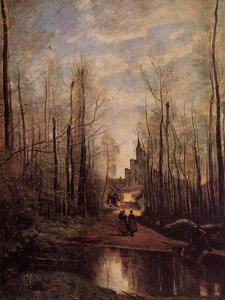
A Rising Path


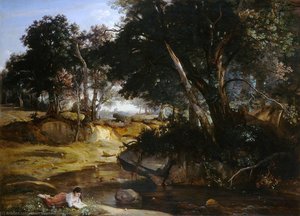
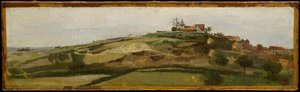
Discover "A Rising Path" by Jean-Baptiste Corot (1845). This Impressionistic landscape painting captures serene rural beauty with loose brushstrokes & atmospheric light. A timeless piece for art lovers.
 Weiterlesen
Entdecken Sie Jean-Baptiste-Camille Corot (1796-1875), französischen Landschaftsmeister! Seine Werke verbinden Neoklassik & Impressionismus. Erleben Sie ruhige Landschaften & inspirierende Porträts!
Giclée / Kunstdruck
Giclée- oder Leinwanddruck in Museumsqualität mit schneller Produktion und flexiblen Veredelungsoptionen. ( Handgemalte Reproduktion bestellen Zum digitalen Bild wechseln)




P118B €10

P118H €10

P118W €10

P438Z €10

P508JH €12

P508YH €12

P805H €10

P805Z €10

P919BZ €10

P919G €10

P919XJ €10

P959ZH €10

P968JZ €12

W106C €8

W218G €10

W218JH €8

W218Y €10

W307PJ €10

W316G €10

W316PJ €8

W316Y €10

W398PJ €8

W4111J €10

W500HY €15

W500JH €15

W692G €12

W849H €8

W940BG €15

W953PJ €8




Standardformat
individuell anpassbar
CM
INCH
Wählen Sie aus unseren vordefinierten Formaten, die den ursprünglichen Proportionen des Kunstwerks entsprechen.
Loading sizes...

Breite
Höhe
Geben Sie die benötigte Breite und Höhe an, damit der Druck perfekt in Ihren Rahmen oder an Ihre Wand passt. Ein Druck kann nur beschnitten, aber niemals größer als das Originalbild angefertigt werden; daher verliert ein Format mit anderen Proportionen einen Teil des Bildes. Wir senden Ihnen ein digitales Mockup zur Freigabe, bevor wir den Druck ausführen. Das auf dieser Seite gezeigte Bild zeigt nicht den tatsächlichen Beschnitt – dies ist nur im Mockup ersichtlich.
Weltweiter Versand () innerhalb von 2 Wochen statt der üblichen 4/5 Wochen. (4 November)

Kostenloser weltweiter Expressversand

Hochwertige Leinenleinwand

Umfassender Versicherungsschutz beim Versand

Zollgebühren-Rückerstattungsgarantie

Garantie für exakte Farbtreue

100 Tage Rückgaberecht (nur bei Mängeln)

100% Geld-zurück-Garantie

Mengenrabatt verfügbar
 Die Glasoption ist nur für Größen unter 110 cm verfügbar.

A Rising Path
Giclée / Kunstdruck
Format der Reproduktion
-


Endpreis
€ 62
A Symphony of Light and Rural Grace: "A Rising Path" by Jean-Baptiste-Camille Corot
Jean-Baptiste-Camille Corot’s “A Rising Path” is more than just a depiction of a rural landscape; it's an immersion into the very soul of 19th-century French painting. Completed in 1845, this work embodies Corot’s profound dedication to capturing fleeting moments of natural beauty – a philosophy that would profoundly influence generations of artists to come. The scene unfolds with a quiet dignity: rolling hills draped in verdant hues, punctuated by the warm ochre of a sandy path leading the eye into the distance, and a sky painted with the softest blues and whites. It’s a landscape imbued with a sense of tranquility, inviting contemplation and a deep connection to the natural world.
Impressionistic Technique: Layering Light and Texture
Corot's mastery lies in his masterful application of technique. The painting is built upon layers of oil paint, meticulously applied with short, broken brushstrokes – a hallmark of the Impressionist movement, though predating its formal emergence. These strokes aren’t blended to create smooth transitions; instead, they retain their individual character, resulting in a rich, textured surface that seems to vibrate with light. Notice how the artist has used thick impasto in areas like the sandy path and the darker foreground, creating a tactile quality that draws you into the scene. The loose brushwork isn’t haphazard; it's deliberately employed to capture the ephemeral qualities of light – the way it dances across the hillsides, the subtle shifts in color as shadows lengthen, and the hazy atmosphere characteristic of rural landscapes. This technique wasn’t simply about representation; it was about conveying an *experience* of being present within that landscape.
Historical Context: Corot and the Rise of Plein Air Painting
“A Rising Path” emerged during a pivotal moment in art history. Prior to the mid-19th century, most landscape painters worked from studio studies, meticulously copying classical models or relying on sketches made *en plein air* (outdoors). Corot, however, championed the idea of directly observing and painting nature – a revolutionary concept at the time. He was part of a movement that sought to break away from academic conventions and embrace a more subjective approach to art. His work, alongside those of artists like Théodore Rousseau and François Millet, helped establish the foundation for Impressionism, paving the way for artists like Monet and Renoir to explore light and color in unprecedented ways. The painting’s date – 1845 – places it squarely within this period of artistic experimentation and a growing appreciation for the beauty of the natural world.
Symbolic Resonance: The Path as a Journey
Beyond its technical brilliance, “A Rising Path” possesses a subtle symbolic depth. The prominent sandy path isn’t merely a compositional element; it represents a journey – both literal and metaphorical. It invites the viewer to contemplate their own place within the landscape, suggesting themes of exploration, discovery, and perhaps even spiritual seeking. The gentle slope of the path leads the eye upwards, symbolizing aspiration and progress. The overall composition evokes a sense of peace and serenity, reinforcing the timeless appeal of Corot’s landscapes – scenes that resonate with our innate desire for connection to nature and a quiet escape from the complexities of modern life.
A Timeless Masterpiece: Reproduction Possibilities
Reproductions of “A Rising Path” offer an exceptional opportunity to bring this iconic work into your home or office. High-quality hand-painted reproductions meticulously recreate Corot’s technique and color palette, ensuring that you experience the full emotional impact of the original. These reproductions are not simply prints; they are works of art in their own right, capturing the essence of Corot's vision and offering a lasting tribute to one of France’s greatest landscape painters.
Fragen & Antworten
Wie hoch ist die Leuchtkraft von "A Rising Path" von Jean-Baptiste-Camille Corot?
Die für "A Rising Path" von Jean-Baptiste-Camille Corot aufgezeichnete Luminanz beträgt Gentle Luminance.
In welcher Ausrichtung liegt "A Rising Path" von Jean-Baptiste-Camille Corot vor?
"A Rising Path" von Jean-Baptiste-Camille Corot ist eine Komposition im Panoramic-Format. Die Proportionen sollten vor der Wahl der Druckgröße überprüft werden.
Ist "A Rising Path" von Jean-Baptiste-Camille Corot gemeinfrei, und warum?
"A Rising Path" von Jean-Baptiste-Camille Corot ist gemeinfrei – das Urheberrecht ist abgelaufen. Die Urheberrechtsfristen werden ab dem Todesjahr des Künstlers berechnet, und Jean-Baptiste-Camille Corot verstarb im Jahr 1875.
Ähnliche Kunstwerke




Künstlerbiografie
Frühe Jahre und Ausbildung
Jean-Baptiste-Camille Corot, ein renommierter französischer Landschafts- und Porträtmaler, wurde am 16. Juli 1796 in Paris geboren. Seine Familie, die zum Bürgertum gehörte, bot ihm eine Umgebung, die seine künstlerischen Neigungen förderte. Anfänglich lagen Corots Interessen woanders, doch er entdeckte um 1821 seine Leidenschaft für das Malen. Dies markierte den Beginn seiner produktiven Karriere, die später die Entwicklung des Impressionismus beeinflussen sollte.Künstlerische Laufbahn und bedeutende Werke
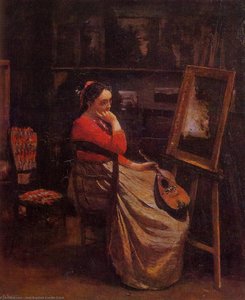
Corots künstlerischer Weg ist geprägt von einer Mischung aus neoklassischer Tradition und plein-air Innovationen. Er kombinierte sorgfältige Kompositionen mit der direkten Beobachtung der Natur im Freien, was zu einer einzigartigen Atmosphäre in seinen Werken führte. Zu seinen bemerkenswertesten Arbeiten zählen:- Die Ruhe (La Repose) (Öl auf Leinwand, ca. 1860er Jahre), ein fesselndes Werk, das Corots Meisterschaft in der Darstellung von Gelassenheit zeigt.
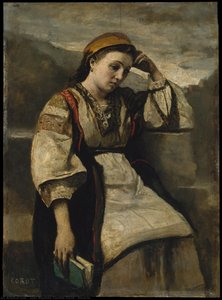
- Unterbrochenes Lesen (Lecture Interrompue) (Realismus, Öl, ca. 1850er Jahre), ein ergreifendes Beispiel für Corots Fähigkeit, den Alltag mit Tiefe und Emotion darzustellen.
- Agostina (Realismus, Öl, ca. 1860er Jahre), ein beeindruckendes Porträt, das Corots Geschicklichkeit in der Darstellung des Wesens seiner Motive veranschaulicht.
Einflüsse und Entwicklung
Corots künstlerische Entwicklung wurde von verschiedenen Einflüssen geprägt. Er studierte zunächst bei den neoklassizistischen Malern Jacques-Louis David und Jean-Antoine Houdon, was seine frühen Werke beeinflusste. Später fand er Inspiration in der Landschaftsmalerei des 17. Jahrhunderts, insbesondere bei Meistern wie Claude Lorrain und Nicolas Poussin. Corot entwickelte jedoch seinen eigenen Stil, indem er die klassische Komposition mit den direkten Beobachtungen der Natur im Freien verband. Er gilt als Brücke zwischen dem Klassizismus und dem Impressionismus. Seine Plein-Air-Malerei war revolutionär für seine Zeit und ebnete den Weg für zukünftige Generationen von Künstlern, darunter die Impressionisten.Vermächtnis und Bedeutung
Corots umfangreicher Output hatte einen nachhaltigen Einfluss auf die Entwicklung der Landschaftsmalerei. Sein innovativer Ansatz, traditionelle Techniken mit plein-air Innovationen zu verbinden, ebnete den Weg für zukünftige Generationen von Künstlern. Obwohl er zu Lebzeiten nicht immer Anerkennung fand, wurde Corot nach seinem Tod als einer der wichtigsten französischen Maler des 19. Jahrhunderts anerkannt. Seine Werke werden heute in bedeutenden Museen auf der ganzen Welt ausgestellt und seine Bedeutung für die Kunstgeschichte ist unbestreitbar. Entdecken Sie mehr über Jean-Baptiste-Camille Corots Gemälde auf TopImpressionists.com: https://TopImpressionists.com/@/jean-baptiste-camille-corot Erfahren Sie mehr über das Musée Courbet auf Wikipedia: https://en.wikipedia.org/wiki/mus%c3%a9e_courbet_(ornans,_france)
Jean-Baptiste-Camille Corot
1796 - 1875 , Frankreich
Kurzinfos
- Beeinflusste Künstler: ['Gustave Courbet']
- Bemerkenswerte Werke:
- Die Ruhe
- Unterbrochenes Lesen
- Agostina
- Geburtsdatum: 16. Juli 1796
- Geburtsort: Paris, Frankreich
- Künstlerische Richtung: Neoklassizismus, Pleinair
- Nationalität: Französisch
- Sterbedatum: 1875
- Vollständiger Name: Jean-Baptiste-Camille Corot
- Von Künstlern Beeinflusst: ['Keine Angaben']
Ähnliche Artikel

Öl auf Holz: Die tiefe Verbindung von Licht, Textur und Beständigkeit
Erfahren Sie alles über die Tiefe von Öl auf Holz und Techniken wie Impasto. Entdecken Sie wahre Meisterschaft!
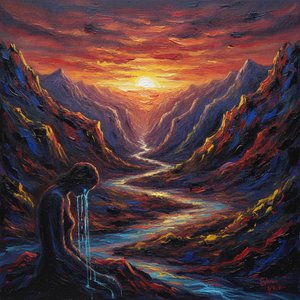
Capturing Emotion: A Journey Through the Soul of Expressionist Landscapes
Explore the profound emotional depth of Expressionist landscapes. Discover how Post-Impressionist masters moved beyond light to capture the soul through vibrant color and form. A curated journey for true art lovers seeking the beauty of expressive mastery.

Beyond the Light: Capturing Raw Emotion and Subjective Vision in Post-Impressionist Landscapes
Explore the profound emotional depth of Post-Impressionist landscapes. Discover how masters like Van Gogh moved beyond light to capture raw human feeling through vibrant color and expressive texture in this expert art history retrospective.
Entdecken Sie Kunstwerke, die nach Themen, Stilen und Merkmalen sortiert sind.