


 In echtem Maßstab anzeigen
 Versenden als Grußkarte
 Teilen
 Details anzeigen
 Leitfaden öffnen

 Herunterladen
 Ähnliche Objekte
 Röntgenaufnahme
 Diashow
 Besucherstatistiken
Odalisque


Experience Jean-Joseph Benjamin-Constant’s ‘Odalisque,’ a captivating 1880 Orientalist painting featuring a reclining woman in opulent blue and red. This Romantic masterpiece, inspired by Morocco, offers an exquisite glimpse into a world of sensual beauty – discover or own this timeless artwork.
 Mehr anzeigen
Entdecken Sie Jean-Joseph Benjamin-Constant (1845–1902)! Orientalistische Gemälde, Porträts & Wandmalereien verbinden akademische Kunst mit romantischer Faszination.
Handgefertigte Ölreproduktion
Handgemaltes Ölgemälde auf Leinwand in Ihrer Wunschgröße und mit Rahmen, auf Bestellung von unseren Künstlern angefertigt. ( Zum Druck wechseln Zum digitalen Bild wechseln)




P118B €10

P118H €10

P118W €10

P438Z €10

P508JH €12

P508YH €12

P805H €10

P805Z €10

P919BZ €10

P919G €10

P919XJ €10

P959ZH €10

P968JZ €12

W106C €8

W218G €10

W218JH €8

W218Y €10

W307PJ €10

W316G €10

W316PJ €8

W316Y €10

W398PJ €8

W4111J €10

W500HY €15

W500JH €15

W692G €12

W849H €8

W940BG €15

W953PJ €8




Standardformat
individuell anpassbar
CM
INCH
Wählen Sie aus unseren vordefinierten Formaten, die den ursprünglichen Proportionen des Kunstwerks entsprechen.
Loading sizes...

Breite
Höhe
Geben Sie die Breite und die Höhe an, die Sie für Ihren Rahmen oder Ihre Wand benötigen. Da dieses Werk handgemalt ist, kann der Künstler bei einer anderen Form etwas mehr um das Bild herum malen oder etwas abschneiden – Sie entscheiden. Wir senden Ihnen ein digitales Mockup zur Freigabe, bevor mit dem Malen begonnen wird. Das auf dieser Seite gezeigte Bild stellt nicht das tatsächliche Ergebnis dar – dies tut nur das Mockup.
Beispiele für Anpassungsmöglichkeiten: Gesicht durch Kundenfoto ersetzen; Haustier hinzufügen (z. B. Katze durch Hund ersetzen); eine versteckte Nachricht im Hintergrund einfügen; Hintergrundlandschaft oder -elemente ändern.
Nach der Bestellung wird das TopImpressionists.com-Team dem Kunden Anweisungen per E-Mail zusenden und eine Mockup-Vorschau bereitstellen.
Nach der Bestellung wird das TopImpressionists.com-Team dem Kunden Anweisungen per E-Mail zusenden und eine Mockup-Vorschau bereitstellen.
Weltweiter Versand () in nur 3 bis 4 Wochen statt der üblichen 5 Wochen. (21 Oktober). Keine Kompromisse bei der Qualität.

Kostenloser weltweiter Expressversand

Hochwertige Leinenleinwand

Vollständiger Versicherungsschutz beim Versand

Zollgebühren-Rückerstattungsgarantie

Garantie für exakte Farbtreue

100-tägiges Rückgaberecht (nur bei Mängeln)

100% Geld-zurück-Garantie

Angebot für Mengenrabatt
 Die Glasoption ist nur für Größen unter 110 cm verfügbar.

Odalisque
Reproduktionsmedium
Format der Reproduktion
-


Gesamtpreis
€ 235
A Vision of Exotic Grace: Jean-Joseph Benjamin Constant’s Odalisque
The painting “Odalisque” by Jean-Joseph Benjamin-Constant stands as a quintessential emblem of Orientalism—a movement that captivated European artists and intellectuals throughout the late 19th century. More than just a depiction of beauty, it embodies a complex interplay of artistic convention and Romantic fascination with the sensual allure of Ottoman culture. Created in 1880, this masterpiece resides within the Baltimore Museum of Art’s collection, offering visitors an opportunity to immerse themselves in Constant's masterful execution and profound artistic vision.- Artist’s Background: Jean-Joseph Benjamin-Constant (1845–1902) emerged from the École des Beaux-Arts in Toulouse, where he honed his skills under Alexandre Cabanel—a lineage steeped in classical tradition. However, Constant's artistic trajectory took an extraordinary turn during his voyage to Morocco in 1872, sparking a lifelong devotion to capturing the exotic splendor of the Orient.
- Style and Technique: Employing oil on canvas, Constant skillfully blended academic precision with Romantic sensibilities. His brushstrokes are deliberate yet fluid, conveying both textural detail and an ethereal quality that elevates the scene beyond mere representation. The artist’s meticulous attention to light and shadow creates a palpable atmosphere of intimacy and contemplation.
- Subject Matter: At its core, “Odalisque” portrays a woman reclining gracefully on a bed or couch—a motif prevalent in Orientalist art. This pose harkens back to depictions of Venus and Aphrodite in classical sculpture, symbolizing feminine beauty and idealized repose. The woman is adorned in a sumptuous blue dress accented by a vibrant red scarf, reflecting the opulent fabrics favored in Ottoman harems.
- Symbolism: Beyond its aesthetic appeal, “Odalisque” carries symbolic weight. The gold necklace encircling her neck represents wealth and status—a visual shorthand for the privileged lifestyle enjoyed by women within the harem. Furthermore, the subtle gaze of the woman suggests a quiet confidence and awareness, hinting at themes of desire and contemplation.
- Historical Context: Produced during a period of intense European interest in Ottoman culture, “Odalisque” reflects broader anxieties about sexuality and exoticism. It exemplifies the Romantic movement’s preoccupation with emotion and imagination—transforming historical observation into evocative artistic expression.
TopImpressionists.’s Reproduction Expertise
Recognizing the enduring allure of Constant's “Odalisque,” TopImpressionists.com specializes in crafting exceptional handmade oil paintings that faithfully reproduce this iconic artwork. Utilizing premium pigments and meticulous techniques—inherited from a tradition spanning centuries—our artisans meticulously recreate the painting’s luminous colors and intricate details, ensuring that collectors and enthusiasts alike experience its original splendor.Discover More About Jean-Joseph Benjamin Constant
To delve deeper into the life and artistic legacy of Jean-Joseph Benjamin-Constant, visit TopImpressionists.com. Explore his broader oeuvre—spanning portraits, landscapes, and genre scenes—to appreciate the breadth of his creative vision. Furthermore, explore the Baltimore Museum of Art’s collection on TopImpressionists.com to gain invaluable insight into “Odalisque” within its artistic context.A Timeless Masterpiece
“Odalisque” transcends mere visual representation; it embodies a profound exploration of beauty, desire, and the transformative power of art. Its captivating composition—combined with Constant’s masterful command of technique—continues to inspire admiration and provoke contemplation decades after its creation. Experience the artistry of Jean-Joseph Benjamin Constant through TopImpressionists.’s exquisite reproductions—a testament to enduring artistic excellence.Fragen & Antworten
Ist "Odalisque" im Heimatland seines Künstlers verblieben?
Nein – das Kunstwerk wird im Ausland aufbewahrt. „Odalisque“ befindet sich in Vereinigte Staaten von Amerika, während Jean-Joseph Benjamin-Constant in Frankreich geboren wurde.
Wie hoch ist die Leuchtkraft von "Odalisque" von Jean-Joseph Benjamin-Constant?
Die für "Odalisque" von Jean-Joseph Benjamin-Constant aufgezeichnete Luminanz beträgt Bright Balance.
Für welchen Raum wird "Odalisque" von Jean-Joseph Benjamin-Constant empfohlen?
Eine Reproduktion von „Odalisque“ passt hervorragend in ein Living Room.
Biografie des Künstlers
Jean-Joseph Benjamin-Constant: Ein Leben im Orientalismus und in der akademischen Kunst
- Geboren: 10. Juni 1845, Paris, Frankreich
- Gestorben: 26. Mai 1902, Paris, Frankreich
- Nationalität: Französisch
- Stilrichtung: Orientalismus, Akademische Kunst
Frühes Leben und Ausbildung
- Benjamin-Constant erhielt seine frühe künstlerische Ausbildung an der École des Beaux-Arts in Toulouse unter Alexandre Cabanel. Diese grundlegende Bildung vermittelte ihm ein starkes Verständnis klassischer Techniken und akademischer Prinzipien.
- Seine anfänglichen Werke spiegelten Einflüsse aus der historischen Malerei wider und zeigten eine Begabung für dramatische Kompositionen und detaillierte Wiedergabe.
- Ein entscheidender Moment kam mit seiner Reise nach Marokko im Jahr 1872. Diese Erfahrung prägte seine künstlerische Richtung tiefgreifend und führte ihn in die faszinierende Welt des Orientalismus.
Die Hinwendung zum Orientalismus
- Inspiriert von seinen Reisen begann Benjamin-Constant romantische Szenen zu schaffen, die das marokkanische Leben und die Kultur darstellen. Bemerkenswerte Werke dieser Zeit sind "Letzte Rebellen", "Gerechtigkeit im Harem" und "Marokkanische Gefangene". Diese Gemälde zeigten eine Faszination für exotische Orte und ein Talent, atmosphärische Details einzufangen.
- Er schuf auch großflächige Leinwände wie “Der Einzug Mehmeds II. in Konstantinopel”, die ihm 1876 eine Medaille einbrachten und seine Fähigkeit zeigten, große historische Erzählungen zu bewältigen.
- Seine orientalistischen Werke zeichneten sich durch lebendige Farben, dramatische Beleuchtung und eine romantisierte Darstellung des nordafrikanischen Lebens aus.
Wandel hin zu Wandmalereien und Porträts
- Nach 1880 verlagerte sich Benjamin-Constants künstlerischer Schwerpunkt deutlich. Er widmete sich Wandmalereien und Porträtmalerei, was seine Vielseitigkeit unter Beweis stellte und sich an die Anforderungen öffentlicher Aufträge anpasste.
- Er erlangte Anerkennung für seine großformatigen Gemälde wie "Paris beruft die Welt", die im Musée de la Ville ausgestellt wurden. Dieses Werk verdeutlichte sein Können, komplexe Szenen mit zahlreichen Figuren darzustellen.
- Seine Porträts von bedeutenden Persönlichkeiten wie Papst Leo XIII., Königin Alexandra des Vereinigten Königreichs und Lord John Lumley-Savile festigten seinen Ruf als geschickter Porträtist weiter.
Anerkennung und Vermächtnis
- Benjamin-Constant erhielt im Laufe seiner Karriere zahlreiche Auszeichnungen, darunter eine Ehrennadel auf dem Salon im Jahr 1896 für "Mein Sohn André". Er wurde 1893 zum Mitglied des Instituts gewählt und zum Kommandeur der Legion of Honor ernannt.
- Seine Werke sind in renommierten Sammlungen weltweit vertreten, darunter das Metropolitan Museum of Art (mit seiner Wandmalerei “Justinian im Rat”), das Musée des Augustins in Toulouse und die U.S. National Gallery of Art in Washington D.C..
- Benjamin-Constants Vermächtnis beruht auf seiner Fähigkeit, akademische Ausbildung mit romantischer Sensibilität zu verbinden und überzeugende Werke zu schaffen, die sowohl historische Erhabenheit als auch den Reiz ferner Länder einfingen. Er bleibt eine wichtige Figur in der französischen Kunst des 19. Jahrhunderts, gefeiert für sein technisches Können und seine eindringlichen Darstellungen orientalistischer Themen.

Jean-Joseph Benjamin-Constant
1845 - 1902 , Frankreich
Eckdaten zum Künstler
- Beeinflusste Künstler:
- Alexandre Cabanel
- Delacroix
- Rubens
- Watteau
- Bemerkenswerte Werke:
- Letzte Rebellen
- Gerechtigkeit im Harem
- Marokkanische Gefangene
- Eintritt Mehmeds II.
- Paris beruft die Welt
- Geburtsdatum: 10. Juni 1845
- Geburtsort: Paris, Frankreich
- Künstlerische Richtung: Orientalismus, Akademischer Stil
- Nationalität: Französisch
- Sterbedatum: 26. Mai 1902
- Vollständiger Name: Jean-Joseph Benjamin-Constant
Verwandte Artikel

Meisterwerke des 19. Jahrhunderts: Kunst für Ihr Zuhause | TopImpressionists
Entdecken Sie die 10 bedeutendsten Kunstwerke des 19. Jahrhunderts! Von Impressionismus bis Realismus – erleben Sie die Geschichten berühmter Maler und ihre Meisterwerke. Hochwertige Reproduktionen für Ihr Zuhause auf TopImpressionists.com.

Die Top 10 Gemälde in Schattierungen von 'Slate Blue': Kunst für Ihr Zuhause
Entdecken Sie die Top 10 Gemälde in faszinierenden 'Slate Blue' Tönen! Von Monet bis Manet – erleben Sie Kunstgeschichte und lassen Sie sich von Meisterwerken inspirieren. Hochwertige Kunstdrucke auf
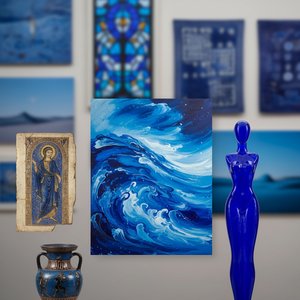
The Allure of Azure: Exploring the Symbolic & Aesthetic Depths of Blue in Art History
Explore the rich history of blue in art! Discover its symbolism, from ancient pigments to modern masterpieces by Kandinsky & Seurat. Uncover the psychological impact and cultural meanings behind this captivating hue.

Crimson Threads of Narrative: Exploring Symbolism & Representation in Artworks Featuring the Red Dress
Explore the rich symbolism of the red dress in art history! From ancient power displays to iconic portraits like Cézanne’s 'Madame Cezanne', discover the cultural and artistic significance behind this captivating color. Expert analysis & insights.

Azure Visions: Exploring Representations of the Blue Dress in Western Art History
Explore the rich history of the blue dress in Western art! Discover its symbolism, from Renaissance masterpieces to modern interpretations by artists like Martin & Schiele. Uncover cultural meanings and artistic techniques.
Entdecken Sie Kunstwerke, die nach Themen, Stilen und Merkmalen sortiert sind.
