In echtem Maßstab anzeigen
 Versenden als Grußkarte
 Teilen
 Details anzeigen
 Leitfaden öffnen

 Herunterladen
 Ähnliche Objekte
 Röntgenaufnahme
 Diashow
 Besucherstatistiken
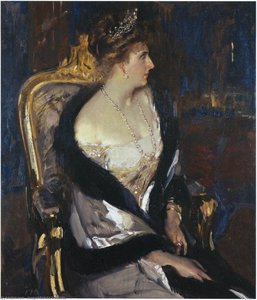
Maria Sick
 Oil On Canvas
- WallArt
- Impressionist Style
 1907
1907- 19th Century
 60.0 x 90.0 cm
Experience Joaquín Sorolla’s ‘Maria Sick,’ a captivating Impressionist portrait brimming with light and emotion from 1907. This oil on canvas captures everyday life with grace, perfect for art lovers.
 Mehr anzeigen
Entdecken Sie Joaquín Sorolla (1863-1923), den Meister des spanischen Realismus & Luminismus! Erleben Sie seine lebendigen Gemälde, die mediterranes Licht einfangen.
Giclée / Kunstdruck
Giclée- oder Leinwanddruck in Museumsqualität mit schneller Produktion und flexiblen Veredelungsoptionen. ( Handgemalte Reproduktion kaufen Zum digitalen Bild wechseln)




P118B €10

P118H €10

P118W €10

P438Z €10

P508JH €12

P508YH €12

P805H €10

P805Z €10

P919BZ €10

P919G €10

P919XJ €10

P959ZH €10

P968JZ €12

W106C €8

W218G €10

W218JH €8

W218Y €10

W307PJ €10

W316G €10

W316PJ €8

W316Y €10

W398PJ €8

W4111J €10

W500HY €15

W500JH €15

W692G €12

W849H €8

W940BG €15

W953PJ €8




Standardformat
individuell anpassbar
CM
INCH
Wählen Sie aus unseren vordefinierten Formaten, die den ursprünglichen Proportionen des Kunstwerks entsprechen.
Loading sizes...

Breite
Höhe
Geben Sie die Breite und die Höhe an, die Sie benötigen, damit der Druck perfekt in Ihren Rahmen oder an Ihre Wand passt. Ein Druck kann nur beschnitten werden und niemals größer als das Originalbild gemacht werden; daher verliert ein Format mit einer anderen Proportion einen Teil des Bildes. Wir senden Ihnen ein digitales Mockup zur Freigabe, bevor wir den Druck ausführen. Das auf dieser Seite gezeigte Bild zeigt nicht den tatsächlichen Beschnitt – dies ist nur im Mockup ersichtlich.
Weltweiter Versand () innerhalb von 2 Wochen statt der üblichen 4/5 Wochen. (24 Oktober)

Kostenloser weltweiter Expressversand

Hochwertige Leinenleinwand

Vollständiger Versicherungsschutz beim Versand

Zollgebühren-Rückerstattungsgarantie

Garantie für exakte Farbtreue

100-tägiges Rückgaberecht (nur bei Mängeln)

100% Geld-zurück-Garantie

Angebot für Mengenrabatt
 Die Glasoption ist nur für Größen unter 110 cm verfügbar.

Maria Sick
Giclée / Kunstdruck
Format der Reproduktion
-


Gesamtpreis
€ 61
Introduction to Joaquin Sorolla Y Bastida
Joaquin Sorolla y Bastida – a name that resonates with the very essence of Spanish light and life. Born in Valencia in 1863, he wasn’t merely a painter; he was an interpreter of his nation's soul, capturing moments of everyday beauty with a remarkable sensitivity. His early years were marked by profound loss – orphaned at two due to a devastating cholera outbreak – an experience that undoubtedly shaped his artistic vision, fostering a deep appreciation for the transient nature of existence and translating this into works brimming with vibrant emotion.
Sorolla’s journey began in Valencia, where he honed his skills under the tutelage of established artists like Cayetano Capuz and José Benlliure. This foundational training paved the way for a four-year scholarship to Rome, a pivotal period during which he immersed himself in the classical traditions while simultaneously developing his own distinctive style – one characterized by an unparalleled mastery of light and color. His time in Rome profoundly influenced his approach, allowing him to synthesize classical influences with the burgeoning Impressionist movement.
Maria Sick: A Portrait of Contemplation
"Maria Sick," painted in 1907, is a poignant example of Sorolla’s ability to distill complex human emotion into a single, arresting image. The painting depicts a woman – presumably Maria – seated on the ground, wearing a hat and gazing intently towards something unseen. This simple composition belies a profound sense of introspection and quiet contemplation. The textured brick wall in the background isn't merely a backdrop; it’s an active element, adding depth and a subtle sense of unease to the scene.
Sorolla’s meticulous technique is immediately apparent. Executed in oil on canvas, the brushstrokes are loose yet confident, creating a shimmering effect that captures the play of light – a hallmark of his style. The use of color is particularly noteworthy; warm ochres and yellows dominate, reflecting the intense Mediterranean sunlight that Sorolla so famously sought to capture. The subtle variations in tone contribute significantly to the painting’s emotional impact, drawing the viewer into Maria's private world.
Artistic Style and Historical Context
"Maria Sick" firmly places Sorolla within the context of Spanish Impressionism. While influenced by French artists like Monet and Renoir, he adapted these techniques to suit his own unique vision, incorporating elements of Spanish realism and a deep understanding of local culture. The painting reflects his ability to capture not just the visual appearance of a scene but also its emotional resonance – a characteristic that earned him widespread acclaim during his lifetime.
Created in 1907, the work speaks to a period of significant artistic change in Europe. Sorolla’s embrace of Impressionism aligned with broader trends towards capturing fleeting moments and subjective experiences, reflecting a shift away from purely academic approaches to artmaking. His focus on everyday subjects – like this portrait of a woman – further cemented his position as a champion of accessible beauty.
Dimensions and Significance
This exquisite reproduction measures 60 x 90 cm (23.6 x 35.4 inches), making it an ideal size for a variety of interior spaces. The original painting, housed in the Museo de Bellas Artes de San Pio V in Spain, is a testament to Sorolla’s enduring legacy. "Maria Sick" offers a rare glimpse into the artist's world – a world characterized by light, color, and an unwavering commitment to capturing the beauty of human experience.
Fragen & Antworten
Welche Leuchtkraft weist "Maria Sick" von Joaquín Sorolla y Bastida auf?
Die Farben von "Maria Sick" weisen eine Gentle Luminance Luminanz auf.
Welche Verwendung und welcher Raum werden für "Maria Sick" von Joaquín Sorolla y Bastida empfohlen?
"Maria Sick" wird für Reflective empfohlen; der ideale Ort dafür ist ein Living Room.
Welche Atmosphäre vermittelt "Maria Sick"?
Die allgemeine Stimmung von "Maria Sick" von Joaquín Sorolla y Bastida ist Calm. Die Stimmung beschreibt die allgemeine Atmosphäre des Werkes.
Ähnliche Kunstwerke


Biografie des Künstlers
Frühes Leben und Ausbildung
Joaquín Sorolla y Bastida, ein renommierter spanischer Maler, wurde am 27. Februar 1863 in Valencia, Spanien, geboren. Er war der älteste Sohn von Joaquín Sorolla, einem Kaufmann, und Concepción Bastida. Nach dem frühen Verlust seiner Eltern im Alter von zwei Jahren wuchs er bei seiner Tante und ihrem Ehemann auf. Seine künstlerische Reise begann in seiner Heimatstadt, wo er bereits mit neun Jahren eine erste Kunstausbildung erhielt. Später studierte er unter der Leitung von Cayetano Capuz, Salustiano Asenjo und José Benlliure in Rom. Ein viereinhalbjähriges Stipendium ermöglichte ihm ein Studium des Malens in Rom, Italien, wo er stark von Francisco Pradilla beeinflusst wurde.Künstlerische Entwicklung und Stil
Sorollas Werk zeichnet sich durch einen einzigartigen Realismus aus, der Elemente des Impressionismus aufgreift. Er war bekannt für seine Fähigkeit, Licht und Farbe meisterhaft einzusetzen, um lebendige und atmosphärische Szenen zu schaffen. Seine frühen Werke zeigten Einflüsse des etablierten spanischen Malstils, während er später seinen eigenen unverwechselbaren Stil entwickelte, der sich durch eine lockere Pinselführung und eine strahlende Farbpalette auszeichnete. Er bevorzugte das Malen im Freien (plein air), um die natürlichen Lichtverhältnisse optimal zu nutzen. Sein Fokus lag oft auf Alltagsszenen, Porträts und insbesondere Strandbildern, die er mit großer Detailtreue und Lebendigkeit festhielt.Wichtige Werke und Errungenschaften
Sorolla schuf eine beeindruckende Anzahl von Werken, die seine künstlerische Meisterschaft demonstrieren. Zu seinen bekanntesten Gemälden gehören:- Italienisches Mädchen mit Blumen (Öl auf Leinwand), das Sorollas Fähigkeit zeigt, die Essenz seiner Motive einzufangen.
- Badezeit (Realismus, Öl), ein Beispiel für seine Balance aus Licht und Farbe.
- Der Sklavenhandel (Sorolla Museum, Madrid, Spanien, Öl auf Leinwand), ein seltenes Beispiel für sozialrealistische Kunst in Sorollas Werk.
Einfluss und Vermächtnis
Joaquín Sorolla gilt als einer der bedeutendsten spanischen Maler des 19. und frühen 20. Jahrhunderts. Sein Werk trug maßgeblich zur Entwicklung des spanischen Realismus und Impressionismus bei. Seine Fähigkeit, das Licht der mediterranen Sonne einzufangen und in seinen Gemälden wiederzugeben, machte ihn zu einem international gefeierten Künstler. Sorolla beeinflusste zahlreiche nachfolgende Maler und seine Werke werden heute in renommierten Museen auf der ganzen Welt ausgestellt. Das Sorolla Museum in Madrid, das sein ehemaliges Haus und Atelier beherbergt, ist ein zentraler Ort für die Bewahrung und Präsentation seines Werkes. Sein Vermächtnis lebt fort als Inspiration für Künstler und Kunstliebhaber gleichermaßen.Spätere Jahre und Tod
Obwohl Sorolla im Alter von 60 Jahren am 23. August 1923 in Cercedilla, Spanien, verstarb, hinterließ er ein beeindruckendes Œuvre und einen bleibenden Eindruck in der Kunstgeschichte. Seine Werke werden bis heute für ihre Lebendigkeit, Detailtreue und die meisterhafte Darstellung des Lichts geschätzt.
Joaquín Sorolla y Bastida
1863 - 1923 , Spanien
Eckdaten zum Künstler
- Bemerkenswerte Werke:
- Italienisches Mädchen mit Blumen
- Badezeit (Realismus)
- Der weiße Sklavenhandel
- Strand bei Biarritz
- Das Gelbe Rosenbusch
- Einflussreiche Künstler: ['Francisco Pradilla']
- Geburtsdatum: 27. Februar 1863
- Geburtsort: Valencia, Spanien
- Künstlerische Richtung: Realismus, Luminismus
- Nationalität: Spanisch
- Sterbedatum: 1923
- Vollständiger Name: Joaquín Sorolla y Bastida
Verwandte Artikel

The Soul of Impressionism: Why Oil on Canvas Captures Eternal Light and Timeless Emotion
Discover the enchanting alchemy of Impressionism. Explore how the mastery of oil on canvas, through glazing and impasto, captures eternal light and emotion. Perfect for lovers of Monet and Van Gogh seeking the profound depth of hand-painted fine art.
Entdecken Sie Kunstwerke, die nach Themen, Stilen und Merkmalen sortiert sind.