Vorschau anzeigen
 Versenden
 Teilen
 Details anzeigen
 Leitfaden

 Herunterladen
 Ähnliche Objekte
 Röntgenaufnahme
 Diashow
 Fragen & Antworten
 Statistiken
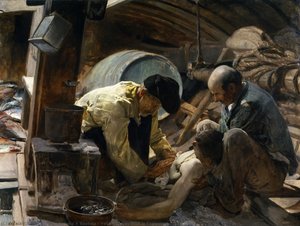
Mending the Sail

- 220.0 x 302.0 cm


Experience 'Mending the Sail' by Joaquin Sorolla! This 1896 Spanish masterpiece captures community & daily life in vibrant oils. A stunning reproduction for art lovers.
 Weiterlesen
Entdecken Sie Joaquín Sorolla (1863-1923), den Meister des spanischen Realismus & Luminismus! Erleben Sie seine lebendigen Gemälde, die mediterranes Licht einfangen.
Giclée / Kunstdruck
Giclée- oder Leinwanddruck in Museumsqualität mit schneller Produktion und flexiblen Veredelungsoptionen. ( Handgemalte Reproduktion bestellen Zum digitalen Bild wechseln)




P118B €10

P118H €10

P118W €10

P438Z €10

P508JH €12

P508YH €12

P805H €10

P805Z €10

P919BZ €10

P919G €10

P919XJ €10

P959ZH €10

P968JZ €12

W106C €8

W218G €10

W218JH €8

W218Y €10

W307PJ €10

W316G €10

W316PJ €8

W316Y €10

W398PJ €8

W4111J €10

W500HY €15

W500JH €15

W692G €12

W849H €8

W940BG €15

W953PJ €8




Standardformat
individuell anpassbar
CM
INCH
Wählen Sie aus unseren vordefinierten Formaten, die den ursprünglichen Proportionen des Kunstwerks entsprechen.
Loading sizes...

Breite
Höhe
Geben Sie die benötigte Breite und Höhe an, damit der Druck perfekt in Ihren Rahmen oder an Ihre Wand passt. Ein Druck kann nur beschnitten, aber niemals größer als das Originalbild angefertigt werden; daher verliert ein Format mit anderen Proportionen einen Teil des Bildes. Wir senden Ihnen ein digitales Mockup zur Freigabe, bevor wir den Druck ausführen. Das auf dieser Seite gezeigte Bild zeigt nicht den tatsächlichen Beschnitt – dies ist nur im Mockup ersichtlich.
Weltweiter Versand () innerhalb von 2 Wochen statt der üblichen 4/5 Wochen. (5 November)

Kostenloser weltweiter Expressversand

Hochwertige Leinenleinwand

Umfassender Versicherungsschutz beim Versand

Zollgebühren-Rückerstattungsgarantie

Garantie für exakte Farbtreue

100 Tage Rückgaberecht (nur bei Mängeln)

100% Geld-zurück-Garantie

Mengenrabatt verfügbar
 Die Glasoption ist nur für Größen unter 110 cm verfügbar.

Mending the Sail
Giclée / Kunstdruck
Format der Reproduktion
-


Endpreis
€ 63
Introduction to the Artist and Painting
Joaquín Sorolla Y Bastida, a name synonymous with the radiant light and vibrant energy of Spain, was more than just a painter; he was a chronicler of his nation’s soul. Born in Valencia in 1863, Sorolla's early life was marked by tragedy. Orphaned at the tender age of two following a cholera epidemic that claimed both parents, young Joaquín and his sister were raised by their maternal aunt and uncle. This early experience with loss perhaps instilled within him a profound appreciation for the fleeting beauty of life – a sentiment that would permeate his art. Though hardship shadowed his beginnings, it did not dim the spark of artistic talent that quickly became apparent. He received initial instruction in Valencia, demonstrating an aptitude that led to studies under established artists like Cayetano Capuz and José Benlliure, eventually culminating in a four-year grant to study in Rome. It was there, amidst the classical grandeur of I
A Moment Frozen in Sunlight: ‘Mending the Sail’
"Mending the Sail," created in 1896, is a captivating tableau that transports the viewer directly into the heart of a sun-drenched afternoon. This large oil on canvas (220 x 302 cm) isn't merely a depiction of manual labor; it’s an exploration of community, resilience, and the simple beauty found in everyday tasks. Sorolla masterfully captures the scene – a group of individuals diligently repairing a sail within a vibrant garden setting – with a remarkable sense of immediacy and warmth. The painting immediately draws the eye to the figures engaged in their work, each contributing to the collective effort with a quiet determination.
Technique and Style: Sorolla’s Impressionistic Brilliance
Sorolla's style is undeniably rooted in Impressionism, yet he possessed a uniquely Spanish sensibility. He employed loose brushstrokes and a broken color technique – layering small dabs of paint to create shimmering effects—to capture the play of light on surfaces with astonishing accuracy. The effect is almost photographic in its realism, but imbued with an emotional depth that elevates it beyond mere representation. Notice how he uses variations of blue and white to represent the sky and water, creating a sense of movement and atmosphere. The use of warm tones – ochres, yellows, and reds – further enhances the feeling of warmth and vitality. His technique allows for a remarkable level of detail in the textures of the sailcloth, the clothing of the workers, and the foliage of the garden.
Symbolism and Narrative: Teamwork and the Passage of Time
"Mending the Sail" is rich with symbolic meaning. The act of repairing the sail represents more than just a practical task; it symbolizes resilience, cooperation, and the ability to overcome challenges as a community. The diverse group of individuals – men, women, and children – working together underscores this theme. The garden setting itself adds another layer of significance, representing life, growth, and renewal. The presence of potted plants, scattered throughout the scene, subtly reinforces the idea of nurturing and care. The painting’s date, 1896, places it firmly within a period of significant social change in Europe, reflecting a growing interest in depicting ordinary people and their lives – a trend that foreshadowed many later artistic movements. The overall composition evokes a sense of timelessness, suggesting that the values represented—community, hard work, and perseverance—are enduring.
A Legacy of Light: Sorolla’s Enduring Appeal
“Mending the Sail” stands as a testament to Joaquín Sorolla's extraordinary talent and his ability to capture the essence of human experience. Its vibrant colors, dynamic composition, and profound symbolism continue to resonate with viewers today. This painting is not just a beautiful work of art; it’s an invitation to contemplate the importance of community, resilience, and the simple joys of life. A reproduction of this iconic piece would be a stunning addition to any interior space, bringing warmth, light, and a touch of Spanish artistry into your home.
Fragen & Antworten
Wo kann ich Kunstwerke finden, die "Mending the Sail" von Joaquín Sorolla y Bastida ähneln?
Ähnliche Kunstwerke zu "Mending the Sail" von Joaquín Sorolla y Bastida finden Sie auf der Seite Ähnliche Werke des Kunstwerks.
In welcher Phase der Karriere von Joaquín Sorolla y Bastida lässt sich „Mending the Sail“ angesichts seines Entstehungsdatums einordnen?
Die Datierung auf 1896 ordnet „Mending the Sail“ der Late 19th Century von Joaquín Sorolla y Bastidas künstlerischer Entwicklung zu.
Welche Emotion vermittelt "Mending the Sail" von Joaquín Sorolla y Bastida?
Die für "Mending the Sail" von Joaquín Sorolla y Bastida festgelegte emotionale Stimmung ist Calm. Sie fasst das Gefühl zusammen, das das Werk ausdrückt.
Ähnliche Kunstwerke


Künstlerbiografie
Frühes Leben und Ausbildung
Joaquín Sorolla y Bastida, ein renommierter spanischer Maler, wurde am 27. Februar 1863 in Valencia, Spanien, geboren. Er war der älteste Sohn von Joaquín Sorolla, einem Kaufmann, und Concepción Bastida. Nach dem frühen Verlust seiner Eltern im Alter von zwei Jahren wuchs er bei seiner Tante und ihrem Ehemann auf. Seine künstlerische Reise begann in seiner Heimatstadt, wo er bereits mit neun Jahren eine erste Kunstausbildung erhielt. Später studierte er unter der Leitung von Cayetano Capuz, Salustiano Asenjo und José Benlliure in Rom. Ein viereinhalbjähriges Stipendium ermöglichte ihm ein Studium des Malens in Rom, Italien, wo er stark von Francisco Pradilla beeinflusst wurde.Künstlerische Entwicklung und Stil
Sorollas Werk zeichnet sich durch einen einzigartigen Realismus aus, der Elemente des Impressionismus aufgreift. Er war bekannt für seine Fähigkeit, Licht und Farbe meisterhaft einzusetzen, um lebendige und atmosphärische Szenen zu schaffen. Seine frühen Werke zeigten Einflüsse des etablierten spanischen Malstils, während er später seinen eigenen unverwechselbaren Stil entwickelte, der sich durch eine lockere Pinselführung und eine strahlende Farbpalette auszeichnete. Er bevorzugte das Malen im Freien (plein air), um die natürlichen Lichtverhältnisse optimal zu nutzen. Sein Fokus lag oft auf Alltagsszenen, Porträts und insbesondere Strandbildern, die er mit großer Detailtreue und Lebendigkeit festhielt.Wichtige Werke und Errungenschaften
Sorolla schuf eine beeindruckende Anzahl von Werken, die seine künstlerische Meisterschaft demonstrieren. Zu seinen bekanntesten Gemälden gehören:- Italienisches Mädchen mit Blumen (Öl auf Leinwand), das Sorollas Fähigkeit zeigt, die Essenz seiner Motive einzufangen.
- Badezeit (Realismus, Öl), ein Beispiel für seine Balance aus Licht und Farbe.
- Der Sklavenhandel (Sorolla Museum, Madrid, Spanien, Öl auf Leinwand), ein seltenes Beispiel für sozialrealistische Kunst in Sorollas Werk.
Einfluss und Vermächtnis
Joaquín Sorolla gilt als einer der bedeutendsten spanischen Maler des 19. und frühen 20. Jahrhunderts. Sein Werk trug maßgeblich zur Entwicklung des spanischen Realismus und Impressionismus bei. Seine Fähigkeit, das Licht der mediterranen Sonne einzufangen und in seinen Gemälden wiederzugeben, machte ihn zu einem international gefeierten Künstler. Sorolla beeinflusste zahlreiche nachfolgende Maler und seine Werke werden heute in renommierten Museen auf der ganzen Welt ausgestellt. Das Sorolla Museum in Madrid, das sein ehemaliges Haus und Atelier beherbergt, ist ein zentraler Ort für die Bewahrung und Präsentation seines Werkes. Sein Vermächtnis lebt fort als Inspiration für Künstler und Kunstliebhaber gleichermaßen.Spätere Jahre und Tod
Obwohl Sorolla im Alter von 60 Jahren am 23. August 1923 in Cercedilla, Spanien, verstarb, hinterließ er ein beeindruckendes Œuvre und einen bleibenden Eindruck in der Kunstgeschichte. Seine Werke werden bis heute für ihre Lebendigkeit, Detailtreue und die meisterhafte Darstellung des Lichts geschätzt.
Joaquín Sorolla y Bastida
1863 - 1923 , Spanien
Kurzinfos
- Bemerkenswerte Werke:
- Italienisches Mädchen mit Blumen
- Badezeit (Realismus)
- Der weiße Sklavenhandel
- Strand bei Biarritz
- Das Gelbe Rosenbusch
- Einflussreiche Künstler: ['Francisco Pradilla']
- Geburtsdatum: 27. Februar 1863
- Geburtsort: Valencia, Spanien
- Künstlerische Richtung: Realismus, Luminismus
- Nationalität: Spanisch
- Sterbedatum: 1923
- Vollständiger Name: Joaquín Sorolla y Bastida
Ähnliche Artikel

Capturing the Light of Amsterdam: A Journey Through Impressionist Masterpieces of the Dutch Canals
Embark on a visual journey through the luminous Amsterdam canals. Discover how Impressionist masters captured the fleeting light of the Dutch landscape through evocative brushwork and color. Explore the timeless beauty of these masterpieces for your private art collection.

Capturing the Soul: The Ethereal Magic and Timeless Technique of Impressionist Portraiture
Discover the ethereal beauty of Impressionist portraiture. Explore how masters like Monet and Renoir captured light and soul through brushwork, and learn how to bring this timeless magic into your home with exquisite, hand-painted oil reproductions from TopImpressionists.com.

Capturing the Drama: How Impressionist Light and Shadow Transform Your Living Space
Discover how the luminous light and dramatic shadows of Impressionist masterpieces can transform your home. Explore expert insights on using Renoir, Monet, and Cézanne to create a serene, culturally rich sanctuary through museum-quality, hand-painted oil reproductions.

Dining Room Elegance: Transforming Your Space with Impressionist Masterpieces
Elevate your dining room with the luminous beauty of Impressionist masterpieces. Discover how hand-painted Claude Monet and Renoir reproductions can transform your space into a sanctuary of light, color, and timeless elegance for your home.

The Luminous Living Room: Curating Your Space with Timeless Impressionist Masterpieces
Transform your living room with the luminous beauty of Impressionist masterpieces. Discover museum-quality, hand-painted oil reproductions from Monet to Renoir, curated for the discerning collector seeking timeless elegance and soulful interior design.
Entdecken Sie Kunstwerke, die nach Themen, Stilen und Merkmalen sortiert sind.