Vorschau anzeigen
 Versenden
 Teilen
 Details anzeigen
 Leitfaden

 Herunterladen
 Ähnliche Objekte
 Röntgenaufnahme
 Diashow
 Fragen & Antworten
 Statistiken
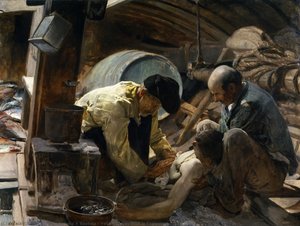
Wounded foot

- 109.0 x 99.0 cm


Joaquin Sorolla’s luminous Impressionist masterpiece captures a carefree beach scene featuring a young girl with a bandage – an exquisite depiction of light and leisure from 1909. Explore stunning handmade reproductions at TopImpressionists.com.
 Weiterlesen
Entdecken Sie Joaquín Sorolla (1863-1923), den Meister des spanischen Realismus & Luminismus! Erleben Sie seine lebendigen Gemälde, die mediterranes Licht einfangen.
Giclée / Kunstdruck
Giclée- oder Leinwanddruck in Museumsqualität mit schneller Produktion und flexiblen Veredelungsoptionen. ( Handgemalte Reproduktion bestellen Zum digitalen Bild wechseln)




P118B €10

P118H €10

P118W €10

P438Z €10

P508JH €12

P508YH €12

P805H €10

P805Z €10

P919BZ €10

P919G €10

P919XJ €10

P959ZH €10

P968JZ €12

W106C €8

W218G €10

W218JH €8

W218Y €10

W307PJ €10

W316G €10

W316PJ €8

W316Y €10

W398PJ €8

W4111J €10

W500HY €15

W500JH €15

W692G €12

W849H €8

W940BG €15

W953PJ €8




Standardformat
individuell anpassbar
CM
INCH
Wählen Sie aus unseren vordefinierten Formaten, die den ursprünglichen Proportionen des Kunstwerks entsprechen.
Loading sizes...

Breite
Höhe
Geben Sie die benötigte Breite und Höhe an, damit der Druck perfekt in Ihren Rahmen oder an Ihre Wand passt. Ein Druck kann nur beschnitten, aber niemals größer als das Originalbild angefertigt werden; daher verliert ein Format mit anderen Proportionen einen Teil des Bildes. Wir senden Ihnen ein digitales Mockup zur Freigabe, bevor wir den Druck ausführen. Das auf dieser Seite gezeigte Bild zeigt nicht den tatsächlichen Beschnitt – dies ist nur im Mockup ersichtlich.
Weltweiter Versand () innerhalb von 2 Wochen statt der üblichen 4/5 Wochen. (6 November)

Kostenloser weltweiter Expressversand

Hochwertige Leinenleinwand

Umfassender Versicherungsschutz beim Versand

Zollgebühren-Rückerstattungsgarantie

Garantie für exakte Farbtreue

100 Tage Rückgaberecht (nur bei Mängeln)

100% Geld-zurück-Garantie

Mengenrabatt verfügbar
 Die Glasoption ist nur für Größen unter 110 cm verfügbar.

Wounded foot
Giclée / Kunstdruck
Format der Reproduktion
-


Endpreis
€ 62
A Moment Captured in Light: Exploring Joaquín Sorolla’s ‘Wounded Foot’
Joaquín Sorolla y Bastida's “Wounded Foot,” painted in 1909, transcends mere depiction; it embodies the very essence of Impressionism and offers a poignant glimpse into the spirit of early twentieth-century Spain. Measuring 109 x 99 cm, this oil on canvas masterpiece isn’t simply a seaside scene—it's an invitation to contemplate beauty amidst vulnerability. Sorolla, deeply influenced by Claude Monet and Pierre Auguste Renoir, sought to capture not just what he saw but how light transformed the world around him, prioritizing fleeting impressions over meticulous detail.Style and Technique: The Dance of Light
Sorolla’s technique is characterized by loose brushstrokes—a hallmark of Impressionism—that create a shimmering surface texture reminiscent of sunlight dancing on water. He employed rapid layering of paint, allowing colors to blend seamlessly and capturing the ephemeral qualities of atmosphere. Unlike academic painters who prioritized realism, Sorolla deliberately avoided precise shading and anatomical accuracy, favoring instead an expressive approach that conveyed emotion and movement. The artist’s masterful use of color—particularly yellows and blues—intensifies the feeling of warmth and tranquility, transporting the viewer to the sun-drenched shores of Biarritz, where Sorolla frequently resided.Historical Context: Spain at the Dawn of Modernity
“Wounded Foot” emerges from a period of significant artistic innovation in Spain. The Belle Époque witnessed a burgeoning interest in plein air painting and a rejection of traditional conventions. Sorolla’s work reflects this cultural shift, aligning with the broader movement towards capturing natural beauty and portraying everyday life with honesty and sensitivity. Furthermore, the inclusion of a bandage on a foot subtly speaks to themes of resilience and healing—a quiet counterpoint to the grand narratives dominating European art at the time. The painting's location in Biarritz, a fashionable resort town frequented by artists and intellectuals, underscores Sorolla’s engagement with the intellectual currents shaping his era.Symbolism Beyond Surface Beauty
While visually captivating, “Wounded Foot” possesses deeper symbolic resonance. The bandage itself represents imperfection—a reminder that beauty isn't solely found in flawless perfection but also in acknowledging vulnerability and accepting life’s inevitable challenges. Yet, amidst this visual symbol of injury, the scene exudes optimism; the figures bask in the sunlit warmth, suggesting a triumph over adversity. Sorolla’s deliberate choice to depict a seemingly insignificant detail—the bandage—elevates the painting beyond a simple landscape portrayal into a meditation on human experience.Emotional Impact: A Resonance of Tranquility and Reflection
Ultimately, “Wounded Foot” succeeds in evoking a profound emotional response. The artist's luminous palette and fluid brushwork instill a sense of serenity and invite contemplation. It’s more than just a beautiful image; it’s an embodiment of Sorolla’s artistic philosophy—a celebration of life’s fleeting moments and a testament to the transformative power of light. Reproductions of this iconic artwork offer collectors and interior designers alike the opportunity to experience firsthand the enduring legacy of one of Spain's greatest Impressionist painters.Fragen & Antworten
Kann ich "Wounded foot" von Joaquín Sorolla y Bastida vor dem Kauf an meiner eigenen Wand sehen?
"Wounded foot" von Joaquín Sorolla y Bastida kann mithilfe der AR-Vorschau-Seite des Kunstwerks mit Augmented Reality auf einem kompatiblen Gerät direkt an Ihrer eigenen Wand vorab betrachtet werden.
Welcher Strömung und welcher Epoche ist "Wounded foot" von Joaquín Sorolla y Bastida zuzuordnen?
"Wounded foot" gehört der Strömung des Impressionistic Light an, und sein Schöpfer war in der Ära der – 19. Jahrhundert tätig.
Ist "Wounded foot" von Joaquín Sorolla y Bastida gemeinfrei, und warum?
"Wounded foot" von Joaquín Sorolla y Bastida ist gemeinfrei – das Urheberrecht ist abgelaufen. Die Schutzfrist des Urheberrechts beginnt mit dem Tod des Künstlers im Jahr 1923.
Ähnliche Kunstwerke


Künstlerbiografie
Frühes Leben und Ausbildung
Joaquín Sorolla y Bastida, ein renommierter spanischer Maler, wurde am 27. Februar 1863 in Valencia, Spanien, geboren. Er war der älteste Sohn von Joaquín Sorolla, einem Kaufmann, und Concepción Bastida. Nach dem frühen Verlust seiner Eltern im Alter von zwei Jahren wuchs er bei seiner Tante und ihrem Ehemann auf. Seine künstlerische Reise begann in seiner Heimatstadt, wo er bereits mit neun Jahren eine erste Kunstausbildung erhielt. Später studierte er unter der Leitung von Cayetano Capuz, Salustiano Asenjo und José Benlliure in Rom. Ein viereinhalbjähriges Stipendium ermöglichte ihm ein Studium des Malens in Rom, Italien, wo er stark von Francisco Pradilla beeinflusst wurde.Künstlerische Entwicklung und Stil
Sorollas Werk zeichnet sich durch einen einzigartigen Realismus aus, der Elemente des Impressionismus aufgreift. Er war bekannt für seine Fähigkeit, Licht und Farbe meisterhaft einzusetzen, um lebendige und atmosphärische Szenen zu schaffen. Seine frühen Werke zeigten Einflüsse des etablierten spanischen Malstils, während er später seinen eigenen unverwechselbaren Stil entwickelte, der sich durch eine lockere Pinselführung und eine strahlende Farbpalette auszeichnete. Er bevorzugte das Malen im Freien (plein air), um die natürlichen Lichtverhältnisse optimal zu nutzen. Sein Fokus lag oft auf Alltagsszenen, Porträts und insbesondere Strandbildern, die er mit großer Detailtreue und Lebendigkeit festhielt.Wichtige Werke und Errungenschaften
Sorolla schuf eine beeindruckende Anzahl von Werken, die seine künstlerische Meisterschaft demonstrieren. Zu seinen bekanntesten Gemälden gehören:- Italienisches Mädchen mit Blumen (Öl auf Leinwand), das Sorollas Fähigkeit zeigt, die Essenz seiner Motive einzufangen.
- Badezeit (Realismus, Öl), ein Beispiel für seine Balance aus Licht und Farbe.
- Der Sklavenhandel (Sorolla Museum, Madrid, Spanien, Öl auf Leinwand), ein seltenes Beispiel für sozialrealistische Kunst in Sorollas Werk.
Einfluss und Vermächtnis
Joaquín Sorolla gilt als einer der bedeutendsten spanischen Maler des 19. und frühen 20. Jahrhunderts. Sein Werk trug maßgeblich zur Entwicklung des spanischen Realismus und Impressionismus bei. Seine Fähigkeit, das Licht der mediterranen Sonne einzufangen und in seinen Gemälden wiederzugeben, machte ihn zu einem international gefeierten Künstler. Sorolla beeinflusste zahlreiche nachfolgende Maler und seine Werke werden heute in renommierten Museen auf der ganzen Welt ausgestellt. Das Sorolla Museum in Madrid, das sein ehemaliges Haus und Atelier beherbergt, ist ein zentraler Ort für die Bewahrung und Präsentation seines Werkes. Sein Vermächtnis lebt fort als Inspiration für Künstler und Kunstliebhaber gleichermaßen.Spätere Jahre und Tod
Obwohl Sorolla im Alter von 60 Jahren am 23. August 1923 in Cercedilla, Spanien, verstarb, hinterließ er ein beeindruckendes Œuvre und einen bleibenden Eindruck in der Kunstgeschichte. Seine Werke werden bis heute für ihre Lebendigkeit, Detailtreue und die meisterhafte Darstellung des Lichts geschätzt.
Joaquín Sorolla y Bastida
1863 - 1923 , Spanien
Kurzinfos
- Bemerkenswerte Werke:
- Italienisches Mädchen mit Blumen
- Badezeit (Realismus)
- Der weiße Sklavenhandel
- Strand bei Biarritz
- Das Gelbe Rosenbusch
- Einflussreiche Künstler: ['Francisco Pradilla']
- Geburtsdatum: 27. Februar 1863
- Geburtsort: Valencia, Spanien
- Künstlerische Richtung: Realismus, Luminismus
- Nationalität: Spanisch
- Sterbedatum: 1923
- Vollständiger Name: Joaquín Sorolla y Bastida
Ähnliche Artikel

Ewiges Licht und tiefe Emotionen: Warum Öl auf Leinwand die Seele des Impressionismus einfängt
Erfahren Sie alles über die Tiefe und Textur impressionistischer Ölmalerei. Entdecken Sie die Magie der Pigmente und Techniken!
Entdecken Sie Kunstwerke, die nach Themen, Stilen und Merkmalen sortiert sind.