Vorschau anzeigen
 Versenden
 Teilen
 Details anzeigen
 Leitfaden

 Herunterladen
 Ähnliche Objekte
 Röntgenaufnahme
 Diashow
 Statistiken
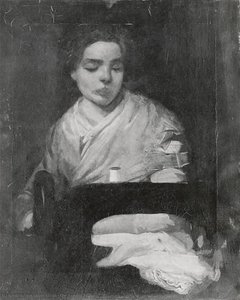
Stein und Presse


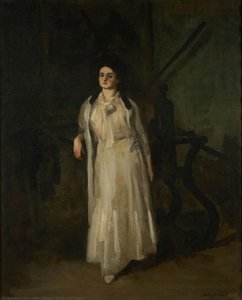
Erleben Sie John Sloans Stein and Press (1906), ein realistisches Porträt New Yorks mit Licht und Textur. Entdecken Sie dieses Meisterwerk.
 Weiterlesen
John French Sloan: Ein Pionier der Ashcan School und amerikanischer Realismus! Seine beeindruckenden Stadtbilder und sozialkritische Kunstwerke erzählen Geschichten vom Alltag und wirken bis heute.
Giclée / Kunstdruck
Giclée- oder Leinwanddruck in Museumsqualität mit schneller Produktion und flexiblen Veredelungsoptionen. ( Handgemalte Reproduktion bestellen Zum digitalen Bild wechseln)




P118B €10

P118H €10

P118W €10

P438Z €10

P508JH €12

P508YH €12

P805H €10

P805Z €10

P919BZ €10

P919G €10

P919XJ €10

P959ZH €10

P968JZ €12

W106C €8

W218G €10

W218JH €8

W218Y €10

W307PJ €10

W316G €10

W316PJ €8

W316Y €10

W398PJ €8

W4111J €10

W500HY €15

W500JH €15

W692G €12

W849H €8

W940BG €15

W953PJ €8




Standardformat
individuell anpassbar
CM
INCH
Wählen Sie aus unseren vordefinierten Formaten, die den ursprünglichen Proportionen des Kunstwerks entsprechen.
Loading sizes...

Breite
Höhe
Geben Sie die benötigte Breite und Höhe an, damit der Druck perfekt in Ihren Rahmen oder an Ihre Wand passt. Ein Druck kann nur beschnitten, aber niemals größer als das Originalbild angefertigt werden; daher verliert ein Format mit anderen Proportionen einen Teil des Bildes. Wir senden Ihnen ein digitales Mockup zur Freigabe, bevor wir den Druck ausführen. Das auf dieser Seite gezeigte Bild zeigt nicht den tatsächlichen Beschnitt – dies ist nur im Mockup ersichtlich.
Weltweiter Versand () innerhalb von 2 Wochen statt der üblichen 4/5 Wochen. (25 Oktober)

Kostenloser weltweiter Expressversand

Hochwertige Leinenleinwand

Umfassender Versicherungsschutz beim Versand

Zollgebühren-Rückerstattungsgarantie

Garantie für exakte Farbtreue

100 Tage Rückgaberecht (nur bei Mängeln)

100% Geld-zurück-Garantie

Mengenrabatt verfügbar
 Die Glasoption ist nur für Größen unter 110 cm verfügbar.

Stein und Presse
Giclée / Kunstdruck
Format der Reproduktion
-


Endpreis
€ 61
Stein und Presse: Ein Porträt urbaner Melancholie
John French Sloans „Stein und Presse“ (1906) gilt als ein Eckpfeiler des Realismus der Ashcan School – einer Bewegung, die sich der unerschütterlichen Ehrlichkeit verschrieben hat, um die rauen Realitäten des amerikanischen Stadtlebens darzustellen. Weit über die bloße Darstellung einer Frau in einem schwach beleuchteten Raum hinaus, ist das Werk eine Erkundung von Einsamkeit, Introspektion und jener stillen Traurigkeit, die dem alltäglichen Dasein innewohnt. Sloans meisterhafter Einsatz des Chiaroscuro – der dramatischen Kontraste zwischen Licht und Schatten – etabliert augenblicklich eine Stimmung von tiefer Ernsthaftigkeit. Im Zentrum des Gemäldes steht eine einzelne weibliche Figur, die mit akribischer Detailtreue vor einem Hintergrund aus gedämpften Braun- und Grautönen dargestellt ist, was ihre Isolation zusätzlich verstärkt. Ihre Haltung ist subtil vom Betrachter abgewandt, was einerseits ein Gefühl der Intimität erzeugt und andererseits eine tiefe Verletzlichkeit vermittelt. Sloans Pinselstriche sind deutlich sichtbar; sie schichten Texturen übereinander, um eine impressionistische Oberfläche zu schaffen, die nicht nur die Form, sondern auch die Atmosphäre einfängt. Die Kleidung der Frau – ein dunkles Gewand, das über einen Stuhl fällt – trägt zur somberen Farbpalette bei und verstärkt das Gefühl stiller Kontemplation. Sloans Technik wurzelt in traditionellen Methoden der Ölmalerei, wobei er Tonwertabstufungen und Verblendungen priorisiert, um eine bemerkenswerte Tiefe und Leuchtkraft zu erreichen. Er setzt geschickt Schraffuren und Kreuzschraffuren ein, um Gesichtszüge und Faltenwürfe zu definieren, was sein unerschütterliches Engagement für die Zeichnung – ein Markenzeichen seines künstlerischen Ansatzes – unterstreicht. Die Komposition selbst trägt maßgeblich zur emotionalen Resonanz des Kunstwerks bei; die flachere Perspektive verringert subtil die Pracht der Umgebung und betont so den inneren Zustand des Subjekts anstatt der äußeren Gegebenheiten. Die Ashcan School, die während der Progressiven Ära in New York City entstand, reagierte auf die akademischen Kunstkonventionen und setzte sich für eine wahrhaftigere Darstellung des städtischen Lebens ein – oft mit dem Fokus auf Armut, Entbehrung und marginalisierte Gemeinschaften. Sloans Werk steht ganz in der Tradition dieses Ethos; es spiegelt die sozialen Sorgen der damaligen Zeit wider und erforscht gleichzeitig universelle Themen menschlicher Emotionen. „Stein und Pressee“ ist nicht bloß ein Porträt; es ist eine Meditation über die Komplexität innerer Erfahrungen innerhalb der Grenzen eines unscheinbaren Raumes – eine zeitlose Erinnerung an die Schönheit, die in stiller Betrachtung liegt, und an die allgegenwärtige Melancholie, die der Einsamkeit folgt.- Künstler: John French Sloan
- Entstehungsjahr: 1906
- Medium: Öl auf Leinwand
- Stil: Ashcan School Realismus
- Ort: Privatsammlung
Symbolische Resonanz und künstlerischer Einfluss
Sloans bewusster Einsatz gedämpfter Farben – vornehmlich Braun-, Grau- und Ockertöne – dient als kraftvolle visuelle Metapher für Melancholie und Selbstbeobachtung. Der abgewandte Blick der Frau symbolisiert den Rückzug aus der Welt und lädt die Betrachter dazu ein, über ihre inneren Gedanken und Gefühle nachzusinnen. Darüber hinaus haben Sloans stilistische Entscheidungen – insbesondere seine texturierten Pinselstriche und die Chiaroscuro-Beleuchtung – nachfolgende Generationen von Künstlern tiefgreifend beeinflusst und ihn als eine zentrale Figur des amerikanischen Modernismus etabliert. Seine unermüdliche Hingabe an die Darstellung authentischer menschlicher Erfahrungen inspiriert bis heute Maler und Designer gleichermaßen.Fragen & Antworten
Weist "Stein und Presse" starke Hell-Dunkel-Kontraste auf?
"Stein und Presse" von John French Sloan zeigt einen Gelassen Kontrast zwischen hellen und dunklen Bereichen.
Wo lässt sich eine Reproduktion von "Stein und Presse" von John French Sloan am besten präsentieren?
Mit seinem Hochformat-Format wird eine Reproduktion von „Stein und Presse“ für ein Wohnzimmer empfohlen.
Welche Farbe dominiert in "Stein und Presse" von John French Sloan?
Die dominante Farbe von "Stein und Presse" von John French Sloan ist Ocker bis Sepia. Dieser Farbton bildet die Grundlage der Palette.
Künstlerbiografie
Early Life and Artistic Awakening
John French Sloan, born August 2, 1871, in Lock Haven, Pennsylvania, emerged from humble beginnings that profoundly shaped his artistic vision. His childhood was marked by a familial need for support; his father’s struggles with mental health necessitated young John taking on responsibilities beyond his years. This early exposure to the realities of working-class life—a world often overlooked by the established art circles—would become a defining characteristic of his oeuvre. He moved with his family to Philadelphia, where he honed his skills initially not through formal academic training, but as an assistant cashier at Porter and Coates, a bookstore brimming with prints and illustrations. This environment proved formative; it allowed him to study masters like Dürer and Rembrandt, fostering a deep appreciation for draftsmanship and etching techniques. It was here, amidst the commerce of printed images, that Sloan began creating his own art, quietly developing a style rooted in observation and meticulous detail. His early work wasn’t born from privilege or leisure, but from necessity and a keen eye for the world around him—a foundation upon which he would build a remarkable career.The Ashcan School and Urban Realism
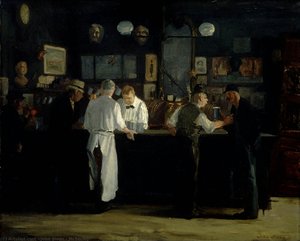
Sloan's trajectory shifted dramatically with his encounter with Robert Henri, a charismatic painter who championed artistic independence and a commitment to portraying everyday life. This connection led Sloan to the heart of what became known as the Ashcan School—a group of artists dedicated to depicting the gritty realities of turn-of-the-century New York City. Alongside William Glackens, George Luks, Everett Shinn, and others, Sloan rejected the idealized landscapes and portraits favored by many of their contemporaries, instead turning their attention to the bustling streets, crowded tenements, and vibrant social life of the city’s poorer neighborhoods. His work became a visual chronicle of this often-ignored world—capturing scenes from McSorley’s Bar to women drying their hair on rooftops. Sloan wasn’t merely documenting; he was imbuing these scenes with a sense of empathy and dignity, elevating the lives of ordinary people onto the canvas. He possessed an uncanny ability to capture the *essence* of neighborhood life, the subtle gestures and fleeting moments that revealed the character of a place and its inhabitants. This commitment to realism wasn’t simply aesthetic; it was also informed by his socialist leanings, though he always maintained a distinction between his art and his political beliefs.Style and Influences
Sloan's artistic style is characterized by a distinctive blend of influences. While rooted in realism, his work wasn’t devoid of stylistic nuance. He employed dark, rich hues—often emphasizing the contrast between light and shadow—to create a sense of drama and atmosphere. His compositions were carefully constructed, often utilizing strong diagonals to draw the viewer's eye into the scene. The influence of etching is evident in his precise linework and attention to detail, even in his paintings. Beyond Henri, Sloan drew inspiration from European masters like Edgar Degas and Honoré Daumier, admiring their ability to capture movement and social commentary. However, he forged a uniquely American voice, one that resonated with the energy and dynamism of New York City. His work wasn’t about grand narratives or historical events; it was about the small moments, the everyday experiences that constituted the fabric of urban life. He found beauty in the mundane, transforming ordinary scenes into compelling works of art. Wake of the Ferry exemplifies his ability to imbue a seemingly simple scene with emotional depth and symbolic resonance.Major Achievements
Sloan’s career as a commercial newspaper artist began while he was still in his teens. As a young man, he was forced to leave the prestigious Central High School to help support his family. One of his early jobs was at A. Edward Newton, where he produced cards, gift books, and other novelties. Many of these items were produced as etchings, a medium he taught himself in the late 1880s. For Newton, Sloan depicted the homes of famous poets, designed pretty calendars, and etched booklets like *Thoughts* *from Tennyson*. His delicate, precise renderings reveal a flair for decoration, which helped him earn a position on the staff of the *Philadelphia Inquirer *in 1892. He continued at the *Inquirer*, until he received a better offer from the competing *Philadelphia Press*. At the newspapers, Sloan produced a wide range of illustrations including on-the-spot news pictures, though it quickly became apparent that this was not his strength, unlike his friends William Glackens, George Luks, and Everett Shinn who excelled at rapid sketches. He specialized in decorative work, like headings, puzzles, and illustrations for fiction and the society pages. His later paintings explored themes of solitude and melancholy, reflecting a profound sensitivity to human emotion. ## Legacy and Lasting Impact Sloan’s influence can be seen in the works of subsequent realist painters and continues to inspire artists who seek to find beauty and meaning in the everyday world. He was a dedicated teacher, sharing his knowledge and passion with countless students throughout his career. His paintings are not merely historical documents; they are timeless portraits of life, love, and loss. Sloan’s legacy extends far beyond his contributions to the Ashcan School.
John French Sloan
1871 - 1951 , Vereinigte Staaten
Kurzinfos
- Artistic Movement Or Style: Ashcan School
- Artists Who Influenced This Artist: ['Robert Henri']
- Date Of Birth: August 2, 1871
- Full Name: John French Sloan
- Nationality: Amerikaner
- Notable Artworks:
- Wake of the Ferry
- McSorley’s Bar
- Place Of Birth: Lock Haven, USA
Ähnliche Artikel

The Unvarnished Truth: A Cultural Journey Through the Soul of American Realism
Explore the profound beauty of American Realism. From the Ashcan School's urban grit to intimate portraits, discover how artists captured the authentic soul of a nation through unvarnished truth and masterful observation.

Capturing the Light: A Journey Through the Soul of American Impressionism and the Hudson River School
Explore the luminous beauty of American Impressionism and the Hudson River School. Discover a curated journey through light, landscape, and history, celebrating the enduring legacy of masters through exquisite, hand-painted oil reproductions for the discerning art lover.
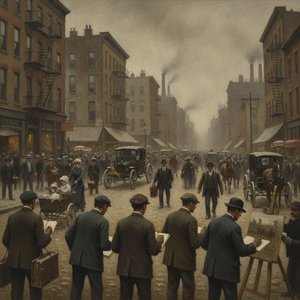
The Ashcan School: Capturing the Raw, Unfiltered Soul of Urban Life through American Realism
Discover the raw beauty of the Ashcan School. Explore how masters like Bellows and Henri captured the gritty, vibrant soul of early 20th-century New York through profound American Realism and evocative urban landscapes.
Entdecken Sie Kunstwerke, die nach Themen, Stilen und Merkmalen sortiert sind.