


 In echtem Maßstab anzeigen
 Versenden als Grußkarte
 Teilen
 Details anzeigen
 Leitfaden öffnen

 Herunterladen
 Ähnliche Objekte
 Röntgenaufnahme
 Diashow
 Besucherstatistiken
Orange Branch
 Oil On Canvas
- WallArt
- American Colorism & Japonisme
 1883
1883- 19th Century
 138.0 x 30.0 cm
 Metropolitan Museum of Art
Experience the vibrant Japonisme of John La Farge's 1883 Orange Branch, a luminous study of color and light you will adore.
 Mehr anzeigen
John La Farge (1835-1910): Pionier der amerikanischen Kunst! Entdecken Sie seine innovativen Glasfenster, leuchtenden Wandgemälde & japanischen Einflüsse.
Handgefertigte Ölreproduktion
Handgemaltes Ölgemälde auf Leinwand in Ihrer Wunschgröße und mit Rahmen, auf Bestellung von unseren Künstlern angefertigt. ( Zum Druck wechseln Zum digitalen Bild wechseln)




P118B €10

P118H €10

P118W €10

P438Z €10

P508JH €12

P508YH €12

P805H €10

P805Z €10

P919BZ €10

P919G €10

P919XJ €10

P959ZH €10

P968JZ €12

W106C €8

W218G €10

W218JH €8

W218Y €10

W307PJ €10

W316G €10

W316PJ €8

W316Y €10

W398PJ €8

W4111J €10

W500HY €15

W500JH €15

W692G €12

W849H €8

W940BG €15

W953PJ €8




Standardformat
individuell anpassbar
CM
INCH
Wählen Sie aus unseren vordefinierten Formaten, die den ursprünglichen Proportionen des Kunstwerks entsprechen.
Loading sizes...

Breite
Höhe
Geben Sie die Breite und die Höhe an, die Sie für Ihren Rahmen oder Ihre Wand benötigen. Da dieses Werk handgemalt ist, kann der Künstler bei einer anderen Form etwas mehr um das Bild herum malen oder etwas abschneiden – Sie entscheiden. Wir senden Ihnen ein digitales Mockup zur Freigabe, bevor mit dem Malen begonnen wird. Das auf dieser Seite gezeigte Bild stellt nicht das tatsächliche Ergebnis dar – dies tut nur das Mockup.
Beispiele für Anpassungsmöglichkeiten: Gesicht durch Kundenfoto ersetzen; Haustier hinzufügen (z. B. Katze durch Hund ersetzen); eine versteckte Nachricht im Hintergrund einfügen; Hintergrundlandschaft oder -elemente ändern.
Nach der Bestellung wird das TopImpressionists.com-Team dem Kunden Anweisungen per E-Mail zusenden und eine Mockup-Vorschau bereitstellen.
Nach der Bestellung wird das TopImpressionists.com-Team dem Kunden Anweisungen per E-Mail zusenden und eine Mockup-Vorschau bereitstellen.
Weltweiter Versand () in nur 3 bis 4 Wochen statt der üblichen 5 Wochen. (24 Oktober). Keine Kompromisse bei der Qualität.

Kostenloser weltweiter Expressversand

Hochwertige Leinenleinwand

Vollständiger Versicherungsschutz beim Versand

Zollgebühren-Rückerstattungsgarantie

Garantie für exakte Farbtreue

100-tägiges Rückgaberecht (nur bei Mängeln)

100% Geld-zurück-Garantie

Angebot für Mengenrabatt
 Die Glasoption ist nur für Größen unter 110 cm verfügbar.

Orange Branch
Reproduktionsmedium
Format der Reproduktion
-


Gesamtpreis
€ 236
A Symphony of Color and Japonisme
In the quiet brilliance of John La Farge’s 1883 masterpiece, "Orange Branch," viewers are invited into a world where nature and artistry converge in perfect harmony. This exquisite work is far more than a mere botanical study; it is a profound exploration of light, texture, and the delicate dance between Eastern influence and Western Impressionism. At first glance, the eye is immediately drawn to the vibrant, sun-drenched oranges that cling to a slender branch, their golden hues radiating a warmth that seems to pulse from within the canvas itself. La Farge captures not just the fruit, but the very essence of ripeness, inviting a sense of serene contemplation that transcends the boundaries of a simple landscape.
The painting serves as a breathtaking testament to Japonisme, the late 19th-century fascination with Japanese aesthetics that swept through the American art scene. Following the opening of Japan to Western trade, artists like La Farge found profound inspiration in the flattened perspectives and organic compositions of sumi-e ink paintings. In "Orange Branch," this influence is palpable in the way the branch extends diagonally across the frame, creating a balanced yet dynamic movement that guides the viewer’s gaze through the composition. The soft, ethereal blue background acts as a tranquil stage, providing an understated counterpoint to the vivid warmth of the fruit and ensuring that every leaf and citrus orb commands the spotlight.
Mastery of Light and Luminous Technique
To behold "Orange Branch" is to witness the technical virtuosity of a true master of color. La Farge employed a sophisticated technique of layering glazes—applying thin, translucent washes of oil paint over successive layers—to achieve a depth and luminosity that few could replicate. This meticulous process allows light to penetrate the surface of the paint, reflecting back with a brilliance that mimics the natural glow of sunlight filtering through foliage. The oranges possess a tactile quality, their skins rendered with such precision that one can almost sense the subtle variations in texture and the weight of the fruit.
Complementing this luminous fruit is La Farge’s masterful depiction of the surrounding greenery. Through delicate, rhythmic brushstrokes, he creates a textured surface that breathes life into the leaves, capturing the fleeting effects of light and shadow with an Impressionist sensibility. This focus on the ephemeral—the way a leaf catches a glint of sun or how a shadow softens at the edge of a branch—imbues the work with a sense of living, breathing reality. For the discerning collector or interior designer, this painting offers a sophisticated interplay of color and form that can anchor a room, providing both a focal point of intense energy and a source of quiet, natural grace.
An Enduring Legacy for the Modern Collector
Beyond its technical brilliance, "Orange Branch" carries an emotional resonance that remains deeply relevant in our modern, fast-paced world. It offers a moment of stillness, a window into a period of intense cultural exchange and artistic innovation. The painting’s ability to evoke both the vitality of nature and the sophisticated intellect of the Gilded Age makes it a timeless piece of art history. Whether displayed in a sunlit gallery or as a centerpiece in a curated residential space, this work continues to inspire awe through its harmonious balance of color, light, and historical depth.
For those seeking to bring the prestige of American Impressionism into their personal collections, a high-quality reproduction of this work provides an unparalleled opportunity. It allows the rich textures and radiant golds of La Farge’s vision to transform an environment, offering a touch of 19th-century elegance and a profound connection to the enduring beauty of the natural world.
Fragen & Antworten
Ist "Orange Branch" typisch für das, was John La Farge üblicherweise geschaffen hat?
"Orange Branch" stellt orange blossoms, floral painting, american art, john la farge, japanese influence, late 19th century, landscape detail dar, während die dokumentierten Themen von John La Farge japanese aesthetic vision, coloristic exploration, symbolism, american landscape tradition, floral imagery & beauty, la farge’s artistic legacy sind. Ein Vergleich der beiden zeigt, wie das Werk mit den üblichen Sujets des Künstlers in Verbindung steht.
Kann ich "Orange Branch" von John La Farge unter verschiedenen Lichtverhältnissen sehen?
Die Röntgenansicht von "Orange Branch" von John La Farge finden Sie auf der Röntgenaufnahme-Seite des Kunstwerks: eine interaktive Untersuchung des Bildes durch elf optische Schichten.
Für welchen Ort und welchen Zweck wird "Orange Branch" empfohlen?
"Orange Branch" wird für Accent empfohlen; der ideale Ort dafür ist ein Living Room.
Ähnliche Kunstwerke


Biografie des Künstlers
Frühes Leben und Ausbildung
John La Farge, ein renommierter amerikanischer Maler, Wandmaler, Herstellungsdesigner von Buntglasfenstern, Dekorateur und Schriftsteller, wurde am 31. März 1835 in New York City für wohlhabende französische Eltern geboren. Bilingual aufgewachsen, begann La Farges Interesse an der Kunst während seines Studiums an der Mount St. Mary's University in Maryland und am St. John's College (heute Fordham University) in New York.Künstlerische Karriere
La Farges früheste Zeichnungen und Landschaftsbilder aus seinen Studien in Newport zeigten eine bemerkenswerte Originalität, insbesondere bei der Behandlung von Farbnuancen. Viele seiner mythologischen und religiösen Gemälde, darunter „Virgil“, wurden in einem Gebiet von Rhode Island geschaffen, das als „The Sacred Grove“ (Der Heilige Hain) bekannt ist, einem Wald, den La Farge nach Virgil benannte.- Bemerkenswerte Werke:
- The Sacred Grove (Rhode Island)
- Trinity Church, Boston (1873) – La Farges erstes Wandgemälde
- Church of the Ascension (New York) – mit einem großen Altarbild
Innovationen und Vermächtnis
La Farge war ein Pionier bei der Erforschung japanischer Kunst, was sich in seiner Arbeit widerspiegelt. Er unterhielt ein Atelier an der 51 West 10th Street im Greenwich Village, das heute Teil des Standorts des Eugene Lang Colleges an der New School University ist.- Wichtige Beiträge:
- Einführung von Opaleszenzglas in Buntglasfenstern
- Bahnbrechende Arbeit beim Wandmalen für öffentliche Gebäude und Kirchen
- Umfangreiche Reisen nach Asien und im Südpazifik, die seine Malerei inspirierten
Späteres Leben und Tod
La Farge starb am 14. November 1910 im Butler Hospital in Providence, Rhode Island. Seine Beisetzung erfolgte auf dem Green-Wood Cemetery in Brooklyn, New York.- Relevante Ressourcen:
Schlussfolgerung
La Farges innovative Ansätze in der Kunst, insbesondere bei Buntglasfenstern und Wandmalereien, haben einen bleibenden Eindruck in der amerikanischen Kunst hinterlassen. Seine Arbeit inspiriert weiterhin Künstler und Kunstliebhaber gleichermaßen und macht ihn zu einer entscheidenden Figur in der Geschichte der amerikanischen Kunst. The Sacred Grove, Trinity Church, Boston und Church of the Ascension sind nur einige Beispiele für La Farges bemerkenswerte Werke, die seine Meisterschaft in Farbe und Komposition demonstrieren. Als Künstler, Schriftsteller und Dekorateur zeugt John La Farges Vermächtnis von seiner grenzenlosen Kreativität.
John La Farge
1835 - 1910 , Vereinigte Staaten von Amerika
Eckdaten zum Künstler
- Bemerkenswerte Werke:
- The Sacred Grove
- Trinity Church, Boston
- Church of the Ascension
- Einflüsse:
- Japanische Kunst
- Hudson River School
- Geburtsdatum: 31. März 1835
- Geburtsort: New York City, USA
- Künstlerische Richtung: Symbolismus, Arts and Crafts
- Nationalität: Amerikanisch
- Sterbedatum: 14. November 1910
- Vollständiger Name: John La Farge
Verwandte Artikel

Eternal Bonds in Dappled Light: Capturing the Tender Warmth of Family Gatherings in Impressionist Masterpieces
Step into a world of dappled sunlight and tender connections. Explore how Impressionist masters like Renoir captured the warmth of family life. At TopImpressionists.com, we transform your cherished memories into exquisite, hand-painted oil masterpieces that celebrate eternal bonds.

Capturing the Soul: The Most Emotionally Moving Impressionist and Post-Impressionist Masterpieces
Discover the profound emotional depth of Impressionist and Post-Impressionist masterpieces. Explore how legends like Monet, Van Gogh, and Gauguin captured light and soul through evocative landscapes and vibrant brushwork for a timeless connection to art history.
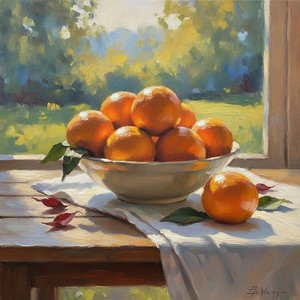
Sun-Drenched Citrus: The Vibrant Beauty of Oranges in Impressionist Masterpieces
Embark on a sensory journey through Impressionist masterpieces. Discover how Renoir and Cézanne captured the vibrant light and luscious textures of sun-drenched oranges in exquisite still life paintings designed to inspire and transform your home.

Modern Soul, Timeless Light: Bringing the Magic of Impressionist Masterpieces into Contemporary Interiors
Discover how to infuse contemporary spaces with the luminous magic of Impressionism. From Monet's light to Renoir's warmth, learn expert tips for styling hand-painted masterpieces and custom art reproductions in your modern home.

The Luminous Hallway: Transforming Your Home with the Ethereal Magic of Impressionist Masterpieces
Transform your hallways with the luminous beauty of Impressionist masterpieces. Discover expert tips on selecting Monet-inspired palettes and multi-panel landscapes to create a breathtaking, light-filled gallery walk in your home. Elevate your space with timeless, hand-painted elegance.
Entdecken Sie Kunstwerke, die nach Themen, Stilen und Merkmalen sortiert sind.


