


 In echtem Maßstab anzeigen
 Versenden als Grußkarte
 Teilen
 Details anzeigen
 Leitfaden öffnen

 Herunterladen
 Ähnliche Objekte
 Röntgenaufnahme
 Diashow
 Besucherstatistiken
CORNELIE, MERE DE GRACQUES


Experience the timeless beauty of Joseph Suvée's 'Cornelia, Mother of the Gracchi.' This Neoclassical masterpiece captures Roman family life with exquisite detail and serene elegance.
 Mehr anzeigen
Joseph-Benoît Suvée (1743-1807) war ein flämischer Maler der Neoklassik. Bekannt für historische und mythologische Szenen, verkörpern Werke wie 'Cornelia, Mutter der Gracchi' die akademische Kunst des 18./19. Jahrhunderts.
Giclée / Kunstdruck
Giclée- oder Leinwanddruck in Museumsqualität mit schneller Produktion und flexiblen Veredelungsoptionen. ( Handgemalte Reproduktion kaufen Zum digitalen Bild wechseln)




P118B €10

P118H €10

P118W €10

P438Z €10

P508JH €12

P508YH €12

P805H €10

P805Z €10

P919BZ €10

P919G €10

P919XJ €10

P959ZH €10

P968JZ €12

W106C €8

W218G €10

W218JH €8

W218Y €10

W307PJ €10

W316G €10

W316PJ €8

W316Y €10

W398PJ €8

W4111J €10

W500HY €15

W500JH €15

W692G €12

W849H €8

W940BG €15

W953PJ €8




Standardformat
individuell anpassbar
CM
INCH
Wählen Sie aus unseren vordefinierten Formaten, die den ursprünglichen Proportionen des Kunstwerks entsprechen.
Loading sizes...

Breite
Höhe
Geben Sie die Breite und die Höhe an, die Sie benötigen, damit der Druck perfekt in Ihren Rahmen oder an Ihre Wand passt. Ein Druck kann nur beschnitten werden und niemals größer als das Originalbild gemacht werden; daher verliert ein Format mit einer anderen Proportion einen Teil des Bildes. Wir senden Ihnen ein digitales Mockup zur Freigabe, bevor wir den Druck ausführen. Das auf dieser Seite gezeigte Bild zeigt nicht den tatsächlichen Beschnitt – dies ist nur im Mockup ersichtlich.
Weltweiter Versand () innerhalb von 2 Wochen statt der üblichen 4/5 Wochen. (24 Oktober)

Kostenloser weltweiter Expressversand

Hochwertige Leinenleinwand

Vollständiger Versicherungsschutz beim Versand

Zollgebühren-Rückerstattungsgarantie

Garantie für exakte Farbtreue

100-tägiges Rückgaberecht (nur bei Mängeln)

100% Geld-zurück-Garantie

Angebot für Mengenrabatt
 Die Glasoption ist nur für Größen unter 110 cm verfügbar.

CORNELIE, MERE DE GRACQUES
Giclée / Kunstdruck
Format der Reproduktion
-


Gesamtpreis
€ 61
Cornelia, Mother of the Gracchi – A Neoclassical Portrait of Roman Dignity
The painting “Cornelia, Mother of the Gracchi,” attributed to Joseph-Benoît Suvée, is more than just a portrait; it’s a carefully constructed tableau vivant, a window into the idealized world of late 18th-century Neoclassicism. Executed around 1795, this work captures a pivotal moment – Cornelia, the formidable mother of the celebrated Roman brothers Tiberius and Gaius Gracchus, imparting wisdom and guidance to her children. The scene unfolds within a meticulously rendered interior, reminiscent of a Roman villa or atrium, subtly hinting at both classical grandeur and domestic intimacy. Suvée’s masterful handling of light, color, and composition elevates this depiction beyond simple representation, imbuing it with an enduring sense of dignity, maternal love, and the weight of Roman history.Composition and Style – Echoes of Antiquity
Suvée’s approach is firmly rooted in the Neoclassical movement, a reaction against the excesses of the Rococo style. The composition adheres to strict principles of symmetry and balance, mirroring the order and rationality prized by the classical world. A central grouping dominates the foreground: Cornelia, seated with an air of serene authority, faces her two sons. Their postures are attentive, suggesting a receptive audience to her words. Architectural elements – arches, columns, and statues – frame the scene, creating a sense of depth and reinforcing the connection between the domestic interior and the broader Roman landscape. The painting’s overall effect is one of controlled elegance, reflecting the movement's emphasis on clarity, restraint, and idealized forms. The influence of artists like Nicolas Poussin and Claude Lorrain, masters of historical and mythological scenes, is readily apparent in Suvée’s careful attention to perspective and his ability to evoke a sense of timelessness.Technique – The Brushstroke as a Language
Suvée's technical skill is evident in the meticulous detail with which he renders every element of the scene. He employs a smooth, polished technique, characteristic of oil painting on canvas, achieved through careful blending and layering of colors. Note the subtle variations in brushstrokes – the rougher texture applied to the stone walls contrasts sharply with the smoother surfaces of the figures’ clothing and faces. This textural contrast not only adds visual interest but also contributes to the sense of depth and realism within the composition. The use of light is particularly noteworthy, creating a diffused illumination that highlights key features while casting subtle shadows, adding volume and dimension to the forms. The artist's ability to capture the nuances of fabric – the folds of Cornelia’s gown, the texture of her children’s clothing – speaks volumes about his observational skills and technical mastery.Symbolism and Historical Context – A Mother’s Legacy
“Cornelia, Mother of the Gracchi” is not merely a portrait; it's a carefully orchestrated symbol of Roman virtue and maternal authority. Cornelia’s pose—seated with her hands resting gracefully on her lap—evokes images of ancient Roman matrons, revered for their piety, wisdom, and dedication to family. The presence of the statues in the background further reinforces this connection to antiquity, suggesting that Cornelia embodies a lineage of noble women who have shaped the course of Roman history. The Gracchi brothers themselves were figures of immense historical significance – reformers who challenged the established order and ultimately met violent ends. By depicting Cornelia as their devoted mother, Suvée subtly elevates her status, portraying her as a guardian of Roman values and a source of strength for her sons. The painting was created during the tumultuous years of the French Revolution, when ideals of republicanism and civic virtue were being fiercely debated. Cornelia’s image resonated with those seeking to reclaim the legacy of classical Rome as a model for a just and equitable society.Emotional Impact – A Portrait of Enduring Strength
Despite its historical context, “Cornelia, Mother of the Gracchi” transcends mere representation to evoke a profound sense of emotional resonance. The painting’s serene atmosphere, combined with Cornelia's dignified expression, conveys an enduring message of maternal love, wisdom, and resilience. The scene suggests a quiet moment of connection between mother and children—a testament to the power of familial bonds. It is a portrait that invites contemplation on themes of legacy, virtue, and the enduring influence of individuals who shape the course of history. The painting’s timeless quality ensures its continued appeal as a powerful symbol of maternal strength and Roman ideals.Fragen & Antworten
Wie kann ich eine Reproduktion von "CORNELIE, MERE DE GRACQUES" von Joseph-Benoît Suvée in der Vorschau ansehen?
Eine Vorschau von "CORNELIE, MERE DE GRACQUES" von Joseph-Benoît Suvée ist auf der Vorschau-Seite des Kunstwerks verfügbar.
Wie stehen die Farben von "CORNELIE, MERE DE GRACQUES" zueinander?
Die Farben von "CORNELIE, MERE DE GRACQUES" von Joseph-Benoît Suvée zeigen eine Strong Color Unity Harmonie. Harmonie beschreibt, wie die Farben zueinander in Beziehung stehen.
Wo kann ich eine digitale Abbildung von "CORNELIE, MERE DE GRACQUES" von Joseph-Benoît Suvée kaufen?
"CORNELIE, MERE DE GRACQUES" ist als ein hochauflösender digitaler Bild-Download erhältlich, direkt über die Seite Digitales Bild.
Ähnliche Kunstwerke


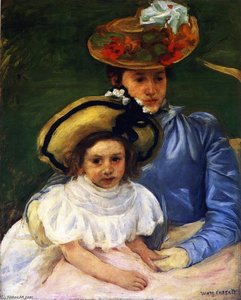


Biografie des Künstlers
Fra Galgario: Ein venezianischer Meister des Rokoko
Giuseppe Vittore Ghislandi, besser bekannt als Fra’ Galgario (1655-1743), war eine prägende Gestalt in der lebendigen Kunstlandschaft des Bergamo des 18. Jahrhunderts. Sein Leben und sein Schaffen repräsentieren ein faszinierendes Zusammenfließen verschiedener Einflüsse – von den etablierten Traditionen der venezianischen Malerei bis hin zum aufstrebenden Rokoko-Stil, der ganz Europa erfasste, allesamt gefiltert durch seine einzigartige Perspektive als Franziskanermönch und hingebungsvoller Porträtist. Geboren in eine Familie, die tief im künstlerischen Erbe verwurzelt war, insbesondere im Bereich der Quadratura (der illusionistischen Deckenmalerei), legte Fra’ Galgarios frühe Ausbildung den Grundstein für eine Karriere, die ihn letztlich als einen Meister auszeichnen sollte, der die Eleganz und Intimität der menschlichen Form meisterhaft einzufangen wusste. Seine prägenden Jahre verbrachte er vorwiegend in Bergamo unter der Anleitung von Giacomo Cotta und Bartolomeo Bianchi, wobei er die Techniken und die Ästhetik der lokalen Künstlergemeinschaft in sich aufnahm. Seine Entscheidung, dem Orden der Minim in Venedig beizutreten, markierte jedoch einen bedeutenden Wendepunkt; sie versetzte ihn in eine kontemplative Umgebung und verschaffte ihm gleichzeitig Zugang zu einem der dynamischsten Kunstzentren Europas. Diese duale Existenz – ein religiöses Leben, unterbrochen von künstlerischen Bestrebungen – prägte seinen malerischen Ansatz und verlieh seinem Werk eine stille Würde sowie eine tiefe Wertschutzes für die Subtilitäten menschlicher Interaktion. In der Zeit zwischen 1675 und 1688 arbeitete er im Atelier von Sebastiano Bombelli, einem renommierten venezianischen Maler, der für seine dramatischen Kompositionen und den meisterhaften Einsatz von Licht und Schatten bekannt war. Diese Verbindung erwies sich als unschätzbar wertvoll, da sie Galgario mit den neuesten Trends und Techniken der venezianischen Kunstwelt vertraut machte. Galgarios Stil zeichnet sich durch ein bemerkenswertes Gleichgewicht zwischen klassischer Zurückhaltung und der Üppigkeit des Rokoko aus. Er verband geschickt Elemente der venezianischen Schule – insbesondere deren Fokus auf reiche Farbpaletten und detailgetreue Beobachtung – mit den verspielteren und dekorativeren Tendenzen der Rokoko-Bewegung. Seine Porträts sind besonders für ihre psychologische Tiefe und ihre Fähigkeit, ein Gefühl stiller Betrachtung zu vermitteln, bemerkenswert. Werke wie Lodovico Rota (beherbergt im Budapest Museum of Fine Arts) demonstrieren dies perfekt, indem sie ein komplexes Zusammenspiel von formaler Eleganz und intimer Emotion zeigen. Die Komposition ist prachtvoll und aristokratisch, was den Status des Dargestellten widerspiegelt, doch Galgarios Spiel mit Licht und Schatten erzeugt eine Intimität, die den Betrachter förmlich in die Szene hineinzieht. Ähnlich offenbart das Wirtshausschild (in der Accademia Carrara in Bergamo) sein Interesse daran, das alltägliche Leben mit einem scharfen Auge für Details und einem subtilen Bewusstsein für zeitgenössische Trends einzufangen – ein deutlicher Einfluss von Salomon Adler, der zu jener Zeit in Venedig tätig war.Der Einfluss von Nicolas Lancret und darüber hinaus
Obwohl Fra’ Galgario innerhalb einer ausgeprägten venezianischen Tradition wirkte, war er zweifellos von breiteren europäischen Kunstströmungen beeinflusst. Nicolas Lancret (1690-1743), ein zeitgenössischer französischer Maler, der für seine Fêtes galantes – Szenen aristokratischer Muße und Romantik – bekannt ist, versinnbildlicht diesen Einfluss. Lancrets Betonung von Unbeschwertheit, eleganten Kostümen und idyllischen Schauplätzen fand in Galgarios eigenem Ansatz der Porträtmalerei eine Resonanz. Dennoch bewahrt Galgarios Werk eine gewisse Feierlichkeit und Beherrschung, die es von Lancrets eher offensichtlich frivolen Stil unterscheidet. Die sorgfältige Aufmerksamkeit für das Detail, die subtilen Nuancen des Ausdrucks und das tiefe Gefühl von Würde in Galgarios Porträts spiegeln seine klösterliche Erziehung und seine tiefe Wertschätzung für den menschlichen Charakter wider. Darüber hinaus zeugt Galgarios Werk von einem anspruchsvollen Verständnis der Kunstgeschichte. Die Grandiosität von Lodovico Rota lässt die Werke von Giovanni Battista Moroni nachhallen, während die räumliche Komplexität von Marchese Giuseppe Maria Rota und Capitano Brinzago ein Bewusstsein für die Innovationen venezianischer Meister wie Claude Lorrain und Nicolas Poussin offenbart. Diese Fähigkeit, vielfältige Einflüsse zu einem kohärenten und originellen Stil zu synthetisieren, ist das Markenzeichen von Galgarios künstlerischem Erfolg.Nicolai Abildgaard: Eine parallele Reise
Die Geschichte von Fra’ Galgario weist faszinierende Parallelen zur des dänischen neoklassizistischen Malers Nicolai Abildgaard (1743-1809) auf, der, genau wie Galgario, auf der Suche nach künstlerischer Exzellenz nach Rom reiste. Beide Künstler suchten Inspiration in den klassischen Traditionen der Antike und setzten dramatische Lichtführung und Komposition ein, um kraftvolle Emotionen zu vermitteln. Abildgaards Fokus auf historische Themen und seine akribische Detailgenauigkeit spiegelten Galgarios eigenen Ansatz wider und unterstrichen das gemeinsame Bestreben, die Essenz der menschlichen Erfahrung durch meisterhafte Technik einzufangen. Während Abildgaard letztlich ein königlicher Maler in Dänemark wurde, bekannt für seine großen historischen Szenen, blieb Galgario den Traditionen von Bergamo treu und schuf ein Werk, das die Betrachter bis heute mit seiner stillen Schönheit und tiefen psychologischen Einsicht fesselt.Vermächtnis und historische Bedeutung
Das Erbe von Fra’ Galgario liegt nicht nur in der Qualität seiner einzelnen Werke, sondern auch in seinem Beitrag zur künstlerischen Entwicklung Bergamos im 18. Jahrhundert. Er half dabei, die Stadt als Zentrum der Porträtmalerei zu etablieren, zog wohlhabende Mäzene an und förderte eine lebendige Künstlergemeinschaft. Seine Gemälde bieten wertvolle Einblicke in das soziale und kulturelle Leben jener Epoche und gewähren einen Blick in die Welt aristokratischer Familien und religiöser Institutionen. Trotz seines im Leben eher bescheidenen Ruhmes wird das Werk von Fra’ Galgario in den letzten Jahren zunehmend für seinen künstlerischen Wert und seine historische Bedeutung anerkannt. Seine Porträts stehen als Zeugnisse der beständigen Kraft menschlicher Verbindung und der zeitlosen Schönheit des Rokoko-Stils.
Joseph-Benoît Suvée
1743 - 1807 , Belgien
Eckdaten zum Künstler
- Bemerkenswerte Kunstwerke:
- Christiansborg-Fries
- Fredensborg-Saal
- Levetzau-Treppenhaus
- Geburtsdatum: 11. September 1743
- Geburtsort: Kopenhagen, Dänemark
- Künstler, Die Diesen Künstler Beeinflussten:
- Mandelberg
- Wiedewelt
- Claude Lorrain
- Nicolas Poussin
- Künstlerische Bewegung Oder Stil: Neoklassizismus, Historienmalerei
- Nationalität: Dänisch
- Sterbedatum: 4. Juni 1809
- Vollständiger Name: Nicolai Abraham Abildgaard
- Von Diesem Künstler Beeinflusste Künstler Oder Bewegungen: ['Königliche Dänische Akademie']
Verwandte Artikel

The Elegance of Neoclassicism: Rediscovering Order, Balance, and Timeless Beauty in Fine Art
Explore the timeless elegance of Neoclassicism. Discover how order, balance, and classical ideals shaped art history through masterful sculptures and paintings, offering inspiration for collectors seeking sophisticated, enduring beauty in fine art.

The Elegance of Neoclassicism: Rediscovering Order, Logic, and Timeless Beauty in Art History
Explore the profound elegance of Neoclassicism. Discover how the Enlightenment era replaced Rococo excess with the timeless beauty, order, and logic of Greco-Roman antiquity through masterfully rendered art and enduring classical ideals.
Neoclassicism Unveiled: Discovering the Timeless Elegance and Rational Order of Classical Art
Unveil the timeless elegance of Neoclassicism. Journey through an era defined by reason, order, and the revival of Greco-Roman ideals. Our expert exploration offers a sophisticated look at the transition from Rococo excess to classical precision for the true art enthusiast.
Entdecken Sie Kunstwerke, die nach Themen, Stilen und Merkmalen sortiert sind.


