Vorschau anzeigen
 Versenden
 Teilen
 Details anzeigen
 Leitfaden

 Herunterladen
 Ähnliche Objekte
 Röntgenaufnahme
 Diashow
 Q&A
Q&A Statistiken
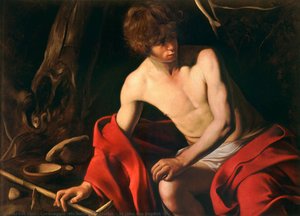
Unbetitelte Darstellung Nr. 1108

Ein beeindruckendes Gemälde von Caravaggio! Diese religiöse Szene zeigt eine Frau im Geburtskampf und zwei Männer im Gespräch, illuminiert durch dramatische Lichtführung und tiefschürfende Schatten – ein Meisterwerk des Barock.
 Weiterlesen
Erkunden Sie Karavaggio (1571-1610): Meister der Barockzeit und des Realismus & der Tenebrismus. Dramatische religiöse Szenen, intensive Chiaroscuro und ein revolutionärer Stil, der Rubens und Rembrandt beeinflusste.
Giclée / Kunstdruck
Giclée- oder Leinwanddruck in Museumsqualität mit schneller Produktion und flexiblen Veredelungsoptionen. ( Handgemalte Reproduktion bestellen Zum digitalen Bild wechseln)




P118B €10

P118H €10

P118W €10

P438Z €10

P508JH €12

P508YH €12

P805H €10

P805Z €10

P919BZ €10

P919G €10

P919XJ €10

P959ZH €10

P968JZ €12

W106C €8

W218G €10

W218JH €8

W218Y €10

W307PJ €10

W316G €10

W316PJ €8

W316Y €10

W398PJ €8

W4111J €10

W500HY €15

W500JH €15

W692G €12

W849H €8

W940BG €15

W953PJ €8




Standardformat
individuell anpassbar
CM
INCH
Wählen Sie aus unseren vordefinierten Formaten, die den ursprünglichen Proportionen des Kunstwerks entsprechen.
Loading sizes...

Breite
Höhe
Geben Sie die benötigte Breite und Höhe an, damit der Druck perfekt in Ihren Rahmen oder an Ihre Wand passt. Ein Druck kann nur beschnitten, aber niemals größer als das Originalbild angefertigt werden; daher verliert ein Format mit anderen Proportionen einen Teil des Bildes. Wir senden Ihnen ein digitales Mockup zur Freigabe, bevor wir den Druck ausführen. Das auf dieser Seite gezeigte Bild zeigt nicht den tatsächlichen Beschnitt – dies ist nur im Mockup ersichtlich.
Weltweiter Versand () innerhalb von 2 Wochen statt der üblichen 4/5 Wochen. (30 Oktober)

Kostenloser weltweiter Expressversand

Hochwertige Leinenleinwand

Umfassender Versicherungsschutz beim Versand

Zollgebühren-Rückerstattungsgarantie

Garantie für exakte Farbtreue

100 Tage Rückgaberecht (nur bei Mängeln)

100% Geld-zurück-Garantie

Mengenrabatt verfügbar
 Die Glasoption ist nur für Größen unter 110 cm verfügbar.

Unbetitelte Darstellung Nr. 1108
Giclée / Kunstdruck
Format der Reproduktion
-


Endpreis
€ 61
A Dramatic Encounter with Faith: Analyzing Caravaggio’s Untitled (1108)
Caravaggio's “Untitled (1108)” stands as a cornerstone of Baroque art, embodying the movement’s obsession with dramatic realism and masterful manipulation of light – tenebrism – to heighten emotional impact. Painted circa 1605-1606, this monumental canvas depicts a scene of profound religious significance: a woman in labor, accompanied by two men, under the watchful gaze of angelic figures. The painting’s power resides not merely in its depiction of childbirth but in Caravaggio's audacious artistic choices that elevate it beyond a simple narrative illustration.- Subject Matter & Narrative: At first glance, the scene portrays a woman undergoing childbirth, a common motif within Christian iconography representing divine grace and redemption. However, Caravaggio eschews idealized representations; instead, he presents an unflinching portrayal of human vulnerability and suffering. The figures are positioned in stark contrast—the woman lies prone on her side, illuminated by a single shaft of light that emphasizes her agony, while the men stand behind her, engaged in hushed conversation, reflecting upon the momentous occasion.
- Style & Technique: Tenebrism Caravaggio’s signature technique – tenebrism – dominates the composition. This dramatic chiaroscuro style employs extreme contrasts between light and dark, creating a theatrical atmosphere that draws the viewer's eye directly to the central figure. The intense illumination highlights the woman’s face and torso, casting the surrounding figures into deep shadow, amplifying the sense of drama and conveying an overwhelming feeling of urgency. Caravaggio achieved this effect through meticulous layering of glazes and impasto, resulting in a surface texture that is palpable and contributes significantly to the painting's emotional resonance.
- Historical Context: Painted during Caravaggio’s Roman period—a time marked by papal patronage and artistic experimentation—the artwork reflects the broader cultural preoccupation with religious fervor and moral contemplation prevalent in Baroque Europe. Caravaggio’s work aligns with the movement’s desire to depict biblical narratives with visceral realism, rejecting Mannerist conventions that prioritized elegance and abstraction. It was a deliberate reaction against the perceived artificiality of earlier styles, asserting instead the primacy of observation and emotional truthfulness.
- Symbolism: The angelic figures positioned in the upper left corner serve as symbols of divine compassion and protection—a reassurance to the woman undergoing labor. Their serene presence juxtaposes sharply with the turbulent emotions conveyed by the human characters, underscoring the tension between earthly suffering and spiritual solace. Furthermore, the positioning of the men suggests contemplation on faith and duty, highlighting the importance of moral considerations within religious experience.
- Emotional Impact: “Untitled (1108)” transcends mere representation; it evokes a profound emotional response in the viewer. Caravaggio’s masterful use of light and shadow compels attention, immersing the audience in the immediacy of the scene. The woman's expression embodies both pain and acceptance—a testament to human resilience in the face of adversity. Ultimately, the painting speaks to universal themes of birth, faith, and compassion, leaving a lasting impression on anyone who encounters its dramatic beauty.
A reproduction of this masterpiece offers an opportunity to experience Caravaggio’s unparalleled artistic vision—a captivating glimpse into the heart of Baroque art.
Fragen & Antworten
Welche Leuchtkraft weist "Unbetitelte Darstellung Nr. 1108" von Karavaggio auf?
Die für "Unbetitelte Darstellung Nr. 1108" von Karavaggio aufgezeichnete Luminanz beträgt Dunkel.
Wer hat "Unbetitelte Darstellung Nr. 1108" geschaffen?
"Unbetitelte Darstellung Nr. 1108" wurde von Karavaggio geschaffen. Die Informationen auf dieser Seite beschreiben das Originalwerk von Karavaggio.
Welche Druckgröße wird für "Unbetitelte Darstellung Nr. 1108" empfohlen?
Für "Unbetitelte Darstellung Nr. 1108" von Karavaggio wird eine Reproduktion im Format Großformatig empfohlen. Die Größe kann angepasst werden, wobei die Proportionen erhalten bleiben.
Künstlerbiografie
Michelangelo Merisi da Caravaggio: Leben und Vermächtnis
Frühes Leben und Ausbildung (1571-1592)
- Michelangelo Merisi da Caravaggio, bekannt als einfach nur Caravaggio, wurde 1571 in Mailand geboren.
- Seine Familie zog aufgrund einer verheerenden Pest, die Mailand heimsuchte, in die Stadt Caravaggio.
- Nach dem Tod seines Vaters und Großvaters im Jahr 1577 lebte Caravaggios Mutter mit ihren fünf Kindern in Armut.
- Im Jahr 1584 begann er eine vierjährige Lehre bei Simone Peterzano, einem Maler, der Schüler von Tizian gewesen war. Diese grundlegende Ausbildung vermittelte ihm die Techniken der Renaissance-Malerei.
Künstlerische Karriere und Stil (1592-1610)
- Caravaggios künstlerische Karriere blühte in Rom, wo er um 1592 eintraf. Zunächst hatte er Schwierigkeiten, Anerkennung zu finden, etablierte sich aber schnell mit seinem innovativen Stil.
- Seine herausragendste Eigenschaft war seine meisterhafte Verwendung von Chiaroscuro, dem dramatischen Kontrast zwischen Licht und Dunkelheit. Diese Technik, oft als Tenebrism bezeichnet, wurde zu einer Markenzeichen der Barockmalerei.
- Er lehnte idealisierte Formen ab und setzte stattdessen auf realistische Darstellungen, indem er oft gewöhnliche Menschen als Modelle für religiöse Figuren verwendete.
- Caravaggios Gemälde sind bekannt für ihre intensive emotionale Realität und dramatische Erzählweise.
Wichtige Werke
- Die Wahrsagerin (1594): Ein frühes Werk, das seinen realistischen Stil und seine Detailgenauigkeit zeigt.
- Das Abendmahl zu Emmaus (1601-1602): Eine kraftvolle Darstellung der biblischen Szene, die seine Meisterschaft im Chiaroscuro und seine emotionale Intensität demonstriert.
- Heiliger Franz von Assisi in Ekstase (1594): Veranschaulicht seine Fähigkeit, spirituelle Erfahrungen durch realistische Bilder auszudrücken.
- Die Absetzung Christi (ca. 1602): Eine dramatische Komposition, die Verrat und Gefangennahme Jesu hervorhebt.
- David mit dem Kopf des Goliath (ca. 1610): Ein psychologisch komplexes Porträt des biblischen Helden.
Einflüsse und künstlerische Entwicklung
- Caravaggio war von den Werken der Renaissance-Meister wie Tizian, Leonardo da Vinci und Michelangelo beeinflusst, die er während seiner Ausbildung studierte.
- Er ging vom vorherrschenden Manierismus ab und übernahm einen direkteren und naturalistischen Ansatz in der Malerei.
- Seine Verwendung von Licht und Schatten wurde von künstlerischen Traditionen sowie dem im römischen Theater üblichen Bühnenlicht inspiriert.
Wichtige Leistungen und historische Bedeutung
- Caravaggio revolutionierte die Barockmalerei mit seinem dramatischen Realismus, seiner innovativen Verwendung von Chiaroscuro und seinen emotional aufgeladenen Kompositionen.
- Er inspirierte eine Generation von Künstlern, die sogenannten “Caravaggisti” oder “Schattenmalern”, die seinen Stil in ganz Europa übernahmen. Bekannte Anhänger sind Peter Paul Rubens, Jusepe de Ribera und Gerrit van Honthorst.
- Sein Werk stellte künstlerische Konventionen in Frage und ebnete den Weg für einen moderneren Ansatz in der Malerei.
- Trotz eines turbulenten Privatlebens, das von Gewalt und rechtlichen Schwierigkeiten geprägt war, bleibt Caravaggios künstlerisches Vermächtnis tiefgreifend und dauerhaft.
Spätes Leben und Tod
- Im Jahr 1606 floh Caravaggio aus Rom, nachdem er in einer Schlägerei einen Mann getötet hatte. Er verbrachte die nächsten Jahre damit, zwischen Neapel, Malta und Sizilien zu wandern.
- Er suchte eine päpstliche Amnestie, wurde aber weiterhin mit rechtlichen Schwierigkeiten und persönlichen Konflikten konfrontiert.
- Caravaggio starb 1610 in Porto Ercole, Italien, unter mysteriösen Umständen. Der Todesursache ist bis heute umstritten, wobei Theorien von Fieber bis Vergiftung reichen.

Karavaggio
1571 - 1610 , Spanien
Kurzinfos
- Beeinflusste Künstler:
- Peter Paul Rubens
- Jusepe de Ribera
- Gerrit van Honthorst
- Bemerkenswerte Werke:
- Die Wahrsagerin
- Das Abendmahl zu Emmaus
- Heiliger Franziskus in Ekstase
- Die Absetzung Christi
- David mit dem Kopf des Goliath
- Geburtsdatum: 1571
- Geburtsort: Mailand, Spanien
- Künstlerische Bewegung: Barockmalerei
- Künstlerische Einflüsse:
- Simone Peterzano
- Tizian
- Leonardo da Vinci
- Michelangelo
- Nationalität: Italienisch
- Todatum: 1610
- Vollständiger Name: Michelangelo Merisi da Caravaggio
Ähnliche Artikel

The Drama of Light: Capturing Emotion and Spiritual Fervor in Baroque Portraiture
Explore the breathtaking drama of Baroque portraiture. Discover how masters like Caravaggio used chiaroscuro to capture profound emotion, spiritual fervor, and psychological depth through the revolutionary interplay of light and shadow.

Drama and Light: Discover the Captivating Grandeur of Baroque Art
Immerse yourself in the dramatic splendor of Baroque art. Explore the profound impact of light, shadow, and the Counter-Reformation through an expert historical lens, celebrating the masters who defined an era of unparalleled grandeur and emotional intensity.
Entdecken Sie Kunstwerke, die nach Themen, Stilen und Merkmalen sortiert sind.