Vorschau anzeigen
 Versenden
 Teilen
 Details anzeigen
 Leitfaden

 Herunterladen
 Ähnliche Objekte
 Röntgenaufnahme
 Diashow
 Fragen & Antworten
 Statistiken
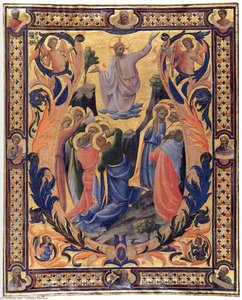
Antiphonary (Cod. Cor. 7, folio 124v)

- 315.0 x 265.0 cm


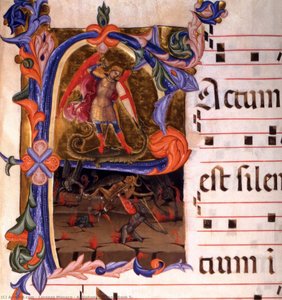
Admire Lorenzo Monaco's masterpiece – Antiphonary (Cod. Cor. 7, folio 124v) – a stunning example of Florentine Gothic to Renaissance illumination featuring Christ judging humanity amidst a desolate landscape.
 Weiterlesen
Entdecken Sie Lorenzo Monaco (1370-1425), einen Sieneser Maler, der gotische Eleganz mit frührenaissance Innovation verbindet. Erleben Sie illuminierten Handschriften & spirituelle Kunst!
Giclée / Kunstdruck
Giclée- oder Leinwanddruck in Museumsqualität mit schneller Produktion und flexiblen Veredelungsoptionen. ( Handgemalte Reproduktion bestellen Zum digitalen Bild wechseln)




P118B €10

P118H €10

P118W €10

P438Z €10

P508JH €12

P508YH €12

P805H €10

P805Z €10

P919BZ €10

P919G €10

P919XJ €10

P959ZH €10

P968JZ €12

W106C €8

W218G €10

W218JH €8

W218Y €10

W307PJ €10

W316G €10

W316PJ €8

W316Y €10

W398PJ €8

W4111J €10

W500HY €15

W500JH €15

W692G €12

W849H €8

W940BG €15

W953PJ €8




Standardformat
individuell anpassbar
CM
INCH
Wählen Sie aus unseren vordefinierten Formaten, die den ursprünglichen Proportionen des Kunstwerks entsprechen.
Loading sizes...

Breite
Höhe
Geben Sie die benötigte Breite und Höhe an, damit der Druck perfekt in Ihren Rahmen oder an Ihre Wand passt. Ein Druck kann nur beschnitten, aber niemals größer als das Originalbild angefertigt werden; daher verliert ein Format mit anderen Proportionen einen Teil des Bildes. Wir senden Ihnen ein digitales Mockup zur Freigabe, bevor wir den Druck ausführen. Das auf dieser Seite gezeigte Bild zeigt nicht den tatsächlichen Beschnitt – dies ist nur im Mockup ersichtlich.
Weltweiter Versand () innerhalb von 2 Wochen statt der üblichen 4/5 Wochen. (7 November)

Kostenloser weltweiter Expressversand

Hochwertige Leinenleinwand

Umfassender Versicherungsschutz beim Versand

Zollgebühren-Rückerstattungsgarantie

Garantie für exakte Farbtreue

100 Tage Rückgaberecht (nur bei Mängeln)

100% Geld-zurück-Garantie

Mengenrabatt verfügbar
 Die Glasoption ist nur für Größen unter 110 cm verfügbar.

Antiphonary (Cod. Cor. 7, folio 124v)
Giclée / Kunstdruck
Format der Reproduktion
-


Endpreis
€ 62
A Vision from the Threshold of Eras
To stand before Lorenzo Monaco's Antiphonary (Cod. Cor. 7, folio 124v) is to witness a moment suspended between worlds—a breathtaking confluence where the luminous spirituality of the Gothic tradition gracefully yields to the nascent intellectualism of the Renaissance. This magnificent illumination, dating from 1406, is far more than mere decoration; it is a profound theological narrative rendered in exquisite pigment and gold. The scene captures a gathering imbued with palpable spiritual energy. At its heart sits a central figure, robed in deep blue, his hands raised in an attitude of address or benediction, perhaps holding the symbolic resonance of a pipe or trumpet—an instrument that calls souls to attention. Surrounding him, other figures are depicted in various states of repose and engagement, their gazes suggesting rapt attention or quiet contemplation.
The Hand of Lorenzo Monaco: Bridging Styles
Lorenzo Monaco himself embodies the transitional genius of his time. Trained initially within the vibrant artistic currents of Florence, he absorbed the narrative power of masters like Giotto, yet his later life as a monk imbued his work with an unparalleled sense of introspection. This Antiphonary showcases this very tension: the rich, detailed storytelling characteristic of late Gothic manuscript illumination remains, but there is already a burgeoning naturalism and psychological depth hinting at the Quattrocento's embrace of human experience. The composition feels both highly formalized—befitting its function as an illuminated liturgical book—and deeply personal, drawing the viewer into the emotional currents passing between the figures.
Symbolism Woven in Pigment
The very nature of an antiphonary suggests a connection to sacred music and divine utterance. The blue robes often carry connotations of heavenly grace or profound mystery, anchoring the central drama. The interaction depicted—the main figure addressing the assembled group—speaks volumes about spiritual pedagogy or divine judgment, themes that permeated devotional art of this period. Every gesture, from the raised hands to the attentive postures of the onlookers, is carefully calibrated by Monaco’s hand to guide the viewer's understanding toward a singular, elevated truth. The ornate border itself acts as a visual frame for eternity, containing this sacred moment within an object meant for perpetual use.
A Legacy for Modern Adoration
For the collector or designer seeking art that speaks of deep history and enduring spiritual resonance, this piece offers unparalleled depth. While its original scale (315 x 265 cm) commands monumental presence, reproductions allow one to bring this sublime narrative into a contemporary setting. Owning an echo of Monaco’s genius is not merely acquiring decoration; it is curating a focal point steeped in the intellectual fervor and spiritual yearning of the early Italian Renaissance. It invites quiet study, contemplation, and conversation about the enduring power of faith rendered visible.
Fragen & Antworten
Welche Größe wird für "Antiphonary (Cod. Cor. 7, folio 124v)" in einem Wohnbereich empfohlen?
Die ideale Kombination für "Antiphonary (Cod. Cor. 7, folio 124v)" von Lorenzo Monaco: ein Druck im Format Großformatig für einen Wohnbereich.
Wie intensiv sind die Farben von "Antiphonary (Cod. Cor. 7, folio 124v)" von Lorenzo Monaco?
Die Farbsättigung von „Antiphonary (Cod. Cor. 7, folio 124v)“ ist Ausgewogen. Die Intensität beschreibt, wie kräftig die Farben wirken.
Kann ich Augmented Reality nutzen, um "Antiphonary (Cod. Cor. 7, folio 124v)" von Lorenzo Monaco in meinem Raum zu sehen?
„Antiphonary (Cod. Cor. 7, folio 124v)“ verfügt über eine Augmented-Reality-Vorschau: Die AR-Vorschau-Seite des Kunstwerks zeigt es auf einem kompatiblen Gerät in Ihrem eigenen Raum.
Künstlerbiografie
Frühes Leben und Ausbildung
- Geboren: Siena, Italien (ca. 1370)
- Gestorben: ca. 1425
- Über Lorenzo Monacos frühes Leben ist wenig bekannt, außer dass er in Florenz eine Lehre absolvierte.
- Er wurde von den Werken Giottos und seinen Anhängern Spinello Aretino und Agnolo Gaddi beeinflusst. Diese Erfahrungen prägten seine künstlerische Entwicklung.
Künstlerisches Schaffen und Stil
- Im Jahr 1390 trat Lorenzo dem Camaldenserkloster Santa Maria degli Angeli bei und wurde als "Laurentius der Mönch" bekannt.
- Seine frühen Werke (1390er Jahre) zeigen einen starken Einfluss des Internationalen Gotischen Stils, zusammen mit Einflüssen von Lorenzo Ghiberti und Gherardo Starnina.
- Monacos Stil ist gekennzeichnet durch:
- Spannte Linearität
- Anfänglich eine kalte Farbpalette
- Später die Übernahme von Elementen des Internationalen Gotischen Stils
- Lange Figuren mit geschwungenen Gewändern
- Scharfe Kanten und leuchtende Farben (Gold und Lapislazuli)
- Angedeutete Gesten und ein minimiertes Raumgefühl
- Er stellte konsequent Bilder mit starkem spirituellen Wert dar, oft losgelöst vom Realismus.
Hauptwerke
- Pietà: Im Galleria dell'Accademia in Florenz ausgestellt – Zeigt nervöse Linien und emotionale Spannung.
- Krönung der Jungfrau: Jetzt im Uffizien – Enthält eine große Anzahl von Heiligen mit geschwungenen Formen und leuchtenden Farben.
- Monteoliveto-Altarbild: In der Galleria dell'Accademia – Zeigt eine Spiritualität, die an Fra Angelico erinnert.
- Anbetung der Könige (1420–1422): Die Vereinfachungen wirken surreal aufgrund des Fehlens geometrischer Perspektive, behalten aber eine hohe bildliche Qualität bei.
- Geschichten der Jungfrau in der Bartolini Salimbeni Kapelle: Eines seiner wenigen Fresken.
Einflüsse und Vermächtnis
- Monacos Werk wurde von Giotto, Spinello Aretino, Agnolo Gaddi, Lorenzo Ghiberti und Gherardo Starnina beeinflusst.
- Er blieb weitgehend unbeeinflusst von den Innovationen Masacios und Filippos Brunelleschis und behielt seinen unverwechselbaren Stil bei.
- Giorgio Vasari nahm eine Biographie Monacos in seine "Leben" auf und erwähnte seinen Tod an einer nicht identifizierten Infektion.
- Trotz begrenzter biographischer Informationen sind Lorenzo Monacos Beiträge zur spätgotischen-frühen Renaissancekunst bedeutend. Seine einzigartige Mischung aus Stilen und sein spiritueller Fokus hinterließen einen bleibenden Eindruck auf nachfolgende Künstler.
Historische Bedeutung
- Gilt als der letzte wichtige Vertreter des Giotto-Stils vor der Renaissance-Revolution.
- Überbrückte die Kluft zwischen den spätgotischen Traditionen und den aufkommenden künstlerischen Prinzipien der Renaissance.
- Sein Schwerpunkt auf Spiritualität und stilisierte Formen stellen eine besondere Ästhetik innerhalb der florentinischen Malerei dar.

Lorenzo Monaco
1370 - 1425 , Italien
Kurzinfos
- Beeinflusste Künstler:
- Giotto
- Spinello Aretino
- Bemerkenswerte Werke:
- Pietà
- Verkündigung Mariä
- Anbetung der Könige
- Geburtsdatum: ca. 1370
- Geburtsort: Siena, Italien
- Künstlerischer Stil: Spätgotik-Frührenaissance
- Nationalität: Italiener
- Sterbedatum: ca. 1425
- Vollständiger Name: Lorenzo Monaco
- Von Künstlern Beeinflusst:
- Masaccio
- Brunelleschi
Ähnliche Artikel

Das ewige Leuchten der Eitempera: Die magische Kunst aus Licht und Pigment
Erfahren Sie alles über die Alchemie der Eitempera und die Leuchtkraft alter Meister. Tauchen Sie jetzt in diese Kunsttechnik ein.
Entdecken Sie Kunstwerke, die nach Themen, Stilen und Merkmalen sortiert sind.