

 Vorschau anzeigen
 Versenden
 Teilen
 Details anzeigen
 Leitfaden

 Herunterladen
 Ähnliche Objekte
 Röntgenaufnahme
 Diashow
 Fragen & Antworten
 Statistiken
Flor-Concha

Immerse yourself in Max Ernst's surreal 'Flor-Concha,' a captivating 1927 oil on canvas where an imaginative flower-shell blends Dadaist aesthetics with meticulous detail. This iconic piece from the artist’s early period invites you to explore the depths of the unconscious and own a unique fragment of art history.
 Weiterlesen
Erkunden Sie die surreale Welt von Max Ernst (1891-1976), einem Pionier des Dadaismus und Surrealismus! Entdecken Sie seine innovativen Frottagen, Collagen und traumhaften Gemälde mit Vögeln, Landschaften und psychologischen Themen. #MaxErnst #Surrealismus #Dada
Die auf dieser Seite dargestellten Kunstwerke sind urheberrechtlich geschützt, was bedeutet, dass wir keine identische Reproduktion rechtmäßig erstellen oder verkaufen dürfen. Dieser Schutz wird durch internationale Abkommen wie die Berner Übereinkunft und durch nationale Gesetze, einschließlich derer, die von den US-Urheberrecht – Titel 17.
Diese Methode entspricht vollumfänglich den Urheberrechtsbestimmungen, da sie keine Kopie oder Vervielfältigung des geschützten Kunstwerks darstellt. Stattdessen handelt es sich um eine kreative Neuinterpretation – ein neues Gemälde, das vom Original inspiriert, aber nicht identisch mit ihm ist.
Giclée / Kunstdruck
Giclée- oder Leinwanddruck in Museumsqualität mit schneller Produktion und flexiblen Veredelungsoptionen. ( Handgemalte Reproduktion bestellen Zum digitalen Bild wechseln)




P118B €10

P118H €10

P118W €10

P438Z €10

P508JH €12

P508YH €12

P805H €10

P805Z €10

P919BZ €10

P919G €10

P919XJ €10

P959ZH €10

P968JZ €12

W106C €8

W218G €10

W218JH €8

W218Y €10

W307PJ €10

W316G €10

W316PJ €8

W316Y €10

W398PJ €8

W4111J €10

W500HY €15

W500JH €15

W692G €12

W849H €8

W940BG €15

W953PJ €8




Standardformat
individuell anpassbar
CM
INCH
Wählen Sie aus unseren vordefinierten Formaten, die den ursprünglichen Proportionen des Kunstwerks entsprechen.
Loading sizes...

Breite
Höhe
Geben Sie die benötigte Breite und Höhe an, damit der Druck perfekt in Ihren Rahmen oder an Ihre Wand passt. Ein Druck kann nur beschnitten, aber niemals größer als das Originalbild angefertigt werden; daher verliert ein Format mit anderen Proportionen einen Teil des Bildes. Wir senden Ihnen ein digitales Mockup zur Freigabe, bevor wir den Druck ausführen. Das auf dieser Seite gezeigte Bild zeigt nicht den tatsächlichen Beschnitt – dies ist nur im Mockup ersichtlich.
Weltweiter Versand () innerhalb von 2 Wochen statt der üblichen 4/5 Wochen. (8 November)

Kostenloser weltweiter Expressversand

Hochwertige Leinenleinwand

Umfassender Versicherungsschutz beim Versand

Zollgebühren-Rückerstattungsgarantie

Garantie für exakte Farbtreue

100 Tage Rückgaberecht (nur bei Mängeln)

100% Geld-zurück-Garantie

Mengenrabatt verfügbar
 Die Glasoption ist nur für Größen unter 110 cm verfügbar.

Flor-Concha
Giclée / Kunstdruck
Format der Reproduktion
-


Endpreis
€ 62
A Dream Woven in Color: Introducing Flor-Concha
Max Ernst’s “Flor-Concha” is not merely a painting; it's an invitation into the subconscious, a vibrant collision of natural forms and surrealist imagination. This striking work, rendered with meticulous oil on canvas, immediately captivates with its improbable beauty – a flower sculpted to resemble a seashell, bathed in a palette of intense oranges, deep blues, and earthy browns. It’s a piece that whispers of forgotten landscapes, dreamlike encounters, and the artist's profound fascination with the hidden depths of human perception. The title itself, “Flor-Concha,” – Spanish for ‘flower-shell’ – hints at the core paradox at play: a fusion of organic and marine elements, suggesting a world unbound by conventional rules.
The Dadaist Vision: Ernst's Rejection of Reality
Created during the height of Max Ernst’s engagement with Dadaism in the 1920s, “Flor-Concha” embodies the movement’s core tenets – a deliberate rejection of bourgeois values and established artistic norms. Dadaism sought to dismantle traditional notions of beauty and representation, embracing chance, absurdity, and psychological exploration. Ernst, deeply influenced by Freud's theories on the unconscious, utilized techniques like *frottage* and *grattage* to unlock these hidden realms within his work. As evidenced in the Museo Nacional Thyssen-Bornemisza’s description, Ernst employed “grattage,” scraping away layers of oil paint to reveal textures and forms that emerged spontaneously from the process – a deliberate act of relinquishing control to the unconscious.
Technique & Materiality: A Dance of Texture
The painting's remarkable detail is achieved through Ernst’s masterful manipulation of oil paints. The vibrant orange of the flower isn’t simply applied; it’s built up in layers, creating a tactile richness that invites close inspection. Notice the subtle variations in tone and texture – the rough, almost granular surface of the shell-like petals contrasts sharply with the smoother areas around them. This technique, combined with Ernst's use of *grattage*, creates a dynamic interplay between order and chaos, control and chance. The layering also suggests multiple perspectives, mirroring the fragmented nature of dreams and memories.
Symbolism & Interpretation: A World Within
“Flor-Concha” is rich in symbolic potential. The flower, a universal emblem of beauty, fertility, and life, is here transformed into something alien and otherworldly – a shell, traditionally associated with the sea, protection, and hidden treasures. This juxtaposition suggests a yearning for escape, a desire to explore uncharted territories within both the external world and the inner landscape of the mind. Ernst’s exploration of nature, combined with his interest in psychology, invites viewers to contemplate themes of transformation, illusion, and the relationship between reality and perception. The painting's creation coincided with Ernst's explorations into surrealist theories, including his ideas about liberating human imagination.
Bringing “Flor-Concha” Home: A Hand-Painted Reproduction
TopImpressionists offers a stunning hand-painted reproduction of Max Ernst’s “Flor-Concha,” capturing the essence and emotional power of this iconic work. Each reproduction is meticulously crafted by skilled artists, ensuring an unparalleled level of detail and authenticity. Whether you're an art collector seeking to expand your collection or an interior designer looking for a statement piece that sparks conversation, a hand-painted “Flor-Concha” will undoubtedly become a treasured addition to your space – a constant reminder of the beauty and mystery found within the realm of surrealism.
Fragen & Antworten
Wie verbinden sich Medium und Bewegung in "Flor-Concha"?
In "Flor-Concha" trifft die Öl auf Leinwand-Technik auf die Surrealism-Strömung.
Wie wirkt die Helligkeit von "Flor-Concha" von Max Ernst?
Die wahrgenommene Helligkeit von "Flor-Concha" von Max Ernst beträgt Schattenhaft. Sie lässt sich optimal an das Licht des vorgesehenen Raumes anpassen.
Wie intensiv sind die Farben von "Flor-Concha"?
Die Farben von "Flor-Concha" von Max Ernst bestechen durch eine Deutliche Farbsättigung Sättigung und eine Ausgewogen Intensität.


Künstlerbiografie
Max Ernst: Ein Leben im Surrealismus
Frühes Leben und Ausbildung
- Geboren: 1. April 1891 in Brühl, Deutschland.
- Ernsts Vater, Philipp Ernst, war Lehrer für Gehörlose und Amateurmaler, der Maxes frühes Interesse an Kunst förderte.
- Von 1909 studierte er Philosophie, Kunstgeschichte, Literatur, Psychologie und Psychiatrie an der Universität Bonn.
- Dieser vielfältige akademische Hintergrund beeinflusste seine späteren künstlerischen Erkundungen maßgeblich.
Künstlerische Entwicklung & Einflüsse
- Ein einschneidendes Ereignis war die Sonderbund-Ausstellung in Köln (1912), wo er Werke von Pablo Picasso, Vincent van Gogh, und Paul Gauguin entdeckte.
- Im Jahr 1914 lernte er Hans Arp kennen, der eine lebenslange Freundschaft schloss, die seine künstlerische Reise maßgeblich prägte.
- Der Erste Weltkrieg hatte einen tiefgreifenden Einfluss auf Ernst; seine Erfahrungen als Soldat führten zu Enttäuschung und einer kritischen Sicht auf die Gesellschaft.
- Er ließ sich von den Schriften Sigmund Freuds beeinflussen und erkundete Themen des Unterbewusstseins in seiner Kunst.
Dada & Surrealismus
- Nach dem Ersten Weltkrieg wurde Ernst eine Schlüsselfigur der Kölner Dada-Gruppe, die sich gegen traditionelle künstlerische Konventionen aussprach.
- Er entwickelte innovative Techniken wie Frottage (Erhitzen von Bleistift auf texturierte Oberflächen) und Grattage (Abkratzen von Farbe, um darunterliegende Schichten freizulegen).
- In den 1920er Jahren trat er der Surrealistischen Bewegung in Paris bei und arbeitete mit Künstlern wie Paul Éluard zusammen.
- Seine Werke dieser Zeit erforschten traumhafte Bilder und psychologische Themen.
Wichtige Werke & Techniken
- Frottage: Eine Technik zur Erzeugung von Texturen und unerwarteten Bildern, die in vielen seiner Werke zu sehen ist.
- Collage: Ernst verwendete häufig Collage, um disparate Elemente zu kombinieren und surreale Kompositionen zu schaffen.
- Bekannte Werke:
- Die gesamte Stadt
- Euclides
- Von diesem sollen nichts wissen
- Wald und Taube
- Seine Gemälde zeigen oft symbolische Bilder, darunter Vögel (insbesondere seinen Pseudonym Loplop), Landschaften und verstörende Gegenüberstellungen.
Spätes Leben & Vermächtnis
- Ernst zog während des Zweiten Weltkriegs in die Vereinigten Staaten, wo er weiter malte und mit neuen Techniken experimentierte.
- Nach dem Krieg kehrte er nach Frankreich zurück und blieb bis zu seinem Tod am 1. April 1976 in Paris aktiv.
- Historische Bedeutung: Max Ernsts Beiträge zu Dada und Surrealismus waren bahnbrechend. Er stellte künstlerische Normen in Frage, erforschte das Unterbewusstsein und entwickelte innovative Techniken, die Künstler bis heute inspirieren.
- Er gilt als eine der wichtigsten und einflussreichsten Figuren der Kunst des 20. Jahrhunderts.

Max Ernst
1891 - 1976 , Deutschland
Kurzinfos
- Artistic Movement Or Style: Dadaismus & Surrealismus
- Artists Who Influenced This Artist:
- Pablo Picasso
- Vincent van Gogh
- Paul Gauguin
- Sigmund Freud
- Date Of Birth: 1. April 1891
- Date Of Death: 1. April 1976
- Full Name: Max Ernst
- Nationality: Deutsch
- Notable Artworks:
- Die gesamte Stadt
- Euclides
- Wald und Taube
- Der Elefant Celebes
- Place Of Birth (City And Country): Brühl, Deutschland
Ähnliche Artikel

Meister der Abstraktion: Die 25 wichtigsten Kunstwerke von Paul Klee
Entdecken Sie die 25 Meisterwerke von Paul Klee und die Magie des Bauhaus. Erleben Sie Klee-Reproduktionen auf TopImpressionists.com.

From Initial Sketch to Enduring Legacy: A Comprehensive Exploration of the Oil Painting Reproduction Process
Discover the art of museum-quality oil painting reproduction. Explore our expert process, skilled artists & authentic replicas. Elevate your home with timeless beauty – handcrafted and customized to your vision.
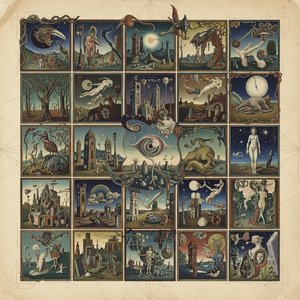
Die 25 besten Meisterwerke von Max Ernst: Eine Reise durch den Surrealismus
Entdecken Sie die 25 besten Werke von Max Ernst und den Surrealismus. Erleben Sie Meisterwerke auf TopImpressionists.com.

Reproduktionsmedien im Vergleich: Handgemalte Ölgemälde, Leinwanddrucke und gerahmte Papierdrucke
Expertenrat für Innenarchitekten: Vergleichen Sie handgemalte Ölgemälde, Leinwanddrucke & Papierdrucke. Finden Sie die perfekte Kunstreproduktion für Ihr Projekt!

Die bleibende Ästhetik des Pinsels: Handgemalte Ölmalerei als Ausdruck von Zeitlosigkeit und emotionaler Tiefe im Vergleich zum digitalen Druck
Entdecken Sie die bleibende Schönheit handgemalter Ölmalerei! Expertenrat zur Authentizität, Wertsteigerung & individuellen Kunstauswahl. Vertrauen Sie auf Qualität und Tradition.
Entdecken Sie Kunstwerke, die nach Themen, Stilen und Merkmalen sortiert sind.


