Atelier — Kostenloser weltweiter Versand — Lieferzeit 2–6 Wochen
Sell Your Art Wunschliste Warenkorb
PreviewPreview Gemälde kaufen Gemälde kaufenBild kaufen Bild kaufen VersendenVersenden
Details anzeigenDetails anzeigen Zu Favoriten hinzufügen Zu Favoriten hinzufügen HerunterladenHerunterladen Ähnliche ObjekteÄhnliche Objekte RöntgenaufnahmeRöntgenaufnahme Diashow anzeigenDiashow anzeigen

untitled (7712)

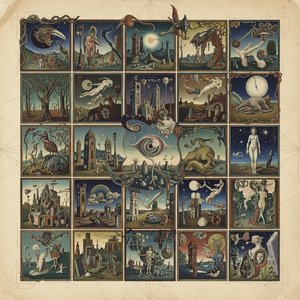
Max Ernst's surreal untitled (7712) presents a bizarre tableau of a frog with dual penises and an umbrella, embodying the artist’s provocative exploration of the subconscious during the 20th century. Discover this unique artwork and bring its unsettling beauty into your collection.

Erkunden Sie die surreale Welt von Max Ernst (1891-1976), einem Pionier des Dadaismus und Surrealismus! Entdecken Sie seine innovativen Frottagen, Collagen und traumhaften Gemälde mit Vögeln, Landschaften und psychologischen Themen. #MaxErnst #Surrealismus #Dada

Giclée / Kunstdruck

Giclée- oder Leinwanddruck in Museumsqualität mit schneller Produktion und flexiblen Veredelungsoptionen.

P118B $10
P118H $10
P118W $10
P438Z $10
P508JH $12
P508YH $12
P805H $10
P805Z $10
P919BZ $10
P919G $10
P919XJ $10
P959ZH $10
P968JZ $12
W106C $8
W218G $10
W218JH $8
W218Y $10
W307PJ $10
W316G $10
W316PJ $8
W316Y $10
W398PJ $8
W4111J $10
W500HY $15
W500JH $15
W692G $12
W849H $8
W940BG $15
W953PJ $8

Standard
custom
CM
INCH

Wählen Sie aus unseren vordefinierten Größen, die den ursprünglichen Proportionen des Kunstwerks entsprechen.

Breite
Höhe

Sie können Ihre eigenen Maße eingeben, um ein bestimmtes Format oder einen speziellen Platz einzupassen. Wenn das von Ihnen gewählte Format nicht den Proportionen des Originalbildes entspricht, werden wir das Kunstwerk entweder beschneiden oder das Bild mit einem gespiegelten oder einfarbigen Rand erweitern. Ein digitaler Entwurf wird Ihnen zur Genehmigung zugesandt, bevor die Produktion beginnt.
Bitte beachten Sie, dass die Vorschau auf dem Bildschirm nicht den tatsächlichen Zuschnitt oder die Erweiterung widerspiegelt. Nur der Entwurf zeigt die endgültige Komposition präzise an.
Obwohl Sondermaße verfügbar sind, empfehlen wir die Auswahl eines Maßes aus der vordefinierten Liste, um die ursprünglichen Proportionen zu bewahren.

Weltweiter Versand () innerhalb von 2 Wochen statt der üblichen 4/5 Wochen. (24 Juli)

why_choose_icon
Kostenloser weltweiter Expressversand
why_choose_icon
Hochwertige Leinenleinwand
why_choose_icon
Umfassender Versicherungsschutz beim Versand
why_choose_icon
Zollsteuer-Rückerstattungsgarantie
why_choose_icon
Garantie für echte Farbtreue
why_choose_icon
60-Tage-Rückgaberecht (nur bei Mängeln)
why_choose_icon
100% Geld-zurück-Garantie
why_choose_icon
Mengenrabatt verfügbar

Gesamtpreis

-

reproduction

untitled (7712)

Giclée / Kunstdruck

Größe der Reproduktion

-

Endpreis aller Optionen

-

Eckdaten auf einen Blick

  • Notable elements: Frog, penises, umbrella
  • Artist: Max Ernst
  • Year: 1940s
  • Movement: Surrealism
  • Title: untitled (7712)
  • Location: Private Collection
  • Artistic style: Dreamlike, bizarre

Beschreibung des Sammlerstücks

Unveiling the Grotesque Beauty of "Untitled (7712)"

Max Ernst’s “Untitled (7712)” is not merely a painting; it's an unsettling plunge into the subconscious, a visual manifestation of anxieties and desires rendered with the meticulous precision characteristic of the artist. This surrealist masterpiece, depicting a frog burdened with an unnerving duality – two penises prominently displayed – immediately confronts the viewer with a jarring juxtaposition of the familiar and the profoundly disturbing. The image, presented on a wall as if in a gallery setting, invites contemplation not just of its subject matter but also of the very nature of representation and the anxieties simmering beneath the surface of Western art.

  • Subject Matter: The central figure – a frog – is deliberately chosen. Frogs, historically, have held diverse symbolic meanings across cultures, often representing fertility, transformation, and even deception. Ernst’s deliberate exaggeration of this symbolism elevates it to an almost grotesque level.
  • Style & Technique: Ernst's technique, honed over decades of experimentation, is evident in the painting’s textured surface and layered application of paint. The use of collage elements – though not explicitly detailed here – would have been typical of his approach, adding another layer of complexity to the image.
  • Historical Context: Created during the interwar period (1920s-30s), “Untitled (7712)” reflects the broader artistic currents of Surrealism, a movement born from the disillusionment following World War I and fueled by psychoanalytic theories – particularly those of Sigmund Freud. The exploration of dreams, the irrational, and the unconscious was a direct response to the perceived failures of reason and logic.

Decoding the Symbolism: Duality and Discomfort

The most striking element of “Untitled (7712)” is undoubtedly the frog’s anatomical anomaly – two penises. This isn't simply a depiction of physical abnormality; it’s a potent symbol of excess, uncontrolled desire, and perhaps even societal anxieties surrounding sexuality and power. The umbrella held in the frog’s mouth further complicates the interpretation, suggesting an attempt to shield itself from overwhelming sensation or perhaps representing a futile effort to control the uncontrollable. Ernst was deeply interested in exploring psychological states through his art, and this painting is a powerful example of that exploration.

  • Repressed Desires: The image can be interpreted as a visual representation of repressed desires and anxieties – those thoughts and feelings we consciously suppress but which nonetheless exert a powerful influence on our behavior.
  • Critique of Normality: By presenting this unsettling scene, Ernst challenges conventional notions of beauty and normalcy, forcing the viewer to confront uncomfortable truths about human nature.
  • The Role of the Viewer: The painting’s impact is profoundly dependent on the viewer's own psychological state. It’s a work that demands engagement and invites personal interpretation.

Max Ernst: A Life Dedicated to Surreal Exploration

Born in Brühl, Germany, in 1891, Max Ernst was a restless intellectual and artist who defied easy categorization. His academic background – encompassing philosophy, art history, literature, psychology, and psychiatry – profoundly shaped his artistic vision. He wasn't simply interested in replicating reality; he sought to unlock the hidden dimensions of the human psyche through experimentation with techniques like frottage (rubbing textures onto paper) and collage. Ernst’s work reflects a deep engagement with the ideas of Freud and Jung, exploring themes of dreams, memory, and the unconscious mind.

  • Early Influences: Ernst's early artistic development was influenced by Dadaism, another avant-garde movement that rejected traditional aesthetic values.
  • Technological Innovation: He was also a pioneer in the use of photographic techniques in art, further blurring the boundaries between reality and illusion.
  • Legacy: Max Ernst’s influence on 20th-century art is undeniable, and “Untitled (7712)” stands as a testament to his innovative spirit and profound artistic vision.

Bringing "Untitled (7712)" into Your Space

A hand-painted reproduction of Max Ernst’s “Untitled (7712)” offers a unique opportunity to bring this iconic surrealist work into your home or office. TopImpressionists.com meticulously recreates the painting's intricate details and textural qualities, ensuring that your reproduction captures the full emotional impact of the original. Whether you are an art collector seeking to expand your collection or an interior designer looking for a statement piece, this reproduction provides a captivating focal point – a conversation starter and a window into the depths of the human psyche.


Biografie des Künstlers

Max Ernst: Ein Leben im Surrealismus

Frühes Leben und Ausbildung

  • Geboren: 1. April 1891 in Brühl, Deutschland.
  • Ernsts Vater, Philipp Ernst, war Lehrer für Gehörlose und Amateurmaler, der Maxes frühes Interesse an Kunst förderte.
  • Von 1909 studierte er Philosophie, Kunstgeschichte, Literatur, Psychologie und Psychiatrie an der Universität Bonn.
  • Dieser vielfältige akademische Hintergrund beeinflusste seine späteren künstlerischen Erkundungen maßgeblich.

Künstlerische Entwicklung & Einflüsse

  • Ein einschneidendes Ereignis war die Sonderbund-Ausstellung in Köln (1912), wo er Werke von Pablo Picasso, Vincent van Gogh, und Paul Gauguin entdeckte.
  • Im Jahr 1914 lernte er Hans Arp kennen, der eine lebenslange Freundschaft schloss, die seine künstlerische Reise maßgeblich prägte.
  • Der Erste Weltkrieg hatte einen tiefgreifenden Einfluss auf Ernst; seine Erfahrungen als Soldat führten zu Enttäuschung und einer kritischen Sicht auf die Gesellschaft.
  • Er ließ sich von den Schriften Sigmund Freuds beeinflussen und erkundete Themen des Unterbewusstseins in seiner Kunst.

Dada & Surrealismus

  • Nach dem Ersten Weltkrieg wurde Ernst eine Schlüsselfigur der Kölner Dada-Gruppe, die sich gegen traditionelle künstlerische Konventionen aussprach.
  • Er entwickelte innovative Techniken wie Frottage (Erhitzen von Bleistift auf texturierte Oberflächen) und Grattage (Abkratzen von Farbe, um darunterliegende Schichten freizulegen).
  • In den 1920er Jahren trat er der Surrealistischen Bewegung in Paris bei und arbeitete mit Künstlern wie Paul Éluard zusammen.
  • Seine Werke dieser Zeit erforschten traumhafte Bilder und psychologische Themen.

Wichtige Werke & Techniken

  • Frottage: Eine Technik zur Erzeugung von Texturen und unerwarteten Bildern, die in vielen seiner Werke zu sehen ist.
  • Collage: Ernst verwendete häufig Collage, um disparate Elemente zu kombinieren und surreale Kompositionen zu schaffen.
  • Bekannte Werke:
    • Die gesamte Stadt
    • Euclides
    • Von diesem sollen nichts wissen
    • Wald und Taube
  • Seine Gemälde zeigen oft symbolische Bilder, darunter Vögel (insbesondere seinen Pseudonym Loplop), Landschaften und verstörende Gegenüberstellungen.

Spätes Leben & Vermächtnis

  • Ernst zog während des Zweiten Weltkriegs in die Vereinigten Staaten, wo er weiter malte und mit neuen Techniken experimentierte.
  • Nach dem Krieg kehrte er nach Frankreich zurück und blieb bis zu seinem Tod am 1. April 1976 in Paris aktiv.
  • Historische Bedeutung: Max Ernsts Beiträge zu Dada und Surrealismus waren bahnbrechend. Er stellte künstlerische Normen in Frage, erforschte das Unterbewusstsein und entwickelte innovative Techniken, die Künstler bis heute inspirieren.
  • Er gilt als eine der wichtigsten und einflussreichsten Figuren der Kunst des 20. Jahrhunderts.
Max Ernst

Max Ernst

1891 - 1976 , Deutschland

Kurzinfos

  • Artistic Movement Or Style: Dadaismus & Surrealismus
  • Artists Who Influenced This Artist:
    • Pablo Picasso
    • Vincent van Gogh
    • Paul Gauguin
    • Sigmund Freud
  • Date Of Birth: 1. April 1891
  • Date Of Death: 1. April 1976
  • Full Name: Max Ernst
  • Nationality: Deutsch
  • Notable Artworks:
    • Die gesamte Stadt
    • Euclides
    • Wald und Taube
    • Der Elefant Celebes
  • Place Of Birth (City And Country): Brühl, Deutschland
Entdecken Sie Kunstwerke, die nach Themen, Stilen und Merkmalen sortiert sind.
© TopImpressionists.com — Alle Rechte vorbehalten  ·  100% handgemalt · Zufriedenheitsgarantie · Kostenloser weltweiter Versand
VISA MASTERCARD