

Gezeigt: · Inklusive Rahmen:
 Vorschau anzeigen

 Versenden
 Teilen
 Details anzeigen
 Datenblatt


 Herunterladen
 Ähnliche Objekte
 Röntgenaufnahme
 Diashow
 Fragen & Antworten

 Statistiken
Found (Max Klinger)


Leinwand- und Fine-Art-Prints ab €45 bei 36 x 28 cm
Handgemalte Ölreproduktion ab €224
- Kostenloser weltweiter Versand in 3 bis 4 Wochen
- Gerollte Drucke mit einer Lieferzeit von 3 bis 4 Wochen
- 100 Tage Rückgaberecht, Geld-zurück-Garantie
- Bewertet mit 4.9/5 Sternen von 241 Kunden auf ArtShopReviews.com
€ 70
Giclée / Kunstdruck
Giclée- oder Leinwanddruck in Museumsqualität mit schneller Produktion und flexiblen Veredelungsoptionen. ( Impressionistisches Ölgemälde Digitales Abbild kaufen
)
Medium
 Mehr erfahren
Unser Budget-Druck: dasselbe Motiv auf einer 260 g/m² Polyester-Leinwand statt auf Baumwolle, geliefert als Rolle im Rohr per Standardpost in 3 bis 4 Wochen. Nur als Rolle (ohne Keilrahmen, ohne Rahmung) und ohne Eilproduktion, für Formate mit mindestens einer Seite von 80 cm oder weniger. Etwa 30% günstiger als der Baumwoll-Leinwanddruck.
Für diese Größe nicht verfügbar: Mindestens eine Seite muss 80 cm oder weniger lang sein.
Nur als Rolle erhältlich: Wählen Sie die Variante „Leinwand in der Röhre“, um diesen Druck zu wählen.
Verfügbar für Formate mit einer Seitenlänge von maximal 110 cm. Bei größeren Formaten wird der Druck auf mattem Baumwollleinwand erstellt.
Matt archival canvas ist für diese Größe nicht verfügbar: Beide Seiten müssen 110 cm oder weniger lang sein. Ihr Druck wird stattdessen auf mattem Baumwollcanvas erstellt.
Die Glasoption ist nur für Größen unter 110 cm verfügbar.
Größe
·Wählen Sie aus unseren vordefinierten Formaten, die den ursprünglichen Proportionen des Kunstwerks entsprechen.
Größen werden geladen...

Breite
Höhe
Geben Sie die benötigte Breite und Höhe an, damit der Druck perfekt in Ihren Rahmen oder an Ihre Wand passt. Ein Druck kann nur beschnitten, aber niemals größer als das Originalbild angefertigt werden; daher verliert ein Format mit anderen Proportionen einen Teil des Bildes. Wir senden Ihnen ein digitales Mockup zur Freigabe, bevor wir den Druck ausführen. Das auf dieser Seite gezeigte Bild zeigt nicht den tatsächlichen Beschnitt – dies ist nur im Mockup ersichtlich.
Standardformat
individuell anpassbar
CM
ZOLL
Abschließen
·
Weißer Rand €1

verlaufende Kanten €1

Umrandung €1

P118B €10

P118H €10

P118W €10

P438Z €10

P508JH €12

P508YH €12

P805H €10

P805Z €10

P919BZ €10

P919G €10

P919XJ €10

P959ZH €10

P968JZ €12

W106C €8

W218G €10

W218JH €8

W218Y €10

W307PJ €10

W316G €10

W316PJ €8

W316Y €10

W398PJ €8

W4111J €10

W500HY €15

W500JH €15

W692G €12

W849H €8

W940BG €15

W953PJ €8
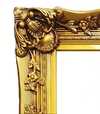
H24-GOLD €30
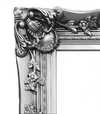
H24-SILVER €30
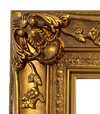
H36-GOLD €70
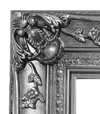
H36-SILVER €70
Versand in einer Schutzröhre, bereit für die Rahmung durch Ihren Rahmenmacher.
Extras
optionalWas sind die Extras enthalten?
Weltweiter Versand () innerhalb von 2 Wochen statt der üblichen 4/5 Wochen. (23 Dezember)
Eilproduktion und Expressversand sind beim Economy-Polycanvas-Druck nicht verfügbar, da dieser per Standardpost versendet wird.
Schutzlackierung
Beschriftung
Details der gravierten Bronzetafel
Diese elegante Plakette zeigt den Namen des Künstlers sowie den Titel des Kunstwerks, fein graviert für eine zeitlose Präsentation.
Sie ist aus Bronze gefertigt und verfügt über ein edles, elegantes Finish. Der Text wird präzise lasergraviert, um ein scharfes und dauerhaftes Ergebnis zu erzielen. Mit den Maßen 9x2 cm ist die Plakette kompakt und dennoch gut lesbar. Sie ist langlebig sowie kratzfest und bietet eine professionelle Optik in Museumsqualität. Die Montage ist dank der mitgelieferten Klebefläche kinderleicht.
Details zur Acrylglas-Plakette (transparent)
Die Plakette enthält wichtige gravierte Details wie den Namen des Künstlers, den Titel des Kunstwerks, das Entstehungsdatum, die verwendete Technik – wie etwa Öl auf Leinwand oder Aquarell –, eine kurze Beschreibung des Werks sowie einen QR-Code, der zu den vollständigen Informationen über das Kunstwerk führt.
Sie ist aus klarem Acryl gefertigt und bietet eine elegante, moderne Optik. Der Text ist schwarz UV-graviert, um einen starken visuellen Kontrast zu gewährleisten. Mit einer Größe von 10x15 cm ist eine optimale Lesbarkeit sichergestellt. Sie wird mit zwei Metallhaken für eine sichere Wandmontage geliefert. Die Plakette ist wetterfest und somit für verschiedene Umgebungen geeignet; zudem verfügt sie über interaktive Funktionen, die sich nahtlos per Smartphone-Scan bedienen lassen.
Details zur schwarzen Acryltafel
Diese elegante Plakette enthält gravierte Informationen wie den Namen des Künstlers, den Titel des Kunstwerks, das Entstehungsdatum, die verwendete Technik (z. B. Öl auf Leinwand oder Aquarell), eine kurze Beschreibung des Werks sowie einen QR-Code für den schnellen Zugriff auf weitere Informationen.
Die Plakette selbst besteht aus hochwertigem, veredeltem schwarzem Acryl mit einem Premium-Finish. Der Text ist weiß lasergraviert, um einen hohen Kontrast und optimale Lesbarkeit zu gewährleisten. Mit einer Größe von 10x15 cm ist sie auf einfache Lesbarkeit ausgelegt. Sie wird mit zwei Metallhaken für eine professionelle Montage geliefert. Das Design ist schlicht gehalten und passt zu jedem Einrichtungsstil. Zudem ist sie wetterfest sowie langlebig und verfügt über eine integrierte digitale Anbindung für mobile Kompatibilität.
Die Glasoption ist nur für Größen unter 110 cm verfügbar.
 Die Glasoption ist nur für Größen unter 110 cm verfügbar.
- Kostenloser weltweiter Versand in 3 bis 4 Wochen
- Hochwertige Leinenleinwand
- Umfassender Versicherungsschutz beim Versand
- Zollgebühren-Rückerstattungsgarantie
- Garantie für exakte Farbtreue
- 100 Tage Rückgaberecht, Geld-zurück-Garantie
- 100% Geld-zurück-Garantie
- Mengenrabatt verfügbar


Found: Max Klinger und der Moment des Symbolism
Two figures kneel in despair beneath a suspended form in this dramatic monochromatic etching filled with dense, swirling cross-hatching.
Max Klinger: Biografie
Seine Paraphrase über den Fund eines Handschuhs wurde durch einen Traum inspiriert: Untersuchen Sie, wie der Handschuh in jeder Platte erscheint.
Details zum Kunstwerk
The Artwork Found by Max Klinger
In the quiet tension of Found, the viewer encounters a scene of profound emotional distress. Max Klinger, born in 1857 in Leipzig, Germany, presents a vision that feels caught in a moment of sudden, sharp anguish. The composition draws the eye upward through a pyramidal arrangement, where two figures kneel in supplication at the base. Above them, a third figure remains suspended on a rigid rectangular plane, creating a sense of unsettling verticality. The atmosphere is heavy with a feeling of helplessness, as if the figures are trapped within a swirling chaos of lines that refuse to settle.
The imagery suggests a narrative of torment or judgment, though the exact nature of the suffering remains a mystery. Shadows and highlights dance across the forms, emphasizing the intensity of the facial expressions and the physical strain of the subjects. There is a palpable sense of unease in the way the figures interact with the space around them. The scene does not offer the comfort of a clear light source, leaving the viewer to navigate the deep shadows and the turbulent, textured background that seems to pulse with internal turmoil.
Composition and Visual Elements
A heavy, pyramidal structure dictates the movement of the scene, pulling the eye upward through a tense arrangement of forms. At the base, two figures kneel in a state of supplication, their bodies anchoring the bottom of the triangle. Above them, a third figure remains suspended on a rigid, rectangular plane, creating a jarring contrast between the organic curves of the human forms and the unyielding geometry of the platform. This vertical tension holds the viewer in a state of suspended animation, caught between the grounded suffering below and the hovering presence above.
The background refuses to remain still. Dense, swirling lines churn through the space, suggesting a world in a state of constant, chaotic turmoil. These lines wrap around the figures, blurring the distinction between the subjects and the atmosphere surrounding them. Light and shadow dance unevenly across the scene, with deep, heavy blacks clashing against pale highlights to emphasize the emotional weight of the figures. The perspective feels strangely flattened, yet the layering of these dark, textured shapes creates a sense of depth that pulls the viewer into the center of the struggle.
Technique and Artistic Materials
The scene emerges from a monochromatic world, where every shadow and highlight relies on a careful dance of gray tones. This is the result of a meticulous printmaking process, likely an etching or an engraving. One can almost feel the physical resistance of the metal plate as the artist uses sharp etching needles to incise deep, deliberate lines into the surface. These marks do not merely outline forms; they build a dense, textured landscape through heavy cross-hatching that catches the light and holds the darkness in place.
The materials used in this creation speak to a tactile, hands-on labor. A metal plate, perhaps zinc or copper, receives the initial wounding of the needle, creating the channels that will eventually hold the ink. Once the incised lines are ready, ink is pressed into these grooves, transferring the soul of the plate onto paper. This method allows for a staggering level of detail, where the swirling, chaotic lines of the background and the sharp, angular contours of the figures emerge from the interplay of ink and fiber.
Style and Artistic Movement
The work breathes with the heavy, restless energy of late 19th-century Expressionism. Every line seems to vibrate with an internal tension, pushing beyond mere representation to capture a raw, psychological state. This approach finds a striking kinship with the visual language of Edvard Munch, where the external world bends and twists to mirror the turbulence of the human spirit. The figures do not simply exist in space; they appear caught in a moment of profound emotional upheaval, their forms shaped by the weight of what they feel rather than the strict rules of anatomy.
At its core, the piece is deeply rooted in the Symbolist movement. It moves away from the literalism of the natural world to explore the shadowy, subjective realms of the subconscious. Rather than depicting a clear, objective reality, the imagery functions through a language of signs and metaphors that point toward deeper, unseen truths. The atmosphere is thick with the sense of a dream or a nightmare, where the boundaries between the physical self and the internal psyche begin to dissolve into a swirl of dark, textured lines.
Emotional and Symbolic Themes
Anguish and fear pulse through the scene, casting a heavy shadow over the figures. A profound sense of desperation grips the viewer as the subject matter unfolds, depicting a moment of intense emotional distress and torment. The two kneeling figures at the base of the composition seem trapped in a state of supplication, their bodies conveying a deep-seated helplessness. Above them, a third figure remains suspended on a rigid rectangular plane, watching the suffering below. This triangular arrangement creates a palpable tension, suggesting a heavy power dynamic or the weight of an inevitable judgment.
Chaos swirls in the background, where dense, agitated lines churn like a storm. These movements suggest a state of inner turmoil or perhaps the presence of overwhelming external forces acting upon the souls depicted. The darkness and light do not merely define form; they heighten the psychological weight of the moment. Every line contributes to an atmosphere of unease, as if the very air around the figures is thick with their collective despair. The struggle feels immediate, caught in a perpetual state of spiritual or emotional crisis.
Related Works by Max Klinger
The shadows of the artist's imagination stretch into other graphic cycles, where the boundaries between reality and the subconscious continue to blur. In the series Paraphrase on the Finding of a Glove, a single lost object transforms into a potent fetish, triggering a sequence of dreamlike visions and unsettling encounters. This narrative exploration of desire and loss finds a musical counterpart in the Brahms Fantasies from 1894, where the artist translates the spirit of composition into visual form. These works reveal a mind preoccupied with the hidden currents of human longing and the irrational forces that govern our inner lives.
Other explorations move through the realms of myth and movement. The artist's hand traces the tension found in The Rape of Prometheus and the rhythmic energy of Preparation for the dance. Each piece acts as a window into a world where the physical and the psychological are inseparable. Whether through the meticulous lines of an etching or the heavy presence of a sculpture, the artist's vision remains fixed on the tension between the seen world and the unseen impulses that drive it.
Fragen & Antworten
Ist diese Reproduktion von Found handgemalt oder ein Druck?
Druck: Found wird als Giclée-Druck auf Baumwollkanvas oder auf Epson Archiv-Leinwandpapier reproduziert.
Welche Größe sollte ich für Found wählen?
Die Größen reichen von 36.3 x 27.5 cm (€45) bis 248.4 x 188.4 cm (€407); die Tabelle auf dieser Seite listet die wichtigsten Formate und deren Preise auf.
Wie lange dauert die Lieferung?
Ein gerollter Druck wird kostenlos per Standardpost versendet und trifft in 3 bis 4 Wochen bei Ihnen ein; ein auf Keilrahmen gespannter oder gerahmter Druck benötigt 4 bis 5 Wochen. Ein Versand per Expresskurier ist nur mit der auf dieser Seite angebotenen kostenpflichtigen Express-Versandoption möglich. Sie können den Artikel innerhalb von 100 Tagen ohne Angabe von Gründen gegen eine vollständige Rückerstattung zurückgeben.
Welches Medium hat Max Klinger für Found verwendet?
Etching
Kurzinfos und Kunst-Quiz
Über Max Klinger

Max Klinger
1857 - 1920, Deutschland
Über Max Klinger: Leben und Werke
Kurzinfos zu Max Klinger
- Beeinflusste Künstler:
- Wilhelm Trübner
- Jörg Breu der Ältere
- Bemerkenswerte Werke: ['Paraphrase über den Handschuhfund']
- Geburtsdatum: 18. Februar 1857
- Geburtsort: Leipzig, Deutschland
- Künstlerische Richtung: Symbolismus
- Nationalität: Deutsch
- Todatum: 5. Juli 1920
- Vollständiger Name: Max Klinger
- Von Künstlern Beeinflusst:
- Adolph von Menzel
- Félicien Rops
Entdecken Sie Kunstwerke, die nach Themen, Stilen und Merkmalen sortiert sind.


Max Klinger
Found
() ·
Inklusive Rahmen: ·
Gesamtbetrag