


 Vorschau anzeigen
 Versenden
 Teilen
 Details anzeigen
 Leitfaden

 Herunterladen
 Ähnliche Objekte
 Röntgenaufnahme
 Diashow
 Q&A
Q&A Statistiken
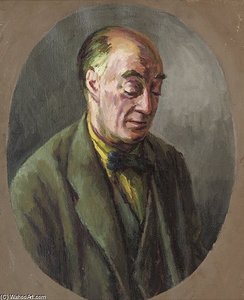
Bust Selfportrait in Paiting Overall


This artwork showcases Max Liebermann's self-portrait in 1922, executed in oil on canvas. It exemplifies Impressionism’s focus on capturing fleeting moments of light and color, featuring a contemplative gaze and attire reflecting the artist's era.
 Weiterlesen
Max Liebermann (1847-1935): Deutscher Impressionist! Szenen des Bürgertums, Porträts & Gartenidylle am Wannsee. Schlüsselfigur der Berliner Sezession!
Giclée / Kunstdruck
Giclée- oder Leinwanddruck in Museumsqualität mit schneller Produktion und flexiblen Veredelungsoptionen. ( Handgemalte Reproduktion bestellen Zum digitalen Bild wechseln)




P118B €10

P118H €10

P118W €10

P438Z €10

P508JH €12

P508YH €12

P805H €10

P805Z €10

P919BZ €10

P919G €10

P919XJ €10

P959ZH €10

P968JZ €12

W106C €8

W218G €10

W218JH €8

W218Y €10

W307PJ €10

W316G €10

W316PJ €8

W316Y €10

W398PJ €8

W4111J €10

W500HY €15

W500JH €15

W692G €12

W849H €8

W940BG €15

W953PJ €8




Standardformat
individuell anpassbar
CM
INCH
Wählen Sie aus unseren vordefinierten Formaten, die den ursprünglichen Proportionen des Kunstwerks entsprechen.
Loading sizes...

Breite
Höhe
Geben Sie die benötigte Breite und Höhe an, damit der Druck perfekt in Ihren Rahmen oder an Ihre Wand passt. Ein Druck kann nur beschnitten, aber niemals größer als das Originalbild angefertigt werden; daher verliert ein Format mit anderen Proportionen einen Teil des Bildes. Wir senden Ihnen ein digitales Mockup zur Freigabe, bevor wir den Druck ausführen. Das auf dieser Seite gezeigte Bild zeigt nicht den tatsächlichen Beschnitt – dies ist nur im Mockup ersichtlich.
Weltweiter Versand () innerhalb von 2 Wochen statt der üblichen 4/5 Wochen. (29 Oktober)

Kostenloser weltweiter Expressversand

Hochwertige Leinenleinwand

Umfassender Versicherungsschutz beim Versand

Zollgebühren-Rückerstattungsgarantie

Garantie für exakte Farbtreue

100 Tage Rückgaberecht (nur bei Mängeln)

100% Geld-zurück-Garantie

Mengenrabatt verfügbar
 Die Glasoption ist nur für Größen unter 110 cm verfügbar.

Bust Selfportrait in Paiting Overall
Giclée / Kunstdruck
Format der Reproduktion
-


Endpreis
€ 61
A Gaze Into the Self: Max Liebermann's Bust Selfportrait
To stand before this selfportrait is to encounter not merely a likeness, but a carefully considered meditation on identity itself. Painted in 1922 by Max Liebermann, this bust portrait captures the artist at a moment of profound introspection. The subject gazes out from the canvas with an undeniable seriousness, his mustache and beard lending him an air of intellectual gravitas. Every element—from the precise knot of his bow tie to the thoughtful set of his glasses—contributes to a persona that is both intimately familiar and strikingly composed. It speaks volumes about the artist's self-perception during this pivotal time in his life, offering us a direct line into the mind of a master.
Technique and Tonal Drama
Liebermann’s handling of paint here showcases his mastery of tonal contrast. The deliberate use of a black and white color scheme is not a limitation, but rather a powerful artistic choice that heightens the drama and focuses all attention squarely on the nuances of the sitter's expression. Observe how the light seems to sculpt the planes of his face, giving dimension to the subtle contours around his eyes and mouth. The technique employed suggests an Impressionist foundation—a sensitivity to fleeting moments—but channeled through a more formal, almost psychological portraiture lens. This stark palette strips away the distractions of color, leaving only the essential architecture of character.
Historical Echoes in Berlin
Created in 1922, this work emerges from a period when Germany was navigating immense social and artistic upheaval. Liebermann, an artist deeply connected to the vibrant cultural pulse of Berlin, captured a moment that feels both timeless and acutely contemporary. While his earlier works celebrated everyday life with Impressionistic joy, this selfportrait suggests a more internalized dialogue—a necessary turning inward amidst the roaring changes of the early 20th century. It is a testament to an artist who remained keenly observant, even when looking at himself.
Symbolism and Emotional Resonance
The act of painting a selfportrait has always been fraught with symbolic weight; it is both documentation and declaration. Here, the direct address to the viewer creates an immediate, almost confrontational intimacy. The seriousness in his eyes invites us to question: what is being observed? Is it the artist, or the enduring spirit that survives the passage of time? For collectors and those seeking art for a sophisticated interior space, this piece offers depth. It doesn't merely decorate; it prompts conversation, encouraging contemplation on self-image, intellect, and the weight of experience.
Bringing Liebermann Home
Owning a reproduction of "Bust Selfportrait in Paiting" allows one to integrate a piece of this rich artistic dialogue into your own sanctuary. The dramatic contrast inherent in the original composition translates beautifully into any setting, providing a focal point that is both intellectually stimulating and visually arresting. It serves as a sophisticated anchor for a room, echoing the thoughtful elegance of early 20th-century European portraiture while maintaining a modern, stark power.
Fragen & Antworten
Welche Stimmung erzeugen die Farben von "Bust Selfportrait in Paiting Overall" von Max Liebermann?
Die Earthy-Palette von "Bust Selfportrait in Paiting Overall" von Max Liebermann harmoniert mit seinem Reflective emotionalen Tonfall. Farbe ist eine der Arten und Weisen, wie ein Werk Gefühle vermittelt.
Wie verbinden sich Medium und Bewegung in "Bust Selfportrait in Paiting Overall"?
In "Bust Selfportrait in Paiting Overall" trifft die Oil On Canvas-Technik auf die Impressionism-Strömung.
Wer ist der Urheber von "Bust Selfportrait in Paiting Overall" und welcher Stilrichtung ist das Werk zuzuordnen?
Max Liebermann schuf „Bust Selfportrait in Paiting Overall“ im Rahmen der Impressionism-Bewegung.
Ähnliche Kunstwerke



Künstlerbiografie
Frühe Jahre und Ausbildung
- Geboren: Berlin, Deutschland (1847)
- Gestorben: 1935
Künstlerische Laufbahn und Stilentwicklung
- Impressionismus: Liebermann entwickelte sich zu einem der führenden Vertreter des Impressionismus in Deutschland, der flüchtige Momente des modernen Lebens mit Fokus auf Licht und Farbe einzufangen versuchte.
- Einflüsse: Sein Stil wurde maßgeblich von Édouard Manet beeinflusst, was sich in seinem Geist und Ansatz beim Malen zeigte.
- Motivwahl: Er porträtierte häufig Szenen des Bürgertums und Aspekte seines Gartens am Wannsee.
- Porträtmalerei: Liebermann erlangte Anerkennung als renommierter Porträtmaler und schuf über 200 Auftragsporträts, darunter von Albert Einstein und Paul von Hindenburg.
Wichtige Werke und Errungenschaften
- "Der 12-jährige Jesus in der Tempel": Ein frühes Werk, das Debatten aufgrund seiner Darstellung eines semitisch aussehenden Jungen Jesus auslöste.
- Wahl in die Preußische Akademie der Künste: Eine bedeutende Anerkennung seines künstlerischen Könnens und Beitrags.
- Leitung der Berliner Sezession (1899-1911): Er leitete diese führende Avantgarde-Formation in Deutschland, die traditionelle künstlerische Normen herausforderte.
Spätere Jahre und Historische Bedeutung
- Rücktritt aus der Preußischen Akademie: 1933 trat er zurück, nachdem die Akademie beschlossen hatte, keine Werke mehr von jüdischen Künstlern auszustellen.
- Tod und Vermächtnis: Er verstarb 1935 in Berlin und hinterließ ein bedeutendes Werk, das bis heute für seinen impressionistischen Stil und seine aufschlussreiche Darstellung der deutschen Gesellschaft gefeiert wird.

Max Liebermann
1847 - 1935 , Deutschland
Kurzinfos
- Beeinflusste Künstler: ['Édouard Manet']
- Bemerkenswerte Werke:
- Der zwölfjährige Jesus
- Holländisches Bauernhaus
- Porträt Dr. Max Linde
- Geburtsdatum: 20. Juli 1847
- Geburtsort: Berlin, Deutschland
- Künstlerische Richtung: Impressionismus
- Nationalität: Deutsch
- Todestag: 8. Februar 1935
- Vollständiger Name: Max Liebermann
- Von Künstlern Beeinflusst: ['Jean-François Miller']
Ähnliche Artikel

Impressionismus Meisterwerke: Die Top 10 Kunstwerke für Ihr Zuhause | TopImpressionists
Entdecken Sie die Top 10 Meisterwerke des Impressionismus! Von Monet bis Renoir – erfahren Sie die Geschichten hinter berühmten Gemälden, Techniken & Farben. Hochwertige Kunstdrucke auf TopImpressionists.com.

Reflecting the Self: A History of Portraiture & Psychological Insight
Explore the fascinating history of self-portraiture from Renaissance masters like Dürer & Rembrandt to modern interpretations. Discover the psychological insights and artistic techniques behind these iconic works. Expert analysis for art enthusiasts.

Deutsche Expressionismus Meisterwerke: Die 10 wichtigsten Kunstwerke für Ihr Zuhause
Entdecken Sie die 10 bedeutendsten Werke des Deutschen Expressionismus! Kirchner, Nolde & Co. – ihre Geschichten, Techniken und zeitlose Schönheit. Hochwertige Kunstdrucke auf TopImpressionists.com kaufen und Ihr Zuhause mit emotionaler Kunst bereichern. Jetzt entdecken!
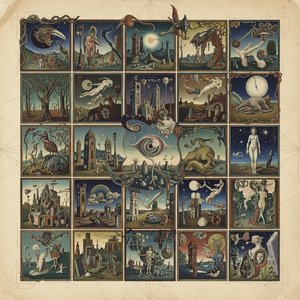
Max Ernsts Meisterwerke: Die Top 25 Kunstwerke für Ihr Zuhause | TopImpressionists
Entdecken Sie die 25 bedeutendsten Kunstwerke von Max Ernst! Tauchen Sie ein in die Welt des Surrealismus, Dada und abstrakter Malerei. Hochwertige Kunstreproduktionen & Inspiration für Ihr Zuhause bei TopImpressionists.com.

Paul Cézanne: Die 25 Meisterwerke des Impressionismus | TopImpressionists
Entdecken Sie die 25 Meisterwerke von Paul Cézanne! Tauchen Sie ein in die Welt des Impressionismus und Postimpressionismus. Erfahren Sie mehr über seine Stillleben, Landschaften & berühmten Gemälde – jetzt hochwertige Kunstdrucke auf TopImpressionists.com.
Entdecken Sie Kunstwerke, die nach Themen, Stilen und Merkmalen sortiert sind.


